Susan Nance - Böcker
Visar alla böcker från författaren Susan Nance. Handla med fri frakt och snabb leverans.
10 produkter
10 produkter
1 739 kr
Skickas inom 3-6 vardagar
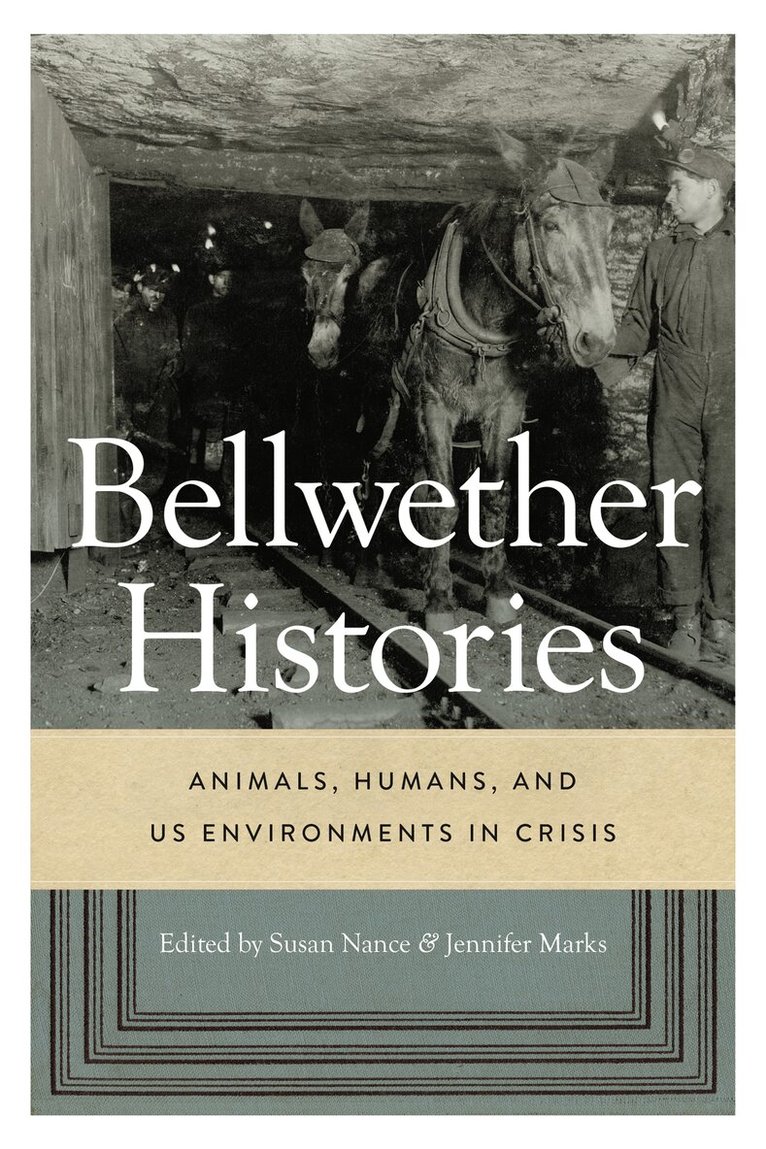
Explores ecological crises and extinctions that have shaped US historyA multispecies history of the globalized United States, Bellwether Histories reveals how animals have been ensnared in colonialism, capitalism, and environmental destruction as human decisions created and perpetuated untenable and unequal interspecies relationships. The collection's authors explore how people misunderstood or ignored animal crises precipitated by habitat destruction and population declines, sudden dependence on human aid, shifts from freedom to captivity, or subjection to overextended management systems.Chapters address a range of themes, including the links between antislavery and anti-animal-cruelty advocacy; how cattle, horse, and pig behavior shaped human life and technology; and the politics of caring for and trafficking wild animals. This volume interrogates the history of animal disposability and its ideological twin in US history, human exceptionalism—the anthropocentric myth that people could harm animals without harming themselves.Today's mass extinctions and ecological breakdowns ensure deadly zoonotic pandemics and global warming will harass us far into the future. Bellwether Histories looks back at how animals have been warning us of our collective fate and asks why they were so seldom heard.
444 kr
Skickas inom 7-10 vardagar
Explores ecological crises and extinctions that have shaped US historyA multispecies history of the globalized United States, Bellwether Histories reveals how animals have been ensnared in colonialism, capitalism, and environmental destruction as human decisions created and perpetuated untenable and unequal interspecies relationships. The collection's authors explore how people misunderstood or ignored animal crises precipitated by habitat destruction and population declines, sudden dependence on human aid, shifts from freedom to captivity, or subjection to overextended management systems.Chapters address a range of themes, including the links between antislavery and anti-animal-cruelty advocacy; how cattle, horse, and pig behavior shaped human life and technology; and the politics of caring for and trafficking wild animals. This volume interrogates the history of animal disposability and its ideological twin in US history, human exceptionalism—the anthropocentric myth that people could harm animals without harming themselves.Today's mass extinctions and ecological breakdowns ensure deadly zoonotic pandemics and global warming will harass us far into the future. Bellwether Histories looks back at how animals have been warning us of our collective fate and asks why they were so seldom heard.
405 kr
Skickas inom 10-15 vardagar
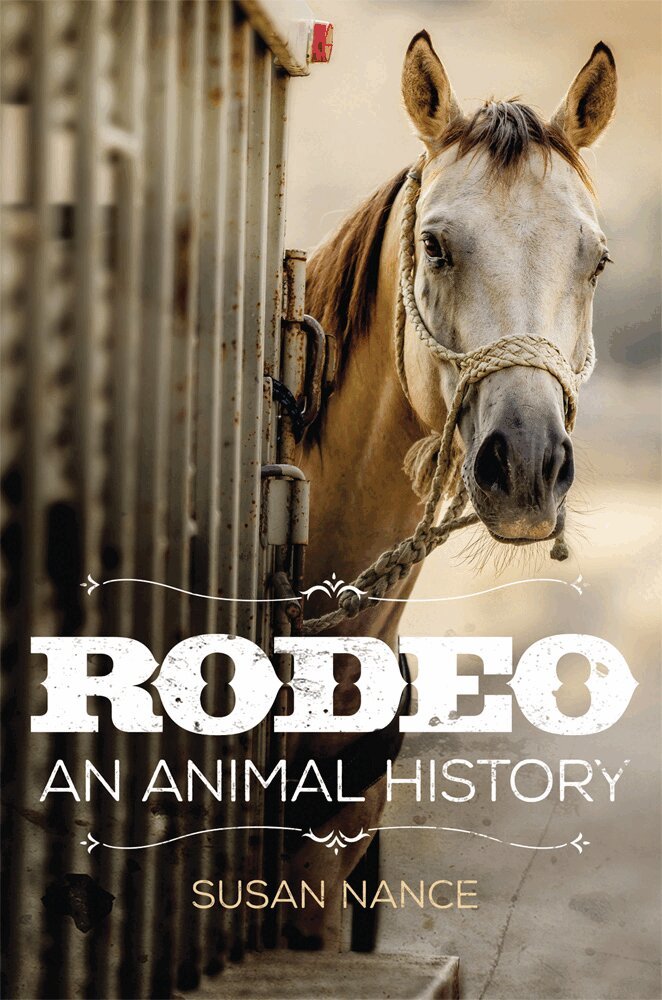
What would rodeo look like if we took it as a record, not of human triumph and resilience, but of human imperfection and stubbornness?"" asks animal historian Susan Nance. Against the backdrop of the larger histories of ranching, cattle, horses, and the environment in the West, this book explores how the evolution of rodeo has reflected rural western beliefs and assumptions about the natural world that have led to environmental crises and served the beef empire. By unearthing behind-the-scenes stories of rodeo animals as diverse individuals, this book lays bare contradictions within rodeo and the rural West.For almost 150 years, westerners have used rodeo to symbolically reenact their struggles with animals and the land as uniformly progressive and triumphant. Nance upends that view with accounts of individual animals that reveal how diligently rodeo people have worked to make livestock into surrogates for the trials of rural life in the West and the violence in its history. Western horses and cattle were more than just props. Rodeo reclaims their lived history through compelling stories of anonymous roping steers and calves who inspired reform of the sport, such as the famed but abused bucker Steamboat, and the many broncs and bulls, famous or not, who unknowingly built an industry.Rodeo is a dangerous sport that reveals many westerners as people proudly tolerant of risk and violence, and ready to impose these values on livestock. In Rodeo: An Animal History, Nance pushes past standard histories and the sport's publicity to show how rodeo was shot through with stubbornness and human failing as much as fortitude and community spirit.
268 kr
Skickas inom 10-15 vardagar
"What would rodeo look like if we took it as a record, not of human triumph and resilience, but of human imperfection and stubbornness?” asks animal historian Susan Nance. Against the backdrop of the larger histories of ranching, cattle, horses, and the environment in the West, this book explores how the evolution of rodeo has reflected rural western beliefs and assumptions about the natural world that have led to environmental crises and served the beef empire. By unearthing behind-the-scenes stories of rodeo animals as diverse individuals, this book lays bare contradictions within rodeo and the rural West.For almost 150 years, westerners have used rodeo to symbolically reenact their struggles with animals and the land as uniformly progressive and triumphant. Nance upends that view with accounts of individual animals that reveal how diligently rodeo people have worked to make livestock into surrogates for the trials of rural life in the West and the violence in its history. Western horses and cattle were more than just props. Rodeo reclaims their lived history through compelling stories of anonymous roping steers and calves who inspired reform of the sport, such as the famed but abused bucker Steamboat, and the many broncs and bulls, famous or not, who unknowingly built an industry.Rodeo is a dangerous sport that reveals many westerners as people proudly tolerant of risk and violence, and ready to impose these values on livestock. In Rodeo: An Animal History, Nance pushes past standard histories and the sport’s publicity to show how rodeo was shot through with stubbornness and human failing as much as fortitude and community spirit.
427 kr
Skickas inom 7-10 vardagar
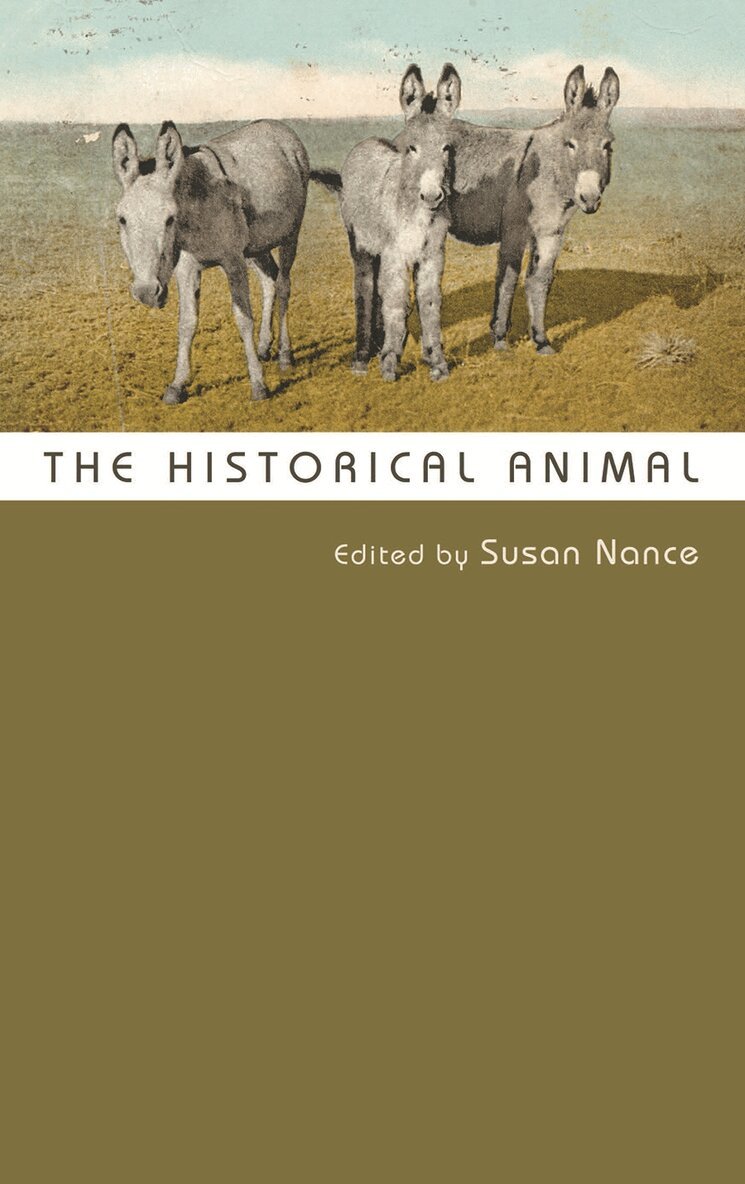
The conventional history of animals could be more accurately described as the history of human ideas about animals. Only in the last few decades have scholars from a wide variety of disciplines attempted to document the lives of historical animals in ways that recognize their agency as sentient beings with complex intelligence. This collection advances the field further, inviting us to examine our recorded history through an animal-centric lens to discover how animals have altered the course of our collective past.The seventeen scholars gathered here present case studies from the Pacific Ocean, Africa, Europe, and the Americas, involving species ranging from gorillas and horses to salamanders and orcas. Together they seek out new methodologies, questions, and stories that challenge accepted historical assumptions and structures. Drawing upon environmental, social, and political history, the contributors employ research from such wide-ranging fields as philosophy and veterinary medicine, embracing a radical interdisciplinarity that is crucial to understanding our nonhuman past.Grounded in the knowledge that there has never been a purely human time in world history, this collection asks and answers an incredibly urgent question for historians and others interested in the nonhuman past: in an age of mass extinctions, mass animal captivity, and climate change, when we know much of what animals have done in the past, which of our activities will we want to change in the future?
721 kr
Skickas inom 10-15 vardagar
The conventional history of animals could be more accurately described as the history of human ideas about animals. Only in the last few decades have scholars from a wide variety of disciplines attempted to document the lives of historical animals in ways that recognize their agency as sentient beings with complex intelligence. This collection advances the field further, inviting us to examine our recorded history through an animal-centric lens to discover how animals have altered the course of our collective past.The seventeen scholars gathered here present case studies from the Pacific Ocean, Africa, Europe, and the Americas, involving species ranging from gorillas and horses to salamanders and orcas. Together they seek out new methodologies, questions, and stories that challenge accepted historical assumptions and structures. Drawing upon environmental, social, and political history, the contributors employ research from such wide-ranging fields as philosophy and veterinary medicine, embracing a radical interdisciplinarity that is crucial to understanding our nonhuman past.Grounded in the knowledge that there has never been a purely human time in world history, this collection asks and answers an incredibly urgent question for historians and others interested in the nonhuman past: in an age of mass extinctions, mass animal captivity, and climate change, when we know much of what animals have done in the past, which of our activities will we want to change in the future?
588 kr
Skickas inom 10-15 vardagar
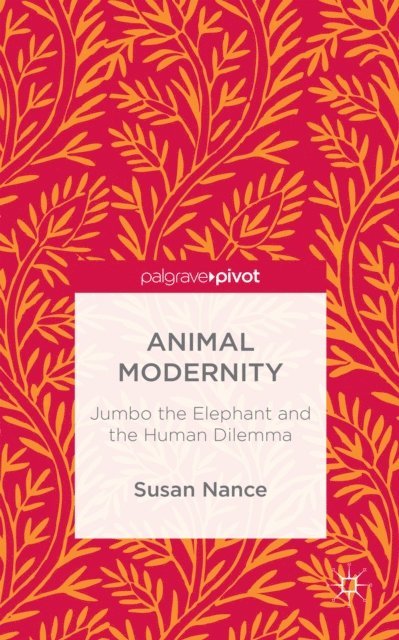
The case of Jumbo exposed the 'human dilemma' of modern living, wherein people celebrated individual animals to cope or distract themselves from the wholesale slaughter of animals required by modern consumerism.
663 kr
Skickas inom 11-20 vardagar
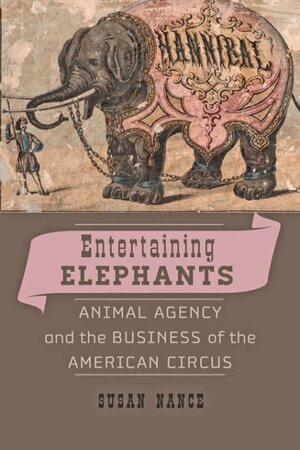
Consider the career of an enduring if controversial icon of American entertainment: the genial circus elephant. In "Entertaining Elephants" Susan Nance examines elephant behavior - drawing on the scientific literature of animal cognition, learning, and communications - to offer a study of elephants as actors (rather than objects) in American circus entertainment between 1800 and 1940. By developing a deeper understanding of animal behavior, Nance asserts, we can more fully explain the common history of all species. "Entertaining Elephants" is the first account that uses research on animal welfare, health, and cognition to interpret the historical record, examining how both circus people and elephants struggled behind the scenes to meet the profit necessities of the entertainment business. The book does not claim that elephants understood, endorsed, or resisted the world of show business as a human cultural or business practice, but it does speak of elephants rejecting the conditions of their experience. They lived in a kind of parallel reality in the circus, one that was defined by their interactions with people, other elephants, horses, bull hooks, hay, and the weather.Nance's study informs and complicates contemporary debates over human interactions with animals in entertainment and beyond, questioning the idea of human control over animals and people's claims to speak for them. As sentient beings, these elephants exercised agency, but they had no way of understanding the human cultures that created their captivity, and they obviously had no claim on (human) social and political power. They often lived lives of apparent desperation.
488 kr
Skickas inom 10-15 vardagar
Americans have always shown a fascination with the people, customs, and legends of the ""East""--witness the popularity of the stories of the Arabian Nights, the performances of Arab belly dancers and acrobats, the feats of turban-wearing vaudeville magicians, and even the antics of fez-topped Shriners. In this captivating volume, Susan Nance provides a social and cultural history of this highly popular genre of Easternized performance in America up to the Great Depression. According to Nance, these traditions reveal how a broad spectrum of Americans, including recent immigrants and impersonators, behaved as producers and consumers in a rapidly developing capitalist economy. In admiration of the Arabian Nights, people creatively reenacted Eastern life, but these performances were also demonstrations of Americans' own identities, Nance argues. The story of Aladdin, made suddenly rich by rubbing an old lamp, stood as a particularly apt metaphor for how consumer capitalism might benefit each person. The leisure, abundance, and contentment that many imagined were typical of Eastern life were the same characteristics used to define ""the American dream.""The recent success of Disney's Aladdin movies suggests that many Americans still welcome an interpretation of the East as a site of incredible riches, romance, and happy endings. This abundantly illustrated account is the first by a historian to explain why and how so many Americans sought out such cultural engagement with the Eastern world long before geopolitical concerns became paramount.
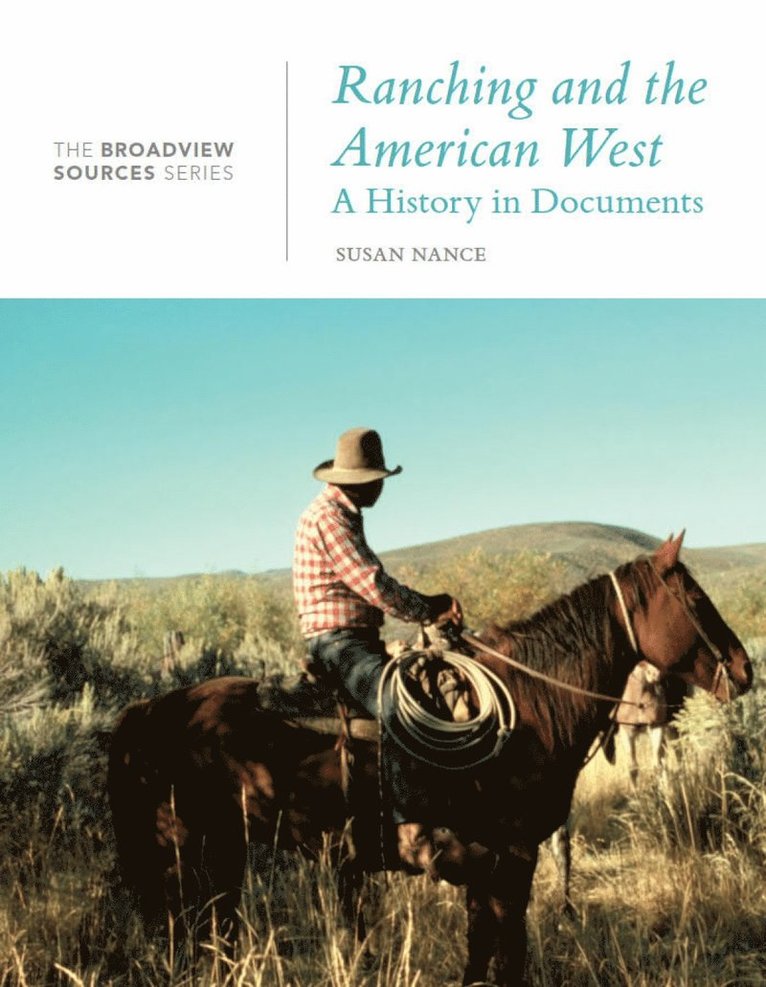
Ranching and the American West: A History in Documents
The Broadview Source Series
Häftad, Engelska, 2021
396 kr
Skickas