Susan Neal Mayberry - Böcker
Visar alla böcker från författaren Susan Neal Mayberry. Handla med fri frakt och snabb leverans.
3 produkter
3 produkter
394 kr
Kommande
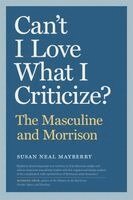
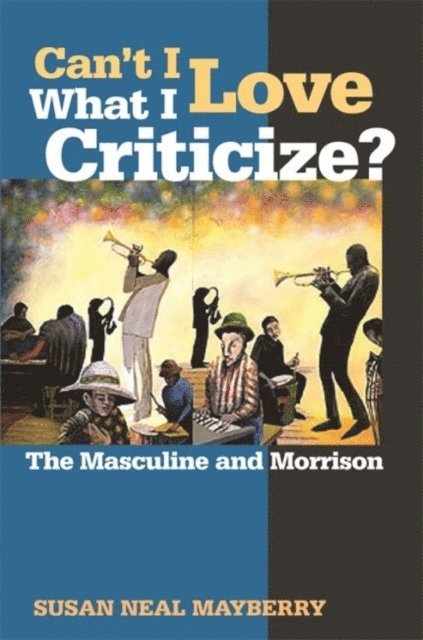
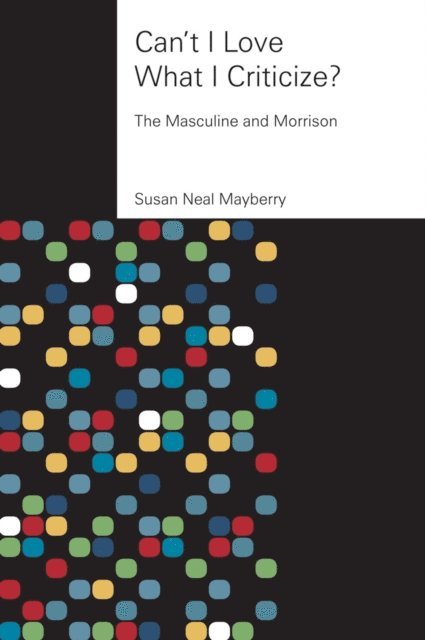
Taking a close look at all the key male figures in Toni Morrison’s eight novels, this book explores Morrison’s admitted, but critically neglected, interest in the relationships between African American men and women and the “axes” on which these relationships turn. Most Morrison scholarship deals with her female characters. Can’t I Love What I Criticize? offers a response to this imbalance and to Morrison’s call for more work on men, who remain, in her words, “outside of that little community value thing.”The book also considers the barriers between black men and women thrown up by their participation in a larger, historically racist culture of competition, ownership, sexual repression, and fixed ideals about physical beauty and romantic love. Black women, Morrison says, bear their crosses “extremely well,” and black men, although they have been routinely emasculated by “white men, period,” have managed to maintain a feisty “magic” that everybody wants but nobody else has.Understanding Morrison’s treatment of her male characters, says Susan Mayberry, becomes crucial to grasping her success in “countering the damage done by a spectrum of sometimes misguided isms”—including white American feminism. Morrison’s version of masculinity suggests that black men have “successfully retained their special vitality in spite of white male resistance” and that “their connections to black women have saved their lives.” To single out her men is not to negate the preeminence of her women; rather, it is to recognize the interconnectedness and balance between them.
1 156 kr
Skickas inom 7-10 vardagar
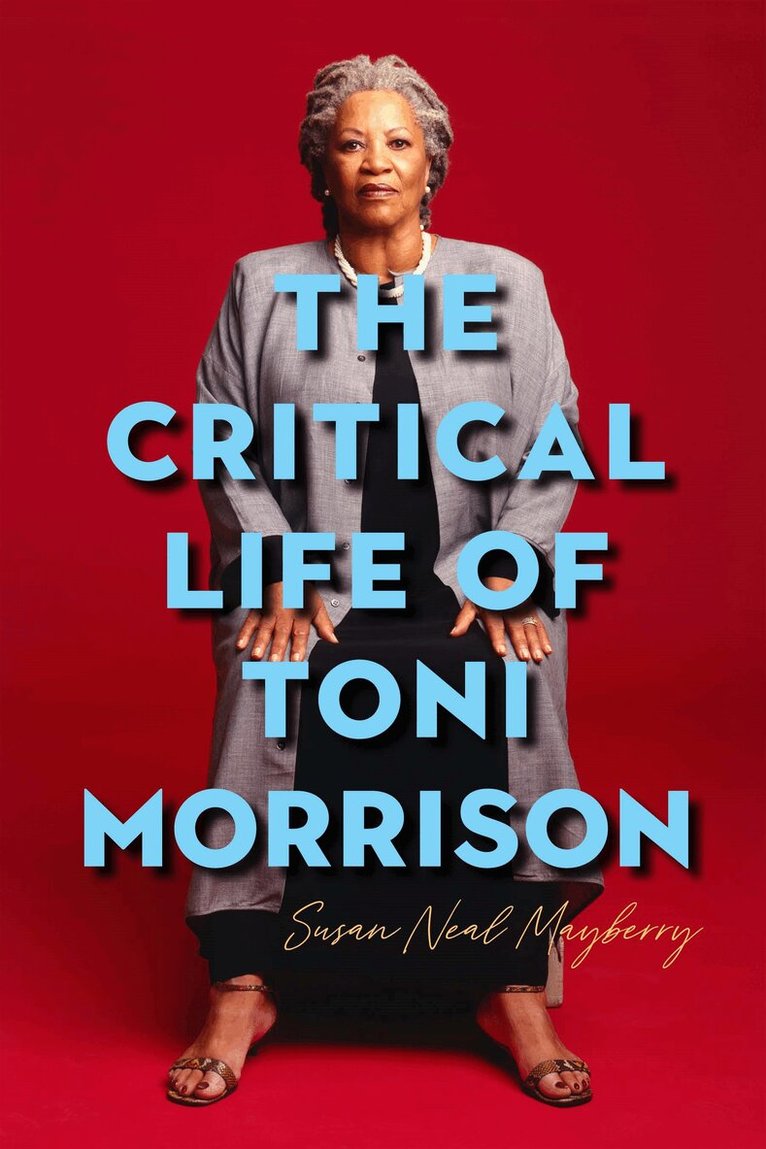
The first book to trace the critical reception of the great African American woman writer, attending not only to her fiction but to her nonfiction and critical writings.Winner of the Toni Morrison Society Book Prize for Best Single-Authored Book, 2019-2022Toni Morrison (1931-2019) is the most important American novelist since Faulkner, the most significant American woman writer since Dickinson, and the most widely read African American public intellectual of the last half century. Her influence as a writer, critic, editor, teacher, and scholar is profound: she changed the face of literature and literary criticism in the US, if not worldwide. Yet despite the ever-expanding field of Morrison scholarship, no book tracing her critical reception has existed, until now. The book is as much a cultural history of America as a reception history of an American writer.Morrison worked brilliantly in many genres - fiction, of course (novels and short stories); drama/staged performance; poetry; non-fiction on historical, social, and political issues; and critical writings on the work of others and on her own work. She generated a literary-critical methodology that recognizes and embraces rather than ignores the African American presence in US literature, and thus transformed American academics' attitude toward American letters. The story of Morrison's achievement in making a home for herself - and for other women and people of color - in the stony bedrock of "white male" American literature is the subject of this book.
383 kr
Skickas inom 7-10 vardagar
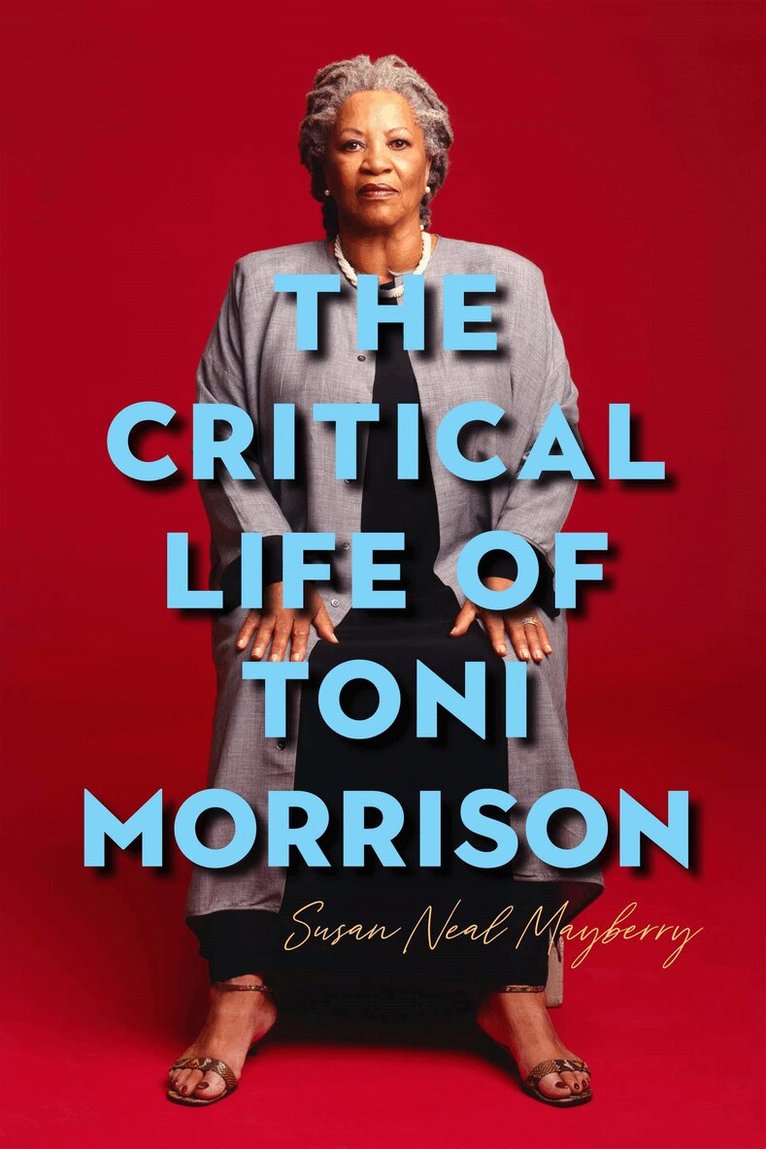
The first book to trace the critical reception of the great African American woman writer, attending not only to her fiction but to her nonfiction and critical writings.Winner of the Toni Morrison Society Book Prize for Best Single-Authored Book, 2019-2022Toni Morrison (1931-2019) is the most important American novelist since Faulkner, the most significant American woman writer since Dickinson, and the most widely read African American public intellectual of the last half century. Her influence as a writer, critic, editor, teacher, and scholar is profound: she changed the face of literature and literary criticism in the US, if not worldwide. Yet despite the ever-expanding field of Morrison scholarship, no book tracing her critical reception has existed, until now. The book is as much a cultural history of America as a reception history of an American writer.Morrison worked brilliantly in many genres - fiction, of course (novels and short stories); drama/staged performance; poetry; non-fiction on historical, social, and political issues; and critical writings on the work of others and on her own work. She generated a literary-critical methodology that recognizes and embraces rather than ignores the African American presence in US literature, and thus transformed American academics' attitude toward American letters. The story of Morrison's achievement in making a home for herself - and for other women and people of color - in the stony bedrock of "white male" American literature is the subject of this book.