Susanna Hornig Priest - Böcker
Visar alla böcker från författaren Susanna Hornig Priest. Handla med fri frakt och snabb leverans.
4 produkter
4 produkter
515 kr
Skickas inom 10-15 vardagar
A Grain of Truth debunks the myth that growing public distrust of genetically modified organisms can be attributed to scientific illiteracy or sensationalistic news stories. Media coverage of these issues has been dominated by the spokespersons of industry_yet evidence of consumer uncertainty has been available all along. The roots of the controversy are visible in press coverage and public opinion polls over the past decade, covering everything from the manufacture of growth hormones used in dairy cows through the cloning of Dolly the sheep to the appearance of the so-called 'terminator gene.' Arguing neither for nor against genetic engineering and other forms of biotechnology, this book charges both media and industry with ignoring the concerns of the general public and encourages greater public debate over biotech and other such complex issues.
671 kr
Skickas inom 5-8 vardagar
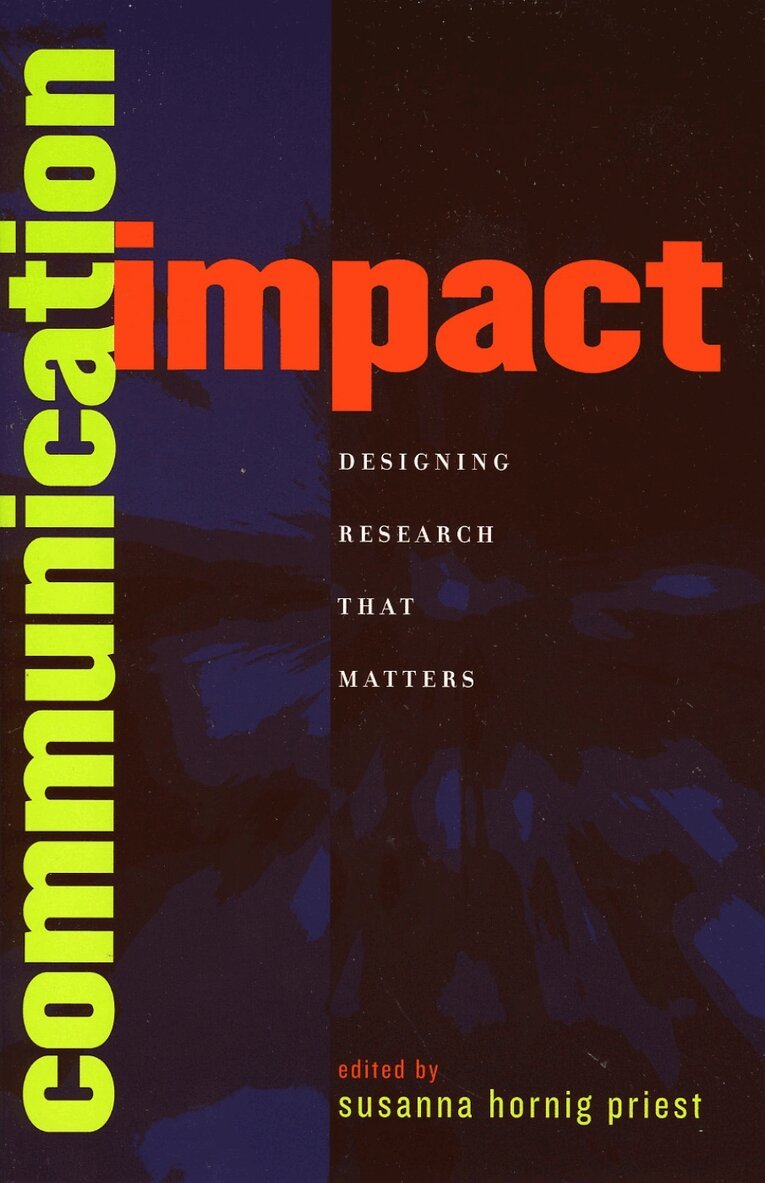
Designed as an alternative stand-alone text or supplement to conventional research methods texts, Communication Impact introduces methods through engaging narrative descriptions of actual research projects driven by contemporary real-world questions. The featured case studies demonstrate three important points: 1) Doing communication research is an active, creative process; 2) Actual research projects are very different_and much more exciting_than typical textbook cases; and 3) Communication research generates knowledge that can make a difference to the world. Each chapter addresses a different method, including community-based research, research on organizations and institutions, problem-focused research, cross-cultural research, and research on new technologies.
1 759 kr
Skickas inom 10-15 vardagar
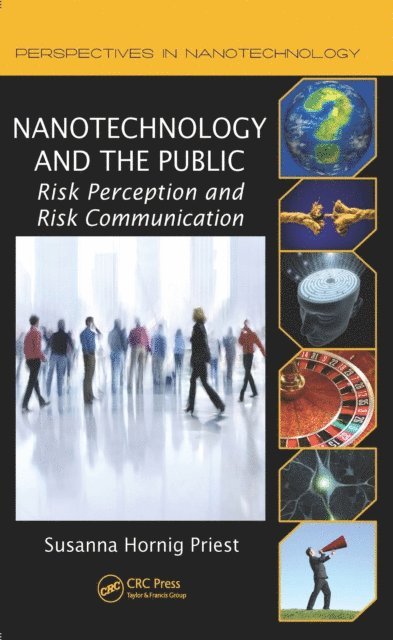
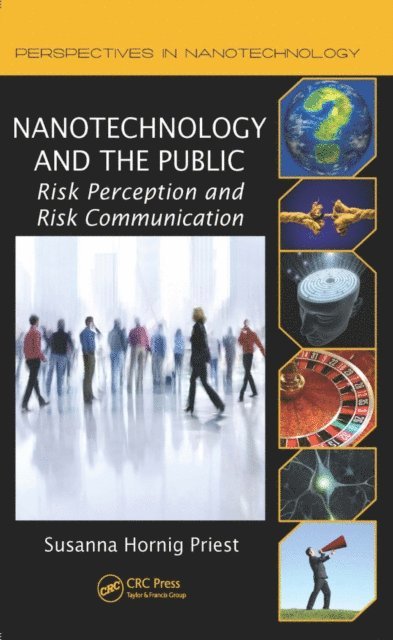
From nuclear power to gene therapy to the automobile, history shows that it is useful to encourage and facilitate public discussion about new technologies and their potential dangers. Part of the series Perspectives in Nanotechnology, Nanotechnology and the Public: Risk Perception and Risk Communication assesses results from focus groups, interviews, and other resources to provide a more nuanced understanding of how non-experts perceive nanotechnology and what they expect from it. Includes a series of special essays by social scientists and humanities scholars who have studied nanotechnology and society from different perspectivesAssessing how "ordinary" people form opinions about new technologies and their adoption, this book addresses the role of media messages and pre-existing values in this process, as well as how risks can become either amplified or weakened along the way as a result of social mechanisms. Using solid theory and research to back presented concepts on risk perception and communication, the author discusses the potential for using informed consent, labels, and other types of consumer warnings that have proved to be effective in areas other than nano. An in-depth investigation into the concept of mass communication practices, this book explores the paradox of why, despite its appeal and promise, public engagement has had only limited success in the dialogue on nanotechnology. Aimed at finding solutions, the book‘s resulting conclusions are considered in the context of broader issues. These include how society makes up its collective mind about technology adoption and all the profound questions this raises, in terms of democratic theory.
533 kr
Skickas inom 10-15 vardagar
From nuclear power to gene therapy to the automobile, history shows that it is useful to encourage and facilitate public discussion about new technologies and their potential dangers. Part of the series Perspectives in Nanotechnology, Nanotechnology and the Public: Risk Perception and Risk Communication assesses results from focus groups, interviews, and other resources to provide a more nuanced understanding of how non-experts perceive nanotechnology and what they expect from it. Includes a series of special essays by social scientists and humanities scholars who have studied nanotechnology and society from different perspectivesAssessing how "ordinary" people form opinions about new technologies and their adoption, this book addresses the role of media messages and pre-existing values in this process, as well as how risks can become either amplified or weakened along the way as a result of social mechanisms. Using solid theory and research to back presented concepts on risk perception and communication, the author discusses the potential for using informed consent, labels, and other types of consumer warnings that have proved to be effective in areas other than nano.An in-depth investigation into the concept of mass communication practices, this book explores the paradox of why, despite its appeal and promise, public engagement has had only limited success in the dialogue on nanotechnology. Aimed at finding solutions, the book’s resulting conclusions are considered in the context of broader issues. These include how society makes up its collective mind about technology adoption and all the profound questions this raises, in terms of democratic theory.