Susanne Lachenicht - Böcker
Visar alla böcker från författaren Susanne Lachenicht. Handla med fri frakt och snabb leverans.
7 produkter
7 produkter
649 kr
Skickas inom 10-15 vardagar
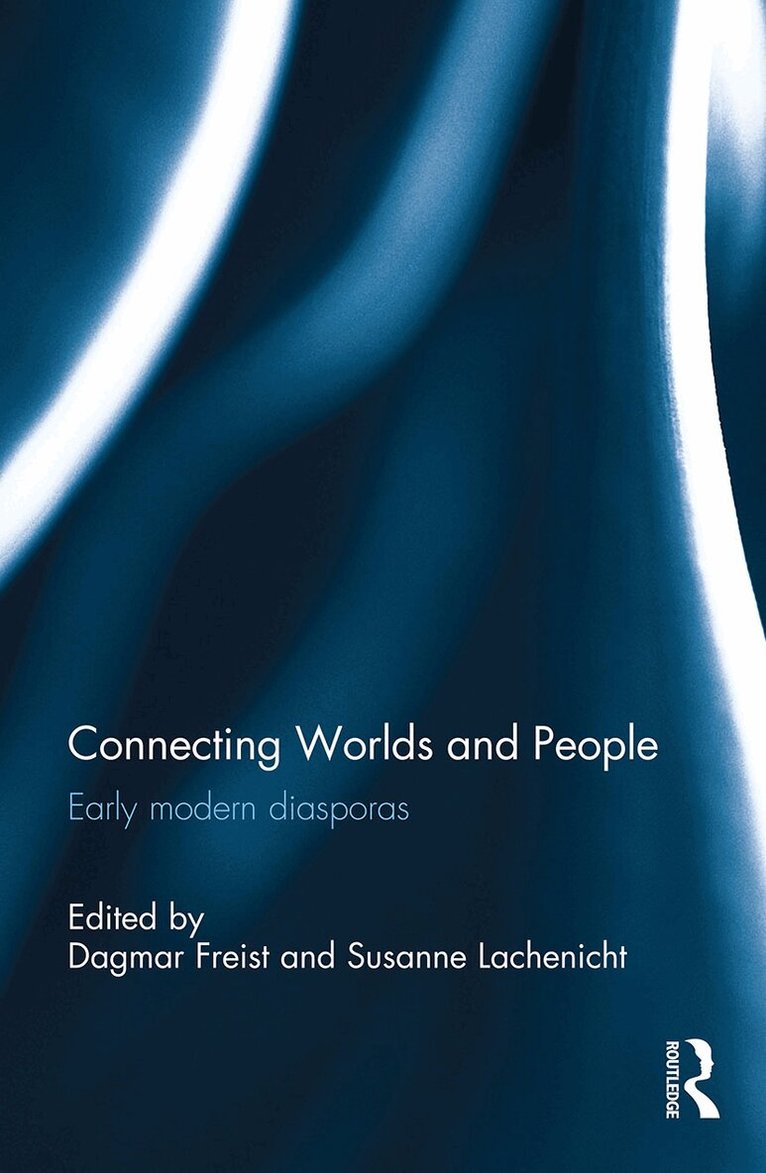
In recent decades historians have emphasized just how dynamic and varied early modern Europe was. Previously held notions of monolithic and static societies have now been replaced with a model in which new ideas, different cultures and communities jostle for attention and influence. Building upon the concept of interaction, the essays in this volume develop and explore the idea with specific reference to the ways in which diasporas could act as translocal societies, connecting worlds and peoples that may not otherwise have been linked. The volume looks at the ways in which diasporas or diasporic groups, such as the Herrnhuters, the Huguenots, the Quakers, Jews, the Mennonites, the Moriscos and others, could function as intermediaries to connect otherwise separated communities and societies. All contributors analyse the respective groups’ internal and external networks, social relations and the settings of social interactions, looking at the entangled networks of diaspora communities and their effects upon the societies and regions they linked through those networks. The collection takes a fresh look at early modern diasporas, combining religious, cultural, social and economic history to better understand how early modern communication patterns and markets evolved, how consumption patterns changed and what this meant for social, economic and cultural change, how this impacted on what we understand as early developments towards globalization, and how early developments towards globalization, in turn, were constitutive of these.
2 288 kr
Skickas inom 10-15 vardagar
In recent decades historians have emphasized just how dynamic and varied early modern Europe was. Previously held notions of monolithic and static societies have now been replaced with a model in which new ideas, different cultures and communities jostle for attention and influence. Building upon the concept of interaction, the essays in this volume develop and explore the idea with specific reference to the ways in which diasporas could act as translocal societies, connecting worlds and peoples that may not otherwise have been linked. The volume looks at the ways in which diasporas or diasporic groups, such as the Herrnhuters, the Huguenots, the Quakers, Jews, the Mennonites, the Moriscos and others, could function as intermediaries to connect otherwise separated communities and societies. All contributors analyse the respective groups’ internal and external networks, social relations and the settings of social interactions, looking at the entangled networks of diaspora communities and their effects upon the societies and regions they linked through those networks. The collection takes a fresh look at early modern diasporas, combining religious, cultural, social and economic history to better understand how early modern communication patterns and markets evolved, how consumption patterns changed and what this meant for social, economic and cultural change, how this impacted on what we understand as early developments towards globalization, and how early developments towards globalization, in turn, were constitutive of these.
1 235 kr
Skickas inom 5-8 vardagar
Is the Atlantic World in a state of crisis? At a time when many political observers perceive indeed a crisis in transatlantic relations, critical evaluation of past narratives and frameworks in Transatlantic Relations and Atlantic History alike become crucial. This volume provides an academic foundation to critically assess the Atlantic World and to rethink transatlantic relations in a transnational and global perspective.The TransAtlantic reconsidered brings together leading experts such as Harvard historians Charles S. Maier and Bernard Bailyn and former ERC scientific board member Nicholas Canny. All the scholars represented in this volume have helped to shape, re-shape, and challenge the narrative(s) of the Atlantic World and can thus (re-)evaluate its conceptual basis in view of historiographical developments and contemporary challenges.
354 kr
Skickas inom 5-8 vardagar
Is the Atlantic World in a state of crisis? At a time when many political observers perceive indeed a crisis in transatlantic relations, critical evaluation of past narratives and frameworks in Transatlantic Relations and Atlantic History alike become crucial. This volume provides an academic foundation to critically assess the Atlantic World and to rethink transatlantic relations in a transnational and global perspective.The TransAtlantic reconsidered brings together leading experts such as Harvard historians Charles S. Maier and Bernard Bailyn and former ERC scientific board member Nicholas Canny. All the scholars represented in this volume have helped to shape, re-shape, and challenge the narrative(s) of the Atlantic World and can thus (re-)evaluate its conceptual basis in view of historiographical developments and contemporary challenges.
2 189 kr
Skickas inom 7-10 vardagar
391 kr
Tillfälligt slut
Historical work on the late nineteenth and early twentieth centuries suggests that as nation-states were solidifying throughout Western Europe, exiled groups tended to develop rival national identities - an occurrence that had been fairly uncommon in the two preceding centuries. "Diaspora Identities" draws on eight case studies, ranging from the early modern period through the twentieth century, to explore the interconnectedness of exile, nationalism, and cosmopolitanism as concepts, ideals, attitudes, and strategies among diasporic groups.
504 kr
Tillfälligt slut
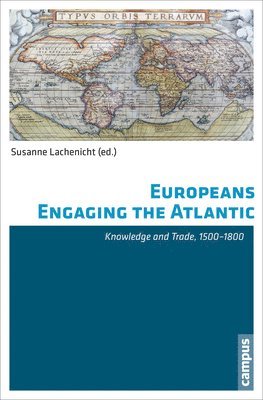
Europeans Engaging the Atlantic offers innovative perspectives on historical European knowledge concerning the "New World" and also on trade and commerce with it. In so doing, it enhances our understanding of how, when, and why early modern Europeans made sense of the Atlantic world, and how they tried to connect with Atlantic trade and commerce. Featuring case studies that discuss these issues from the sixteenth to the eighteenth centuries, this volume explores both the degree to which the Atlantic was (or was not) part of the European worldview-or just one part of a worldview with many centers of interest-and how European engagement with the Atlantic world evolved.