Suvir Kaul - Böcker
Visar alla böcker från författaren Suvir Kaul. Handla med fri frakt och snabb leverans.
7 produkter
7 produkter
651 kr
Skickas inom 3-6 vardagar
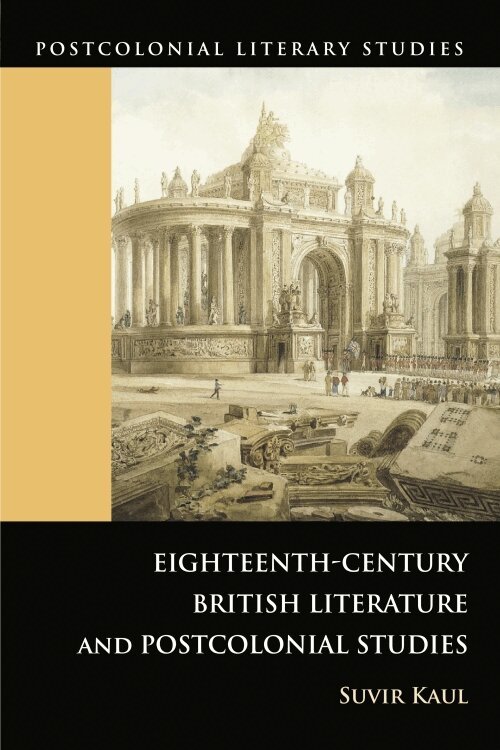
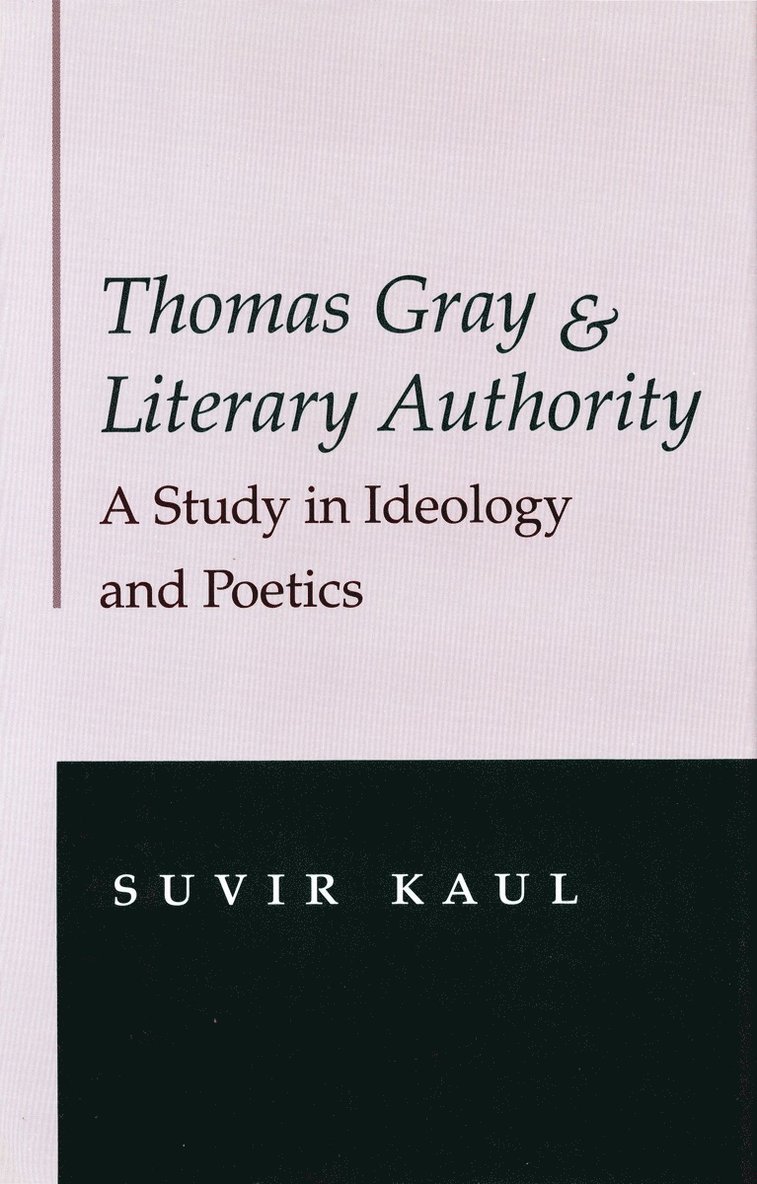
This book convincingly challenges both the extremely short historical memory of most postcolonial work and the all-too-insularly English world still conjured by period specialists. Hogarthian whores and Grub Street hacks, coffee houses and fashionable pastimes, and the burgeoning of print culture all stand revealed as intimately bound to portents of plantation insurgency, agitation for abolition, and the vast fortunes produced by the labouring bodies of the poor, the colonized, and the enslaved. Eighteenth-century studies has never appeared in a more engaged and fascinating light.'Professor Donna Landry, University of KentIn this volume Suvir Kaul addresses the relations between literary culture, English commercial and colonial expansion, and the making of 'Great Britain' in the late seventeenth and eighteenth centuries. He argues that literary writing played a crucial role in generating the vocabulary of British nationalism, both in inter-national terms and in attempts to realign political and cultural relations between England, Scotland, and Ireland. The formal innovations and practices characteristic of eighteenth-century English literature were often responses to the worlds brought into view by travel writers, merchants, and colonists. Writers (even those suspicious of mercantile and colonial expansion) worked with a growing sense of a 'national literature' whose achievements would provide the cultural capital adequate to global imperial power, and would distinguish Great Britain for its twin success in 'arms and arts'. The book ranges from Davenant’s theatre to Smollet’s Roderick Random to Phillis Wheatley’s poetry to trace the impact of empire on literary creativity.Key Features*An introduction to the impact of mercantilism and empire on the crafting of eighteenth-century British literature*Encourages students to examine the key formal innovations that define eighteenth-century British literary history as they were produced by writers who redefined
Poems of Nation, Anthems of Empire
English Verse in the Long Eighteenth Century
Häftad, Engelska, 2001
549 kr
Skickas inom 10-15 vardagar
This text argues that the aggressive nationalism of James Thomson's ode ""Rule, Britannia!"" (1740) is the condition to which much English poetry of the late 17th and 18th centuries aspires. Poets as varied a Marvell, Waller and Dryden, Defoe, Addison, John Dyer and Edward Young, to Goldsmith, Cowper, Hannah More and Anna Laetitia Barbauld, all wrote poems deeply engaged with the British-nation-in-the-making. These poets, and many others like them, recognized that the nation and its values and institutions were being defined by the expansion of overseas trade, naval and military control, plantations and colonies. Their poems both embodied and were concerned about the culture and ideology of ""Great Britain"" (itself an idea of the nation that developed alongside the formation of a British Empire). Poems in this period thus flaunt various images of poetic inspiration that show poetry and culture following triumphantly where mercantile and military ships sail. Or sometimes, more self-aggrandizingly for the poet, they enact the process by which the Muses use their powers to inspire and show the way. Even at their most hesitant, these poems were written as interventions into public discussion; their creativity is tied up with that desire to convince and persuade. Finally, as Kaul writes, it is their encyclopaedic desire to incorporate new experiences, visions and values that make these poems such fine guides to the world of poetry in the long years in which ""Great Britain"" was consolidated as an empire, at home and abroad.
697 kr
Skickas inom 3-6 vardagar
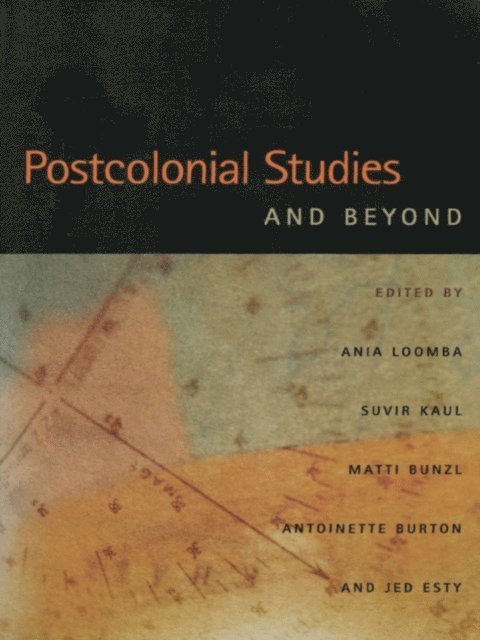
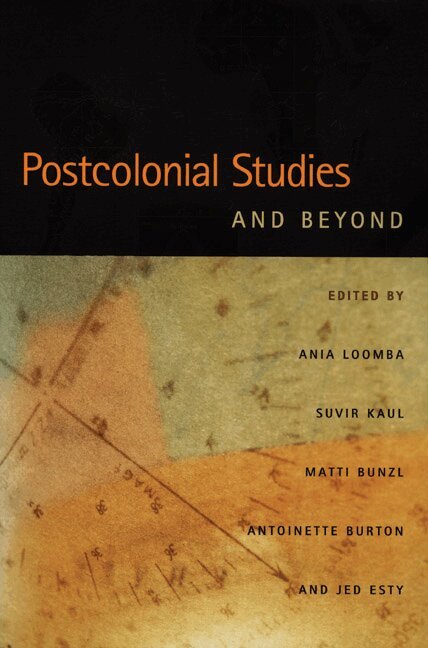
An interdisciplinary collection of essays designed to map out a wide-ranging and productive future for postcolonial studies, this volume assesses the current state of the field and points toward its most promising new developments. In addressing questions about the definition and relevance of postcolonial scholarship, many of the essays consider its relation to the study of globalization. While some contributors offer broad reflections on the existing two-way influence between postcolonial theory and established university disciplines such as literary criticism and history, others forge ahead into some vital, if nascent, areas for postcolonial research such as media studies, environmental studies, religious studies, and linguistic and semantic analysis.The contributors represent many of the fields altered by postcolonial studies over the past two decades, including literary studies, history, anthropology, Asian and African studies, and political science. They model diverse applications of postcolonial theory to Latin America, East Asia, the Middle East, and the United States. Postcolonial Studies and Beyond propels the field forward. It showcases scholars coming from intellectual precincts usually considered outside the purview of the postcolonial finding new ways to deploy classic techniques of postcolonial analysis, and scholars strongly associated with postcolonial studies offering substantial critiques designed to challenge the field’s most fundamental assumptions.Contributors. Tani E. Barlow, Ali Behdad, Daniel Boyarin, Timothy Brennan, Matti Bunzl, Antoinette Burton, Laura Chrisman, Jean Comaroff, Frederick Cooper, Vilashini Cooppan, Jed Esty, James Ferguson, Peter Hulme, Suvir Kaul, Neil Lazarus, Ania Loomba, Florencia E. Mallon, Nivedita Menon, Rob Nixon, Elizabeth A. Povinelli, David Scott, Ella Shohat, Kelwyn Sole, Robert Stam, Rebecca L. Stein
1 379 kr
Skickas inom 7-10 vardagar
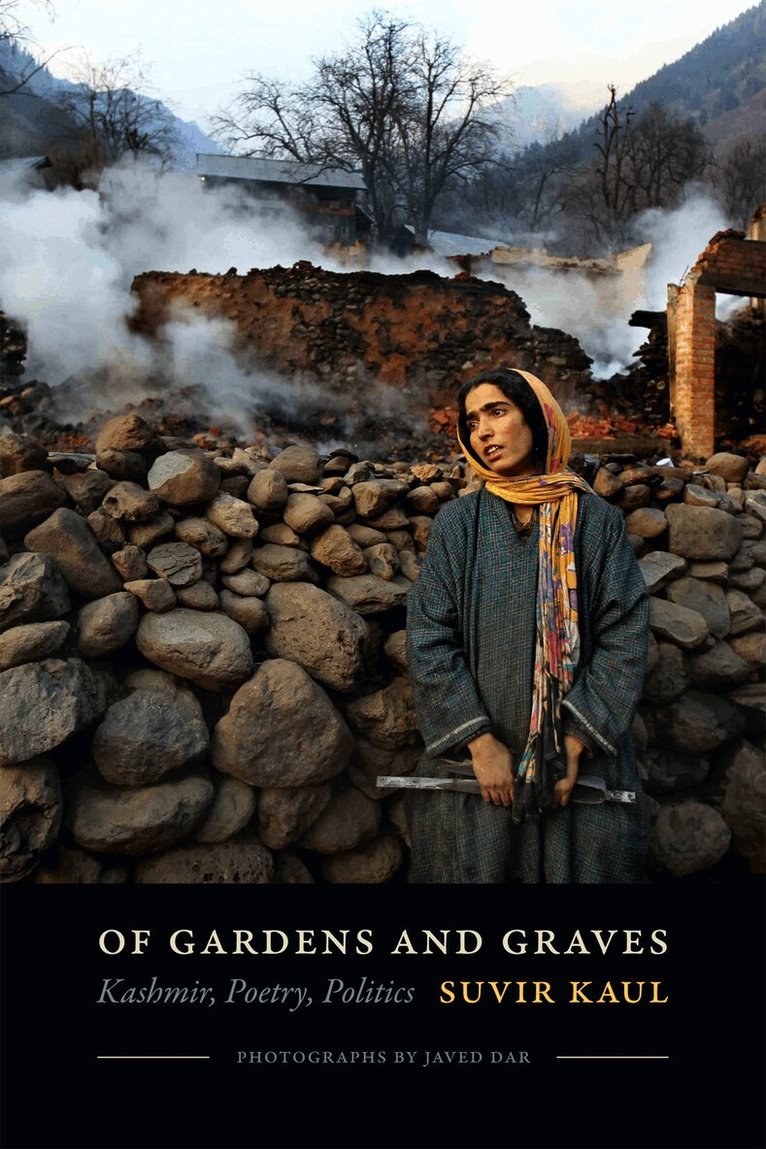
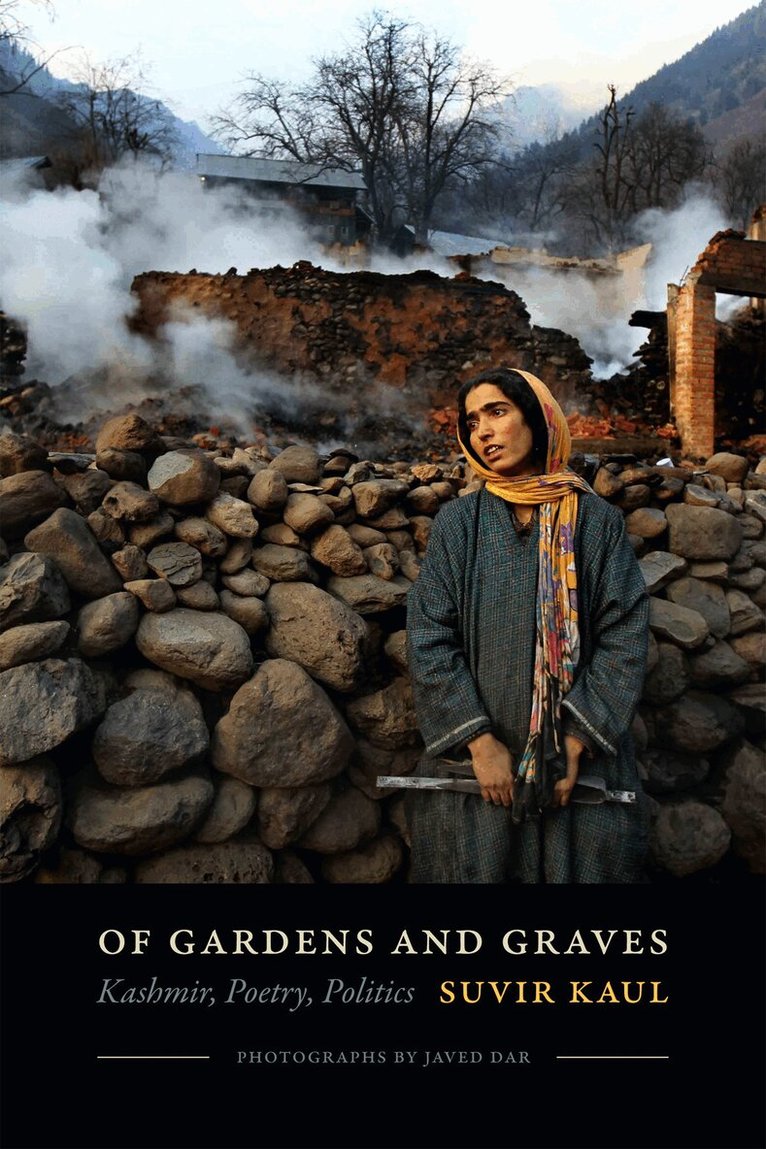
In Of Gardens and Graves Suvir Kaul examines the disruption of everyday life in Kashmir in the years following the region's pervasive militarization in 1990. Kaul's autobiographical and analytical essays, which were prompted by his yearly visits to Kashmir, are a combination of political analysis, literary criticism, memoir, and journalistic observation. In them he explores Kashmir's pre- and post-Partition history, the effects of militarization, state repression, the suspension of civil rights on Kashmiris, and the challenge Kashmir represents to the practice of democracy in India. The volume also features translations of Kashmiri poetry written in these years of conflict. These poems constitute an archive of heightened feelings and desires that affectively interrogate official accounts of Kashmir while telling us much about those who face extraordinary political turbulence and violence. Of Gardens and Graves also contains a photo essay by Javed Dar, whose photographs work together with Kaul's essays and the poems to represent the interweaving of ordinary life, civic strife, and spectacular violence in Kashmir.
419 kr
Skickas inom 7-10 vardagar
In Of Gardens and Graves Suvir Kaul examines the disruption of everyday life in Kashmir in the years following the region's pervasive militarization in 1990. Kaul's autobiographical and analytical essays, which were prompted by his yearly visits to Kashmir, are a combination of political analysis, literary criticism, memoir, and journalistic observation. In them he explores Kashmir's pre- and post-Partition history, the effects of militarization, state repression, the suspension of civil rights on Kashmiris, and the challenge Kashmir represents to the practice of democracy in India. The volume also features translations of Kashmiri poetry written in these years of conflict. These poems constitute an archive of heightened feelings and desires that affectively interrogate official accounts of Kashmir while telling us much about those who face extraordinary political turbulence and violence. Of Gardens and Graves also contains a photo essay by Javed Dar, whose photographs work together with Kaul's essays and the poems to represent the interweaving of ordinary life, civic strife, and spectacular violence in Kashmir.
3 637 kr
Skickas inom 10-15 vardagar
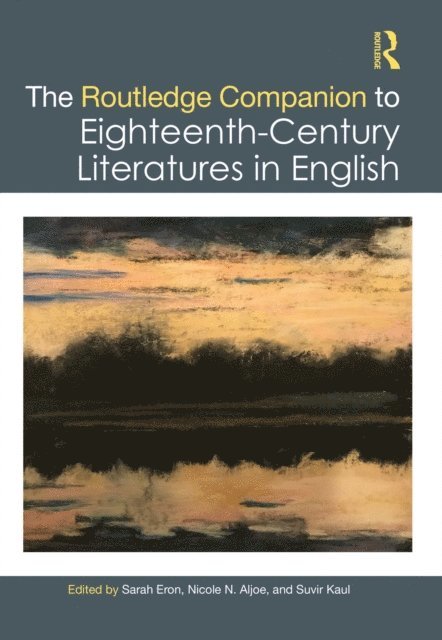
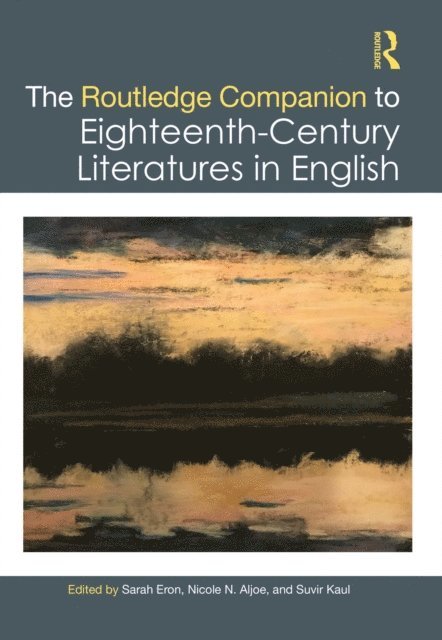
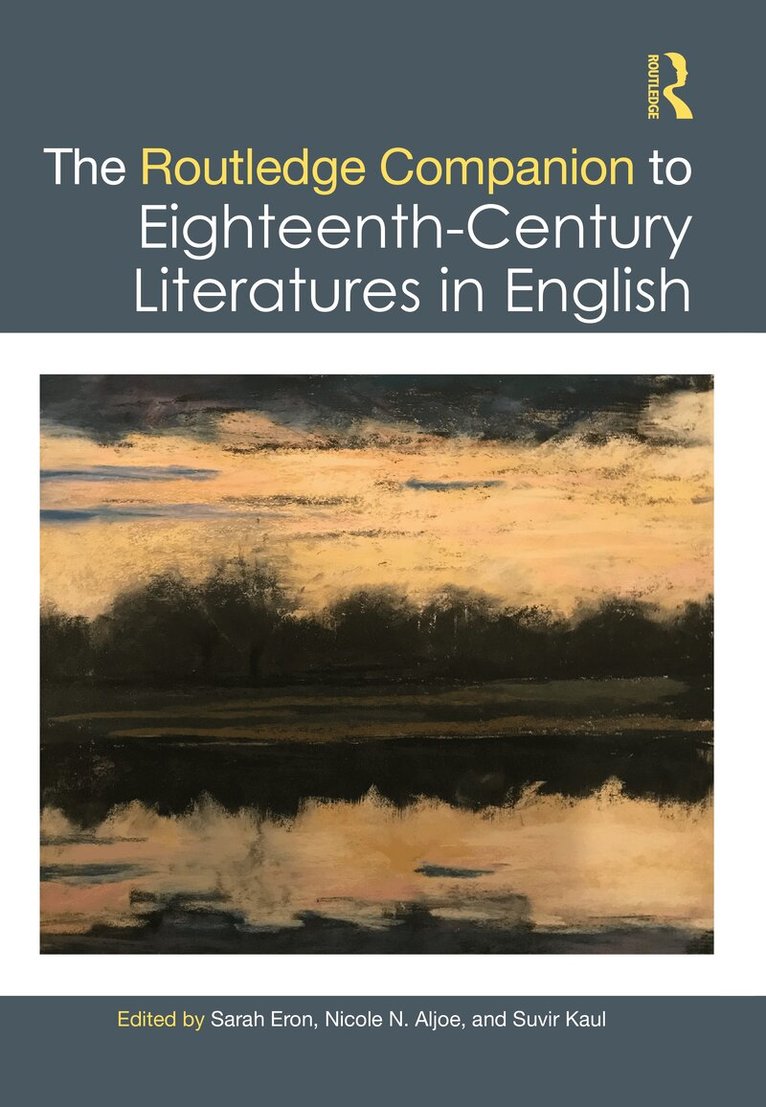
The Routledge Companion to Eighteenth-Century Literatures in English brings together essays that respond to consequential cultural and socio-economic changes that followed the expansion of the British Empire from the British Isles across the Atlantic. Scholars track the cumulative power of the slave trade, settlements and plantations, and the continual warfare that reshaped lives in the Americas, Africa, and Asia. Importantly, they also analyze the ways these histories reshaped class and social relations, scientific inquiry and invention, philosophies of personhood, and cultural and intellectual production. As European nations fought each other for territories and trade routes, dispossessing and enslaving Indigenous and Black people, the observations of travellers, naturalists, and colonists helped consolidate racism and racial differentiation, as well as the philosophical justifications of “civilizational” differences that became the hallmarks of intellectual life.Essays in this volume address key shifts in disciplinary practices even as they examine the past, looking forward to and modeling a rethinking of our scholarly and pedagogic practices. This volume is an essential text for academics, researchers, and students researching eighteenth-century literature, history, and culture.
803 kr
Skickas inom 10-15 vardagar
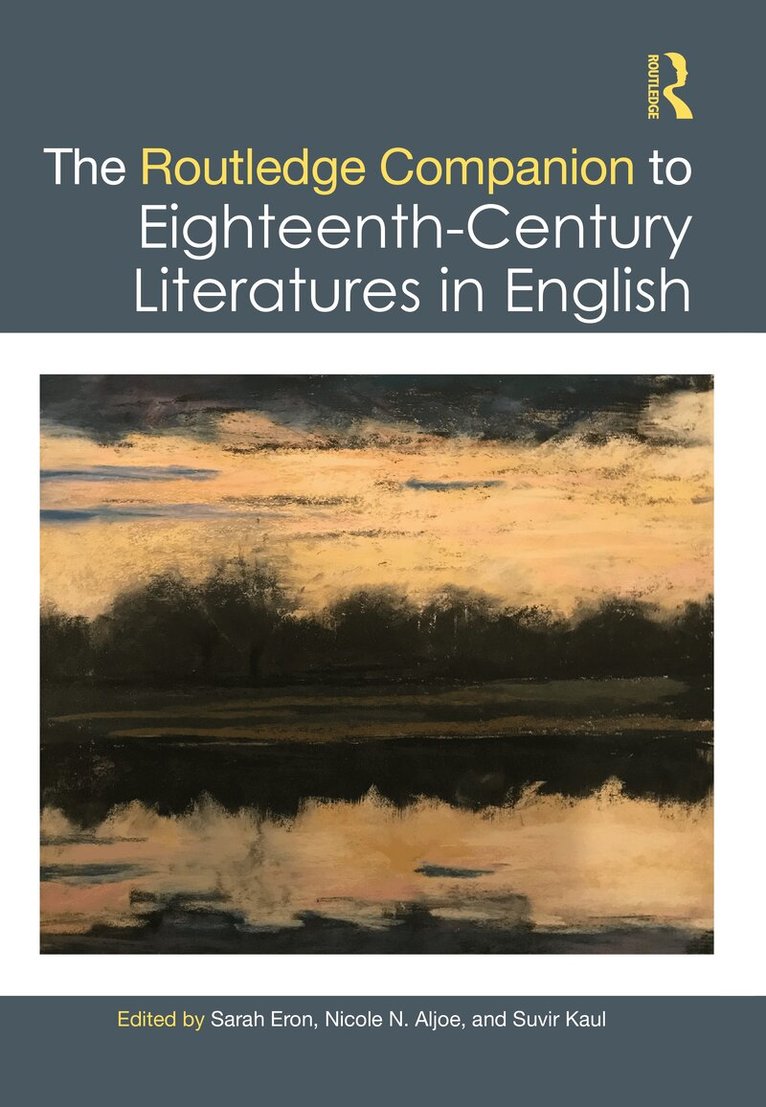
The Routledge Companion to Eighteenth-Century Literatures in English brings together essays that respond to consequential cultural and socio-economic changes that followed the expansion of the British Empire from the British Isles across the Atlantic. Scholars track the cumulative power of the slave trade, settlements and plantations, and the continual warfare that reshaped lives in the Americas, Africa, and Asia. Importantly, they also analyze the ways these histories reshaped class and social relations, scientific inquiry and invention, philosophies of personhood, and cultural and intellectual production. As European nations fought each other for territories and trade routes, dispossessing and enslaving Indigenous and Black people, the observations of travellers, naturalists, and colonists helped consolidate racism and racial differentiation, as well as the philosophical justifications of “civilizational” differences that became the hallmarks of intellectual life.Essays in this volume address key shifts in disciplinary practices even as they examine the past, looking forward to and modeling a rethinking of our scholarly and pedagogic practices. This volume is an essential text for academics, researchers, and students researching eighteenth-century literature, history, and culture.