Suzanne Cahill – författare
Visar alla böcker från författaren Suzanne Cahill. Handla med fri frakt och snabb leverans.
8 produkter
Lloyd Cotsen Study Collection of Chinese Bronze Mirrors
Av Susan Cahill, Lothar Von Falkenhausen m. fl.
Inbunden, 2012
3936 kr
Lägg i varukorg
The Lloyd Cotsen Study Collection of Chinese Bronze Mirrors is a co-publication of the Cotsen Occasional Press and the Cotsen Institute of Archaeology Press.
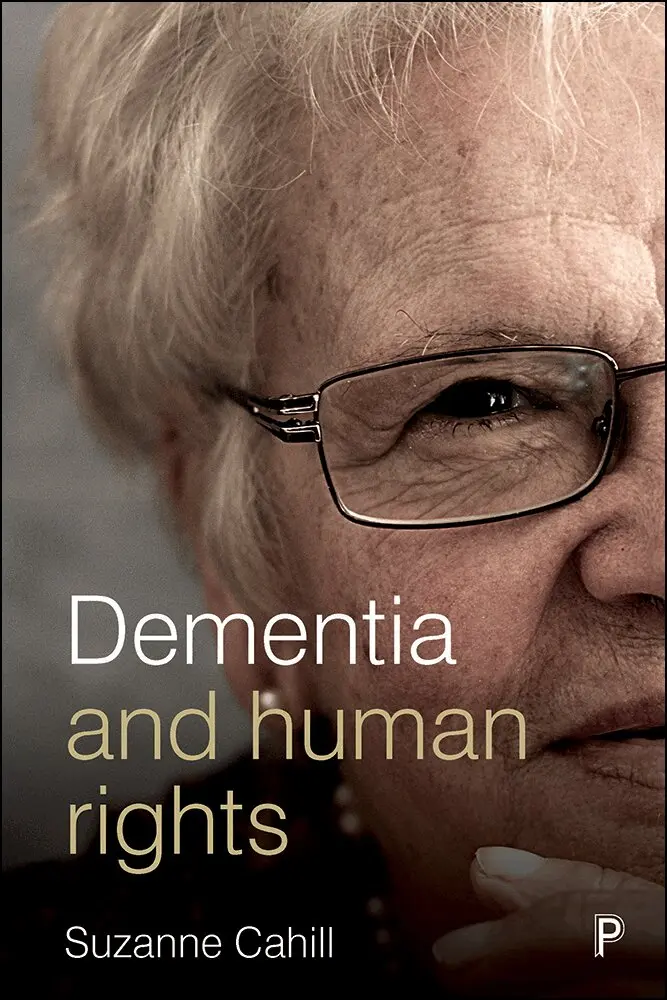
Dementia and Human Rights
Inbunden, 2018
1268 kr
Lägg i varukorg
The time has come to further challenge biomedical and clinical thinking about dementia, which has for so long underpinned policy and practice. Framing dementia as a disability, this book takes a rights-based approach to expand the debate.Applying a social constructionist lens, it builds on earlier …
Dementia and Human Rights
Häftad, 2018
469 kr
Lägg i varukorg
The time has come to further challenge biomedical and clinical thinking about dementia, which has for so long underpinned policy and practice. Framing dementia as a disability, this book takes a rights-based approach to expand the debate.Applying a social constructionist lens, it builds on earlier …
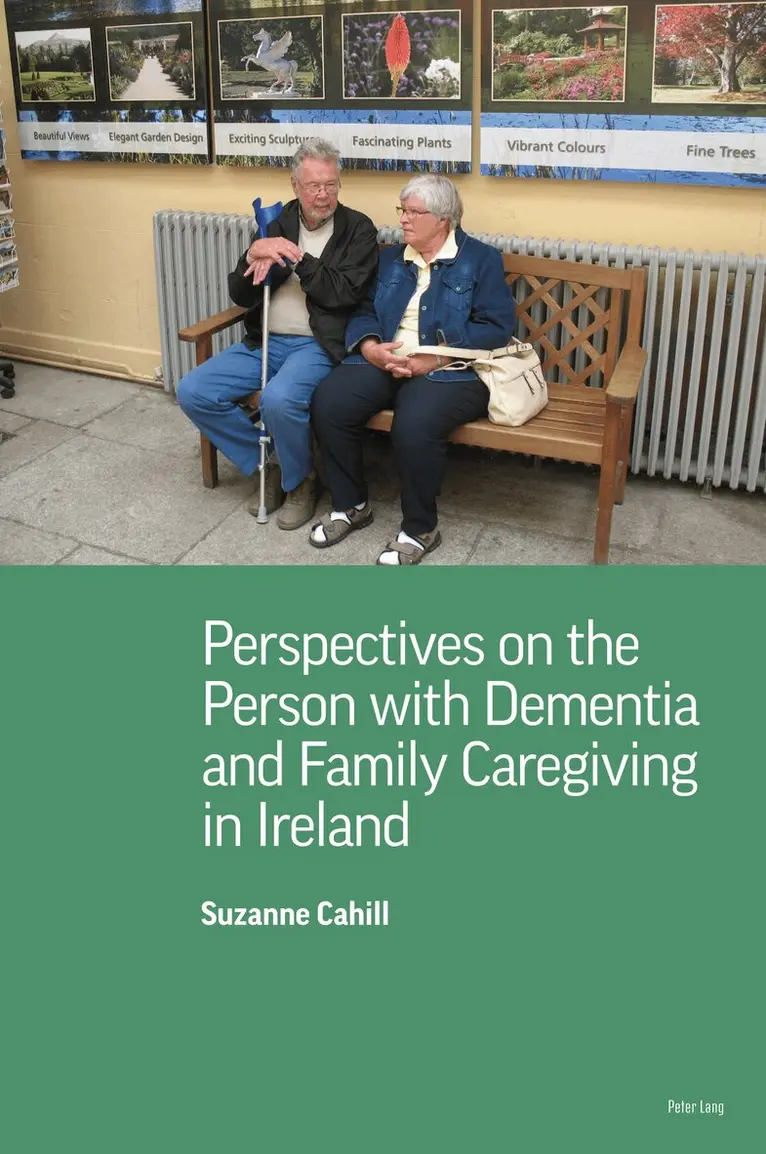
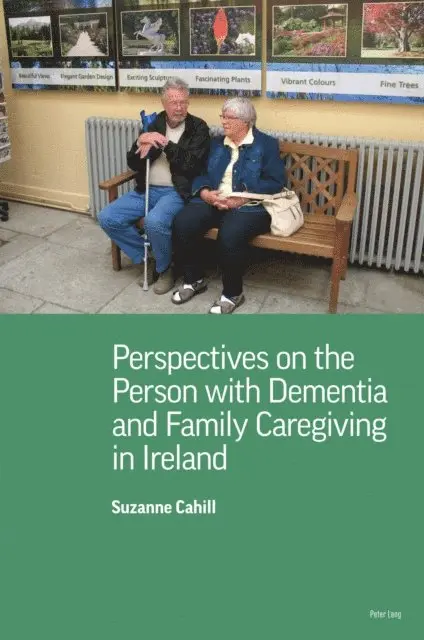
Perspectives on the Person with Dementia and Family Caregiving in Ireland
Häftad, 2021
310 kr
Lägg i varukorg
This book is all about dementia in Ireland and what has and has not been happening in a country where dementia has been a taboo topic for so long. In particular it examines the dementia landscape since late 2014, following the launch of Ireland’s first National Dementia Strategy. A lot has happened …
Perspectives on the Person with Dementia and Family Caregiving in Ireland
E-bok, 2021
273 kr
Lägg i varukorg
Perspectives on the Person with Dementia and Family Caregiving in Ireland
E-bok, 2021
268 kr
Lägg i varukorg
Human Rights in Dementia Care
A Good Practice Guide
Av Suzanne Cahill, Fiona Kelly m. fl.
Häftad, 2025
306 kr
Lägg i varukorg
Human rights are a key issue for all healthcare and social care practitioners, and almost every aspect of dementia care has a human rights dimension. How can we balance the individual's right for dignity, autonomy and privacy against the backdrop of time constraints, duty of care and limited …
Human Rights in Dementia Care
A Good Practice Guide
Av Suzanne Cahill, Fiona Kelly m. fl.
E-bok, 2025
326 kr
Lägg i varukorg
Human rights are a key issue for all healthcare and social care practitioners, and almost every aspect of dementia care has a human rights dimension. How can we balance the individual's right for dignity, autonomy and privacy against the backdrop of time constraints, duty of care and limited …