Suzanne Hobson – författare
Visar alla böcker från författaren Suzanne Hobson. Handla med fri frakt och snabb leverans.
7 produkter
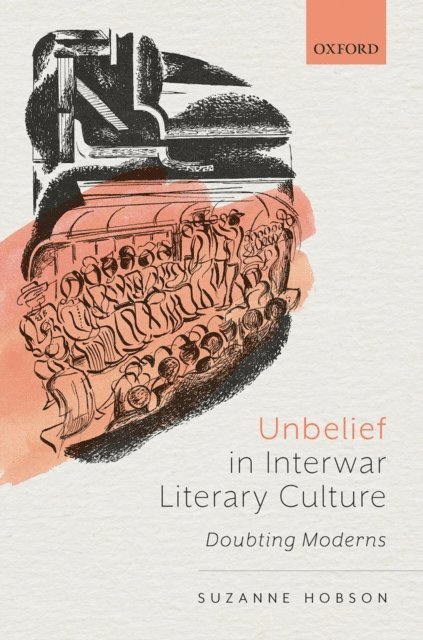
Unbelief in Interwar Literary Culture
Doubting Moderns
E-bok, 2021
1244 kr
Lägg i varukorg
This volume offers a new account of the relationship between literary and secularist scenes of writing in interwar Britain. Organized secularism has sometimes been seen as a phenomenon that lived and died with the nineteenth century. But associations such as the National Secular Society and the …
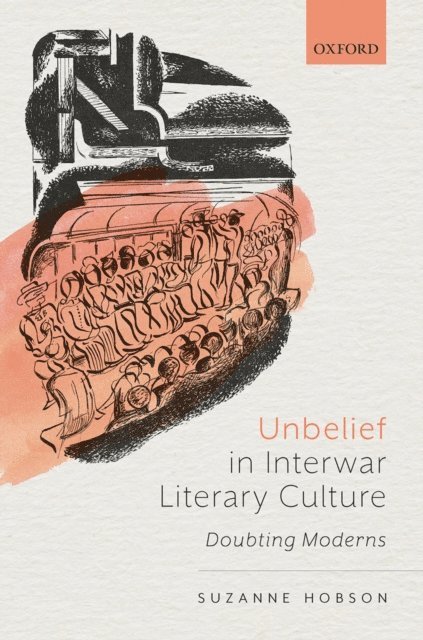
Unbelief in Interwar Literary Culture
Doubting Moderns
E-bok, 2021
1244 kr
Lägg i varukorg
This volume offers a new account of the relationship between literary and secularist scenes of writing in interwar Britain. Organized secularism has sometimes been seen as a phenomenon that lived and died with the nineteenth century. But associations such as the National Secular Society and the …
Unbelief in Interwar Literary Culture
Doubting Moderns
Inbunden, 2022
1385 kr
Lägg i varukorg
This volume offers a new account of the relationship between literary and secularist scenes of writing in interwar Britain. Organized secularism has sometimes been seen as a phenomenon that lived and died with the nineteenth century. But associations such as the National Secular Society and the …
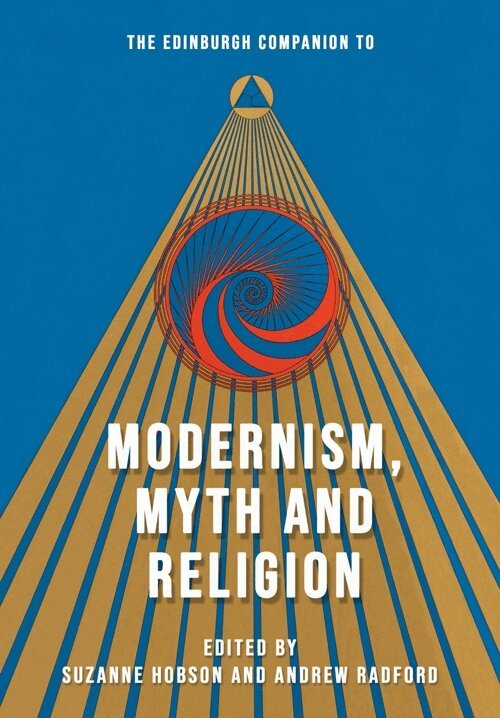
Edinburgh Companion to Modernism, Myth and Religion
Av Suzanne Hobson, Andrew D. Radford
Häftad, 2026
570 kr
Lägg i varukorg
New Readings of Elizabeth von Arnim: The Unexpected Modernist consolidates the growing field of Elizabeth von Arnim studies and points to new trajectories for further research. Bringing together recognised and emerging scholarly voices and featuring previously unseen archival materials, this volume …
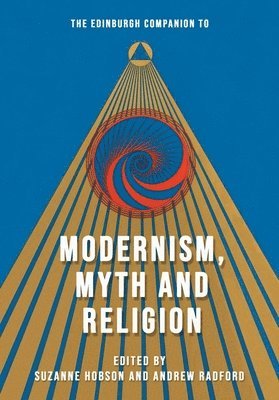
Edinburgh Companion to Modernism, Myth and Religion
Av Suzanne Hobson, Andrew D. Radford
Inbunden, 2023
2291 kr
Lägg i varukorg
Presents authoritative analyses of the religious terrain of the modernist periodPresents authoritative scholarly analyses of the religious terrain of the modernist periodIncludes 30 + specially commissioned chapters on modernist myth, religion and alternative spirituality representing the breadth …
Edinburgh Companion to Modernism, Myth and Religion
Av Suzanne Hobson, Andrew D. Radford
E-bok, 2022
731 kr
Lägg i varukorg
New Readings of Elizabeth von Arnim: The Unexpected Modernist consolidates the growing field of Elizabeth von Arnim studies and points to new trajectories for further research. Bringing together recognised and emerging scholarly voices and featuring previously unseen archival materials, this volume …
Edinburgh Companion to Modernism, Myth and Religion
Av Suzanne Hobson, Andrew D. Radford
E-bok, 2022
731 kr
Lägg i varukorg
New Readings of Elizabeth von Arnim: The Unexpected Modernist consolidates the growing field of Elizabeth von Arnim studies and points to new trajectories for further research. Bringing together recognised and emerging scholarly voices and featuring previously unseen archival materials, this volume …