Suzanne Koptur – författare
Visar alla böcker från författaren Suzanne Koptur. Handla med fri frakt och snabb leverans.
6 produkter
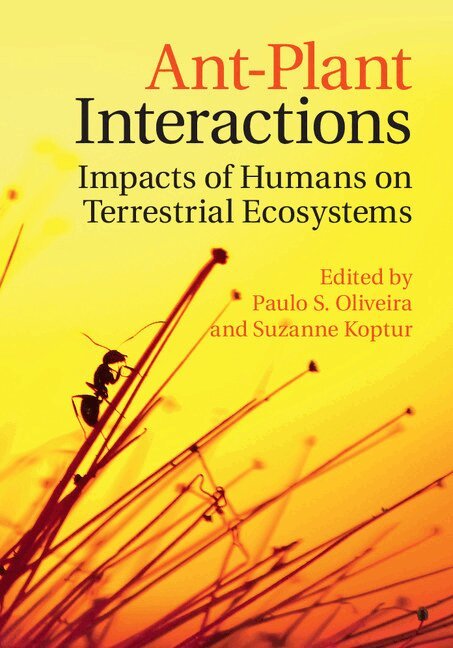
Ant-Plant Interactions
Impacts of Humans on Terrestrial Ecosystems
Av Paulo S. Oliveira, Suzanne Koptur
Inbunden, 2017
1171 kr
Lägg i varukorg
Ants are probably the most dominant insect family on earth, and flowering plants have been the dominant plant group on land for more than 100 million years. In recent decades, human activities have degraded natural environments with unparalleled speed and scale, making it increasingly apparent that …
Ant-Plant Interactions
Impacts of Humans on Terrestrial Ecosystems
Av Suzanne Koptur, Paulo S. Oliveira
E-bok, 2017
1369 kr
Lägg i varukorg
Ants are probably the most dominant insect family on earth, and flowering plants have been the dominant plant group on land for more than 100 million years. In recent decades, human activities have degraded natural environments with unparalleled speed and scale, making it increasingly apparent that …
Ant-Plant Interactions
Impacts of Humans on Terrestrial Ecosystems
Av Suzanne Koptur, Paulo S. Oliveira
E-bok, 2017
1369 kr
Lägg i varukorg
Ants are probably the most dominant insect family on earth, and flowering plants have been the dominant plant group on land for more than 100 million years. In recent decades, human activities have degraded natural environments with unparalleled speed and scale, making it increasingly apparent that …
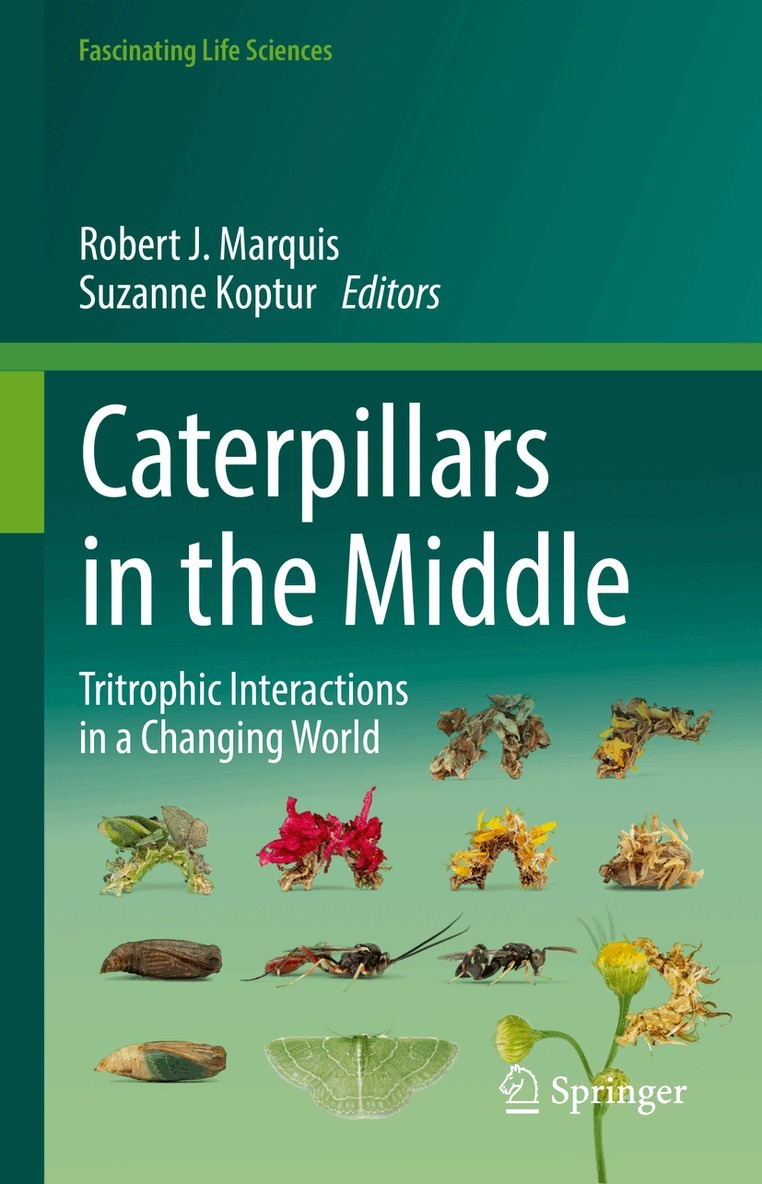
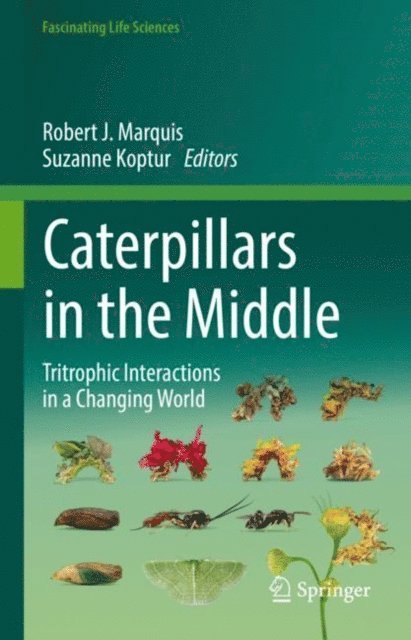
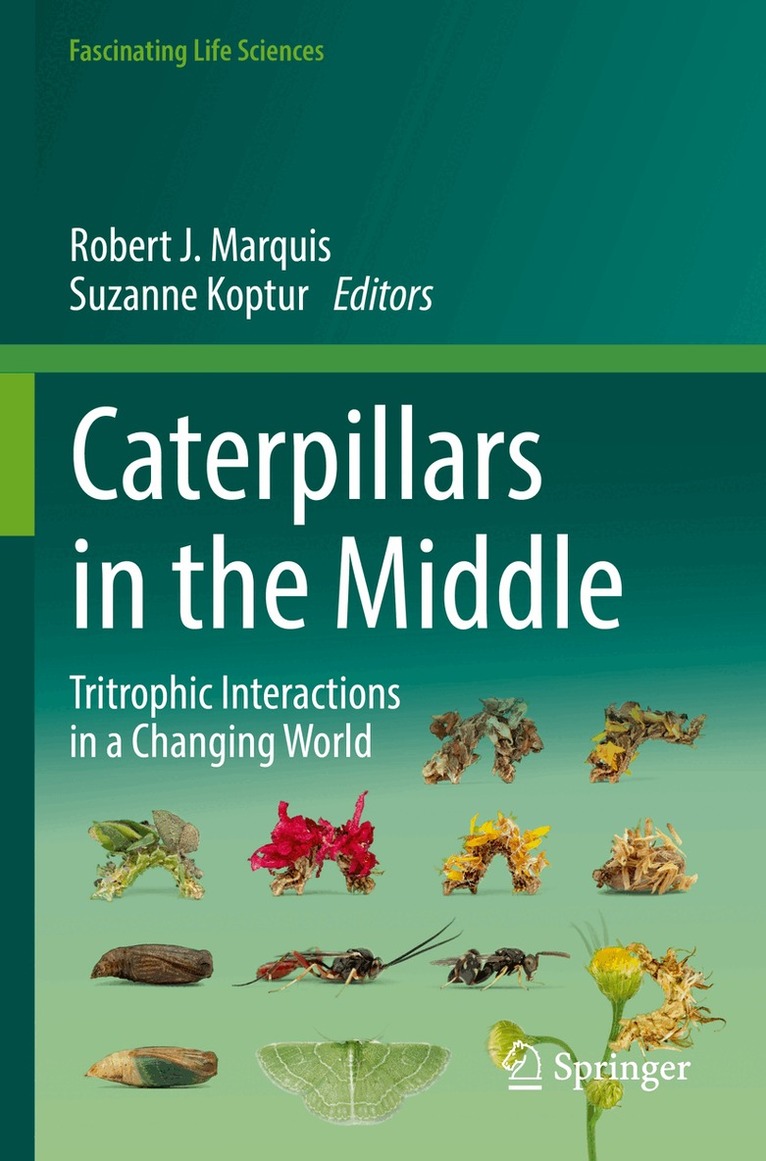
Caterpillars in the Middle
Tritrophic Interactions in a Changing World
Av Robert J. Marquis, Suzanne Koptur
Inbunden, 2022
573 kr
Lägg i varukorg
Caterpillars are excellent model organisms for understanding how multiple selective forces shape the ecology and evolution of insects, and organisms in general. Recent research using the tools of modern molecular biology, genetics, metabolomics, microbial ecology, experiments conducted at a global …
Caterpillars in the Middle
Tritrophic Interactions in a Changing World
Av Suzanne Koptur, Robert J. Marquis
E-bok, 2022
1141 kr
Lägg i varukorg
Caterpillars are excellent model organisms for understanding how multiple selective forces shape the ecology and evolution of insects, and organisms in general. Recent research using the tools of modern molecular biology, genetics, metabolomics, microbial ecology, experiments conducted at a global …
Caterpillars in the Middle
Tritrophic Interactions in a Changing World
Av Robert J. Marquis, Suzanne Koptur
Häftad, 2023
573 kr
Lägg i varukorg
Caterpillars are excellent model organisms for understanding how multiple selective forces shape the ecology and evolution of insects, and organisms in general. Recent research using the tools of modern molecular biology, genetics, metabolomics, microbial ecology, experiments conducted at a global …