Suzanne M Litrel - Böcker
Visar alla böcker från författaren Suzanne M Litrel. Handla med fri frakt och snabb leverans.
7 produkter
7 produkter
137 kr
Skickas inom 5-8 vardagar
Battle for Brazil
Resistance, Renewal, and the War Against the Dutch, 1580–1654
Inbunden, Engelska, 2026
1 513 kr
Skickas inom 3-6 vardagar
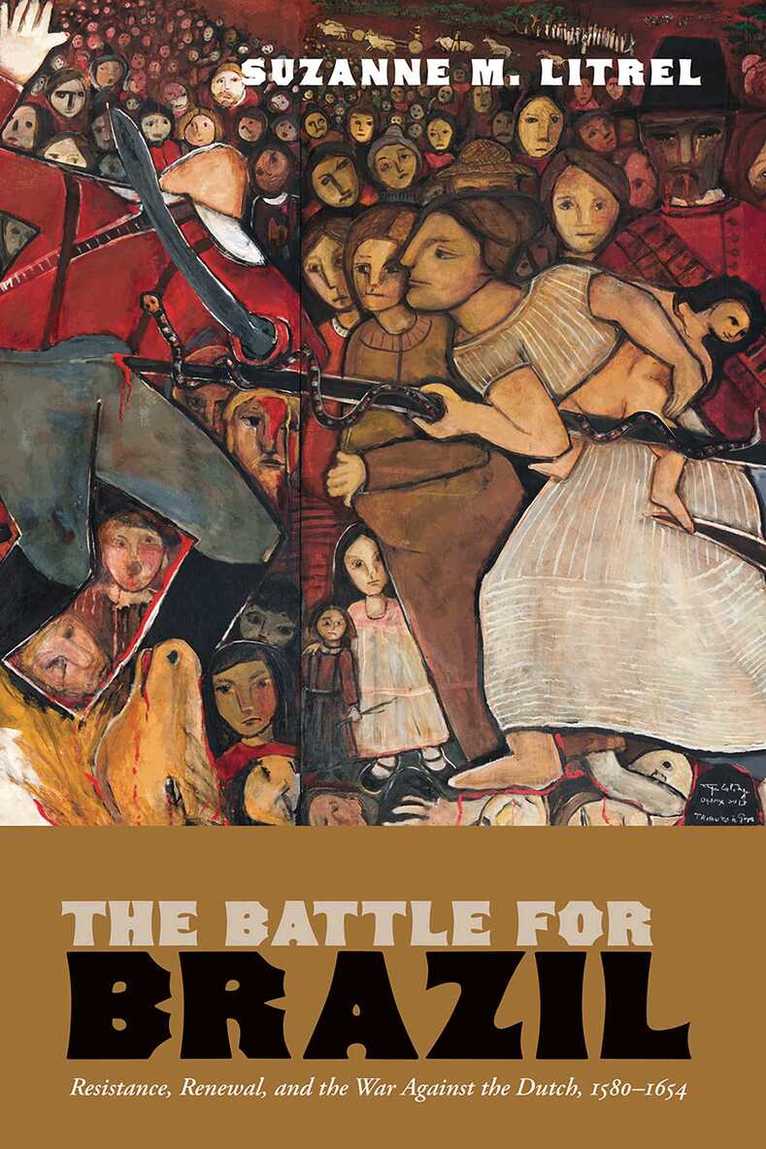
This book examines a crucial turning point in the colonial history of Brazil and especially the enduring consequences of local and trans-Atlantic resistance to Dutch colonialism. From a desert death march in North Africa to the war-torn beaches of Bahia, The Battle for Brazil: Resistance, Renewal, and the War Against the Dutch, 1580–1654 integrates Portuguese prophecy, myth, and tradition with on-the-ground action. A remarkable moment in an enduring global contest, the Dutch challenge for Brazil was sparked by the 1580 Spanish claim of the Portuguese throne. The Netherlanders, already locked in battle against Habsburg Spain, turned on their old trading partners, and Portuguese trading posts fell to the Dutch East India Company’s relentless assaults. Then the Dutch turned west—to Brazil. In 1624, Portuguese soldiers, priests, and their indigenous allies pinned invading Dutch West India Company troops to the town of Salvador, Bahia. The following year, a joint Luso-Spanish armada helped oust the Dutch—a short-lived interlude in the battle for Brazil (1630–1654). As town by town fell to the enemy, and as the West India Company expanded control over the Brazilian northeast, it seemed that the contested colony would go Dutch. By the end of 1640, the restoration of an independent Portugal ended sixty years of Spanish rule, but this did not end the kingdom’s trials. With Dom João IV of Braganza on the throne, the kingdom of Portugal now faced a two-front challenge—at home, from Spain, and abroad, from the Dutch. Within five years, lackluster support from Lisbon prompted a new phase of local resistance against the Dutch in Brazil. This defiance manifested in what would become known as the “Divine War of Liberation”—and with it, an emergent Luso-Brazilian identity. On the ground, cross-class and transatlantic alliance and coordination, formed in the first Dutch assault, only strengthened during the next nine years. The Battle for Brazil highlights the actions of once-marginalized men and women of European, African, Indigenous, and mixed descent who helped force final Dutch surrender by 1654. On both sides of the Atlantic, the battle for Brazil proved a spiritual venture and a reckoning, shaping a new world to come.
Battle for Brazil
Resistance, Renewal, and the War Against the Dutch, 1580–1654
Häftad, Engelska, 2026
609 kr
Skickas inom 3-6 vardagar
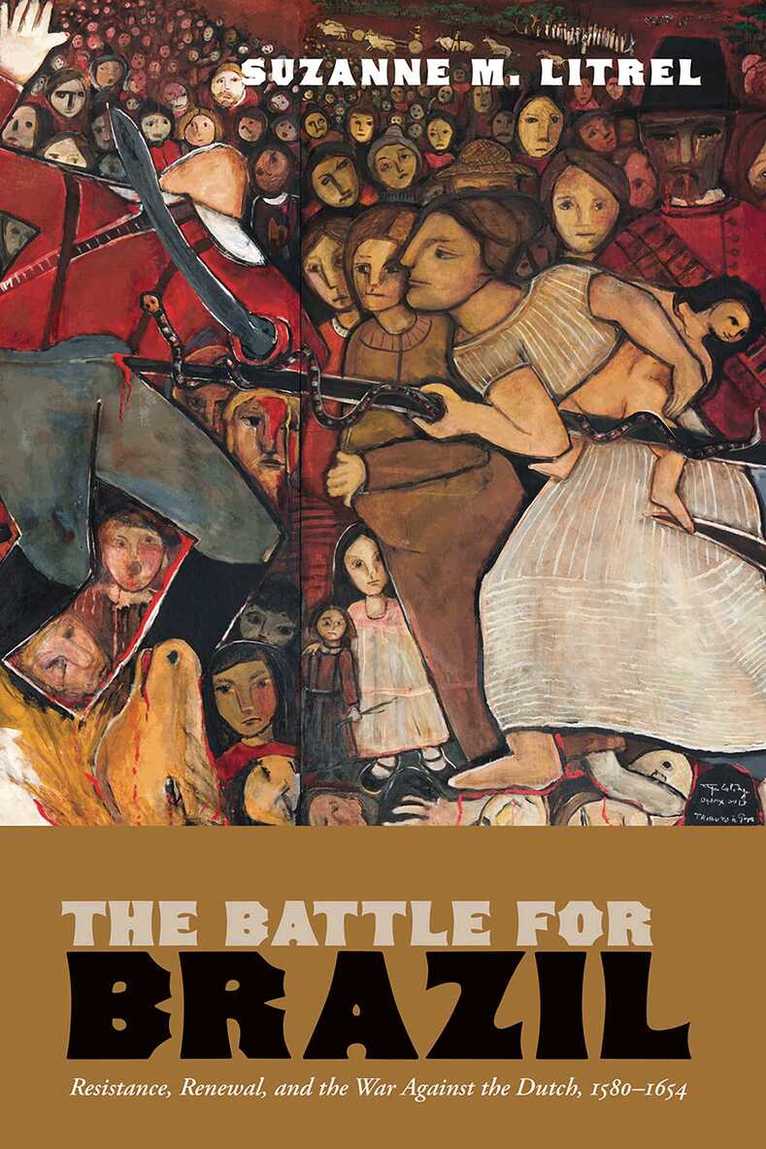
This book examines a crucial turning point in the colonial history of Brazil and especially the enduring consequences of local and trans-Atlantic resistance to Dutch colonialism. From a desert death march in North Africa to the war-torn beaches of Bahia, The Battle for Brazil: Resistance, Renewal, and the War Against the Dutch, 1580–1654 integrates Portuguese prophecy, myth, and tradition with on-the-ground action. A remarkable moment in an enduring global contest, the Dutch challenge for Brazil was sparked by the 1580 Spanish claim of the Portuguese throne. The Netherlanders, already locked in battle against Habsburg Spain, turned on their old trading partners, and Portuguese trading posts fell to the Dutch East India Company’s relentless assaults. Then the Dutch turned west—to Brazil. In 1624, Portuguese soldiers, priests, and their indigenous allies pinned invading Dutch West India Company troops to the town of Salvador, Bahia. The following year, a joint Luso-Spanish armada helped oust the Dutch—a short-lived interlude in the battle for Brazil (1630–1654). As town by town fell to the enemy, and as the West India Company expanded control over the Brazilian northeast, it seemed that the contested colony would go Dutch. By the end of 1640, the restoration of an independent Portugal ended sixty years of Spanish rule, but this did not end the kingdom’s trials. With Dom João IV of Braganza on the throne, the kingdom of Portugal now faced a two-front challenge—at home, from Spain, and abroad, from the Dutch. Within five years, lackluster support from Lisbon prompted a new phase of local resistance against the Dutch in Brazil. This defiance manifested in what would become known as the “Divine War of Liberation”—and with it, an emergent Luso-Brazilian identity. On the ground, cross-class and transatlantic alliance and coordination, formed in the first Dutch assault, only strengthened during the next nine years. The Battle for Brazil highlights the actions of once-marginalized men and women of European, African, Indigenous, and mixed descent who helped force final Dutch surrender by 1654. On both sides of the Atlantic, the battle for Brazil proved a spiritual venture and a reckoning, shaping a new world to come.
1 108 kr
Skickas inom 10-15 vardagar
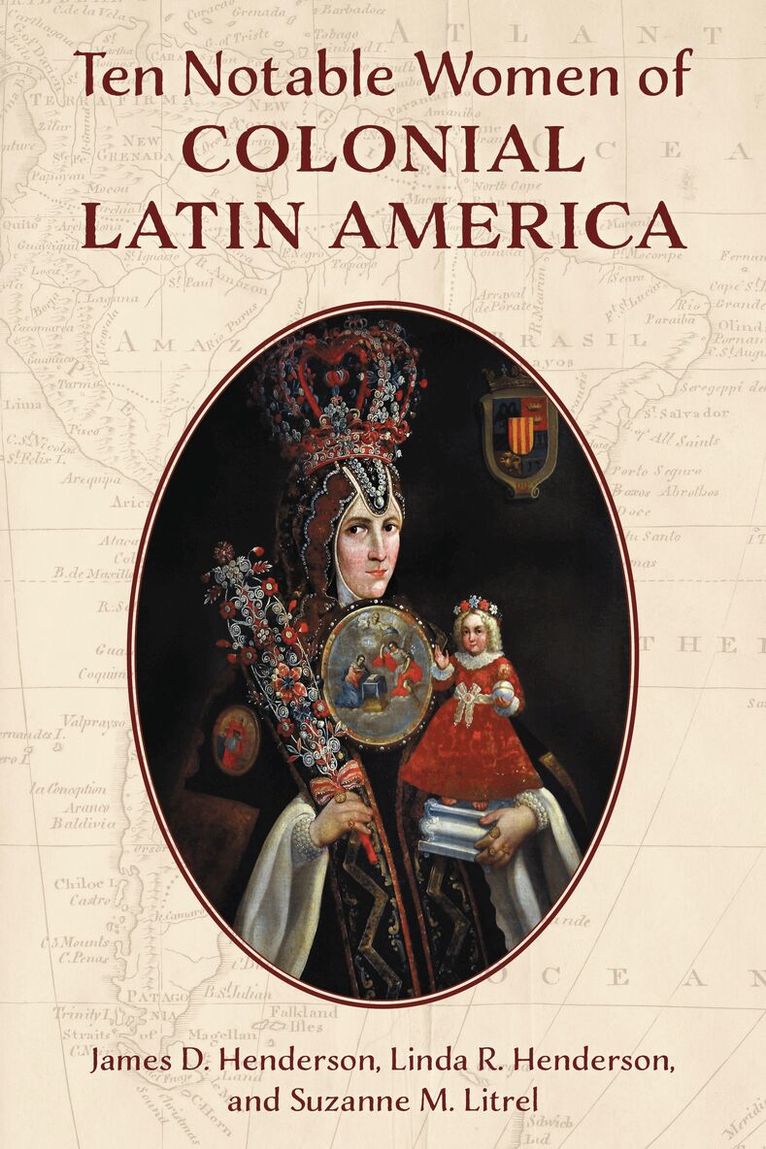
In the seventeenth century, Catalina de Erauso, at age sixteen a renegade Basque nun, escaped from her convent and traveled to the New World, eventually reaching Peru. She became an outlaw and a crossdresser with a price on her head. Yet she ended her days absolved by both the King of Spain and the Pope, the latter of whom granted her permission to dress as a man for the remainder of her life. The Nun Ensign passed her final years guarding silver shipments on the Mexico City-Veracruz highway. The life of the Nun Ensign highlights not just her extraordinary life but also the opportunities seized by women in colonial Latin America. This book profiles the Nun Ensign and nine other women of colonial Latin America, offering an alternate method for understanding the region and its history. The ten figures span different ethnic, geographic, occupational, and class backgrounds. Through their stories, the reader comes away with an enriched understanding of colonial Latin American history.
365 kr
Skickas inom 10-15 vardagar
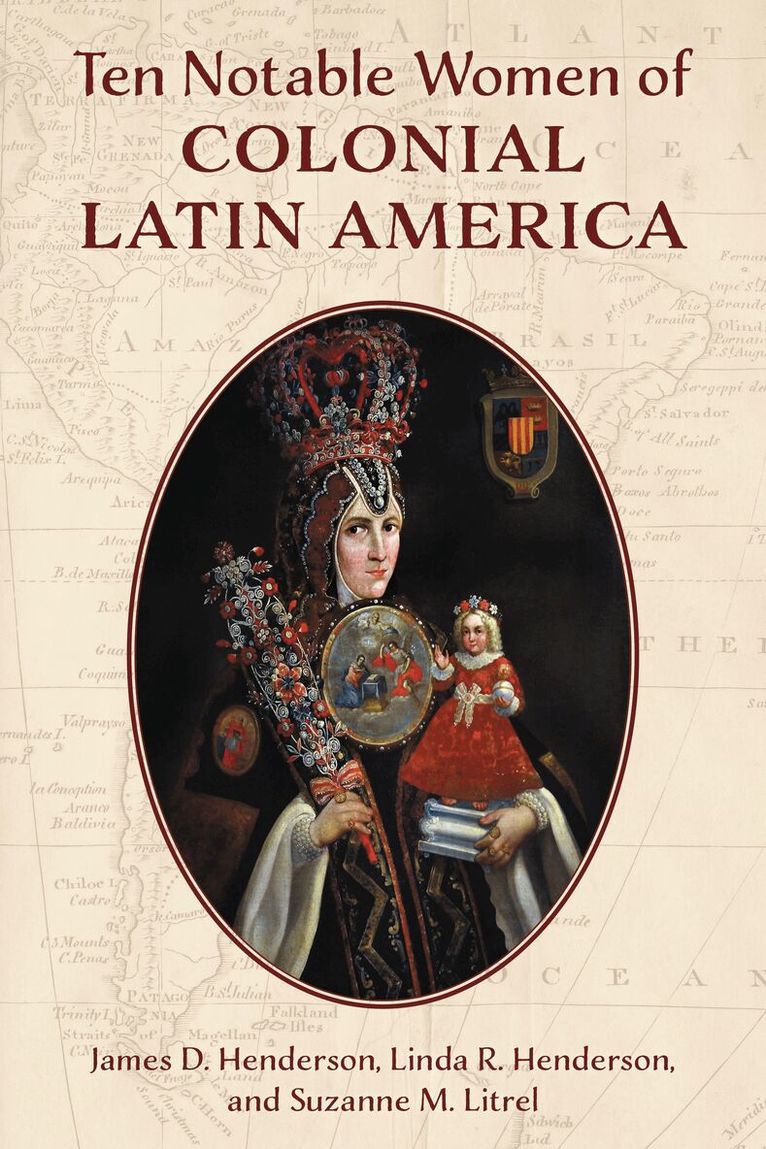
In the seventeenth century, Catalina de Erauso, at age sixteen a renegade Basque nun, escaped from her convent and traveled to the New World, eventually reaching Peru. She became an outlaw and a crossdresser with a price on her head. Yet she ended her days absolved by both the King of Spain and the Pope, the latter of whom granted her permission to dress as a man for the remainder of her life. The Nun Ensign passed her final years guarding silver shipments on the Mexico City-Veracruz highway. The life of the Nun Ensign highlights not just her extraordinary life but also the opportunities seized by women in colonial Latin America. This book profiles the Nun Ensign and nine other women of colonial Latin America, offering an alternate method for understanding the region and its history. The ten figures span different ethnic, geographic, occupational, and class backgrounds. Through their stories, the reader comes away with an enriched understanding of colonial Latin American history.
1 039 kr
Skickas inom 10-15 vardagar
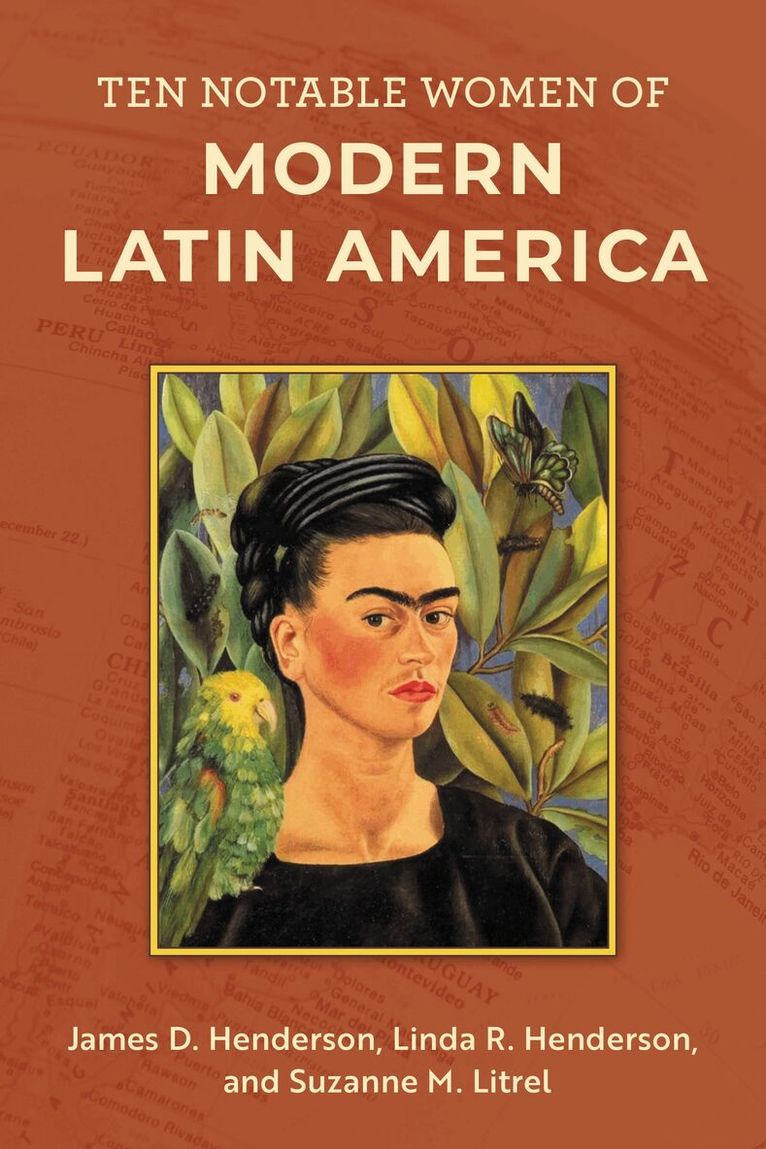
In 1930s rural Argentina, a determined fifteen-year-old left an isolated, poverty-stricken life to find her fortune in the “Paris of South America”—Buenos Aires. There, with few connections, little education, but plenty of persistence, Maria Eva Duarte gained a toehold in the city’s artistic scene. Eva—Evita—then navigated the radio revolution to fortune, providing for her mother and siblings along the way. She caught the eye of rising political star Colonel Juan Perón, and with him, she rode the pro-labor wave all the way to the presidential palace. The story of Eva Duarte Perón highlights not just her own extraordinary life, but the opportunities seized by women of all classes and backgrounds in post-independence modernizing Latin America.This work offers an alternate method for understanding modern Latin America and its history. The ten figures treated are ethnically mixed, of African, Indigenous, European, and mestiza heritage. They include figures from all social classes, geographic settings, and occupations seen in Latin America, and they acted over the entirety of the more than two centuries of the modern period. Through their stories, the reader comes away with a deeper understanding of this rich, diverse region.
365 kr
Skickas inom 10-15 vardagar
In 1930s rural Argentina, a determined fifteen-year-old left an isolated, poverty-stricken life to find her fortune in the “Paris of South America”—Buenos Aires. There, with few connections, little education, but plenty of persistence, Maria Eva Duarte gained a toehold in the city’s artistic scene. Eva—Evita—then navigated the radio revolution to fortune, providing for her mother and siblings along the way. She caught the eye of rising political star Colonel Juan Perón, and with him, she rode the pro-labor wave all the way to the presidential palace. The story of Eva Duarte Perón highlights not just her own extraordinary life, but the opportunities seized by women of all classes and backgrounds in post-independence modernizing Latin America.This work offers an alternate method for understanding modern Latin America and its history. The ten figures treated are ethnically mixed, of African, Indigenous, European, and mestiza heritage. They include figures from all social classes, geographic settings, and occupations seen in Latin America, and they acted over the entirety of the more than two centuries of the modern period. Through their stories, the reader comes away with a deeper understanding of this rich, diverse region.