Sydel Silverman - Böcker
Visar alla böcker från författaren Sydel Silverman. Handla med fri frakt och snabb leverans.
7 produkter
7 produkter
785 kr
Skickas inom 7-10 vardagar
One Discipline, Four Ways offers the first book-length introduction to the history of each of the four major traditions in anthropology - British, German, French, and American. The result of lectures given by distinguished anthropologists Fredrik Barth, Andre Gingrich, Robert Parkin, and Sydel Silverman to mark the foundation of the Max Planck Institute for Social Anthropology, this volume not only traces the development of each tradition but considers their impact on one another and assesses their future potentials. Moving from E. B. Taylor all the way through the development of modern fieldwork, Barth reveals the repressive tendencies that prevented Britain from developing a variety of anthropological practices until the late 1960s. Gingrich, meanwhile, articulates the development of German anthropology, paying particular attention to the Nazi period, of which surprisingly little analysis has been offered until now. Parkin then assesses the French tradition and, in particular, its separation of theory and ethnographic practice.Finally, Silverman traces the formative influence of Franz Boas, the expansion of the discipline after World War II, and the "fault lines" and promises of contemporary anthropology in the United States.
274 kr
Skickas inom 7-10 vardagar
One Discipline, Four Ways offers the first book-length introduction to the history of each of the four major traditions in anthropology - British, German, French, and American. The result of lectures given by distinguished anthropologists Fredrik Barth, Andre Gingrich, Robert Parkin, and Sydel Silverman to mark the foundation of the Max Planck Institute for Social Anthropology, this volume not only traces the development of each tradition but considers their impact on one another and assesses their future potentials. Moving from E. B. Taylor all the way through the development of modern fieldwork, Barth reveals the repressive tendencies that prevented Britain from developing a variety of anthropological practices until the late 1960s. Gingrich, meanwhile, articulates the development of German anthropology, paying particular attention to the Nazi period, of which surprisingly little analysis has been offered until now. Parkin then assesses the French tradition and, in particular, its separation of theory and ethnographic practice.Finally, Silverman traces the formative influence of Franz Boas, the expansion of the discipline after World War II, and the "fault lines" and promises of contemporary anthropology in the United States.
711 kr
Tillfälligt slut
Recent years have seen a growing impetus to explain social life almost exclusively in biological and mechanistic terms, and to dismiss cultural meaning and difference. Daily we read assertions that everything from disease to morality - not to mention the presumed characteristics of race, gender, and sexuality - can be explained by reference primarily to genetics and our evolutionary past. Complexities mobilizes experts from several fields of anthropology - cultural, archaeological, linguistic, and biological - to offer a compelling challenge to the resurgence of reductive theories of human biological and social life. This book presents evidence to contest such theories and to provide a multifaceted account of the complexity and variability of the human condition. Charting a course that moves beyond any simple opposition between nature and nurture, Complexities argues that a nonreductive perspective has important implications for how we understand and develop human potential.
282 kr
Skickas inom 7-10 vardagar
Recent years have seen a growing impetus to explain social life almost exclusively in biological and mechanistic terms, and to dismiss cultural meaning and difference. Daily we read assertions that everything from disease to morality - not to mention the presumed characteristics of race, gender, and sexuality - can be explained by reference primarily to genetics and our evolutionary past. Complexities mobilizes experts from several fields of anthropology - cultural, archaeological, linguistic, and biological - to offer a compelling challenge to the resurgence of reductive theories of human biological and social life. This book presents evidence to contest such theories and to provide a multifaceted account of the complexity and variability of the human condition. Charting a course that moves beyond any simple opposition between nature and nurture, Complexities argues that a nonreductive perspective has important implications for how we understand and develop human potential.
2 003 kr
Tillfälligt slut
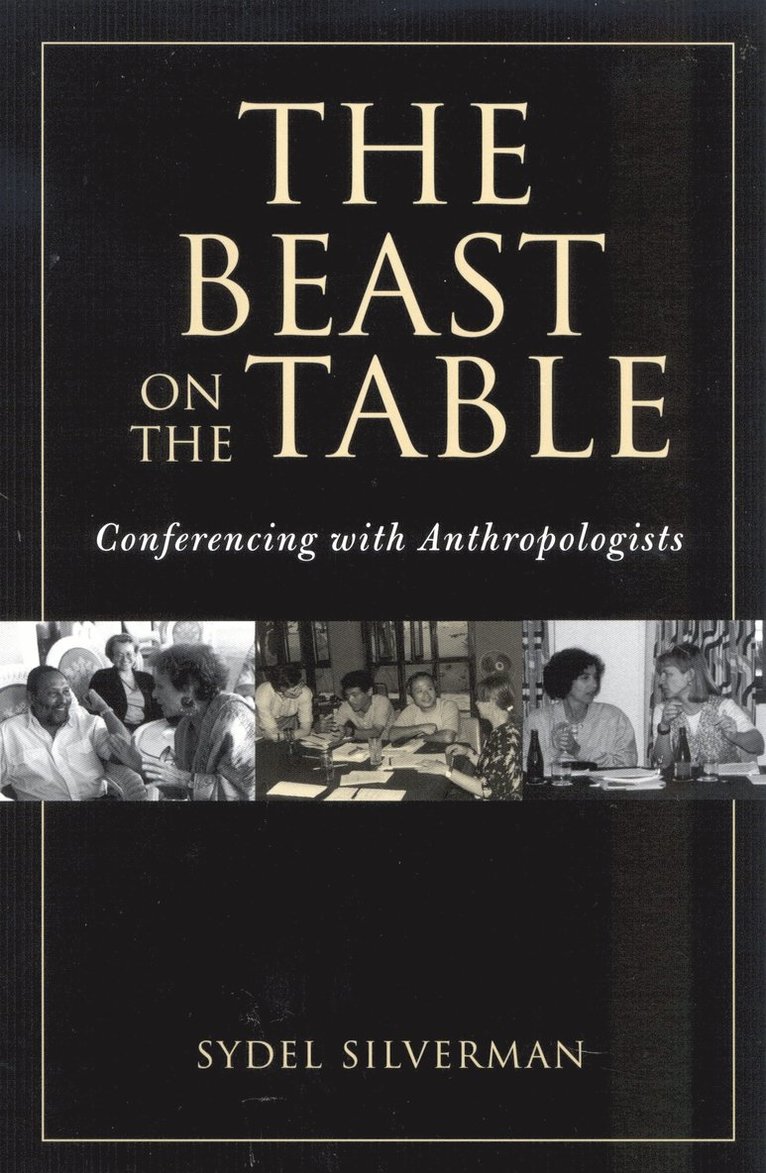
From intimate workshops and modest gatherings to meetings in exotic places, conferences are a mainstay of academic life. The conferences that are the subject of this book are the week-long international symposia sponsored by the Wenner-Gren Foundation for Anthropological Research, over 150 of which were held between 1952 and 2000. In their totality, they closely parallel the development of anthropology during this period, and indeed played a large part in shaping that development. In revisiting her experiences with the Wenner-Gren symposia over a thirteen-year period, Sydel Silverman examines the conference process as it relates to the production of knowledge and new directions in anthropology.
1 390 kr
Tillfälligt slut
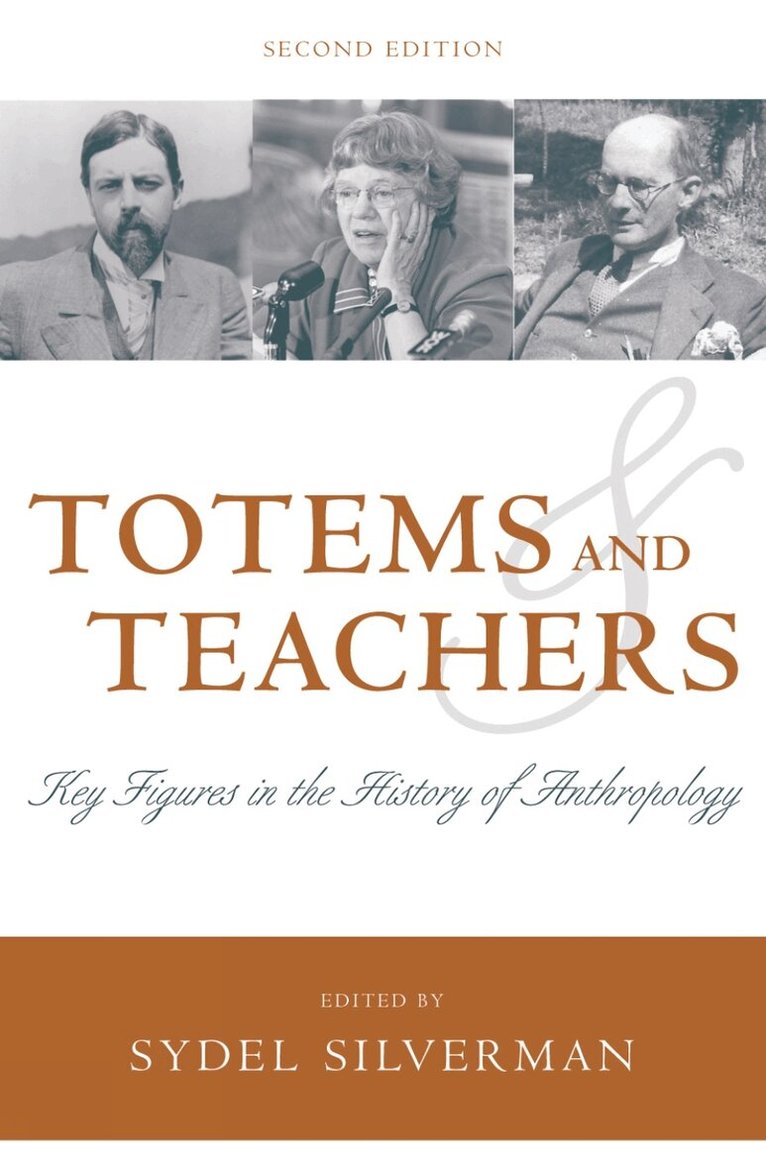
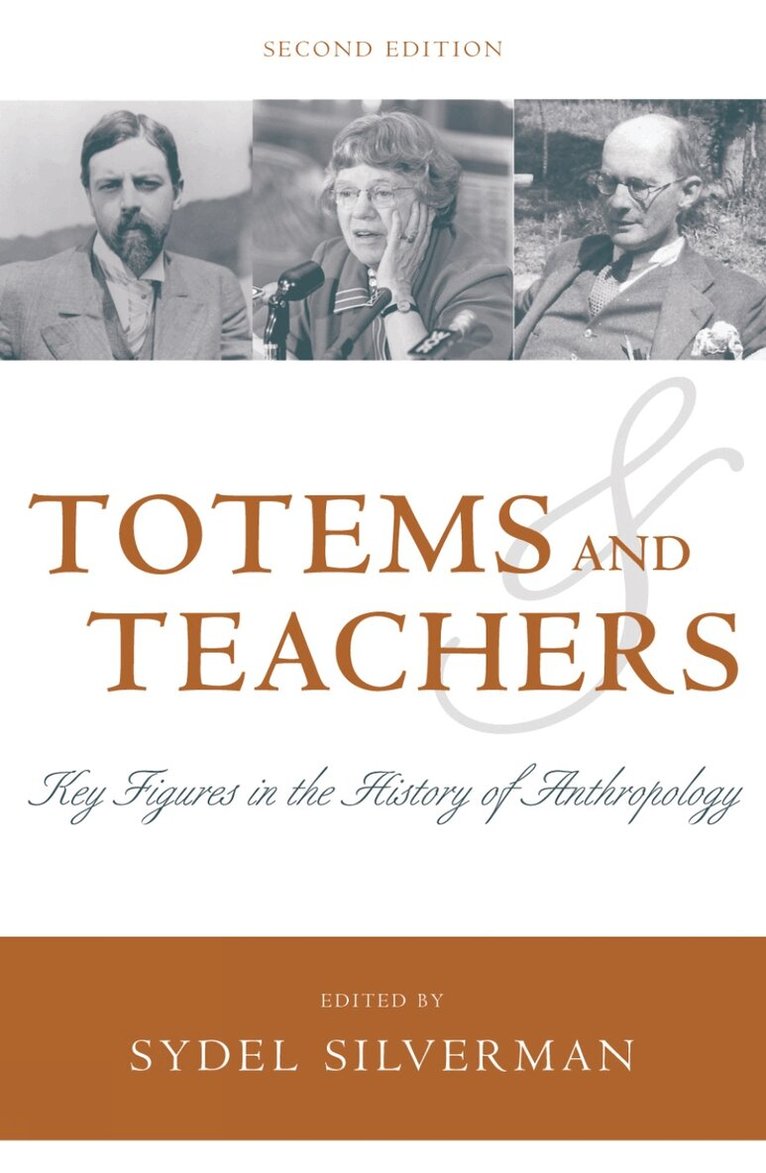
Sydel Silverman presents a long-awaited second edition of this fascinating classic work, originally published in 1981. Eleven distinguished anthropologists offer an insiders' reflection on nine prominent figures who helped shape the discipline. This is one of few books that traces the theoretical development of anthropology through the lives of the well-known figures who have influenced its historical trajectory. Studies range from Franz Boas by Alexander Lesser, Alfred Kroeber by Eric Wolf, Paul Radin by Stanley Diamond, Bronislaw Malinowski by Raymond Firth, Ruth Benedict by Sidney Mintz, Julian Steward by Robert Murphy, and Leslie White by Robert Carneiro. A significantly revised biographical sketch of Robert Redfield by Eric Wolf and Nathaniel Tarn and a chapter on Margaret Mead by Rhoda Metraux and Sydel Silverman are new to this edition. Biographies of the contributing authors, themselves well-known anthropologists, make this book a unique double-layered history of the development of the field. This book is a key textbook for classes in history of anthropology and anthropological theory, and a fascinating read for those interested in biographical study and the development of anthropology.
597 kr
Tillfälligt slut
Sydel Silverman presents a long-awaited second edition of this fascinating classic work, originally published in 1981. Eleven distinguished anthropologists offer an insiders' reflection on nine prominent figures who helped shape the discipline. This is one of few books that traces the theoretical development of anthropology through the lives of the well-known figures who have influenced its historical trajectory. Studies range from Franz Boas by Alexander Lesser, Alfred Kroeber by Eric Wolf, Paul Radin by Stanley Diamond, Bronislaw Malinowski by Raymond Firth, Ruth Benedict by Sidney Mintz, Julian Steward by Robert Murphy, and Leslie White by Robert Carneiro. A significantly revised biographical sketch of Robert Redfield by Eric Wolf and Nathaniel Tarn and a chapter on Margaret Mead by Rhoda Metraux and Sydel Silverman are new to this edition. Biographies of the contributing authors, themselves well-known anthropologists, make this book a unique double-layered history of the development of the field. This book is a key textbook for classes in history of anthropology and anthropological theory, and a fascinating read for those interested in biographical study and the development of anthropology.