Sylvain Venayre – författare
Visar alla böcker från författaren Sylvain Venayre. Handla med fri frakt och snabb leverans.
3 produkter
3 produkter
Inbunden, Engelska, 2025
951 kr
Skickas inom 5-8 vardagar
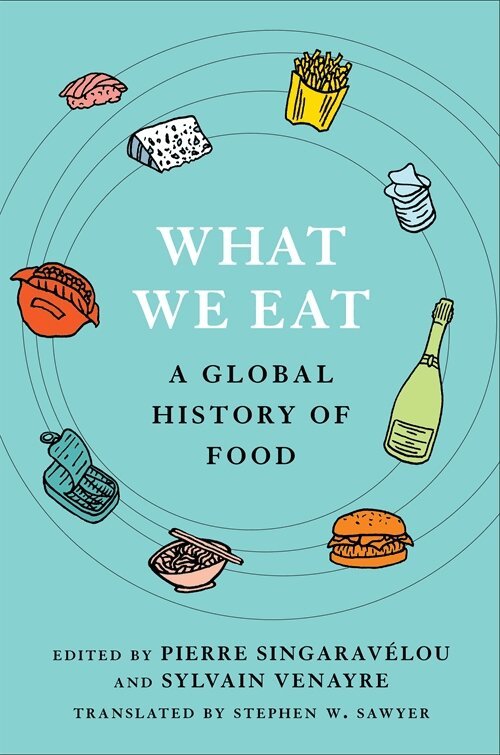
Ketchup seems iconically American, but the word comes from a Southeast Asian anchovy sauce, and today it is made largely from Chinese tomato paste. Japan’s beloved ramen arose from the meeting of Chinese noodles and American wheat flour before attaining worldwide popularity in both gourmet and convenience-food forms. The baguette is mythologized as a product of the French Revolution, but in fact it emerged during late-nineteenth-century urbanization. Colonialism brought baguettes to Vietnam, where street vendors devised a new dish: banh mi, which refugees took with them around the world.Telling these tales and many others, What We Eat explores world history through the lens of the global journeys of nearly ninety food products. Leading historians trace the origins and popularization of items commonly found in supermarkets, showing how each food illuminates wider histories. They consider the tension between the role of cuisine in shaping particular cultural identities and the standardization associated with globalization, and they demonstrate how foods have transformed as different societies have borrowed them. Chapters reveal the surprising sagas of coffee, cornflakes, gin, guacamole, hot dogs, hummus, naan, pet food, pizza, sparkling water, sushi, and many more. At once an intimate and a global history, What We Eat shows readers the everyday items on grocery store shelves in a new light.
Häftad, Engelska, 2025
230 kr
Skickas inom 5-8 vardagar
Ketchup seems iconically American, but the word comes from a Southeast Asian anchovy sauce, and today it is made largely from Chinese tomato paste. Japan’s beloved ramen arose from the meeting of Chinese noodles and American wheat flour before attaining worldwide popularity in both gourmet and convenience-food forms. The baguette is mythologized as a product of the French Revolution, but in fact it emerged during late-nineteenth-century urbanization. Colonialism brought baguettes to Vietnam, where street vendors devised a new dish: banh mi, which refugees took with them around the world.Telling these tales and many others, What We Eat explores world history through the lens of the global journeys of nearly ninety food products. Leading historians trace the origins and popularization of items commonly found in supermarkets, showing how each food illuminates wider histories. They consider the tension between the role of cuisine in shaping particular cultural identities and the standardization associated with globalization, and they demonstrate how foods have transformed as different societies have borrowed them. Chapters reveal the surprising sagas of coffee, cornflakes, gin, guacamole, hot dogs, hummus, naan, pet food, pizza, sparkling water, sushi, and many more. At once an intimate and a global history, What We Eat shows readers the everyday items on grocery store shelves in a new light.
E-bok
Spanska, 2016161 kr
Läs direkt efter köp
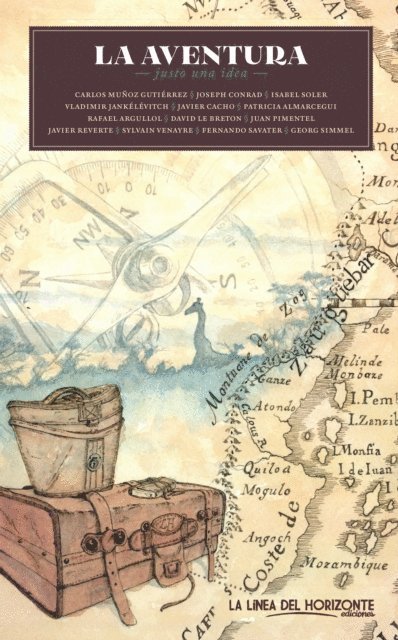
Cuando se aviva el brillo de la mirada es que hemos pronunciado la palabra aventura y con ella nos llega la posibilidad de cambio y novedad. Otras veces la aventura asoma sin permiso y nos desafía movilizando la capacidad heroica que hay en nosotros. La aventura, antes que épica, es justo una idea que configura la acción y le otorga un sentido. Podemos pensarla desde la filosofía, la historia de las ideas, o la antropología cultural; desde la geografía o la historia de nuestra cultura en sus edades doradas, la de la aventura transoceánica renacentista o la ilustrada; desde la literatura de aventuras, o la crónica de los grandes viajeros y exploradores, pero, también, desde el género, pues no ha tenido la misma significación para unos y otras. A su gozosa celebración van destinadas estas páginas.