
Sylvia Federico - Böcker
Visar alla böcker från författaren Sylvia Federico. Handla med fri frakt och snabb leverans.
2 produkter
2 produkter
311 kr
Skickas inom 7-10 vardagar
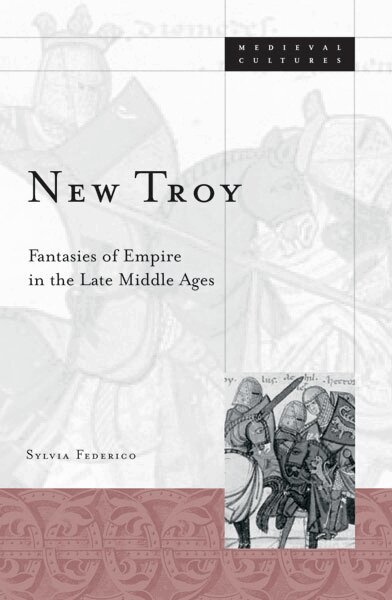
Examines the political and literary uses of the Trojan legend in the medieval periodEngland in the late fourteenth century witnessed a large-scale social revolt, a lingering and seemingly hopeless war with France, and fierce factional conflicts in royal politics and London civic government-struggles in which all parties sought to justify their actions by claiming historical precedent. How the Trojan legend figured in these claims-and in competing assertions of authorial legitimacy, nationhood, and rule in the later Middle Ages-is the complex nexus of history, myth, literature, and identity that Sylvia Federico explores in this ambitious book. During the late medieval period, many European political and social groups took great pains to associate themselves with the ancient city; the claim on Troy, Federico asserts, was crucial to nationhood and was always a political act. Her book examines the poetry and prose of several late medieval authors, focusing particularly on how Chaucer’s use of the Trojan legend helped to set the terms by which the Ricardian and Lancastrian periods were distinguished, and further helped to establish English literary history as a noble precedent in its own right. Federico’s book affords remarkable insight into the workings of the medieval historical imagination.
Del 2 - Writing History in the Middle Ages
Classicist Writings of Thomas Walsingham
`Worldly Cares' at St Albans Abbey in the Fourteenth Century
Inbunden, Engelska, 2016
1 197 kr
Skickas inom 7-10 vardagar
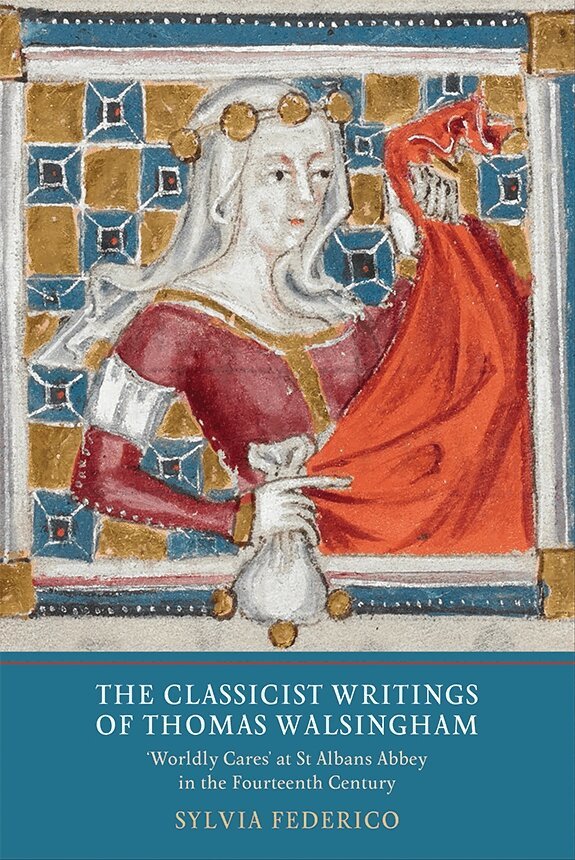
A comparative reading of the "literary" works of Thomas Walsingham, highlighting his reaction to contemporary historical events.The literary career of Thomas Walsingham, a significant figure in late fourteenth-century classicist letters in England and an overlooked contemporary of Chaucer, has been neglected - which this book remedies. Following the texts,rather than individuals or institutions, it demonstrates both authors' participation in a previously unrecognized discursive field that spans Latinate clerical prose and secular vernacular poetry, opening for reexamination the "idea" of public literature in the late Middle Ages and recalibrating the terms of the conversation about the advent of humanistic textual practice in England. Providing a connected and comparative reading of Walsingham's works, alongside those of Chaucer, and taking both historical and literary approaches, the book extends our understanding of Chaucer through the exploration of his relationship to the clerical constituencies of London, Oxford, and monasteries in the South-East, and inserts Walsingham into the modern study of the reception of the Latin classics among the vernacular authors of his period.Sylvia Federico is Professor of English and member of the Classical and Medieval Studies Program at Bates College.