Symeon Bebelis – författare
Visar alla böcker från författaren Symeon Bebelis. Handla med fri frakt och snabb leverans.
3 produkter
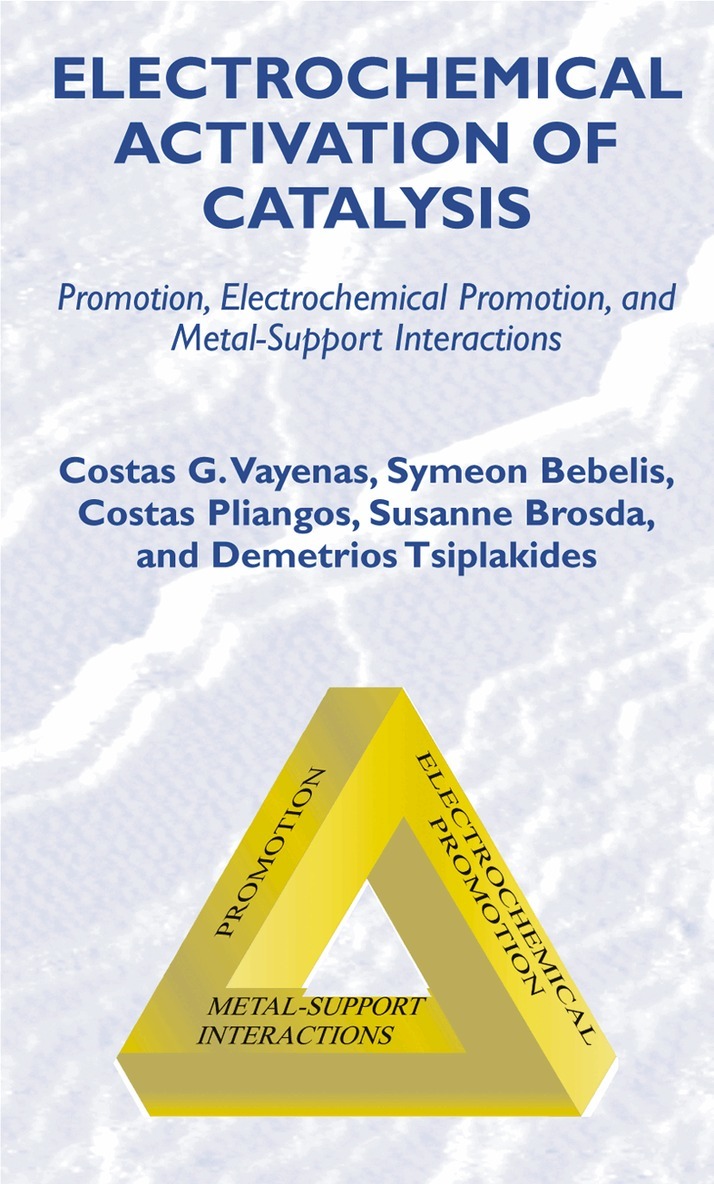
Electrochemical Activation of Catalysis
Promotion, Electrochemical Promotion, and Metal-Support Interactions
Av Costas G. Vayenas, Symeon Bebelis m. fl.
Inbunden, 2002
1639 kr
Lägg i varukorg
I knew nothing of the work of C. G. Vayenas on NEMCA until the early nineties. Then I learned from a paper of his idea (gas interface reactions could be catalyzed electrochemically), which seemed quite marvelous; but I did not understand how it worked. Consequently, I decided to correspond with …
Electrochemical Activation of Catalysis
Promotion, Electrochemical Promotion, and Metal-Support Interactions
Av Demetrios Tsiplakides, Susanne Brosda m. fl.
E-bok, 2007
2111 kr
Lägg i varukorg
I knew nothing of the work of C. G. Vayenas on NEMCA until the early nineties. Then I learned from a paper of his idea (gas interface reactions could be catalyzed electrochemically), which seemed quite marvelous; but I did not understand how it worked. Consequently, I decided to correspond with …
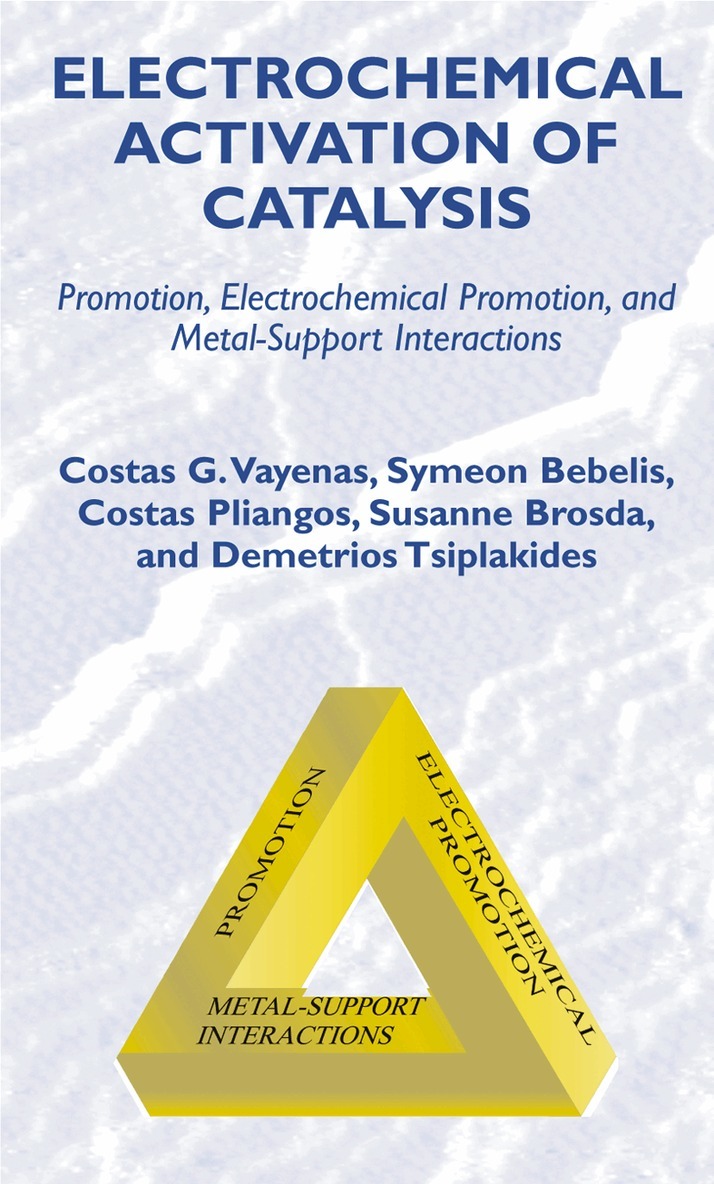
Electrochemical Activation of Catalysis
Promotion, Electrochemical Promotion, and Metal-Support Interactions
Av Costas G. Vayenas, Symeon Bebelis m. fl.
Häftad, 2013
1639 kr
Lägg i varukorg
I knew nothing of the work of C. G. Vayenas on NEMCA until the early nineties. Then I learned from a paper of his idea (gas interface reactions could be catalyzed electrochemically), which seemed quite marvelous; but I did not understand how it worked. Consequently, I decided to correspond with …