T. H. M. Gellar-Goad – författare
Visar alla böcker från författaren T. H. M. Gellar-Goad. Handla med fri frakt och snabb leverans.
16 produkter
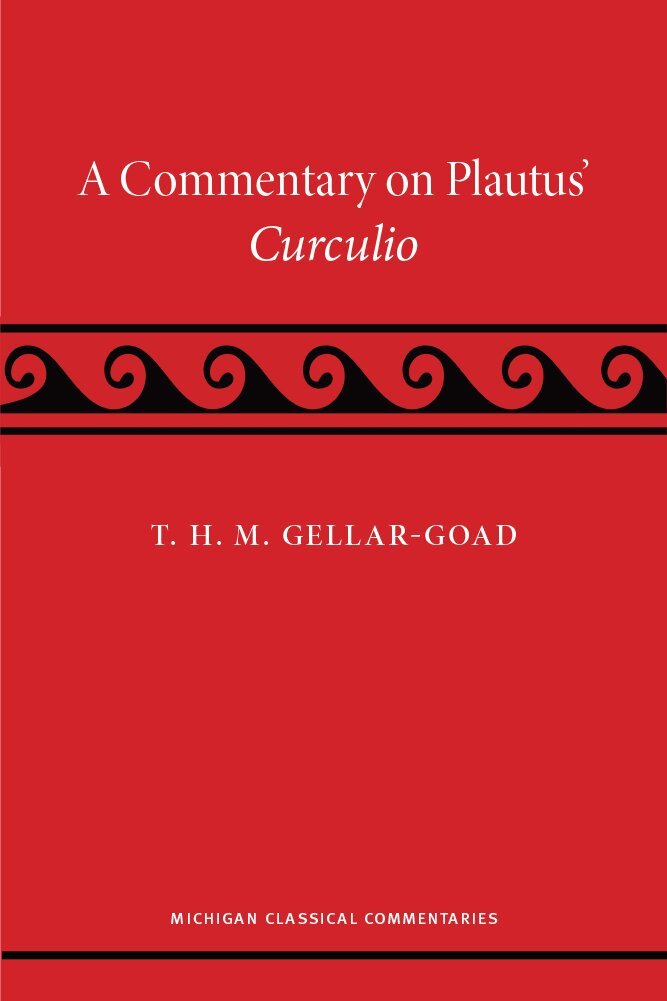
Commentary on Plautus' Curculio
Häftad, 2024
439 kr
Lägg i varukorg
Lively and critically aware, T. H. M. Gellar-Goad’s A Commentary on Plautus’ Curculio is the new reference text on the play. Curculio follows the efforts of the title character to trick a sex-trafficker into handing over an enslaved woman to the young man infatuated with her instead of to the …
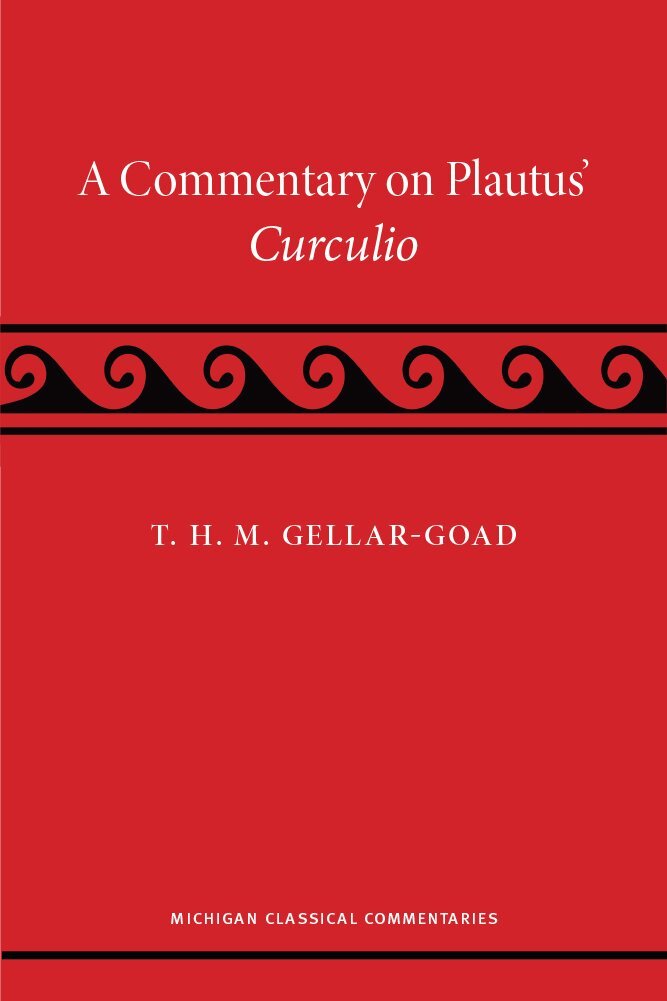
Commentary on Plautus' Curculio
Inbunden, 2024
1212 kr
Lägg i varukorg
Lively and critically aware, T. H. M. Gellar-Goad’s A Commentary on Plautus’ Curculio is the new reference text on the play. Curculio follows the efforts of the title character to trick a sex-trafficker into handing over an enslaved woman to the young man infatuated with her instead of to the …
Laughing Atoms, Laughing Matter
Lucretius'' De Rerum Natura and Satire
E-bok, 2020
1633 kr
Lägg i varukorg
Laughing Atoms, Laughing Matter: Lucretius'' De Rerum Natura and Satire offers the first comprehensive examination of Roman epic poet Lucretius’ engagement with satire. Author T. H. M. Gellar-Goad argues that what has often been understood as an artfully persuasive exposition of Epicurean …
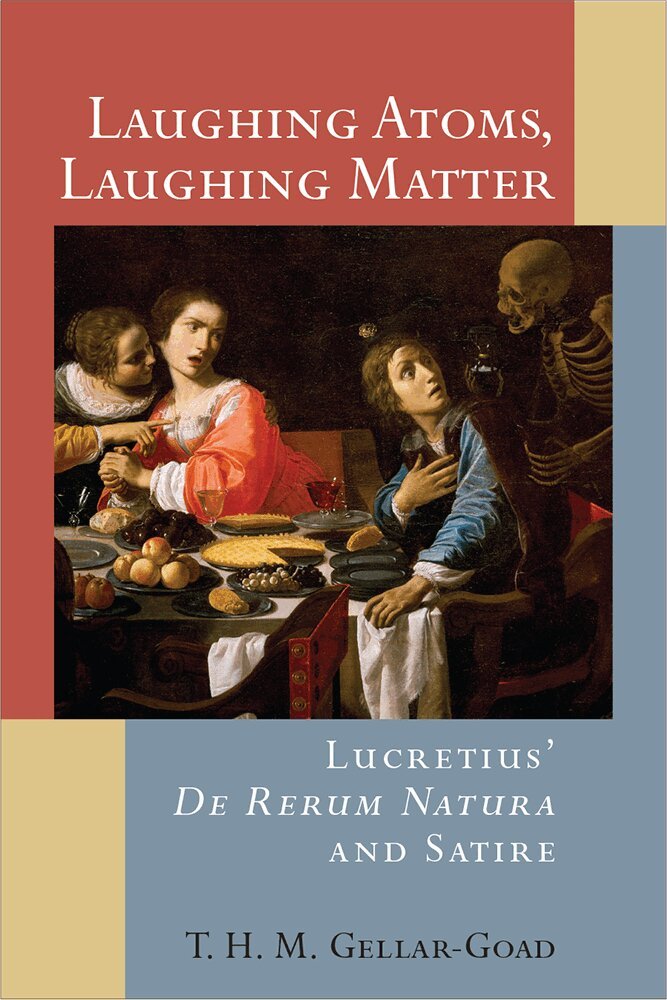
Laughing Atoms, Laughing Matter
Lucretius' De Rerum Natura and Satire
Inbunden, 2020
1453 kr
Lägg i varukorg
Laughing Atoms, Laughing Matter: Lucretius' De Rerum Natura and Satire offers the first comprehensive examination of Roman epic poet Lucretius’ engagement with satire. Author T. H. M. Gellar-Goad argues that what has often been understood as an artfully persuasive exposition of Epicurean philosophy …
Didactic Literature in the Roman World
Av Christopher B. Polt, T. H. M. Gellar-Goad
E-bok, 2023
876 kr
Lägg i varukorg
This book collects new work on Latin didactic poetry and prose in the late Republic and early Empire, and it evaluates the varied, shifting roles that literature of teaching and learning played during this period. Instruction was of special interest in the culture and literature of the late Roman …
Didactic Literature in the Roman World
Av Christopher B. Polt, T. H. M. Gellar-Goad
E-bok, 2023
857 kr
Lägg i varukorg
This book collects new work on Latin didactic poetry and prose in the late Republic and early Empire, and it evaluates the varied, shifting roles that literature of teaching and learning played during this period. Instruction was of special interest in the culture and literature of the late Roman …
Didactic Literature in the Roman World
Av T. H. M. Gellar-Goad, Christopher B. Polt
Inbunden, 2023
2879 kr
Lägg i varukorg
This book collects new work on Latin didactic poetry and prose in the late Republic and early Empire, and it evaluates the varied, shifting roles that literature of teaching and learning played during this period.Instruction was of special interest in the culture and literature of the late Roman …
Didactic Literature in the Roman World
Av T. H. M. Gellar-Goad, Christopher B. Polt
Häftad, 2025
742 kr
Lägg i varukorg
This book collects new work on Latin didactic poetry and prose in the late Republic and early Empire, and it evaluates the varied, shifting roles that literature of teaching and learning played during this period.Instruction was of special interest in the culture and literature of the late Roman …
Plautus: Curculio
Av T. H. M. Gellar-Goad, C. W. Marshall
Inbunden, 2021
1385 kr
Lägg i varukorg
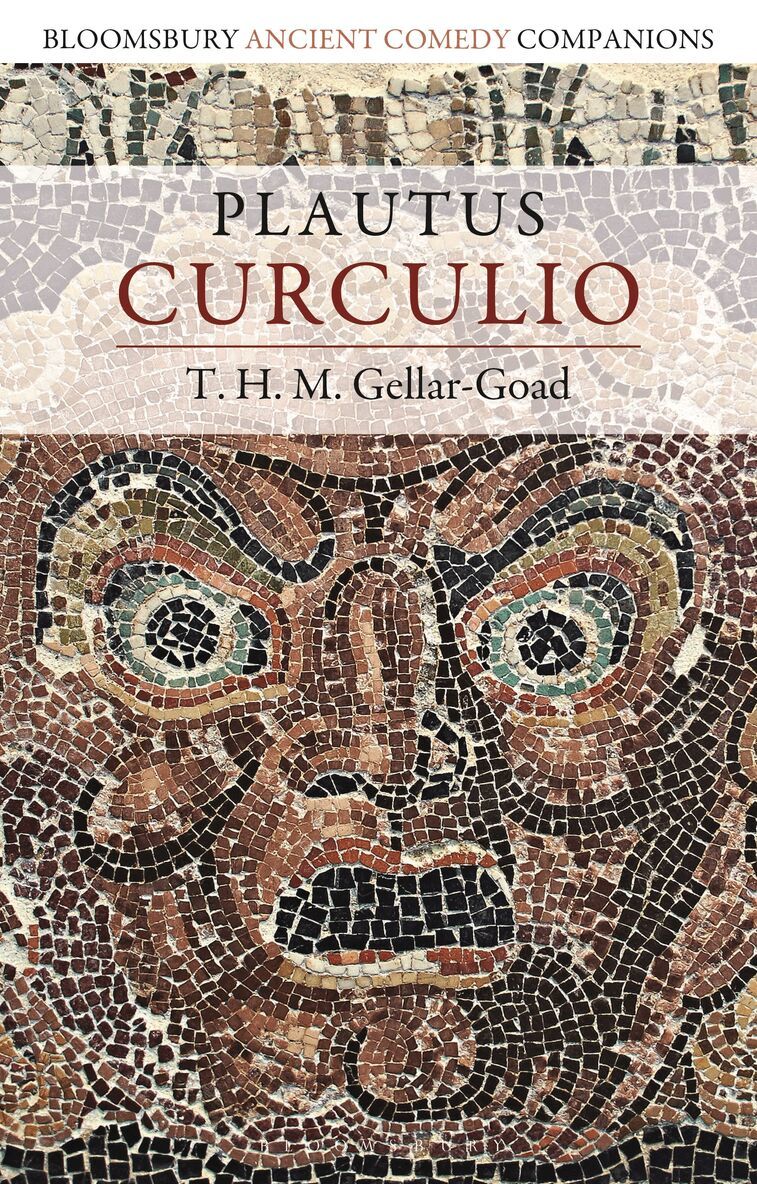
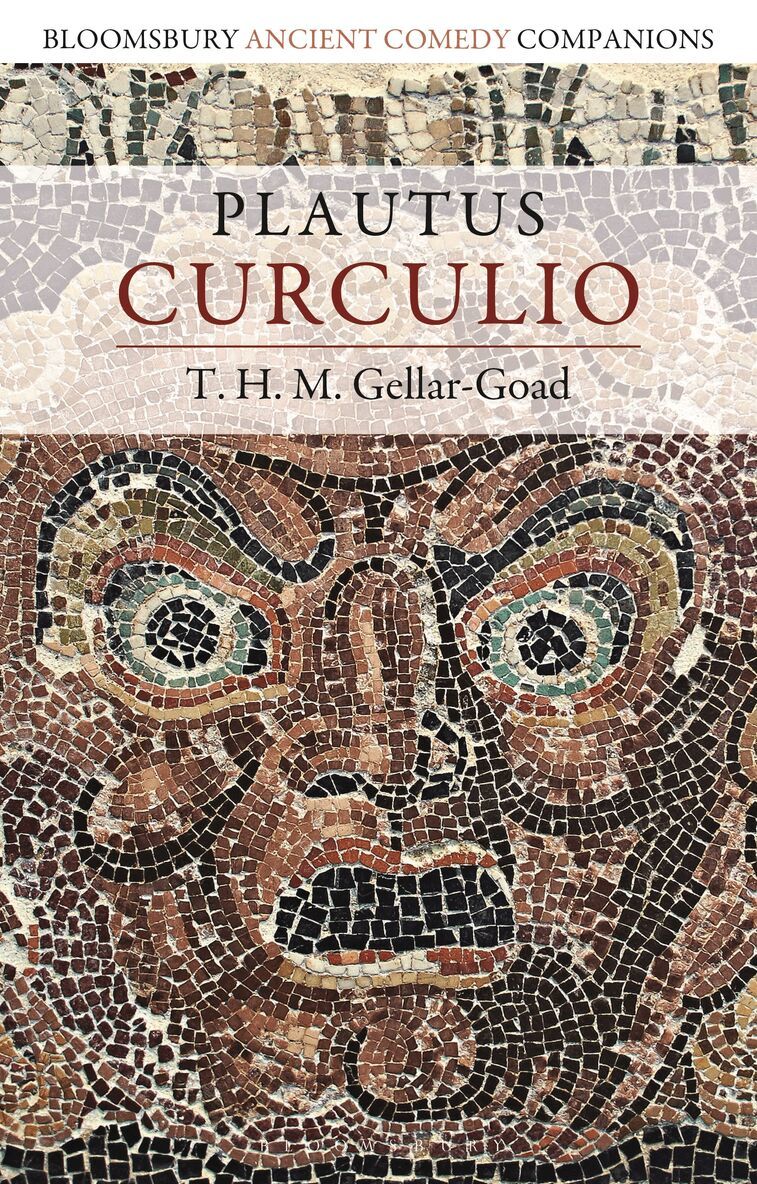
This is the first book-length study of Plautus' shortest surviving comedy, Curculio, a play in which the tricksy brown-nosed title character (“The Weevil”) bamboozles a shady banker and a pious pimp to secure the freedom of the enslaved girl his patron has fallen for while keeping her out of the …
Plautus: Curculio
E-bok, 2021
448 kr
Lägg i varukorg
This is the first book-length study of Plautus'' shortest surviving comedy, Curculio , a play in which the tricksy brown-nosed title character (“The Weevil”) bamboozles a shady banker and a pious pimp to secure the freedom of the enslaved girl his patron has fallen for while keeping her out of the …
Plautus: Curculio
E-bok, 2021
448 kr
Lägg i varukorg
This is the first book-length study of Plautus'' shortest surviving comedy, Curculio , a play in which the tricksy brown-nosed title character (“The Weevil”) bamboozles a shady banker and a pious pimp to secure the freedom of the enslaved girl his patron has fallen for while keeping her out of the …
Plautus: Curculio
Av T. H. M. Gellar-Goad, C. W. Marshall
Häftad, 2022
413 kr
Lägg i varukorg
This is the first book-length study of Plautus' shortest surviving comedy, Curculio, a play in which the tricksy brown-nosed title character (“The Weevil”) bamboozles a shady banker and a pious pimp to secure the freedom of the enslaved girl his patron has fallen for while keeping her out of the …
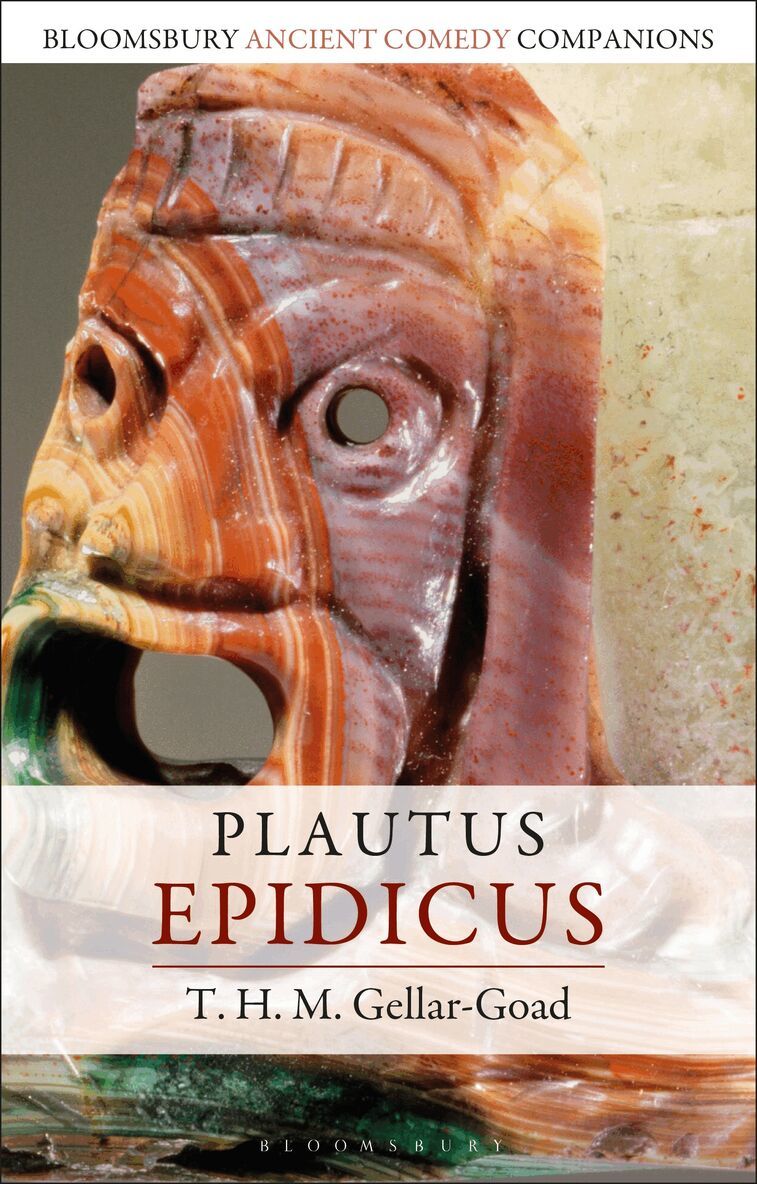
Plautus: Epidicus
Av T. H. M. Gellar-Goad, C. W. Marshall
Inbunden, 2025
1142 kr
Lägg i varukorg
Plautus’ comedy Epidicus has the most convoluted, complicated and recursive plot in all known ancient Greek and Roman literature – despite being shorter than all but two other plays that survive in full from ancient drama. The play is filled with doubles and triples: two soldiers, three …
Plautus: Epidicus
E-bok, 2025
1107 kr
Lägg i varukorg
Plautus' comedy Epidicus has the most convoluted, complicated and recursive plot in all known ancient Greek and Roman literature despite being shorter than all but two other plays that survive in full from ancient drama. The play is filled with doubles and triples: two soldiers, three lyre-players, …
Plautus: Epidicus
E-bok, 2025
1107 kr
Lägg i varukorg
Plautus' comedy Epidicus has the most convoluted, complicated and recursive plot in all known ancient Greek and Roman literature despite being shorter than all but two other plays that survive in full from ancient drama. The play is filled with doubles and triples: two soldiers, three lyre-players, …
Plautus: Epidicus
Av T. H. M. Gellar-Goad, C. W. Marshall
Häftad, 2027
377 kr
Kommande
Plautus’ comedy Epidicus has the most convoluted, complicated and recursive plot in all known ancient Greek and Roman literature – despite being shorter than all but two other plays that survive in full from ancient drama. The play is filled with doubles and triples: two soldiers, three …