T. M. Charles-Edwards – författare
Visar alla böcker från författaren T. M. Charles-Edwards. Handla med fri frakt och snabb leverans.
6 produkter
Wales and the Britons, 350-1064
E-bok, 2012
907 kr
Lägg i varukorg
This, the first volume in the History of Wales , provides a detailed history of Wales in the period in which it was created out of the remnants of Roman Britain. It thus begins in the fourth century, with accelerating attacks from external forces, and ends shortly before the Norman Conquest of …
Early Irish and Welsh Kinship
Inbunden, 1993
5018 kr
Lägg i varukorg
This is a major comparative study of early Irish and Welsh kinship. Kinship is a central element in all human societies. It was of particular significance in early medieval Ireland and Wales where governmental institutions were, in general, weak.T. M. Charles-Edwards examines the forms of kinship …
Wales and the Britons, 350-1064
Inbunden, 2012
2856 kr
Lägg i varukorg
This, the first volume in the History of Wales, provides a detailed history of Wales in the period in which it was created out of the remnants of Roman Britain. It thus begins in the fourth century, with accelerating attacks from external forces, and ends shortly before the Norman Conquest of …
Wales and the Britons, 350-1064
Häftad, 2014
1151 kr
Lägg i varukorg
This, the first volume in the History of Wales, provides a detailed history of Wales in the period in which it was created out of the remnants of Roman Britain. It thus begins in the fourth century, with accelerating attacks from external forces, and ends shortly before the Norman Conquest of …
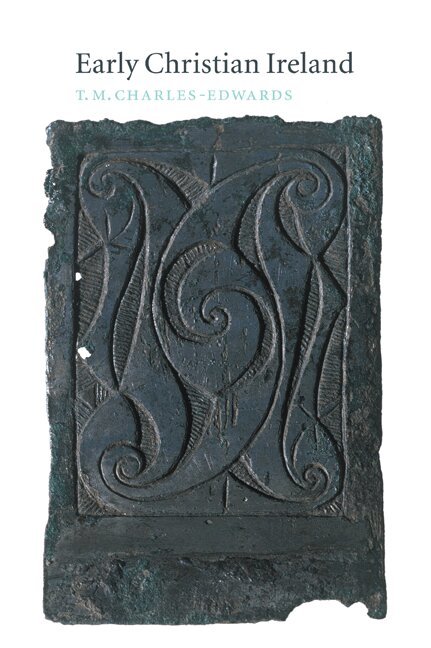
Early Christian Ireland
Häftad, 2007
720 kr
Lägg i varukorg
This book provides a fully documented history of Ireland and the Irish between the fourth and ninth centuries AD, from St Patrick to the Vikings - the earliest period for which historical records are available. It opens with the Irish raids and settlements in Britain, and the conversion of Ireland …
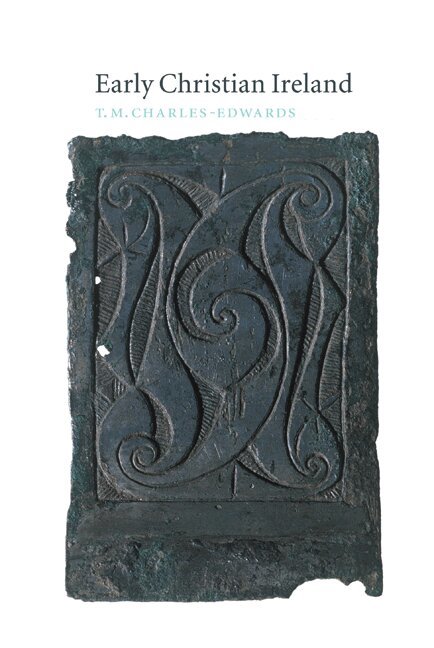
Early Christian Ireland
Inbunden, 2000
1919 kr
Lägg i varukorg
This book provides a fully documented history of Ireland and the Irish between the fourth and ninth centuries AD, from St Patrick to the Vikings - the earliest period for which historical records are available. It opens with the Irish raids and settlements in Britain, and the conversion of Ireland …