T. P. Wiseman – författare
Visar alla böcker från författaren T. P. Wiseman. Handla med fri frakt och snabb leverans.
21 produkter
Roman Audience
Classical Literature as Social History
E-bok, 2015
1834 kr
Lägg i varukorg
Who were Roman authors writing for ? Only a minority of the population was fully literate and books were very expensive, individually hand-written on imported papyrus. So does it follow that great poets and prose authors like Virgil and Livy, Ovid and Petronius, were writing only for the cultured …
Remembering the Roman People
Essays on Late-Republican Politics and Literature
E-bok, 2008
537 kr
Lägg i varukorg
In the Roman republic, only the People could pass laws, only the People could elect politicians to office, and the very word republica meant ''the People''s business''. So why is it always assumed that the republic was an oligarchy? The main reason is that most of what we know about it we know from …
Remembering the Roman People
Essays on Late-Republican Politics and Literature
E-bok, 2011
537 kr
Lägg i varukorg
In the Roman republic, only the People could pass laws, only the People could elect politicians to office, and the very word republica meant ''the People''s business''. So why is it always assumed that the republic was an oligarchy? The main reason is that most of what we know about it we know from …
Classics in Progress
Essays on Ancient Greece and Rome
Häftad, 2006
699 kr
Lägg i varukorg
The study of Greco-Roman civilisation is as exciting and innovative today as it has ever been. This intriguing collection of essays by contemporary classicists reveals new discoveries, new interpretations and new ways of exploring the experiences of the ancient world.Through one and a half …
The Roman Audience
Classical Literature as Social History
Inbunden, 2015
3023 kr
Lägg i varukorg
Who were Roman authors writing for? Only a minority of the population was fully literate and books were very expensive, individually hand-written on imported papyrus. So does it follow that great poets and prose authors like Virgil and Livy, Ovid and Petronius, were writing only for the cultured …
Remembering the Roman People
Essays on Late-Republican Politics and Literature
Inbunden, 2008
3294 kr
Lägg i varukorg
In the Roman republic, only the People could pass laws, only the People could elect politicians to office, and the very word republica meant 'the People's business'. So why is it always assumed that the republic was an oligarchy? The main reason is that most of what we know about it we know from …
Remembering the Roman People
Essays on Late-Republican Politics and Literature
Häftad, 2011
730 kr
Lägg i varukorg
In the Roman republic, only the People could pass laws, only the People could elect politicians to office, and the very word republica meant 'the People's business'. So why is it always assumed that the republic was an oligarchy? The main reason is that most of what we know about it we know from …
Catullus and his World
A Reappraisal
Häftad, 1986
842 kr
Lägg i varukorg
This book is an attempt to read the poems of Gaius Valerius Catullus in his own context; to look at the poet and his works against the cultural realities of the first century BC as recent advances in historical research allow us to understand them. Catullus' own social background, the circumstances …
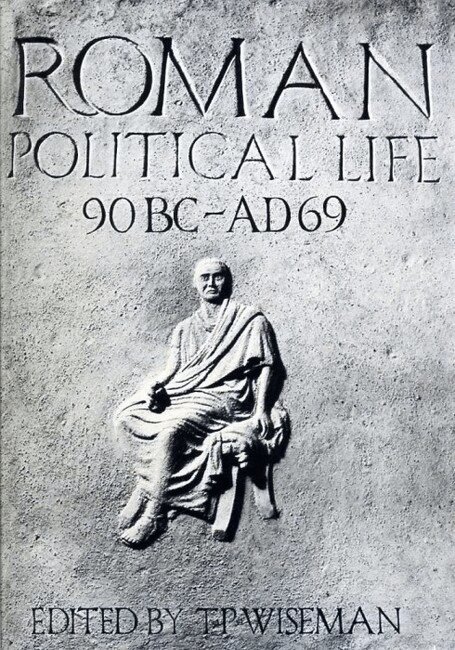
Roman Political Life, 90BC-AD69
Häftad, 1985
440 kr
Lägg i varukorg
Essays designed to illuminate the nature of politics at the end of the late Republic and during the first dynasty of the Principate.
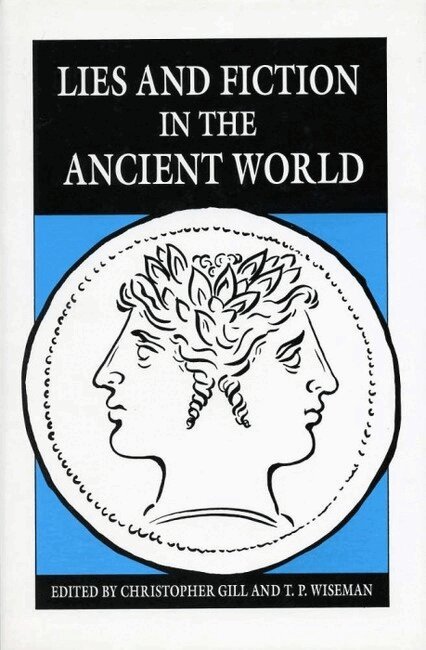
Lies and Fiction in the Ancient World
Av Christopher Gill, T. P. Wiseman
Inbunden, 1993
2368 kr
Lägg i varukorg
This collection of essays explores the key issue of the nature of the boundary between fact and fiction, an issue which has become prominent especially through the upsurge of interest in the ancient novel and recent work on the rhetorical character of ancient historiography. The collection covers …
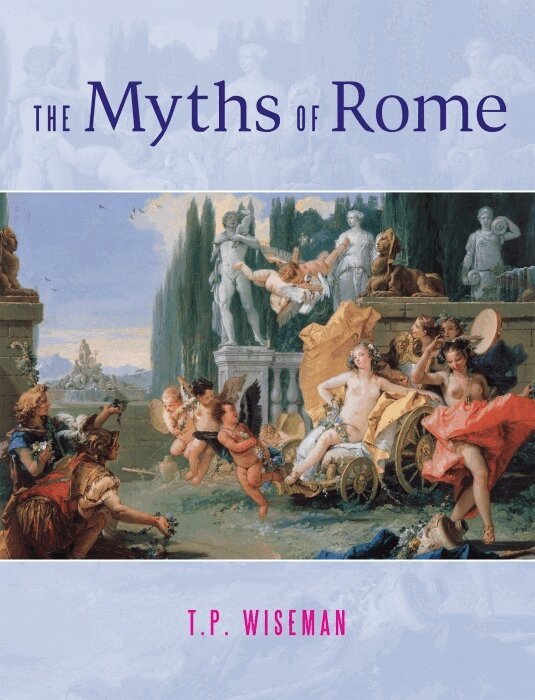
The Myths of Rome
Häftad, 2008
716 kr
Lägg i varukorg
Winner of American Philological Association: C.J. Goodwin Award of Merit 2005. Shortlisted for British Academy Book Prize 2005. Widely reviewed and celebrated in hardback on publication in 2004, "The Myths of Rome" is now available in a paperback edition.This major re-evaluation of Roman history …
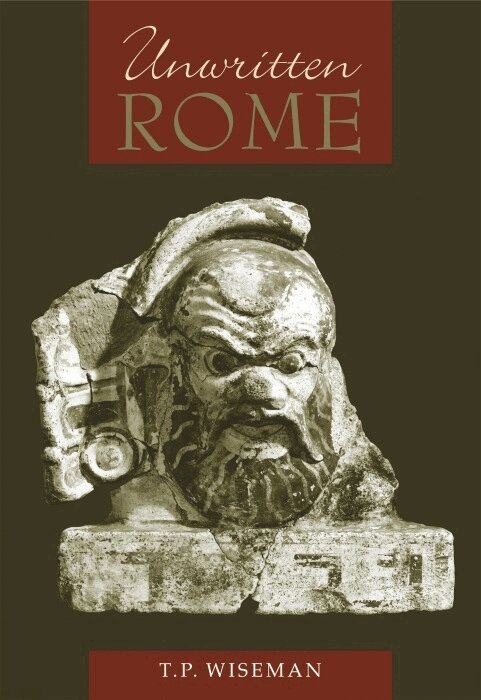
Unwritten Rome
Häftad, 2008
672 kr
Lägg i varukorg
In Unwritten Rome, a new book by the author of Myths of Rome, T.P. Wiseman presents us with an imaginative and appealing picture of the early society of pre-literary Rome—as a free and uninhibited world in which the arts and popular entertainments flourished. This original angle allows the voice of …
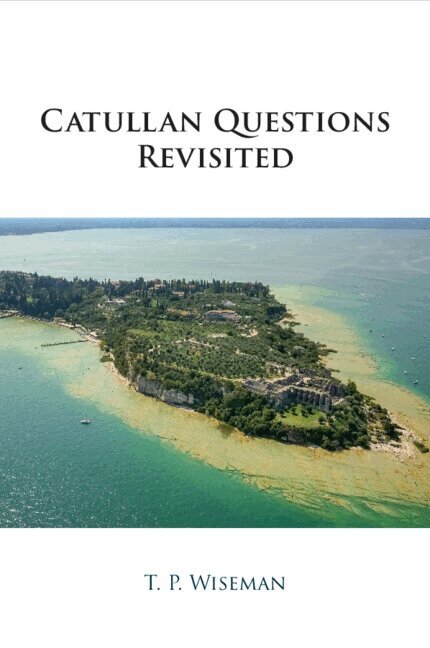
Catullan Questions Revisited
Häftad, 2024
359 kr
Lägg i varukorg
Catullan Questions Revisited offers a new insight into the brilliant poet who loved an aristocratic girl, attacked Julius Caesar and became a satirical playwright. Insisting on scrupulous use of the primary sources, Peter Wiseman combines textual, historical and even archaeological evidence to …
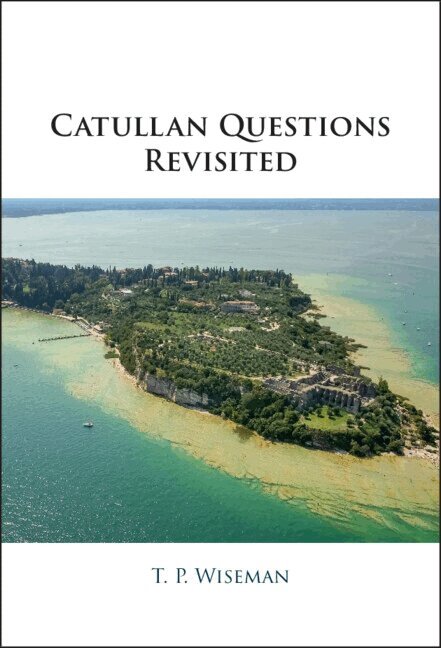
Catullan Questions Revisited
E-bok, 2022
375 kr
Lägg i varukorg
Catullan Questions Revisited offers a new insight into the brilliant poet who loved an aristocratic girl, attacked Julius Caesar and became a satirical playwright. Insisting on scrupulous use of the primary sources, Peter Wiseman combines textual, historical and even archaeological evidence to …
Catullan Questions Revisited
Inbunden, 2022
1554 kr
Lägg i varukorg
Catullan Questions Revisited offers a new insight into the brilliant poet who loved an aristocratic girl, attacked Julius Caesar and became a satirical playwright. Insisting on scrupulous use of the primary sources, Peter Wiseman combines textual, historical and even archaeological evidence to …
Catullan Questions Revisited
E-bok, 2022
375 kr
Lägg i varukorg
Catullan Questions Revisited offers a new insight into the brilliant poet who loved an aristocratic girl, attacked Julius Caesar and became a satirical playwright. Insisting on scrupulous use of the primary sources, Peter Wiseman combines textual, historical and even archaeological evidence to …
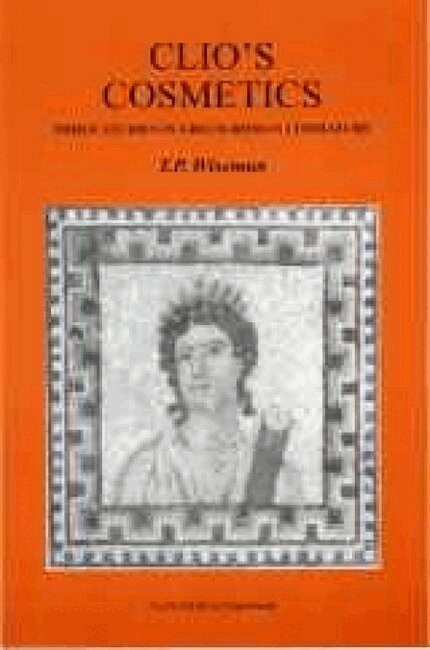
Clio's Cosmetics
Three Studies in Greco-Roman Literature
Häftad, 2004
578 kr
Lägg i varukorg
Clio is Muse of history, her 'cosmetics' the adornments of rhetoric. Peter Wiseman's influential book, first published in 1979 and now for the first time in paperback, concerns the writing of history during the first century BCE, when Rome was in process of becoming the centre of the Greek, as much …
Classics in Progress – Essays on Ancient Greece and Rome
Essays on Ancient Greece and Rome
Av T. P. Wiseman, T. P. Wiseman
Inbunden, 2002
898 kr
Tillfälligt slut
The study of Greco-Roman civilisation is as exciting and innovative today as it has ever been. This intriguing collection of essays by contemporary classicists reveals new discoveries, new interpretations and new ways of exploring the experiences of the ancient world. Through one and a half …
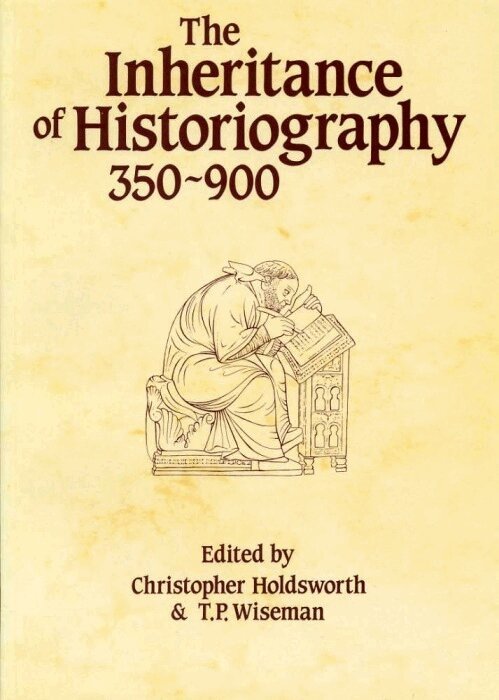
The Inheritance of Historiography, 350-900
Av Christopher Holdsworth, T. P. Wiseman
Häftad, 1986
488 kr
Tillfälligt slut
To what extent did the historians of the early Middle Ages inherit the aims and methods of Greek and Roman historiography? How far were they influenced by classical coventions about literary genre, rhetorical technique and political subject-matter? A conference held in Exeter in 1985 brought …
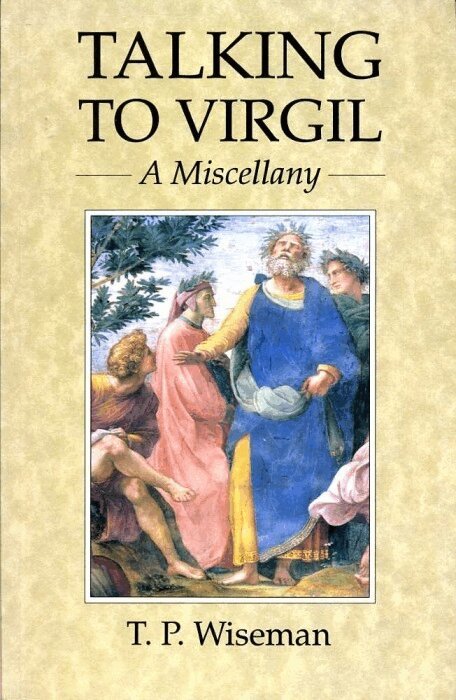
Talking to Virgil
A Miscellany
Häftad, 1992
526 kr
Tillfälligt slut
A unique collection that uncovers connections between a fascinating assortment of subjects with classical associations, ranging from Plato to Anthony Powell.