T. Parent – författare
Visar alla böcker från författaren T. Parent. Handla med fri frakt och snabb leverans.
8 produkter
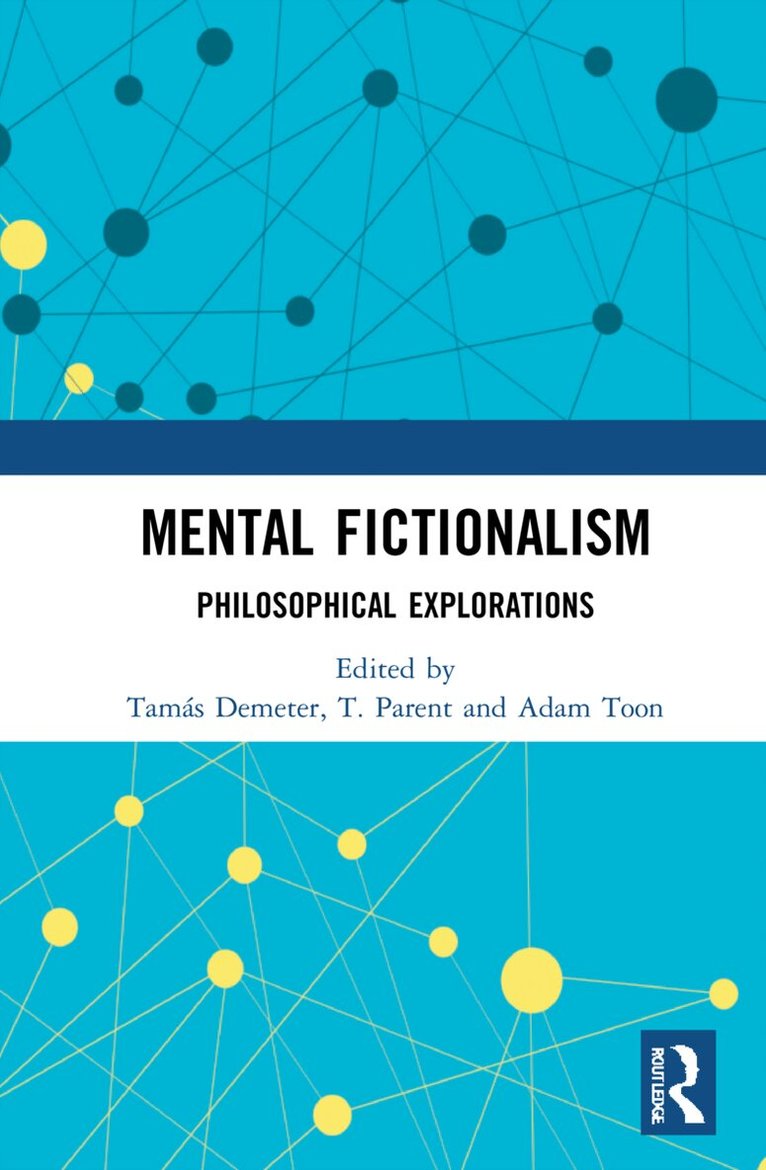
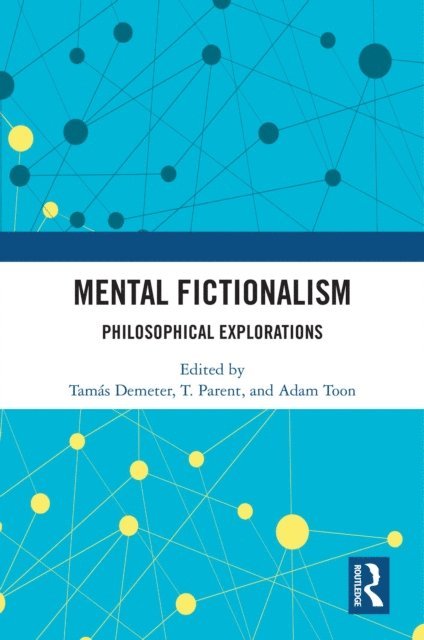
Mental Fictionalism
Philosophical Explorations
Av Tamás Demeter, T. Parent m. fl.
Inbunden, 2022
2504 kr
Lägg i varukorg
What are mental states? When we talk about people’s beliefs or desires, are we talking about what is happening inside their heads? If so, might cognitive science show that we are wrong? Might it turn out that mental states do not exist? Mental fictionalism offers a new approach to these …
Mental Fictionalism
Philosophical Explorations
Av Tamás Demeter, T. Parent m. fl.
Häftad, 2024
718 kr
Lägg i varukorg
What are mental states? When we talk about people’s beliefs or desires, are we talking about what is happening inside their heads? If so, might cognitive science show that we are wrong? Might it turn out that mental states do not exist? Mental fictionalism offers a new approach to these …
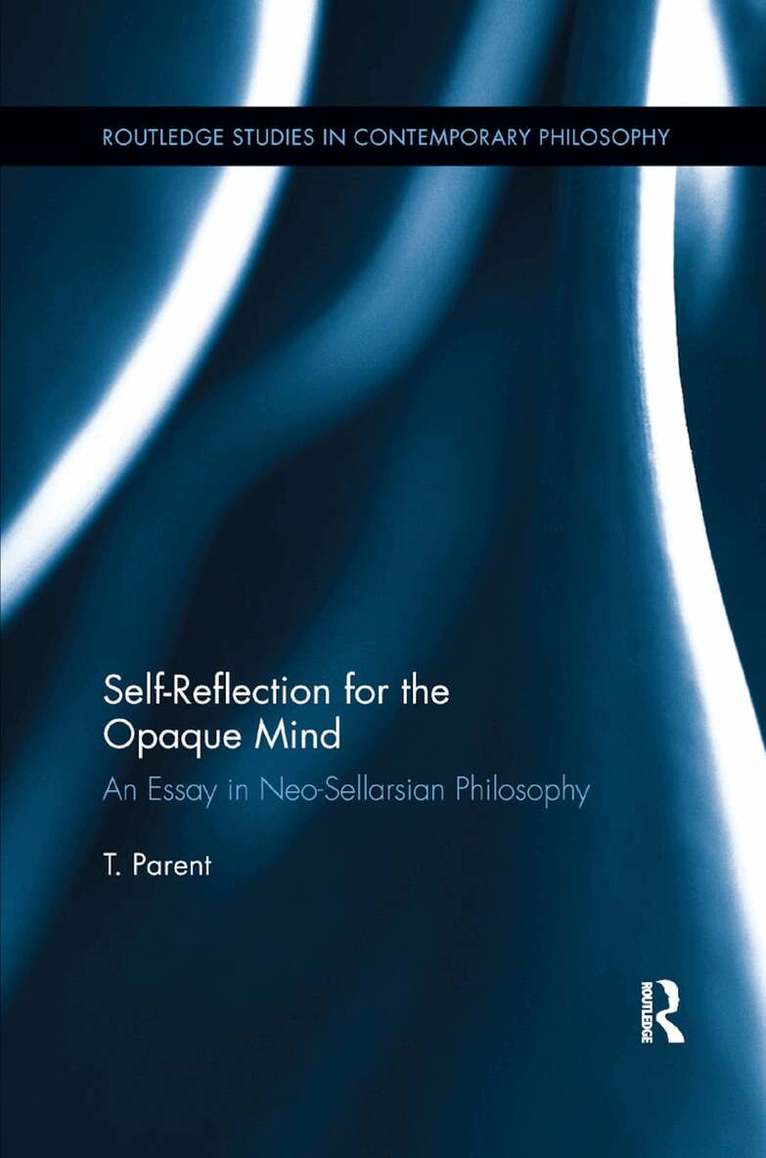
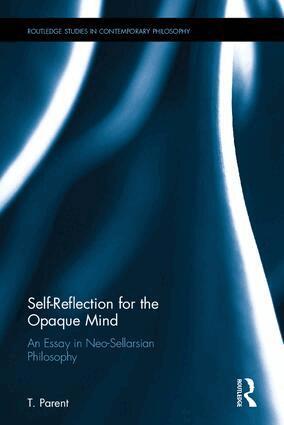
Self-Reflection for the Opaque Mind
An Essay in Neo-Sellarsian Philosophy
Av T. Parent
Häftad, 2019
704 kr
Lägg i varukorg
This volume attempts to solve a grave problem about critical self-reflection. The worry is that we critical thinkers are all in "epistemic bad faith" in light of what psychology tells us. After all, the research shows not merely that we are bad at detecting "ego-threatening" thoughts à la Freud. It …
Mental Fictionalism
Philosophical Explorations
Av Adam Toon, T. Parent m. fl.
E-bok, 2022
762 kr
Lägg i varukorg
What are mental states? When we talk about people’s beliefs or desires, are we talking about what is happening inside their heads? If so, might cognitive science show that we are wrong? Might it turn out that mental states do not exist? Mental fictionalism offers a new approach to these …
Mental Fictionalism
Philosophical Explorations
Av Adam Toon, T. Parent m. fl.
E-bok, 2022
762 kr
Lägg i varukorg
What are mental states? When we talk about people’s beliefs or desires, are we talking about what is happening inside their heads? If so, might cognitive science show that we are wrong? Might it turn out that mental states do not exist? Mental fictionalism offers a new approach to these …
Self-Reflection for the Opaque Mind
An Essay in Neo-Sellarsian Philosophy
Av T. Parent
Inbunden, 2016
2504 kr
Lägg i varukorg
This volume attempts to solve a grave problem about critical self-reflection. The worry is that we critical thinkers are all in "epistemic bad faith" in light of what psychology tells us. After all, the research shows not merely that we are bad at detecting "ego-threatening" thoughts à la Freud. It …
Self-Reflection for the Opaque Mind
An Essay in Neo-Sellarsian Philosophy
Av T. Parent
E-bok, 2016
831 kr
Lägg i varukorg
This volume attempts to solve a grave problem about critical self-reflection. The worry is that we critical thinkers are all in "epistemic bad faith" in light of what psychology tells us. After all, the research shows not merely that we are bad at detecting "ego-threatening" thoughts à la Freud. It …
Self-Reflection for the Opaque Mind
An Essay in Neo-Sellarsian Philosophy
Av T. Parent
E-bok, 2016
813 kr
Lägg i varukorg
This volume attempts to solve a grave problem about critical self-reflection. The worry is that we critical thinkers are all in "epistemic bad faith" in light of what psychology tells us. After all, the research shows not merely that we are bad at detecting "ego-threatening" thoughts à la Freud. It …