Tadeusz Slawek - Böcker
Visar alla böcker från författaren Tadeusz Slawek. Handla med fri frakt och snabb leverans.
3 produkter
3 produkter
440 kr
Tillfälligt slut
This response to Derrida's critique of the spoken uses dozens of examples in four languages to explore the voice that is in writing.Jacques Derrida has ably analyzed the writing that is in speaking, but this reply to his work analyzes the speaking that is in writing. This book defends and illustrates literary voice against modern philosophy's critique of the spoken, and in the light of Mikhail Bakhtin's dialogism and Henri Meschonnic's studies on subjectivity in rhythmic language. The authors find literary voice to be maximal in bardic speech, where the author speaks for the nation. This full voice stands between the two minimums of the body (grunts and sighs and birdsong), and the material text (loss of logic, narrative, and social tones in Nietzsche and in the American LANGUAGE poets).
Revelations of Gloucester
Charles Olsen,Fitz Hugh Lane,and Writing of the Place
Häftad, Engelska, 2003
784 kr
Skickas inom 5-8 vardagar
Del 7 - Dis/Continuities
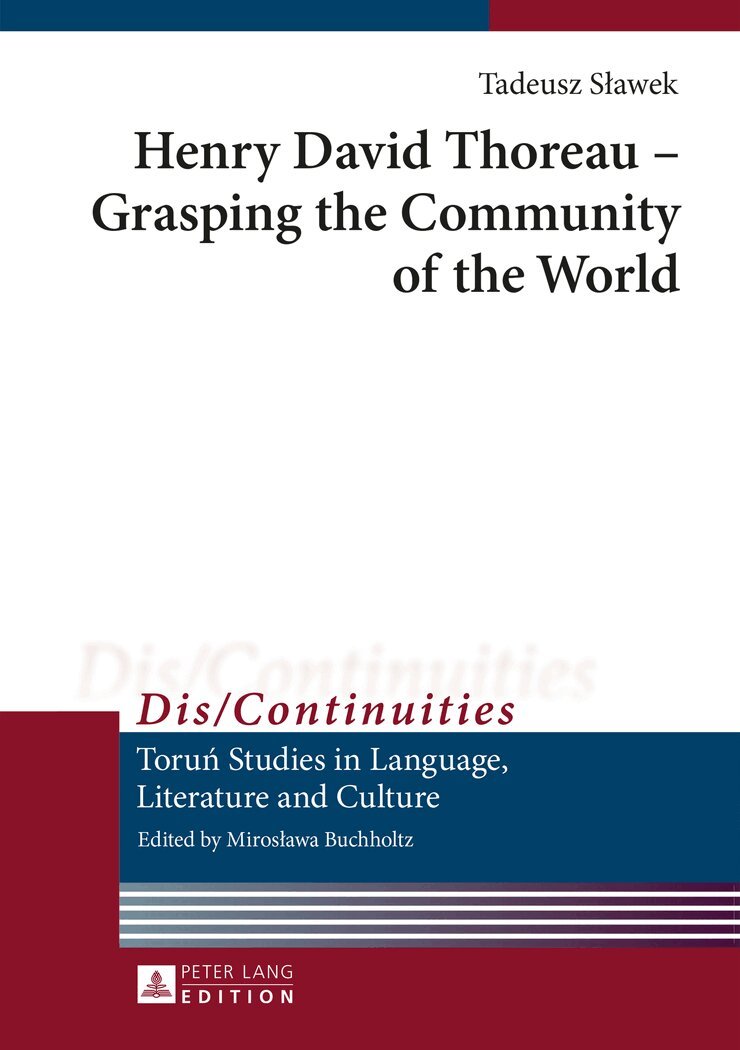
Henry David Thoreau – Grasping the Community of the World
Translated by Jean Ward
Inbunden, Engelska, 2014
994 kr
Skickas inom 5-8 vardagar
This study takes up Thoreau’s work as an early and prophetic diagnosis of the modern crisis of relationships between the individual and society. Thus Adorno’s formulation of «a melancholy of science» finds its predecessor in Thoreau’s famous dictum from the early pages of Walden that we live our lives in quiet desperation. The author reads Thoreau’s Journal as an attempt to refute tendencies towards the narrowing of life to being understood merely in techno-economic categories which threaten the quality of the development of both the individual and the community. Thus in literary scholarship it is essential to find strategies which will critically contribute to understanding and transforming what Auerbach called «ways of life» and what Barthes referred to as «living-together».