Taeku Lee – författare
Visar alla böcker från författaren Taeku Lee. Handla med fri frakt och snabb leverans.
14 produkter
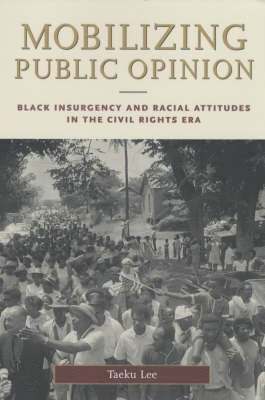
Mobilizing Public Opinion
Black Insurgency and Racial Attitudes in the Civil Rights Era
Av Taeku Lee
Inbunden, 2002
1218 kr
Lägg i varukorg
What motivates us to change our opinions during times of political protest and social unrest? To investigate this question, Taeku Lee's smartly argued book looks to the critical struggle over the moral principles, group interests, and racial animosities that defined public support for racial …
Mobilizing Public Opinion
Black Insurgency and Racial Attitudes in the Civil Rights Era
Av Taeku Lee
Häftad, 2002
325 kr
Lägg i varukorg
What motivates us to change our opinions during times of political protest and social unrest? To investigate this question, Taeku Lee's smartly argued book looks to the critical struggle over the moral principles, group interests, and racial animosities that defined public support for racial …
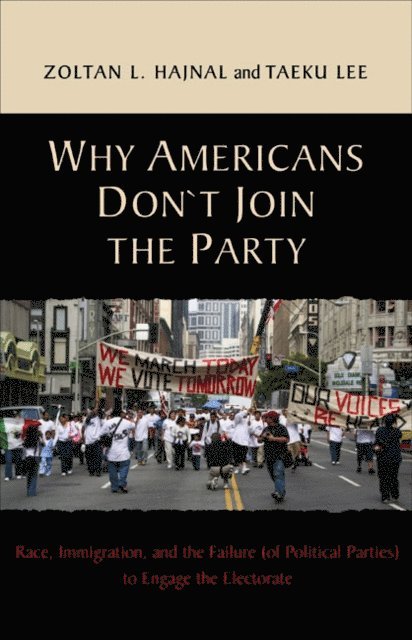
Why Americans Don't Join the Party
Race, Immigration, and the Failure (of Political Parties) to Engage the Electorate
Häftad, 2011
436 kr
Lägg i varukorg
Two trends are dramatically altering the American political landscape: growing immigration and the rising prominence of independent and nonpartisan voters. Examining partisan attachments across the four primary racial groups in the United States, this book offers the first sustained and systematic …
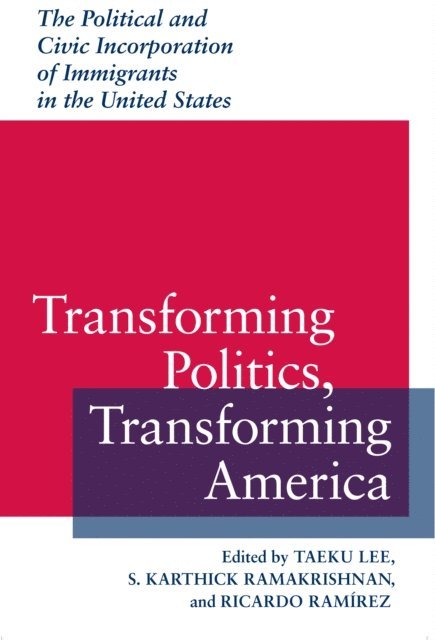
Transforming Politics, Transforming America
The Political and Civic Incorporation of Immigrants in the United States
Av Ricardo Ramirez, S. Karthick Ramakrishnan m. fl.
E-bok, 2012
435 kr
Lägg i varukorg
Over the past four decades, the foreign-born population in the United States has nearly tripled, from about 10 million in 1965 to more than 30 million today. This wave of new Americans comes in disproportionately large numbers from Latin America and Asia, a pattern that is likely to continue in …
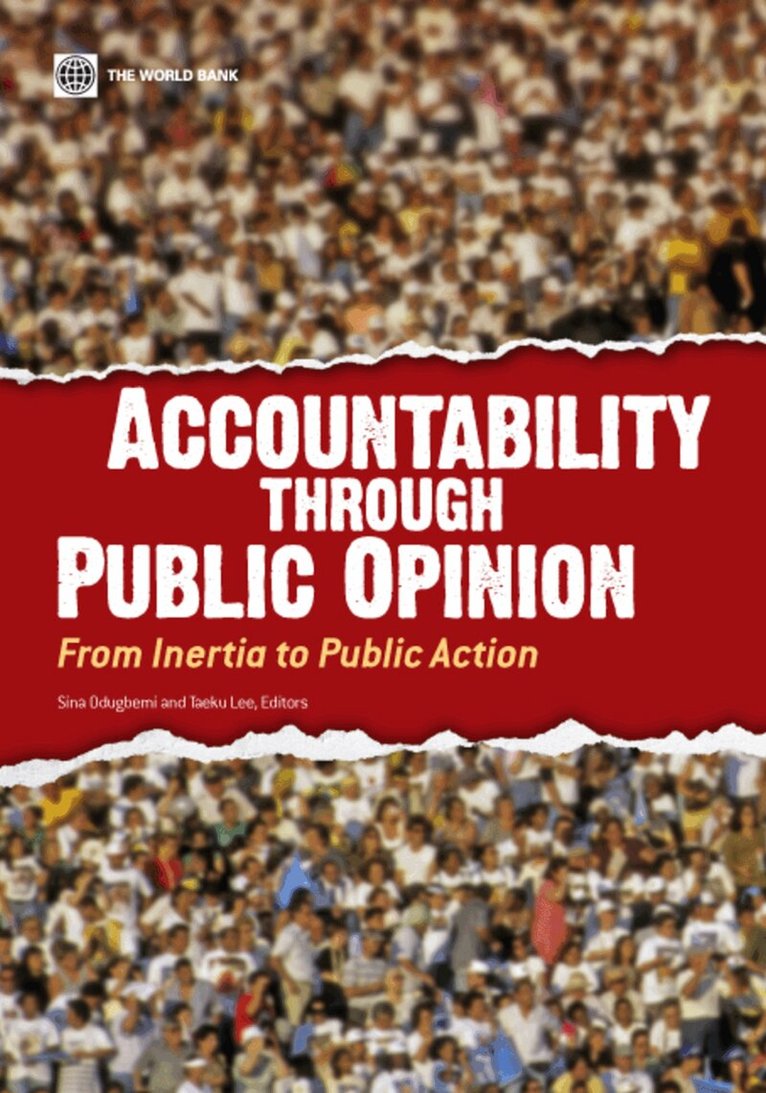
Accountability Through Public Opinion
From Inertia to Public Action
Häftad, 2011
516 kr
Lägg i varukorg
“Accountability” has become a buzzword in international development. Development actors appear to delight in announcing their intention to “promote accountability”—but it is often unclear what accountability is and how it can be promoted. This book addresses some questions that are crucial to …
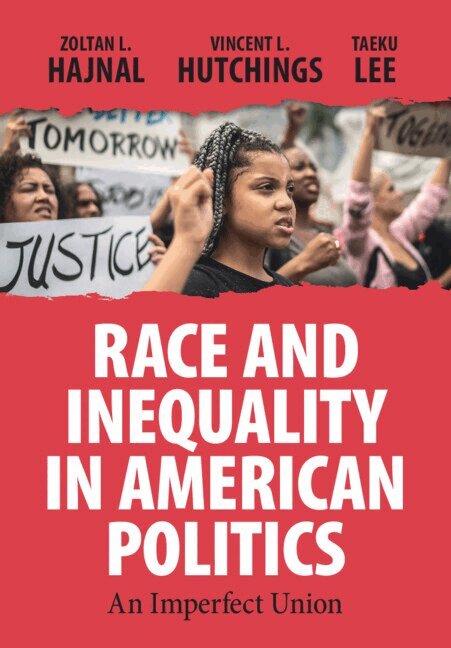
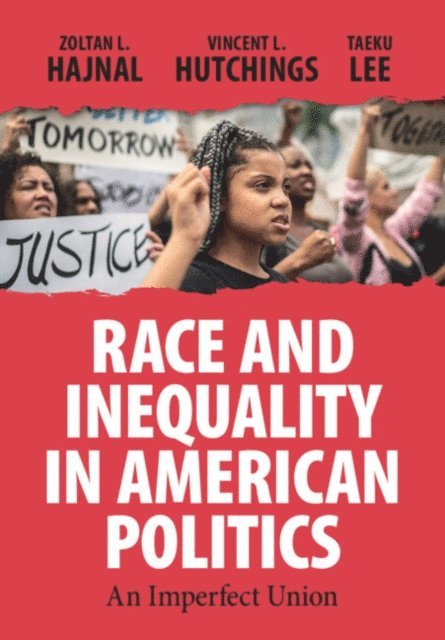
Race and Inequality in American Politics
An Imperfect Union
Av Zoltan L. Hajnal, Vincent L. Hutchings m. fl.
Inbunden, 2024
1644 kr
Lägg i varukorg
Authored by three of the USA's most well-known scholars on American politics, this undergraduate textbook argues that racial considerations are today-and have always been since the nation's founding-central to understanding America's political system writ large. Drawing on decades of teaching …
Race and Inequality in American Politics
An Imperfect Union
Av Taeku Lee, Vincent L. Hutchings m. fl.
E-bok, 2024
571 kr
Lägg i varukorg
Race and Inequality in American Politics
An Imperfect Union
Av Taeku Lee, Vincent L. Hutchings m. fl.
E-bok, 2024
571 kr
Lägg i varukorg
Authored by three of the USA''s most well-known scholars on American politics, this undergraduate textbook argues that racial considerations are today-and have always been since the nation''s founding-central to understanding America''s political system writ large. Drawing on decades of teaching …
Race and Inequality in American Politics
An Imperfect Union
Av Zoltan L. Hajnal, Vincent L. Hutchings m. fl.
Häftad, 2024
585 kr
Lägg i varukorg
Authored by three of the USA's most well-known scholars on American politics, this undergraduate textbook argues that racial considerations are today-and have always been since the nation's founding-central to understanding America's political system writ large. Drawing on decades of teaching …
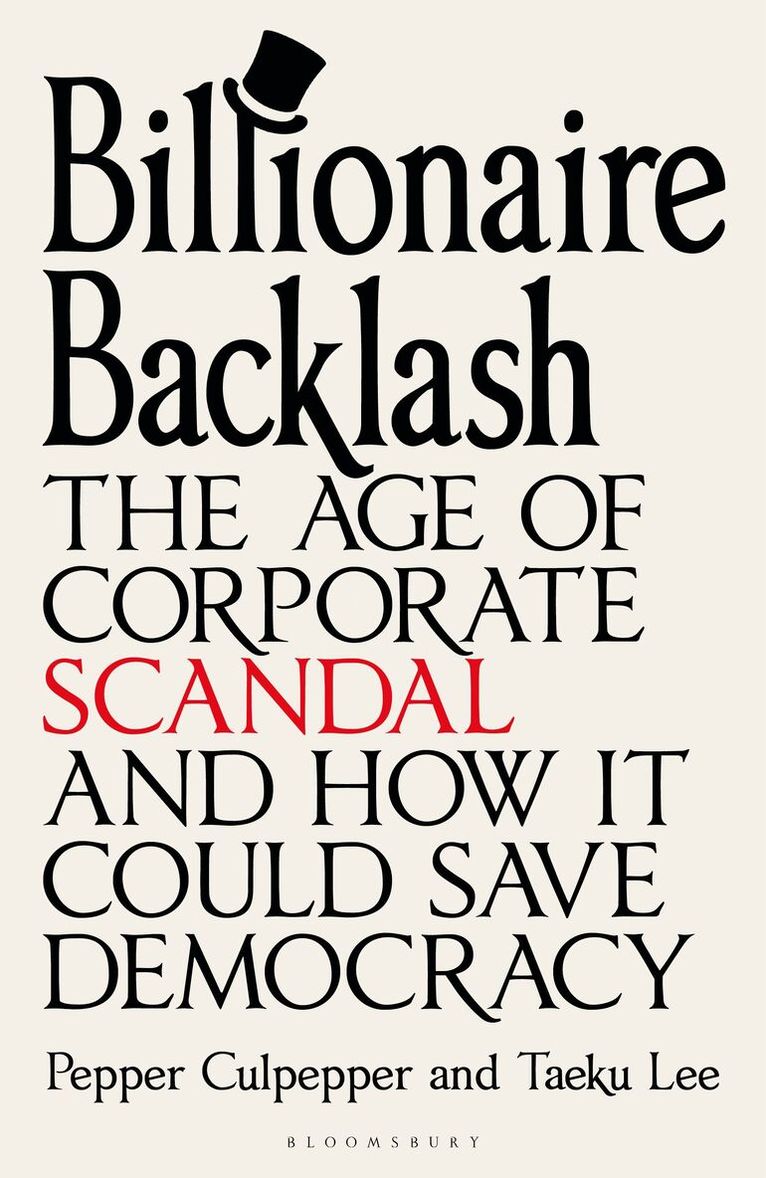
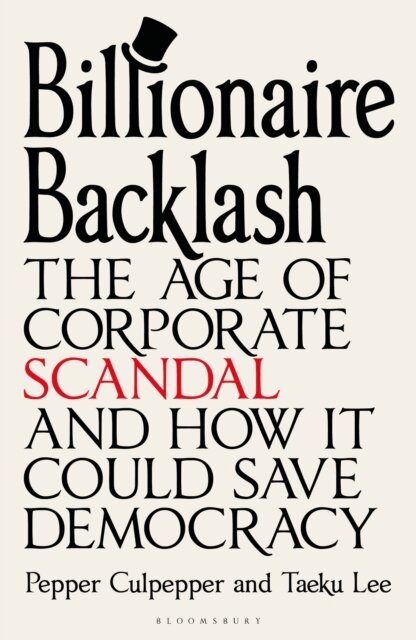
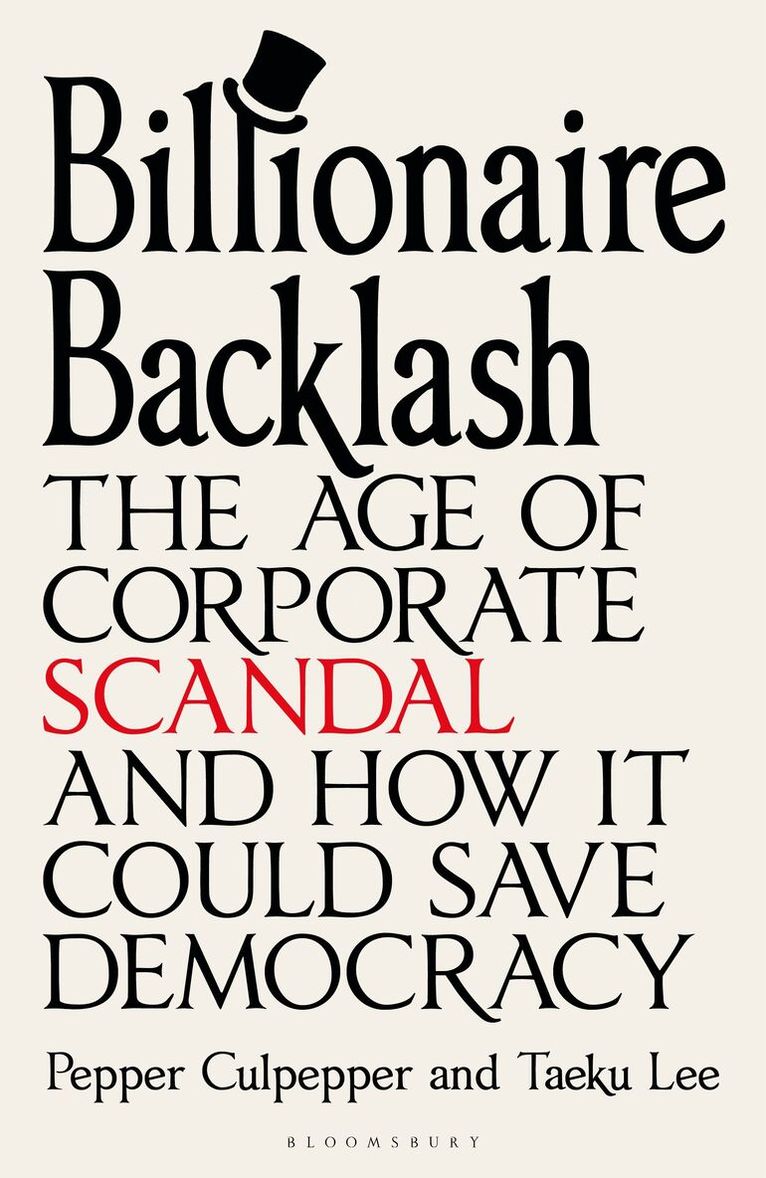
Billionaire Backlash
The Age of Corporate Scandal and How it Could Save Democracy
Av Pepper Culpepper, Taeku Lee
Inbunden, 2026
231 kr
Lägg i varukorg
The surprising story of how corporate scandals - from Enron to the Facebook privacy scandal - change the way the world works for the better.Pepper Culpepper and Taeku Lee draw on a decade of research on policymaking and public opinion to show us how scandals can ignite a public with few political …
Billionaire Backlash
The Age of Corporate Scandal and How it Could Save Democracy
Av Pepper Culpepper, Taeku Lee
E-bok, 2026
210 kr
Lägg i varukorg
The surprising story of how corporate scandals - from Enron to the Facebook privacy scandal - change the way the world works for the better.Pepper Culpepper and Taeku Lee draw on a decade of research on policymaking and public opinion to show us how scandals can ignite a public with few political …
Billionaire Backlash
The Age of Corporate Scandal and How it Could Save Democracy
Av Pepper Culpepper, Taeku Lee
E-bok, 2026
214 kr
Lägg i varukorg
The surprising story of how corporate scandals - from Enron to the Facebook privacy scandal - change the way the world works for the better.Pepper Culpepper and Taeku Lee draw on a decade of research on policymaking and public opinion to show us how scandals can ignite a public with few political …
Billionaire Backlash
The Age of Corporate Scandal and How it Could Save Democracy
Av Pepper Culpepper, Taeku Lee
Häftad, 2027
153 kr
Kommande
The surprising story of how corporate scandals - from Enron to the Facebook privacy scandal - change the way the world works for the better.Pepper Culpepper and Taeku Lee draw on a decade of research on policymaking and public opinion to show us how scandals can ignite a public with few political …
Why Americans Don't Join the Party
Race, Immigration, and the Failure (of Political Parties) to Engage the Electorate
E-bok, 2011
586 kr
Lägg i varukorg
Two trends are dramatically altering the American political landscape: growing immigration and the rising prominence of independent and nonpartisan voters. Examining partisan attachments across the four primary racial groups in the United States, this book offers the first sustained and systematic …