Takayuki Asada - Böcker
Visar alla böcker från författaren Takayuki Asada. Handla med fri frakt och snabb leverans.
4 produkter
4 produkter
2 854 kr
Tillfälligt slut
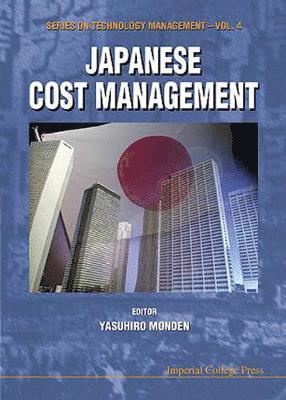
This book deals with the systems of cost reduction that originated in Japan. These are mostly new systems that did not exist in western practices before they were utilized in Japan. The book also presents the Japanese ways of carrying out the globally popular cost reduction practices.(1) It describes the strategic cost management conducted by top management through alliances between companies and/or between government and industry.(2) It shows the functional cost reduction systems along the various phases of the product life cycle, as follows: R&D → Product development → Manufacturing → Administration and indirect operations(3) It conducts some humanistic or behavioral aspects of Japanese cost reduction systems.
Del 1 - Japanese Management and International Studies
Value-based Management Of The Rising Sun
Inbunden, Engelska, 2006
2 231 kr
Tillfälligt slut
This book provides critical information on a wide selection of cases and theories that detail reforms and innovations in Japanese companies, in their decade-long struggle to recover from the 1991 bubble burst. It examines the Japanese concept of business value, business restructuring, organizational redesign and new business models.The book is unique in that the technique and models described are all originally developed in Japan. It will serve as a useful reference source for companies looking for ways to rejuvenate their businesses.
Del 3 - Japanese Management and International Studies
Japanese Project Management: Kpm - Innovation, Development And Improvement
Inbunden, Engelska, 2008
2 603 kr
Skickas inom 5-8 vardagar
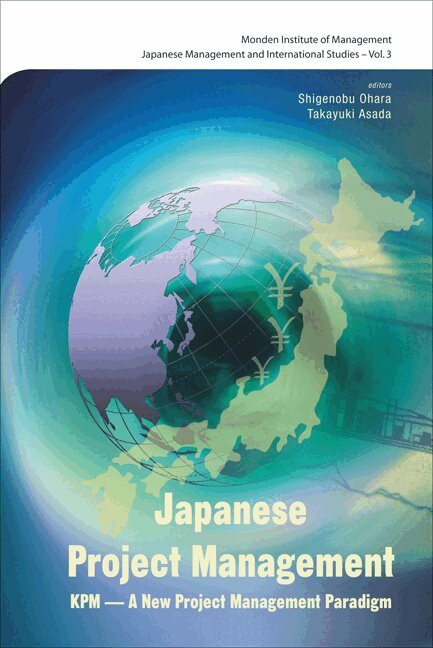
In the 1990s, Japanese companies experienced a deflationary recession called the “lost ten years”. To survive the recession, they looked for solutions in the kaikaku (innovative reforms) of business management, organizations and technology, whilst struggling to regain their global competitiveness. Successful companies all had one thing in common — they applied a new project management paradigm which this book refers to as Kaikaku Project Management (KPM).This book provides a comprehensive look at the features of KPM, including its emphasis on creativity and teamwork, its broader “open value system” as opposed to a “closed technical system”, its close links with corporate strategy and human resource development, and the support infrastructure needed for advancing KPM. Chapters cover both the theory and practice of KPM, citing cases of information and communications technology (ICT) and pharmaceutical companies, among others. KPM holds special relevance today as global competition is increasingly reducing the lifecycle of organizations. Managers will find in KPM not only a way to survive the shake-up, but also a framework of value creation for the next generation.
Del 3 - Japanese Management and International Studies
Japanese Project Management: Kpm - Innovation, Development And Improvement
Häftad, Engelska, 2008
829 kr
Skickas inom 5-8 vardagar
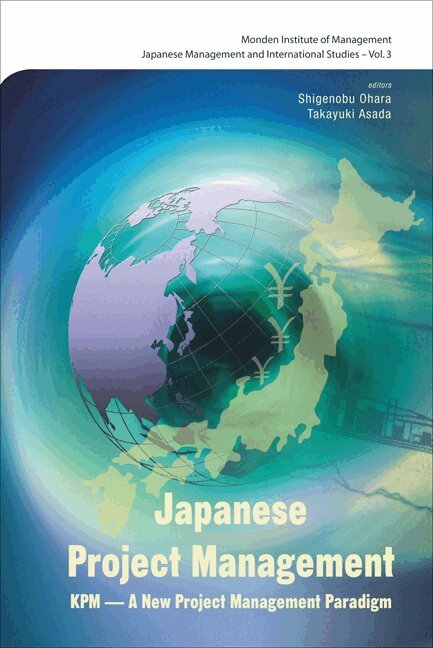
In the 1990s, Japanese companies experienced a deflationary recession called the “lost ten years”. To survive the recession, they looked for solutions in the kaikaku (innovative reforms) of business management, organizations and technology, whilst struggling to regain their global competitiveness. Successful companies all had one thing in common — they applied a new project management paradigm which this book refers to as Kaikaku Project Management (KPM).This book provides a comprehensive look at the features of KPM, including its emphasis on creativity and teamwork, its broader “open value system” as opposed to a “closed technical system”, its close links with corporate strategy and human resource development, and the support infrastructure needed for advancing KPM. Chapters cover both the theory and practice of KPM, citing cases of information and communications technology (ICT) and pharmaceutical companies, among others. KPM holds special relevance today as global competition is increasingly reducing the lifecycle of organizations. Managers will find in KPM not only a way to survive the shake-up, but also a framework of value creation for the next generation.