Tamara Kay - Böcker
Visar alla böcker från författaren Tamara Kay. Handla med fri frakt och snabb leverans.
6 produkter
6 produkter
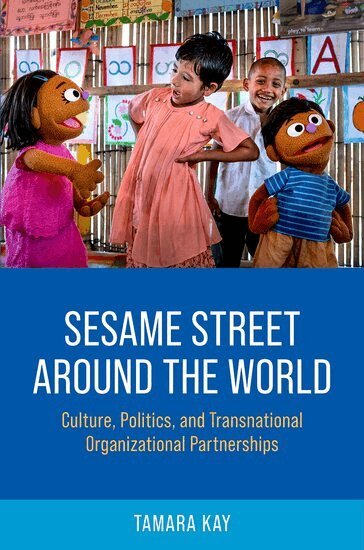
Sesame Street Around the World
Culture, Politics, and Transnational Organizational Partnerships
Inbunden, Engelska, 2026
1 817 kr
Skickas inom 3-6 vardagar
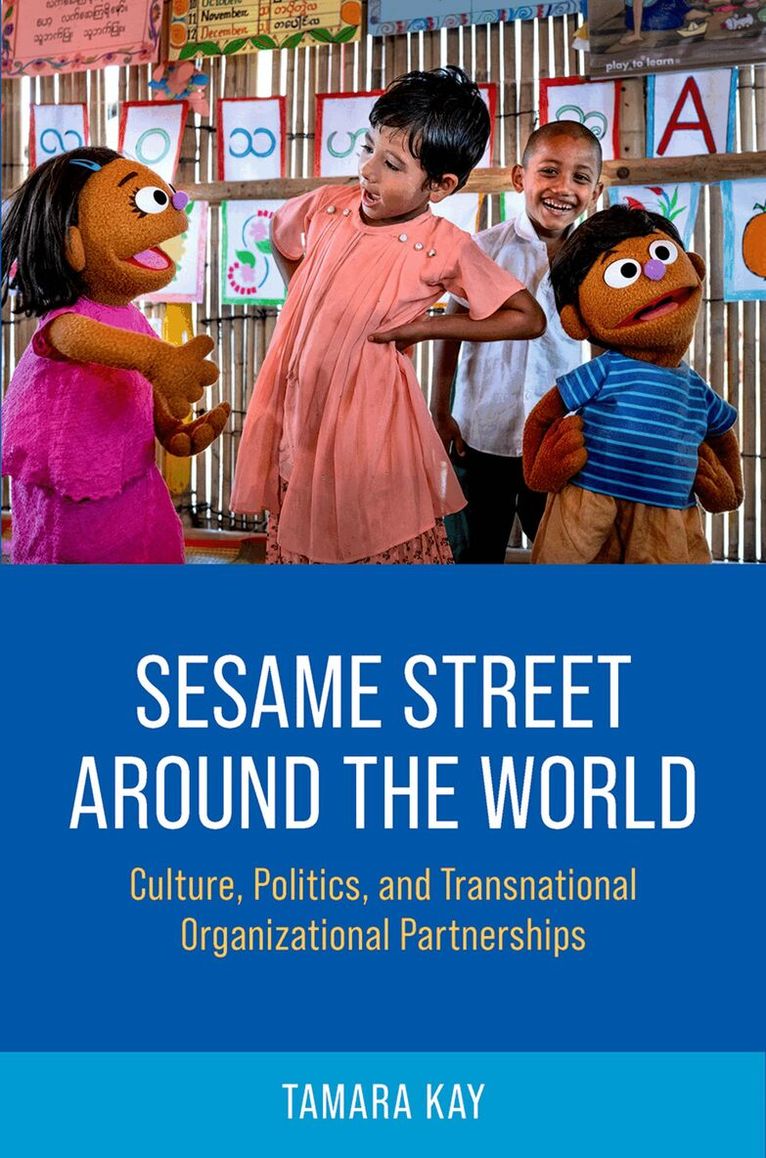
Given the sometimes extraordinary politicization of culture, it is surprising that Sesame Street has gained acceptance and legitimacy in more than fifty countries. Sesame Street's global success raises two questions. First, how does a US icon like Sesame Street spread around the world, gaining acceptance as a local cultural product? Second, how does the nonprofit that created it, Sesame Workshop, and its partners around the world navigate cultural differences, manage conflicts, and construct shared collective representations to create Sesame Street programs that resonate with local audiences? Tamara Kay answers these questions using data from seven years of intensive ethnographic fieldwork and 200 in-depth interviews with Sesame Workshop staff and international partners-including their real-time interactions-from seventeen countries within four regions around the world. Kay argues that Sesame Workshop's secret is its engagement in coproduction, meaning it works with partners as a transnational team to create local Sesame Street programs together. Through coproduction, Sesame Workshop and its partners create new collective identities by constructing value to align their interests and exchanging complex cultural knowledge to both customize and build alliances. She traces the successive processes of coproduction, beginning with the imagination of the cultural product, to its disassembly, reconstitution, and dissemination. Coproduction privileges the creation of new knowledge that emerges from transnational interaction, and uses that new knowledge to create a hybrid cultural product. The Sesame Street case grapples with and illuminates culture in transnational interaction, providing insight into a range of other transnational organizational partnerships and different kinds of hybrid cultural products.
1 252 kr
Skickas inom 5-8 vardagar
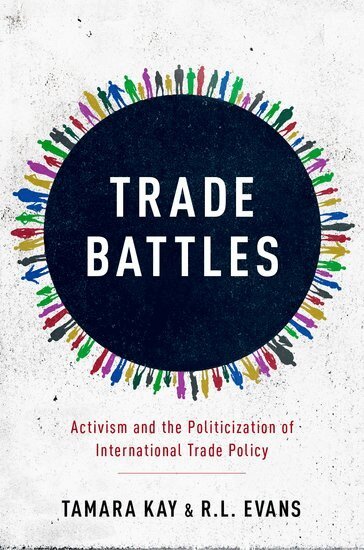
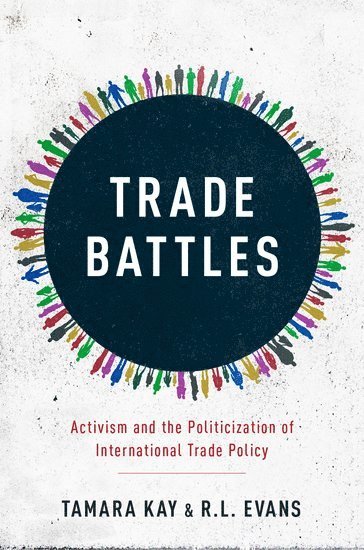
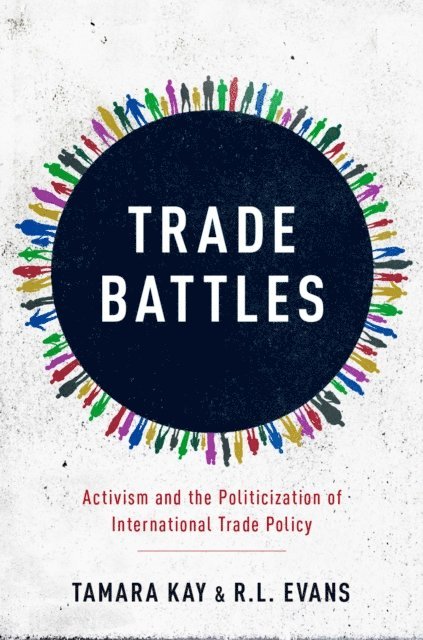
How did activists create a dynamic broad-based movement during NAFTA negotiations that politicized trade, making it a contentious issue for the first time in history? And how did their NAFTA mobilization influence trade policy and set the stage for future battles over trade? Trade Battles draws on hundreds of in-depth interviews with Mexican, Canadian, and U.S. trade negotiators, labor and environmental activists, and government officials, and an extensive analysis of archival materials to understand the role of civil society in shaping state policy.Trade Battles shows how activists politicized trade policy by creating a new set of institutionalized and disruptive strategies around trade that leveraged broader cleavages across state and nonstate arenas. Activists exploited these leverage points by mobilizing across them, which enabled them not only to politicize trade policy with legislators and trade policy officials and among the public, but also to influence the content of the agreement itself. So powerful was activists' pushback against NAFTA that future administrations closed many state institutional channels in order to thwart public opposition, curtailing public access, participation and input. This forced activists to try to kill subsequent trade agreements whole cloth rather than improve them, as they did during the NAFTA struggle.Trade Battles reveals that the NAFTA battle was less about trade policy than the role of democratic state institutions in policymaking. By exposing the linkages between institutional opportunities and democratic practices, it reveals how critical state institutions are for activists' efforts to shape not only trade policy, but a number of international policies from climate change to migration. When the state closes institutions, it effectively severs policymaking from democratic intervention.
363 kr
Skickas inom 5-8 vardagar
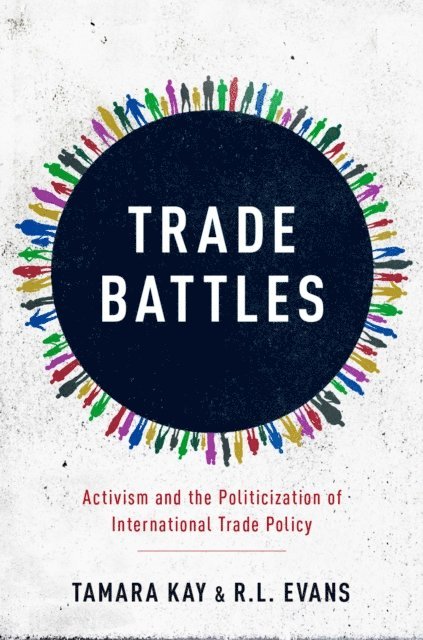
How did activists create a dynamic broad-based movement during NAFTA negotiations that politicized trade, making it a contentious issue for the first time in history? And how did their NAFTA mobilization influence trade policy and set the stage for future battles over trade? Trade Battles draws on hundreds of in-depth interviews with Mexican, Canadian, and U.S. trade negotiators, labor and environmental activists, and government officials, and an extensive analysis of archival materials to understand the role of civil society in shaping state policy.Trade Battles shows how activists politicized trade policy by creating a new set of institutionalized and disruptive strategies around trade that leveraged broader cleavages across state and nonstate arenas. Activists exploited these leverage points by mobilizing across them, which enabled them not only to politicize trade policy with legislators and trade policy officials and among the public, but also to influence the content of the agreement itself. So powerful was activists' pushback against NAFTA that future administrations closed many state institutional channels in order to thwart public opposition, curtailing public access, participation and input. This forced activists to try to kill subsequent trade agreements whole cloth rather than improve them, as they did during the NAFTA struggle.Trade Battles reveals that the NAFTA battle was less about trade policy than the role of democratic state institutions in policymaking. By exposing the linkages between institutional opportunities and democratic practices, it reveals how critical state institutions are for activists' efforts to shape not only trade policy, but a number of international policies from climate change to migration. When the state closes institutions, it effectively severs policymaking from democratic intervention.
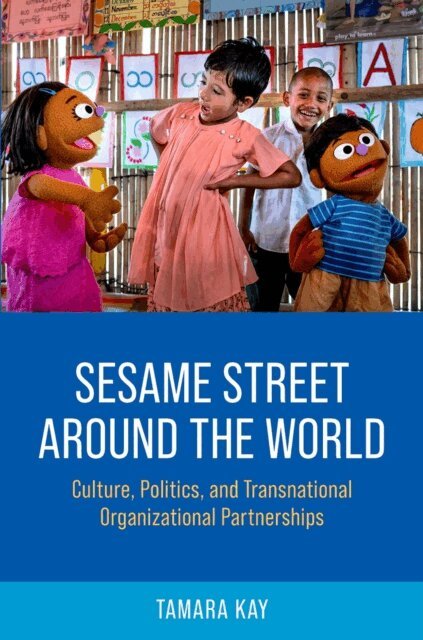
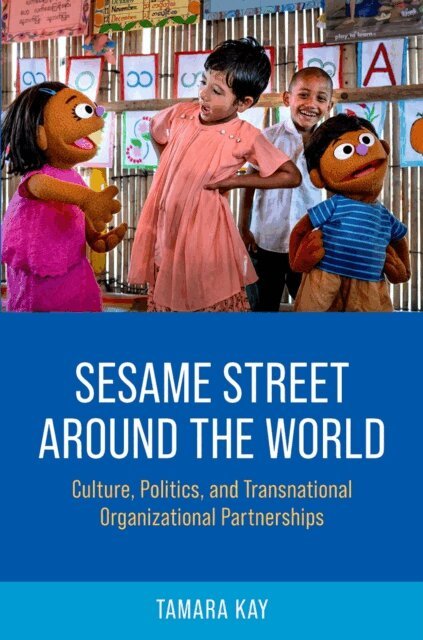
Sesame Street Around the World
Culture, Politics, and Transnational Organizational Partnerships
Häftad, Engelska, 2026
496 kr
Skickas inom 3-6 vardagar
Given the sometimes extraordinary politicization of culture, it is surprising that Sesame Street has gained acceptance and legitimacy in more than fifty countries. Sesame Street's global success raises two questions. First, how does a US icon like Sesame Street spread around the world, gaining acceptance as a local cultural product? Second, how does the nonprofit that created it, Sesame Workshop, and its partners around the world navigate cultural differences, manage conflicts, and construct shared collective representations to create Sesame Street programs that resonate with local audiences? Tamara Kay answers these questions using data from seven years of intensive ethnographic fieldwork and 200 in-depth interviews with Sesame Workshop staff and international partners-including their real-time interactions-from seventeen countries within four regions around the world. Kay argues that Sesame Workshop's secret is its engagement in coproduction, meaning it works with partners as a transnational team to create local Sesame Street programs together. Through coproduction, Sesame Workshop and its partners create new collective identities by constructing value to align their interests and exchanging complex cultural knowledge to both customize and build alliances. She traces the successive processes of coproduction, beginning with the imagination of the cultural product, to its disassembly, reconstitution, and dissemination. Coproduction privileges the creation of new knowledge that emerges from transnational interaction, and uses that new knowledge to create a hybrid cultural product. The Sesame Street case grapples with and illuminates culture in transnational interaction, providing insight into a range of other transnational organizational partnerships and different kinds of hybrid cultural products.
360 kr
Skickas inom 7-10 vardagar
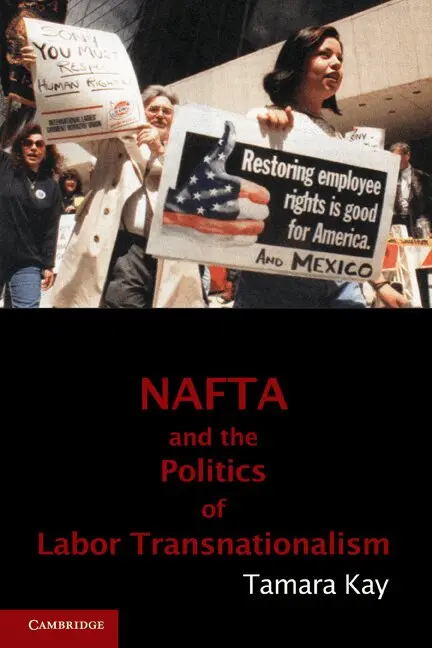
When NAFTA went into effect in 1994, many feared it would intensify animosity among North American unions, lead to the scapegoating of Mexican workers and immigrants, and eclipse any possibility for cross-border labor cooperation. But far from polarizing workers, NAFTA unexpectedly helped stimulate labor transnationalism among key North American unions and erode union policies and discourses rooted in racism. The emergence of labor transnationalism in North America presents compelling political and sociological puzzles: how did NAFTA, the concrete manifestation of globalization processes in North America, help deepen labor solidarity on the continent? In addition to making the provocative argument that global governance institutions can play a pivotal role in the development of transnational social movements, this book suggests that globalization need not undermine labor movements: collectively, unions can help shape how the rules governing the global economy are made.
1 034 kr
Skickas inom 7-10 vardagar
When NAFTA went into effect in 1994, many feared it would intensify animosity among North American unions, lead to the scapegoating of Mexican workers and immigrants, and eclipse any possibility for cross-border labor cooperation. But far from polarizing workers, NAFTA unexpectedly helped stimulate labor transnationalism among key North American unions and erode union policies and discourses rooted in racism. The emergence of labor transnationalism in North America presents compelling political and sociological puzzles: how did NAFTA, the concrete manifestation of globalization processes in North America, help deepen labor solidarity on the continent? In addition to making the provocative argument that global governance institutions can play a pivotal role in the development of transnational social movements, this book suggests that globalization need not undermine labor movements: collectively, unions can help shape how the rules governing the global economy are made.