
Tamara McClintock Greenberg – författare
Visar alla böcker från författaren Tamara McClintock Greenberg. Handla med fri frakt och snabb leverans.
7 produkter
7 produkter
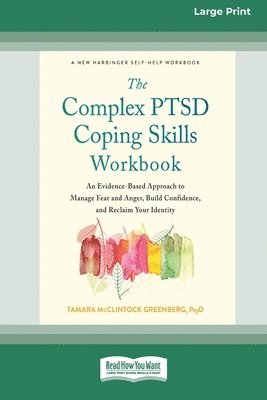
Complex PTSD Coping Skills Workbook
An Evidence-Based Approach to Manage Fear and Anger, Build Confidence, and Reclaim Your Identity (16pt Large Print Edition)
Häftad, Engelska, 2023
445 kr
Skickas inom 5-8 vardagar
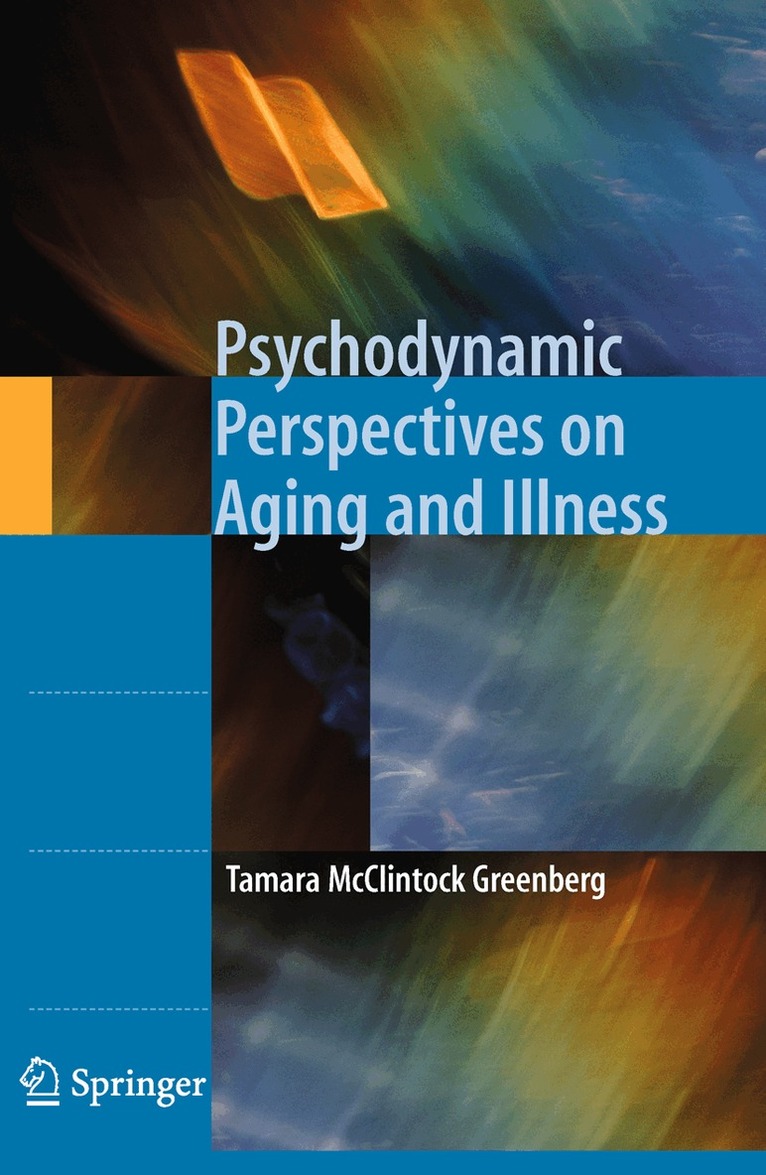
552 kr
Skickas inom 10-15 vardagar
Expanding on what we know and candid about what we don't, this book presents a contemporary application of psychodynamic theory and addresses the complex issues surrounding declining health. Its aim is to ultimately improve the lives of older patients.
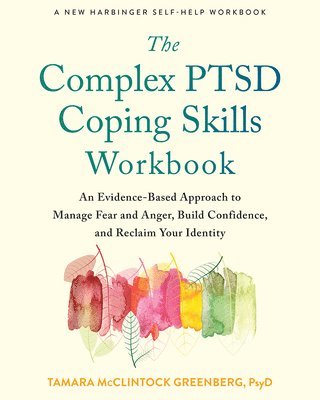
Complex PTSD Coping Skills Workbook
An Evidence-Based Approach to Manage Fear and Anger, Build Confidence, and Reclaim Your Identity
Häftad, Engelska, 2022
244 kr
Skickas inom 5-8 vardagar
A powerful, evidence-based, and integrative approach to help you cope with and heal from complex post-traumatic stress disorder (C-PTSD).If you have experienced complex or repeated trauma—including childhood abuse or neglect, domestic violence, gaslighting, emotional abuse, a suicidal family member, or a family member being incarcerated—you may struggle to find a sense of healing. You probably have intense emotions, such as anger and distrust toward others. You may avoid situations or people that trigger your symptoms, and struggle with low self-esteem. And you may have gone through your whole life feeling like your reactions are “crazy” or outsized. If you are suffering in these ways, you should know that there is help. It’s time to take a new approach to improve your mental health and well-being.This evidence-based workbook offers an integrative model for coping with and healing from complex trauma using cognitive behavioral therapy (CBT), acceptance and commitment therapy (ACT), dialectical behavior therapy (DBT), mindfulness, and more. With this workbook, you’ll learn the most effective skills for managing your symptoms, find tools for building confidence, and step-by-step guidance to help you reclaim your life.This empowering workbook will help you: ·Understand the cause of your C-PTSD ·Explore emotions and reactions such as anger, fear, hypervigilance, and avoidance ·Know what to do when emotions interfere with daily life ·Develop healthier coping strategies ·Find social support, or support and guidance for a loved one Confidence comes from knowing what you want and need and that your feelings are valid, and having the tools you need to cope with and heal from painful experiences. This workbook will help you build that confidence, one step at a time.
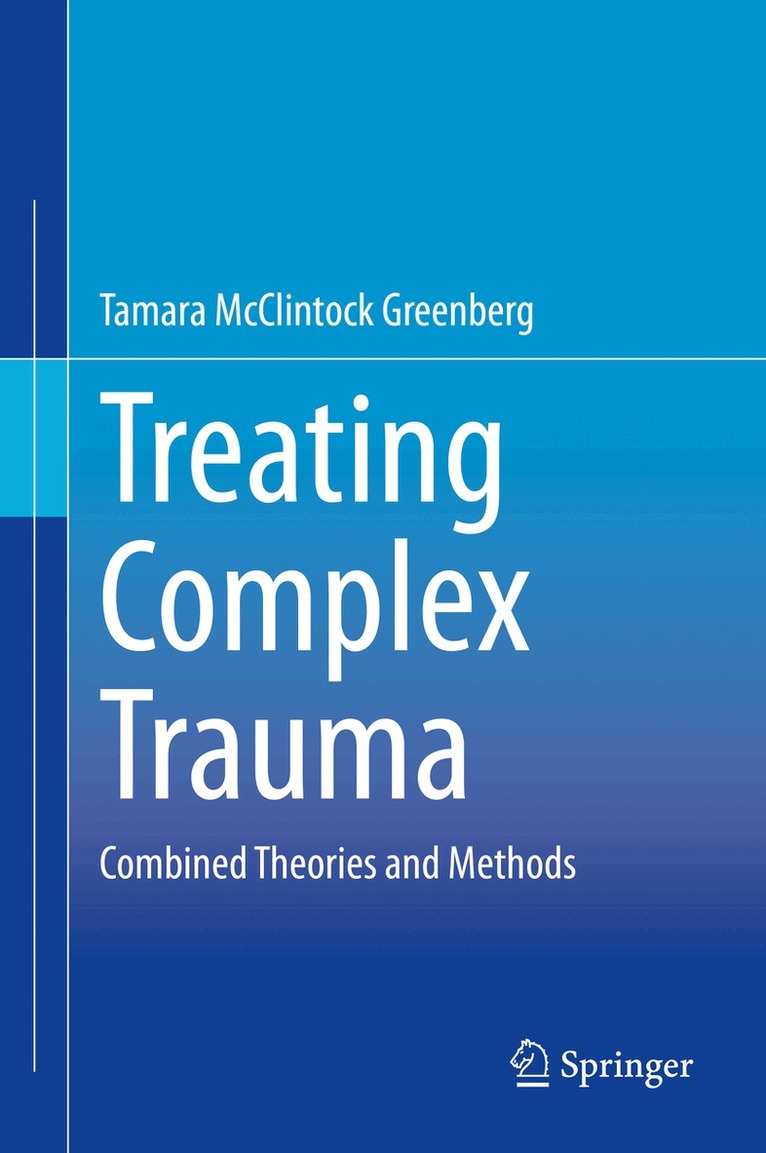
1 207 kr
Skickas inom 10-15 vardagar
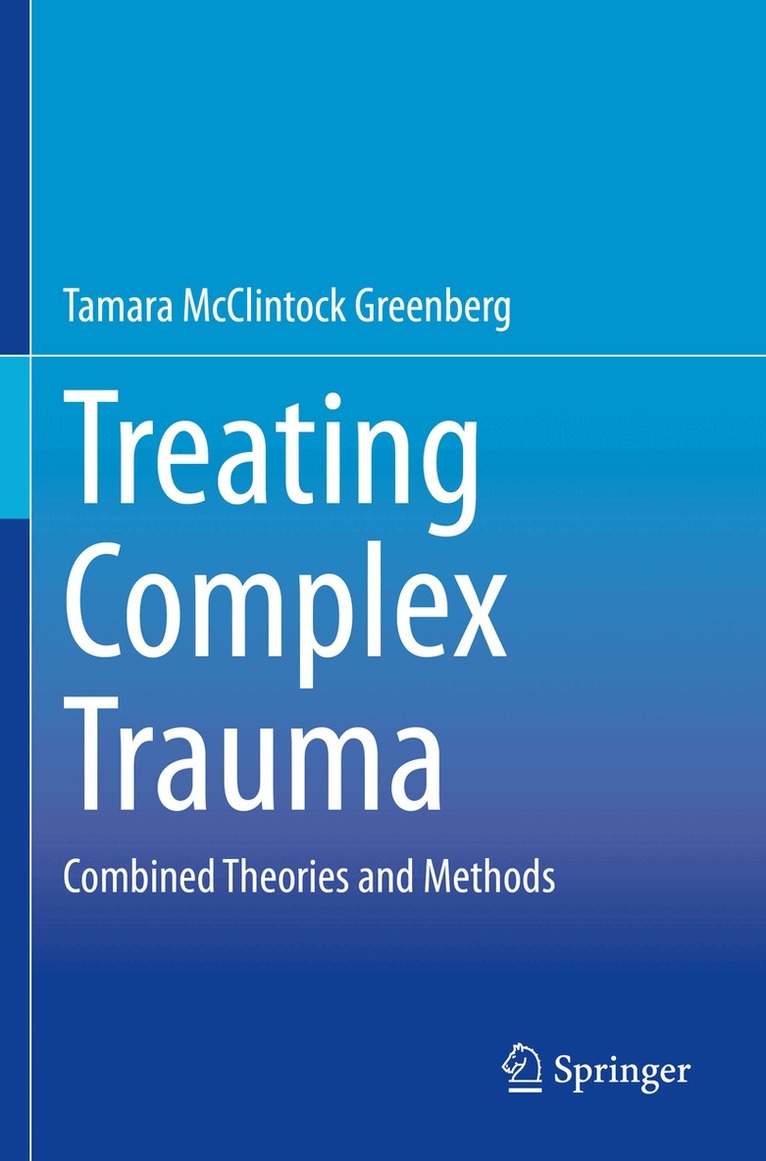
This forward-thinking volume outlines several approaches to therapeutic treatment for individuals who have experienced complex childhood and adult trauma, providing a novel framework for helping patients with a number of challenging symptoms, with clinical hypothesis testing and solid therapeutic relationships as a vital foundation. Responding to the intense disagreement and competition among clinicians championing their own approaches, the book identifies the strengths and limitations of multiple therapeutic approaches, addressing the need for qualified clinicians to be versed in multiple theories and techniques in order to alleviate suffering in their clients.Among the topics discussed:How to choose specific therapeutic methods and when to shift techniquesThe neurobiology of trauma and management of fearCultural and ethnic considerations in trauma treatmentAddressing avoidance and creating a safe therapeutic environmentManagement of dissociation, substance abuse, and angerTreating Complex Trauma: Combined Theories and Methods serves as a practical guide for clinicians looking to expand their knowledge of approaches for treating complex trauma. It aims to provide clinicians with options for different therapeutic methods, along with the necessary context for them to select the most effective approach in their treatments."For the first time in the professional literature we are finally afforded a clear, cogent, and detailed explication of complex trauma and the multifaceted parameters of treatment. Dr. Tamara McClintock Greenberg provides perspicacious insight and clinical wisdom only a seasoned career therapist can yield. Offering sophisticated and nuanced distinctions between complex trauma and PTSD, she shows how treatment is necessarily contextual and tailored to the unique clinical and personality dynamics of the sufferer that is thoroughly client specific within the therapeutic dyad. She dispenses with simplistic and supercilious attitudes that embarrassingly boast a uniform or manualized treatment to trauma, instead carefully taking into consideration polysymptomatic, neurobiological, and socialcultural differences that inform the interpersonal, emotional, and safety milieu from the beginning of treatment to stabilization, the working-through process, and then onto successful recovery. This is a must-read book for those in training and senior clinicians alike."--Jon Mills, PsyD, PhD, ABPP, Faculty, Postgraduate Programs in Psychoanalysis & Psychotherapy, Adelphi University, NY; author of Treating Attachment Pathology"Dr. Greenberg has written an invaluable book on treating complex trauma. She delves into multiple approaches, assessing what techniques the client can tolerate at a given therapeutic stage. She covers how to maintain consistency and connection through a flexible approach and avoid pitfalls. This is a must read for clinicians wishing to treat clients with complex PTSD."--Louann Brizendine, MD, Clinical Professor UCSF; author of The Female Brain
880 kr
Skickas inom 10-15 vardagar
This forward-thinking volume outlines several approaches to therapeutic treatment for individuals who have experienced complex childhood and adult trauma, providing a novel framework for helping patients with a number of challenging symptoms, with clinical hypothesis testing and solid therapeutic relationships as a vital foundation. Responding to the intense disagreement and competition among clinicians championing their own approaches, the book identifies the strengths and limitations of multiple therapeutic approaches, addressing the need for qualified clinicians to be versed in multiple theories and techniques in order to alleviate suffering in their clients.Among the topics discussed:How to choose specific therapeutic methods and when to shift techniquesThe neurobiology of trauma and management of fearCultural and ethnic considerations in trauma treatmentAddressing avoidance and creating a safe therapeutic environmentManagement of dissociation, substance abuse, and angerTreating Complex Trauma: Combined Theories and Methods serves as a practical guide for clinicians looking to expand their knowledge of approaches for treating complex trauma. It aims to provide clinicians with options for different therapeutic methods, along with the necessary context for them to select the most effective approach in their treatments."For the first time in the professional literature we are finally afforded a clear, cogent, and detailed explication of complex trauma and the multifaceted parameters of treatment. Dr. Tamara McClintock Greenberg provides perspicacious insight and clinical wisdom only a seasoned career therapist can yield. Offering sophisticated and nuanced distinctions between complex trauma and PTSD, she shows how treatment is necessarily contextual and tailored to the unique clinical and personality dynamics of the sufferer that is thoroughly client specific within the therapeutic dyad. She dispenses with simplistic and supercilious attitudes that embarrassingly boast a uniform or manualized treatment to trauma, instead carefully taking into consideration polysymptomatic, neurobiological, and socialcultural differences that inform the interpersonal, emotional, and safety milieu from the beginning of treatment to stabilization, the working-through process, and then onto successful recovery. This is a must-read book for those in training and senior clinicians alike."--Jon Mills, PsyD, PhD, ABPP, Faculty, Postgraduate Programs in Psychoanalysis & Psychotherapy, Adelphi University, NY; author of Treating Attachment Pathology"Dr. Greenberg has written an invaluable book on treating complex trauma. She delves into multiple approaches, assessing what techniques the client can tolerate at a given therapeutic stage. She covers how to maintain consistency and connection through a flexible approach and avoid pitfalls. This is a must read for clinicians wishing to treat clients with complex PTSD."--Louann Brizendine, MD, Clinical Professor UCSF; author of The Female Brain
552 kr
Skickas inom 10-15 vardagar
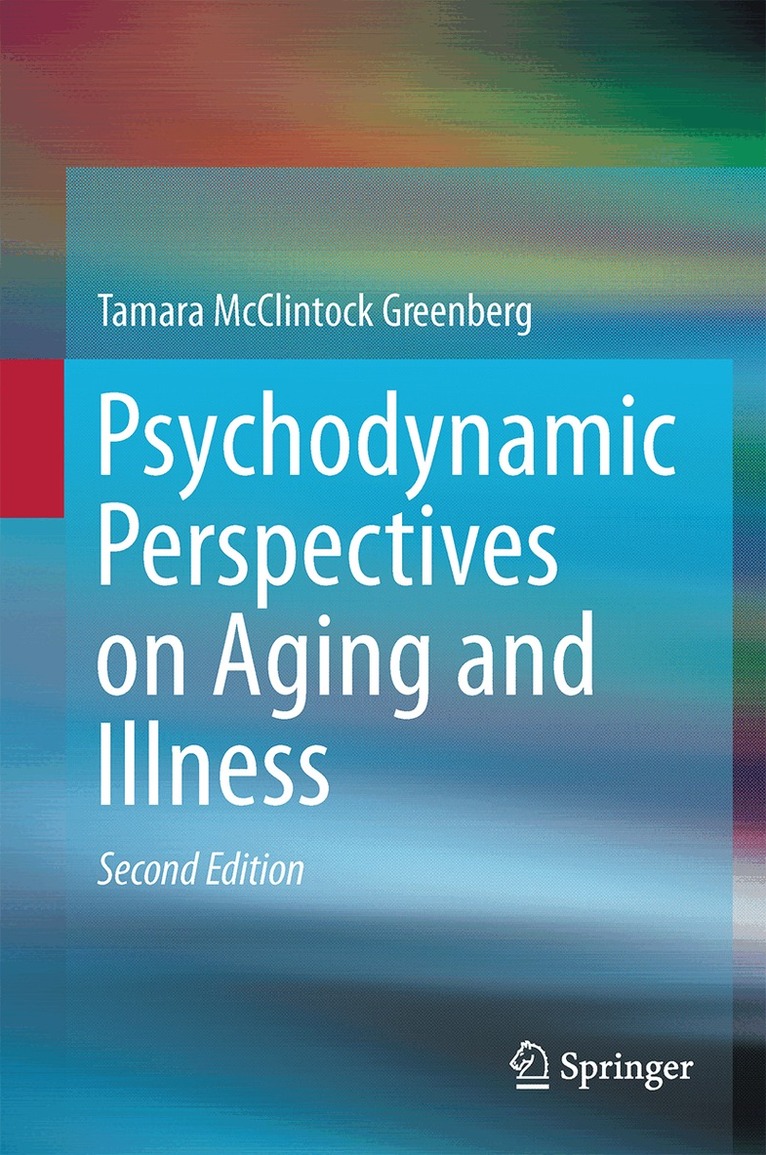
Endorsements:"The Second Edition of Psychodynamic Perspectives on Aging and Illness is a timely and superb revision which offers health-care professionals working at the mind/body interface a paradigm shift. For far too long, the wisdom of psychoanalysis as a tool to understand the suffering inherent in aging and illness has been devalued and neglected. With this update, Dr. Greenberg incontrovertibly corrects this lapse. Her integration of current scientific research, alongside a user-friendly discussion of the theory and practice of psychodynamic psychotherapy, is an important contribution to the psychology of medicine. Several topics are elaborated; the constructs of hysteria and somatization, the biology of stress, the impact of attachment history on coping with sickness as well as the experiences of trauma and grief. As with the first edition, the idea that the patient’s experience of illness cannot be understood without including the subjectivity of the practitioner who provides care is considered and done so with more awareness of this complexity. Each chapter now contains a section on “Suggested Techniques” that succinctly presents a guideline for applying the ideas set forth. Other no table aspects of the book are its reflections on the culture of medicine and the insights about the influences of contemporary Western life on the manifestation and adjustment to illness. This edition is, above all, essential for those practitioners dedicated to providing collaborative and interdisciplinary health-care which is both biologically and psychologically informed. As with the First Edition, it will continue to be required reading."Marilyn S. Jacobs, Ph.D., ABPP, David Geffen School of Medicine at UCLA"A wonderful, well-researched, and important book that proves to be as much about humanity and resilience as it is about human psychology."Lee Daniel KravetzAuthor of Supersurvivors: The surprising Link Between Suffering & Success"Tamara McClintock Greenberg is one of the leading health psychologists of our time. In this second edition of her classic text, she corrects the much overlooked interface between the psychodynamics of aging, illness, and the doctor-patient relationship offering insights that no other practitioner or theorist has accomplished to date. Combining her training and expertise in psychology and behavioural medicine, she facilely navigates the turbid waters of how medical illness and aging is informed by unconscious dynamics, childhood familial relations, somatisation, coping and recovery, and the convergence of mind and body. Healthcare practitioners of all types who work therapeutically with chronically ill and older adults will find this to be a perspicacious and indispensible approach to clinical praxis."Jon Mills, PsyD, PhD, C.Psych., ABPP, Professor of Psychology &Psychoanalysis, Adler Graduate Professional School, Toronto “In the second edition of Psychodynamic Perspectives on Aging and Illness Dr Tamara Greenberg makes a remarkable contribution to those who treat patients with medical illnesses as they age. Her psychodynamically informed approach to patients in later life couldn’t come at a better time as our population becomes older. Challenging the field's dogma that older patients are too set-in-their-ways to make personality changes, Dr Greenberg demonstrates in this book how wrong that notion was. We are all a work in-progress until the very end. This is a must-read practical book for therapists, nurses, families, physicians, family and estate lawyers, and health care navigators.”Louann Brizendine, M.D., Professor and Author of "The Female Brain" and "The Male Brain" , Lynne and Marc Benioff Endowed Professor of Clinical Psychiatry, Founder/ Women's Mood and Hormone Clinic, UCSFUniversityof California, San FranciscoThis timely update of the bedrock text reflects what we now know—and are still finding out—about the benefits of psychodynamic psychotherapy for older adults facing chronic conditions. Expanding on the original, the author balances the physical and experiential factors affecting patients’ physical illnesses and related emotional distress while situating core psychodynamic constructs in the context of illness and aging. Special attention is paid to technique, giving therapists practical guidance on dealing with transference and countertransference issues, working with patients in cognitive decline, and navigating complexities of age, class, and culture. The book also reviews the current evidence on how and why psychodynamic therapy helps medical patients with coping, adapting, and healing. Included in the coverage: Technology, idealization, and unconscious dynamics in the culture of medicine.Narcissistic aspects of aging and illness.Grey areas: when illness may be particularly impacted by psychological variables.Cognitive changes and implications for the therapeutic encounter.The influence of psychological factors and relationships on medical illness.Hope and grief: the introduction of an emotional language.The Second Edition of Psychodynamic Perspectives on Aging and Illness skillfully follows its predecessor as a powerful, plain-spoken mentor to therapists working in hospitals, long-term care facilities, and outpatient practice.
552 kr
Skickas inom 10-15 vardagar
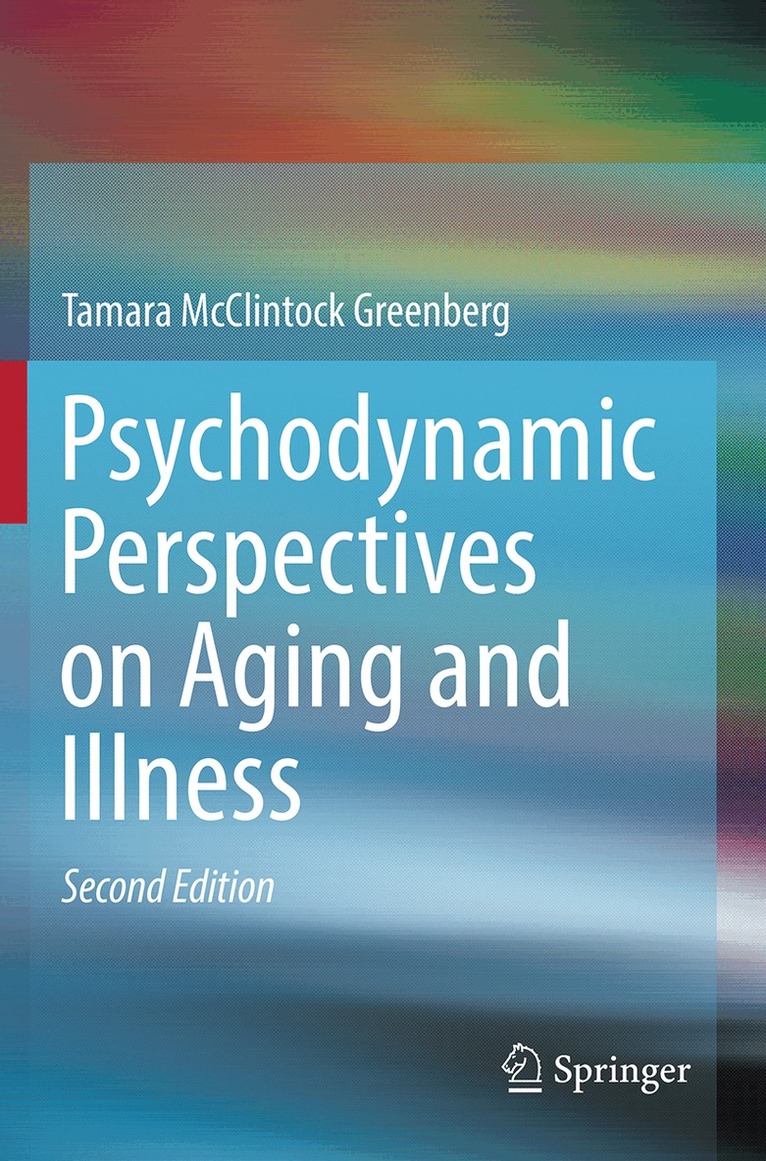
Endorsements:"The Second Edition of Psychodynamic Perspectives on Aging and Illness is a timely and superb revision which offers health-care professionals working at the mind/body interface a paradigm shift. For far too long, the wisdom of psychoanalysis as a tool to understand the suffering inherent in aging and illness has been devalued and neglected. With this update, Dr. Greenberg incontrovertibly corrects this lapse. Her integration of current scientific research, alongside a user-friendly discussion of the theory and practice of psychodynamic psychotherapy, is an important contribution to the psychology of medicine. Several topics are elaborated; the constructs of hysteria and somatization, the biology of stress, the impact of attachment history on coping with sickness as well as the experiences of trauma and grief. As with the first edition, the idea that the patient’s experience of illness cannot be understood without including the subjectivity of the practitioner who provides care is considered and done so with more awareness of this complexity. Each chapter now contains a section on “Suggested Techniques” that succinctly presents a guideline for applying the ideas set forth. Other no table aspects of the book are its reflections on the culture of medicine and the insights about the influences of contemporary Western life on the manifestation and adjustment to illness. This edition is, above all, essential for those practitioners dedicated to providing collaborative and interdisciplinary health-care which is both biologically and psychologically informed. As with the First Edition, it will continue to be required reading."Marilyn S. Jacobs, Ph.D., ABPP, David Geffen School of Medicine at UCLA"A wonderful, well-researched, and important book that proves to be as much about humanity and resilience as it is about human psychology."Lee Daniel KravetzAuthor of Supersurvivors: The surprising Link Between Suffering & Success"Tamara McClintock Greenberg is one of the leading health psychologists of our time. In this second edition of her classic text, she corrects the much overlooked interface between the psychodynamics of aging, illness, and the doctor-patient relationship offering insights that no other practitioner or theorist has accomplished to date. Combining her training and expertise in psychology and behavioural medicine, she facilely navigates the turbid waters of how medical illness and aging is informed by unconscious dynamics, childhood familial relations, somatisation, coping and recovery, and the convergence of mind and body. Healthcare practitioners of all types who work therapeutically with chronically ill and older adults will find this to be a perspicacious and indispensible approach to clinical praxis."Jon Mills, PsyD, PhD, C.Psych., ABPP, Professor of Psychology &Psychoanalysis, Adler Graduate Professional School, Toronto “In the second edition of Psychodynamic Perspectives on Aging and Illness Dr Tamara Greenberg makes a remarkable contribution to those who treat patients with medical illnesses as they age. Her psychodynamically informed approach to patients in later life couldn’t come at a better time as our population becomes older. Challenging the field's dogma that older patients are too set-in-their-ways to make personality changes, Dr Greenberg demonstrates in this book how wrong that notion was. We are all a work in-progress until the very end. This is a must-read practical book for therapists, nurses, families, physicians, family and estate lawyers, and health care navigators.”Louann Brizendine, M.D., Professor and Author of "The Female Brain" and "The Male Brain" , Lynne and Marc Benioff Endowed Professor of Clinical Psychiatry, Founder/ Women's Mood and Hormone Clinic, UCSFUniversityof California, San FranciscoThis timely update of the bedrock text reflects what we now know—and are still finding out—about the benefits of psychodynamic psychotherapy for older adults facing chronic conditions. Expanding on the original, the author balances the physical and experiential factors affecting patients’ physical illnesses and related emotional distress while situating core psychodynamic constructs in the context of illness and aging. Special attention is paid to technique, giving therapists practical guidance on dealing with transference and countertransference issues, working with patients in cognitive decline, and navigating complexities of age, class, and culture. The book also reviews the current evidence on how and why psychodynamic therapy helps medical patients with coping, adapting, and healing. Included in the coverage: Technology, idealization, and unconscious dynamics in the culture of medicine.Narcissistic aspects of aging and illness.Grey areas: when illness may be particularly impacted by psychological variables.Cognitive changes and implications for the therapeutic encounter.The influence of psychological factors and relationships on medical illness.Hope and grief: the introduction of an emotional language.The Second Edition of Psychodynamic Perspectives on Aging and Illness skillfully follows its predecessor as a powerful, plain-spoken mentor to therapists working in hospitals, long-term care facilities, and outpatient practice.