Tamas Pataki - Böcker
Visar alla böcker från författaren Tamas Pataki. Handla med fri frakt och snabb leverans.
8 produkter
8 produkter
2 165 kr
Skickas inom 10-15 vardagar
Wish-fulfilment as a singular means of satisfying ineluctable desire is a pivotal concept in classical psychoanalysis. Freud argued that it was the thread that united dreams, daydreams, phantasy, omnipotent thinking, neurotic and some psychotic symptoms such as hallucinations and delusions, art, myth, and religious illusions. The concept's theoretical exploration has been largely neglected within psychoanalysis since, but contemporary philosophers have recognised it as providing an explanatory model for much of the kind of irrational behaviour so problematic for psychiatry, social psychology and the philosophy of mind.Although critically neglected in contemporary psychological and psychoanalytic thought, the concept remains clinically fundamental, under different labels: it encompasses the processes of omnipotent phantasy, symbolic or substitutive satisfaction, actualisation in transference and acting out, symptom formation and defenses such as projective identification. Wish-fulfilment can be shown to be a specifically psychoanalytic compartment of a common-sense psychological theory of action that illuminates not just clinical material but also the paradoxes of irrationality – such as weakness of will and self-deception – that preoccupy philosophers. The first half of this book develops a comprehensive and novel theory of wish-fulfilment, explores its radical implications for the structure of mind, and locates it against the backdrop of both contemporary psychoanalytic and philosophical thought. In the second half, the book applies the theory to illuminate important features of self-deception and delusion, religion, insanity defences, creative writing and the exclusion of mind and intention in the biological drift of modern psychiatry. The book will be essential to philosophers of mind, psychoanalysts, psychiatrists, psychologists, social theorists, and students in these disciplines; as well as readers interested in understanding how the mind works in mental illness, self-deception, religion, and creative writing.
1 525 kr
Skickas inom 10-15 vardagar
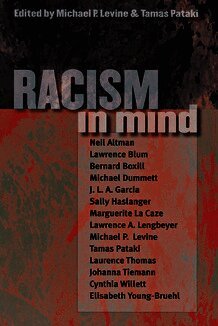
This philosophical analysis of the phenomenon of racism brings together some of the most influential analytic philosophers writing on racism today. The introduction by Tamas Pataki outlines the historical and thematic development of conceptions of race and racism, and locates the following essays against the backdrop of contemporary reactions to that development. While the framework is primarily analytic, the volume also includes essays deeply informed by psychoanalysis, phenomenology, and feminist and social theory. The fourteen chapters in this collection address three interrelated questions: What is racism? What are the causes of racism? and What are the moral and political implications of racism? Although their approaches are wide ranging, the contributors to Racism in Mind broadly endorse a psychological-characterological approach to the understanding of many aspects of racism.
476 kr
Skickas inom 10-15 vardagar
This philosophical analysis of the phenomenon of racism brings together some of the most influential analytic philosophers writing on racism today. The introduction by Tamas Pataki outlines the historical and thematic development of conceptions of race and racism, and locates the following essays against the backdrop of contemporary reactions to that development. While the framework is primarily analytic, the volume also includes essays deeply informed by psychoanalysis, phenomenology, and feminist and social theory. The fourteen chapters in this collection address three interrelated questions: What is racism? What are the causes of racism? and What are the moral and political implications of racism? Although their approaches are wide ranging, the contributors to Racism in Mind broadly endorse a psychological-characterological approach to the understanding of many aspects of racism.
470 kr
Skickas inom 10-15 vardagar
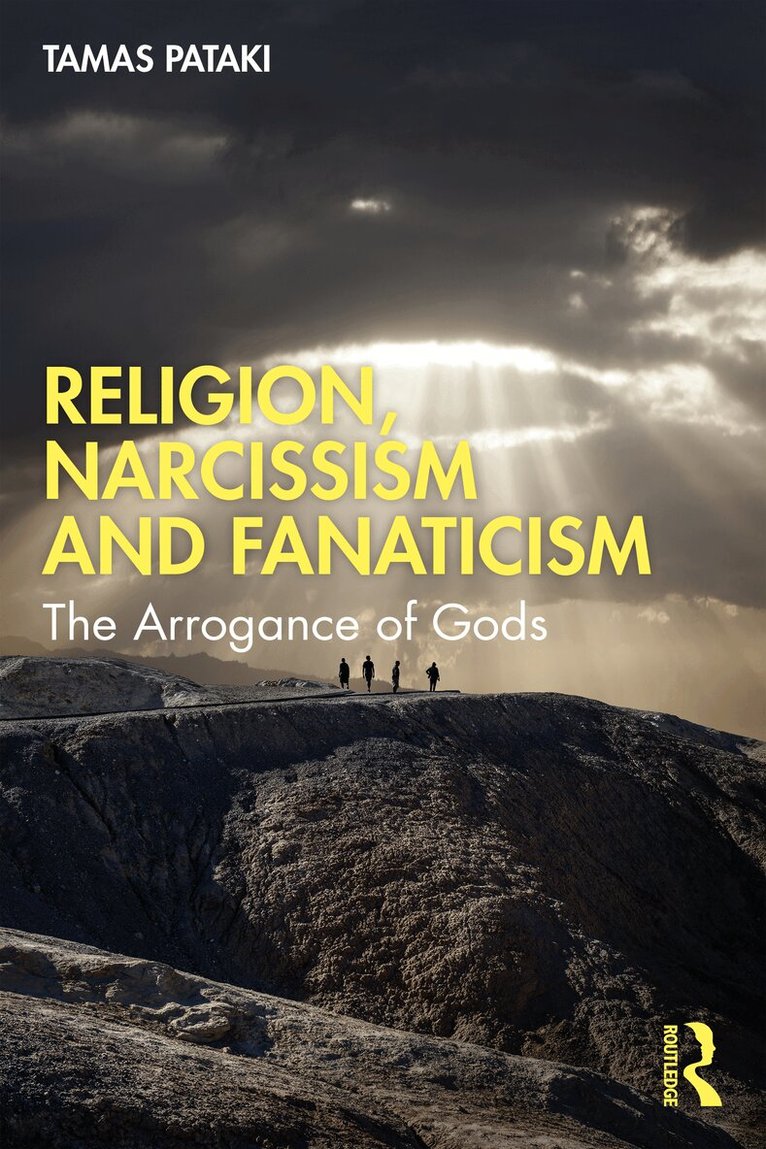
Religion, Narcissism and Fanaticism traces the historical and psychosocial development of religiosity and applies anthropological and psychoanalytic perspectives to the understanding of religions, particularly their fanatical and fundamentalist expressions.Religious ideology, practices and institutions satisfy many human needs, including those arising from our hysterical, obsessional, and narcissistic dispositions: the need to segregate the good and bad aspects of our personalities; to belong to an idealized group; and to feel secure and special by identifying with, or living in the orbit of, a supposedly omnipotent figure. But these needs and their modes of satisfaction are distorted by religions which may then nurture and accommodate malign characteristics, especially in the case of the monotheisms, narcissistic inflation or grandiosity. The book shows how interactions between religious ideology and personal development become intricated in the narcissistic pathology which underlies much of the violence and religious aggression in the world today. It presents both a new account of the historical and psychosocial development of religiosity and a powerful polemic against the religions which delusorily satisfy some of the very needs they create.The book will appeal to psychoanalysts, anthropologists, philosophers, sociologists, and all those interested in the place of religion in the modern world.
306 kr
Kommande
In this illuminating volume, Tamas Pataki critically examines Freud’s psychoanalytic approach to religion, tracing its intellectual evolution and impact on contemporary theories and practice.This book delves deeply into Freud’s psychoanalytic critique of religion, offering readers a comprehensive analysis of his naturalist perspective and its implications for understanding religious belief systems. Pataki explores Freud’s theories alongside the contributions of other prominent thinkers such as Erich Fromm, Ana-Maria Rizzuto, W.W. Meissner, W. R. Bion and N. Symington highlighting their expansions and critiques of Freud’s work. Examining Rizzuto’s research on God representations, Meissner’s insights into the spiritual dimensions of religion, contributions from attachment theory and the emerging trends of spiritually sensitive psychoanalysis and psychoanalytic mysticism the book provides a philosophically rigorous and nuanced comparison of psychoanalytic approaches to religion. This book offers a rich tapestry of ideas that explore the complex interplay between psychology, culture, and spirituality.Ideal for scholars, students and professionals in psychoanalysis, philosophy, theology and psychology, this book is a valuable resource for anyone seeking to understand the complex relationship between religion and the human psyche.
2 250 kr
Kommande
In this illuminating volume, Tamas Pataki critically examines Freud’s psychoanalytic approach to religion, tracing its intellectual evolution and impact on contemporary theories and practice.This book delves deeply into Freud’s psychoanalytic critique of religion, offering readers a comprehensive analysis of his naturalist perspective and its implications for understanding religious belief systems. Pataki explores Freud’s theories alongside the contributions of other prominent thinkers such as Erich Fromm, Ana-Maria Rizzuto, W.W. Meissner, W. R. Bion and N. Symington highlighting their expansions and critiques of Freud’s work. Examining Rizzuto’s research on God representations, Meissner’s insights into the spiritual dimensions of religion, contributions from attachment theory and the emerging trends of spiritually sensitive psychoanalysis and psychoanalytic mysticism the book provides a philosophically rigorous and nuanced comparison of psychoanalytic approaches to religion. This book offers a rich tapestry of ideas that explore the complex interplay between psychology, culture, and spirituality.Ideal for scholars, students and professionals in psychoanalysis, philosophy, theology and psychology, this book is a valuable resource for anyone seeking to understand the complex relationship between religion and the human psyche.
620 kr
Skickas inom 10-15 vardagar
Wish-fulfilment as a singular means of satisfying ineluctable desire is a pivotal concept in classical psychoanalysis. Freud argued that it was the thread that united dreams, daydreams, phantasy, omnipotent thinking, neurotic and some psychotic symptoms such as hallucinations and delusions, art, myth, and religious illusions. The concept's theoretical exploration has been largely neglected within psychoanalysis since, but contemporary philosophers have recognised it as providing an explanatory model for much of the kind of irrational behaviour so problematic for psychiatry, social psychology and the philosophy of mind.Although critically neglected in contemporary psychological and psychoanalytic thought, the concept remains clinically fundamental, under different labels: it encompasses the processes of omnipotent phantasy, symbolic or substitutive satisfaction, actualisation in transference and acting out, symptom formation and defenses such as projective identification. Wish-fulfilment can be shown to be a specifically psychoanalytic compartment of a common-sense psychological theory of action that illuminates not just clinical material but also the paradoxes of irrationality – such as weakness of will and self-deception – that preoccupy philosophers. The first half of this book develops a comprehensive and novel theory of wish-fulfilment, explores its radical implications for the structure of mind, and locates it against the backdrop of both contemporary psychoanalytic and philosophical thought. In the second half, the book applies the theory to illuminate important features of self-deception and delusion, religion, insanity defences, creative writing and the exclusion of mind and intention in the biological drift of modern psychiatry. The book will be essential to philosophers of mind, psychoanalysts, psychiatrists, psychologists, social theorists, and students in these disciplines; as well as readers interested in understanding how the mind works in mental illness, self-deception, religion, and creative writing.
2 030 kr
Skickas inom 10-15 vardagar
Religion, Narcissism and Fanaticism traces the historical and psychosocial development of religiosity and applies anthropological and psychoanalytic perspectives to the understanding of religions, particularly their fanatical and fundamentalist expressions.Religious ideology, practices and institutions satisfy many human needs, including those arising from our hysterical, obsessional, and narcissistic dispositions: the need to segregate the good and bad aspects of our personalities; to belong to an idealized group; and to feel secure and special by identifying with, or living in the orbit of, a supposedly omnipotent figure. But these needs and their modes of satisfaction are distorted by religions which may then nurture and accommodate malign characteristics, especially in the case of the monotheisms, narcissistic inflation or grandiosity. The book shows how interactions between religious ideology and personal development become intricated in the narcissistic pathology which underlies much of the violence and religious aggression in the world today. It presents both a new account of the historical and psychosocial development of religiosity and a powerful polemic against the religions which delusorily satisfy some of the very needs they create.The book will appeal to psychoanalysts, anthropologists, philosophers, sociologists, and all those interested in the place of religion in the modern world.