Tamás Turán – författare
Visar alla böcker från författaren Tamás Turán. Handla med fri frakt och snabb leverans.
6 produkter
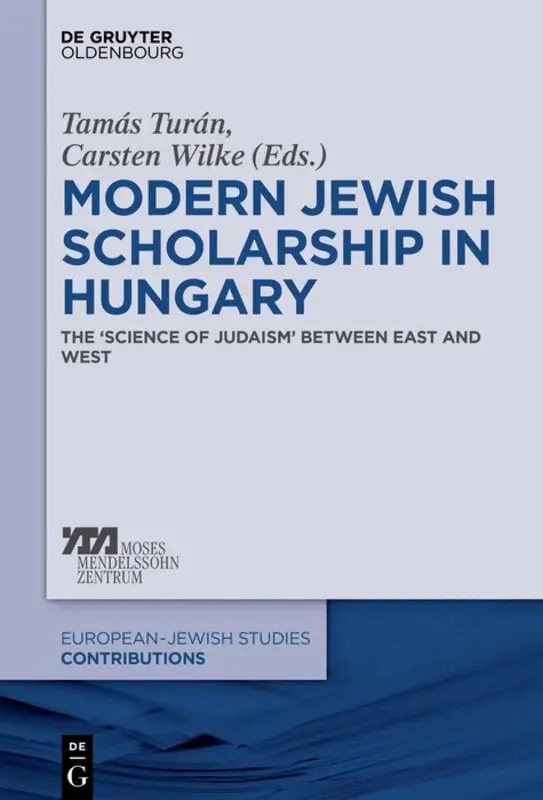
Modern Jewish Scholarship in Hungary
The ‚Science of Judaism‘ between East and West
Inbunden, 2016
2141 kr
Lägg i varukorg
The Habsburg Empire was one of the first regions where the academic study of Judaism took institutional shape in the nineteenth century. In Hungary, scholars such as Leopold and Immanuel Löw, David Kaufmann, Ignaz Goldziher, Wilhelm Bacher, and Samuel Krauss had a lasting impact on the Wissenschaft …
Modern Jewish Scholarship in Hungary
The ‚Science of Judaism‘ between East and West
E-bok, 2016
2168 kr
Lägg i varukorg
The Habsburg Empire was one of the first regions where the academic study of Judaism took institutional shape in the nineteenth century. In Hungary, scholars such as Leopold and Immanuel Löw, David Kaufmann, Ignaz Goldziher, Wilhelm Bacher, and Samuel Krauss had a lasting impact on the Wissenschaft …
Modern Jewish Scholarship in Hungary
The ‚Science of Judaism‘ between East and West
E-bok, 2016
2099 kr
Lägg i varukorg
The Habsburg Empire was one of the first regions where the academic study of Judaism took institutional shape in the nineteenth century. In Hungary, scholars such as Leopold and Immanuel Löw, David Kaufmann, Ignaz Goldziher, Wilhelm Bacher, and Samuel Krauss had a lasting impact on the Wissenschaft …
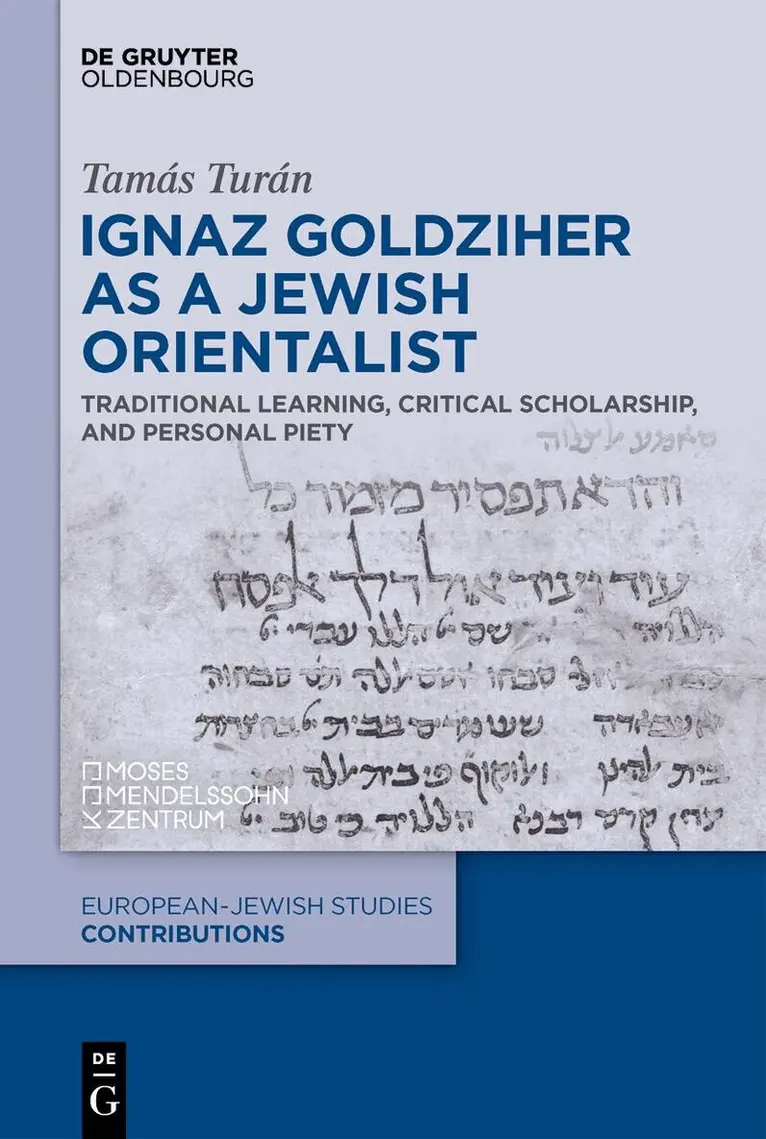
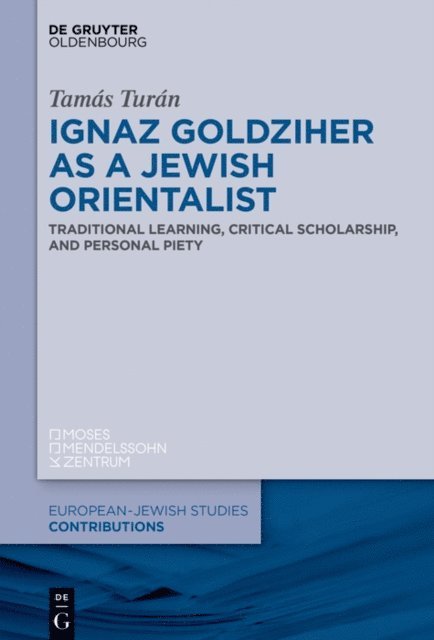
Ignaz Goldziher as a Jewish Orientalist
Traditional Learning, Critical Scholarship, and Personal Piety
Av Tamás Turán
Inbunden, 2023
1863 kr
Lägg i varukorg
Ignaz Goldziher (1850-1921), one of the founders of modern Arabic and Islamic studies, was a Hungarian Jew and a Professor at the University of Budapest. A wunderkind who mastered Hebrew, Latin, Greek, Turkish, Persian, and Arabic as a teenager, his works reached international acclaim long before …
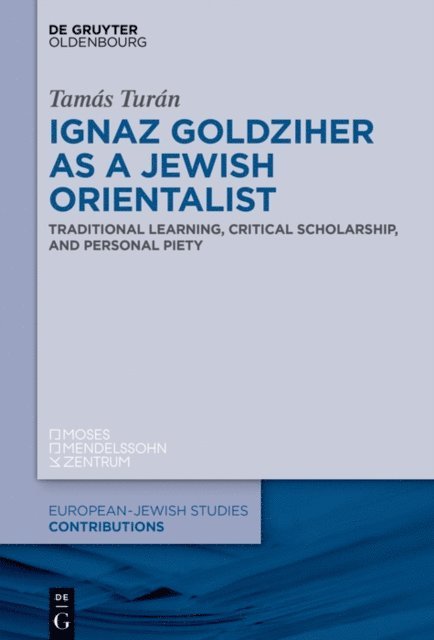
Ignaz Goldziher as a Jewish Orientalist
Traditional Learning, Critical Scholarship, and Personal Piety
Av Tamas Turan
E-bok, 2023
1754 kr
Lägg i varukorg
Ignaz Goldziher (1850-1921), one of the founders of modern Arabic and Islamic studies, was a Hungarian Jew and a Professor at the University of Budapest. A wunderkind who mastered Hebrew, Latin, Greek, Turkish, Persian, and Arabic as a teenager, his works reached international acclaim long before …
Ignaz Goldziher as a Jewish Orientalist
Traditional Learning, Critical Scholarship, and Personal Piety
Av Tamas Turan
E-bok, 2023
1754 kr
Lägg i varukorg
Ignaz Goldziher (1850-1921), one of the founders of modern Arabic and Islamic studies, was a Hungarian Jew and a Professor at the University of Budapest. A wunderkind who mastered Hebrew, Latin, Greek, Turkish, Persian, and Arabic as a teenager, his works reached international acclaim long before …