Tamra Pearson d’Estrée - Böcker
Visar alla böcker från författaren Tamra Pearson d’Estrée. Handla med fri frakt och snabb leverans.
8 produkter
8 produkter
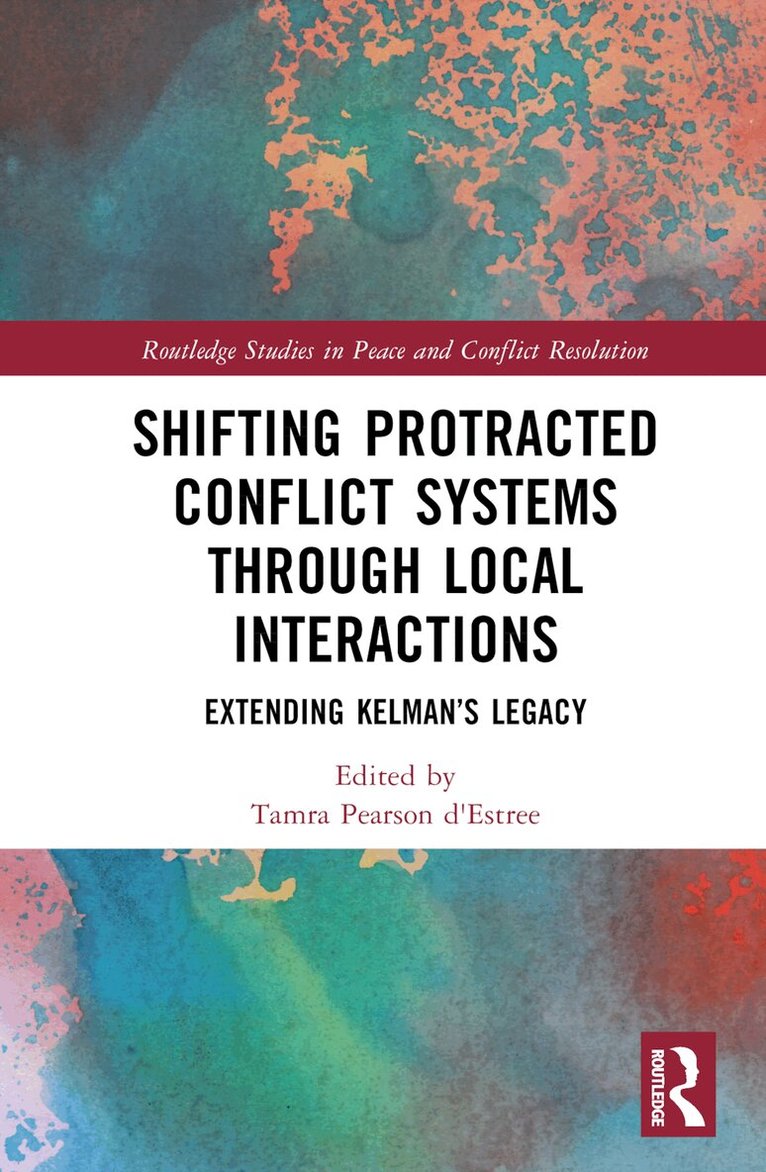
Shifting Protracted Conflict Systems Through Local Interactions
Extending Kelman’s Legacy
Inbunden, Engelska, 2023
2 113 kr
Skickas inom 10-15 vardagar
This volume explores the evolution of theoretical and practical approaches to intervening in protracted conflicts, following the work of Herb Kelman.Interactive problem solving, as developed by Kelman and others, sought to increase understanding about the microprocesses of international relations. Kelman early on emphasised the centrality of an interactive approach for constructing new identities, new narratives, and new ways forward. Transforming conflict systems requires strategic attention to the interactions between agents of change that provide stability or induce shift. This volume on interactive conflict approaches includes both critical reflections and new ideas from scholar-practitioners who have developed, revised, and expanded these approaches. Contributors take up important issues, from the shape and likelihood of solutions in intractable conflicts to how individuals can exist in realities with seemingly irresolvable inner and outer conflicts. The volume represents the best of current thinking about how the mechanisms, theoretical framework, and application of interactive problem solving should be moved into the twenty-first century context of increasing complexity, increasing uncertainty, and increasing polarisation.This book will be of interest to students of peace studies, conflict resolution, and international relations.
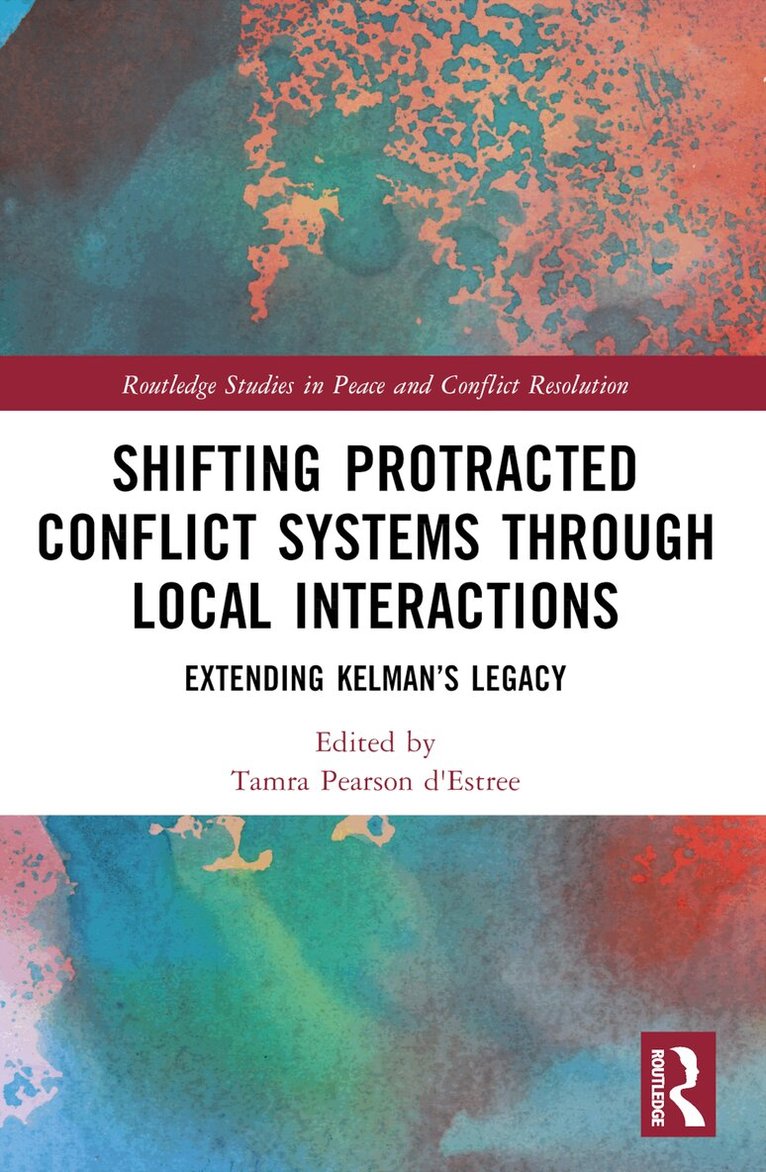
Shifting Protracted Conflict Systems Through Local Interactions
Extending Kelman’s Legacy
Häftad, Engelska, 2025
632 kr
Skickas inom 10-15 vardagar
This volume explores the evolution of theoretical and practical approaches to intervening in protracted conflicts, following the work of Herb Kelman.Interactive problem solving, as developed by Kelman and others, sought to increase understanding about the microprocesses of international relations. Kelman early on emphasised the centrality of an interactive approach for constructing new identities, new narratives, and new ways forward. Transforming conflict systems requires strategic attention to the interactions between agents of change that provide stability or induce shift. This volume on interactive conflict approaches includes both critical reflections and new ideas from scholar-practitioners who have developed, revised, and expanded these approaches. Contributors take up important issues, from the shape and likelihood of solutions in intractable conflicts to how individuals can exist in realities with seemingly irresolvable inner and outer conflicts. The volume represents the best of current thinking about how the mechanisms, theoretical framework, and application of interactive problem solving should be moved into the twenty-first century context of increasing complexity, increasing uncertainty, and increasing polarisation.This book will be of interest to students of peace studies, conflict resolution, and international relations.
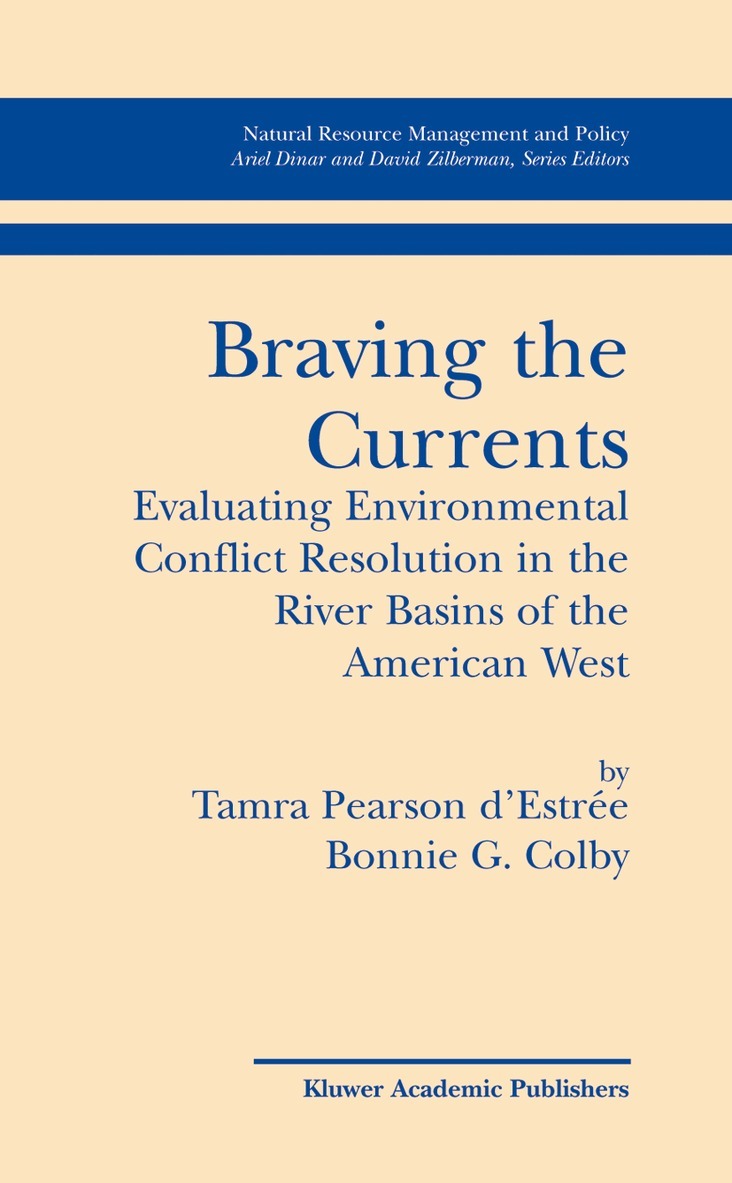
Braving the Currents
Evaluating Environmental Conflict Resolution in the River Basins of the American West
Inbunden, Engelska, 2004
1 062 kr
Skickas inom 10-15 vardagar
Braving the Currents systematically identifies, applies, and evaluates criteria to define success in complex multi-party natural resource disputes. The authors elucidate the full range of criteria for defining success that researchers, stakeholders, and practitioners have relied on as they have participated in, and reflected upon, environmental conflict resolution (CR) efforts. They examine 28 "success" criteria from many angles, present a method for systematically considering all the elements necessary for successful environmental CR, and then apply this analytic framework to eight specific western U.S. water conflicts. The criteria are assessed in terms of their accessibility, reliability, validity, and overall usefulness in evaluating specific conflict cases and different resolution methods. The book concludes with observations about successfully resolved disputes, a summary of what the authors have learned through their extensive evaluations, and a discussion of how public policies can contribute to dispute prevention and management. While the cases focus on water conflicts, their processes and assessments are applicable to a wide body of cases. At the suggestion of academic reviewers, the authors have included "Appendix A: A Guidebook", which enhances the book's text applicability by providing detailed instructions for case documentation and analysis. This book will be of particular interest to students and instructors of conflict resolution, environmental studies, public policy, negotiation, and resource management; public and private sector managers, researchers, practitioners, and attorneys; and conflict resolution professionals.
Del 26 - Natural Resource Management and Policy
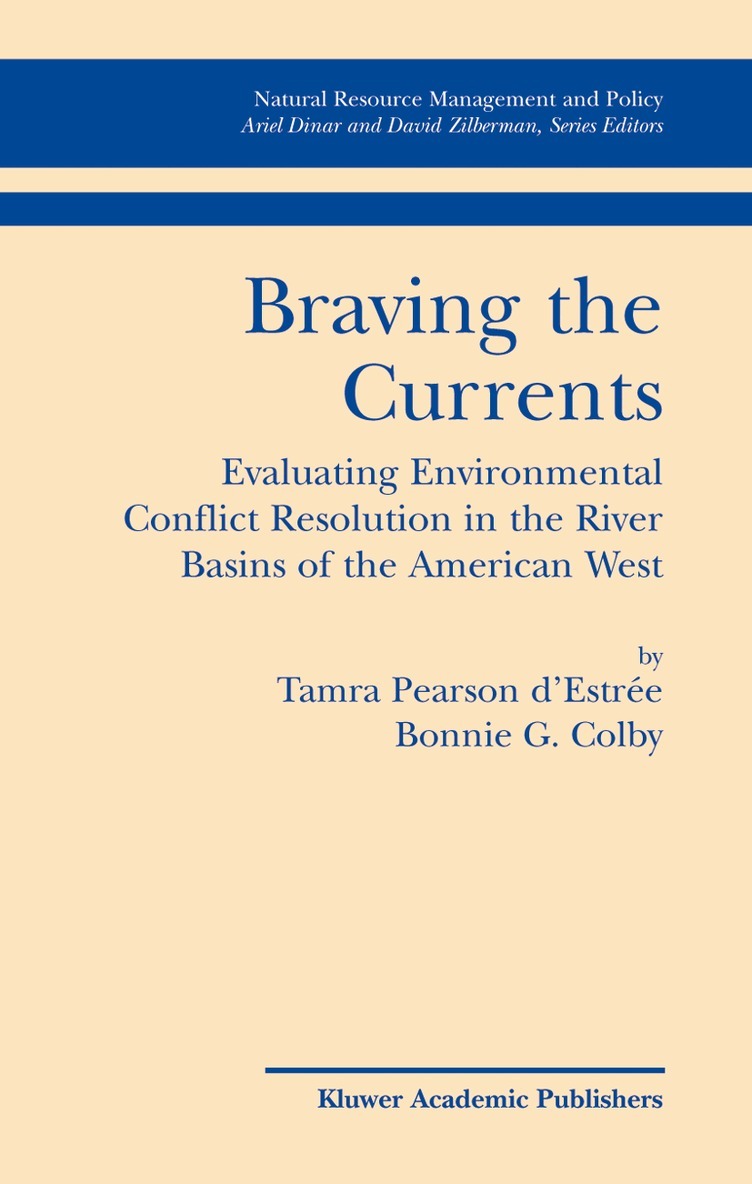
Braving the Currents
Evaluating Environmental Conflict Resolution in the River Basins of the American West
Häftad, Engelska, 2004
1 062 kr
Skickas inom 10-15 vardagar
Braving the Currents systematically identifies, applies, and evaluates criteria to define success in complex multi-party natural resource disputes. The authors elucidate the full range of criteria for defining success that researchers, stakeholders, and practitioners have relied on as they have participated in, and reflected upon, environmental conflict resolution (CR) efforts. They examine 28 "success" criteria from many angles, present a method for systematically considering all the elements necessary for successful environmental CR, and then apply this analytic framework to eight specific western U.S. water conflicts. The criteria are assessed in terms of their accessibility, reliability, validity, and overall usefulness in evaluating specific conflict cases and different resolution methods. The book concludes with observations about successfully resolved disputes, a summary of what the authors have learned through their extensive evaluations, and a discussion of how public policies can contribute to dispute prevention and management. While the cases focus on water conflicts, their processes and assessments are applicable to a wide body of cases. At the suggestion of academic reviewers, the authors have included "Appendix A: A Guidebook", which enhances the book's text applicability by providing detailed instructions for case documentation and analysis. This book will be of particular interest to students and instructors of conflict resolution, environmental studies, public policy, negotiation, and resource management; public and private sector managers, researchers, practitioners, and attorneys; and conflict resolution professionals.
1 572 kr
Skickas inom 10-15 vardagar
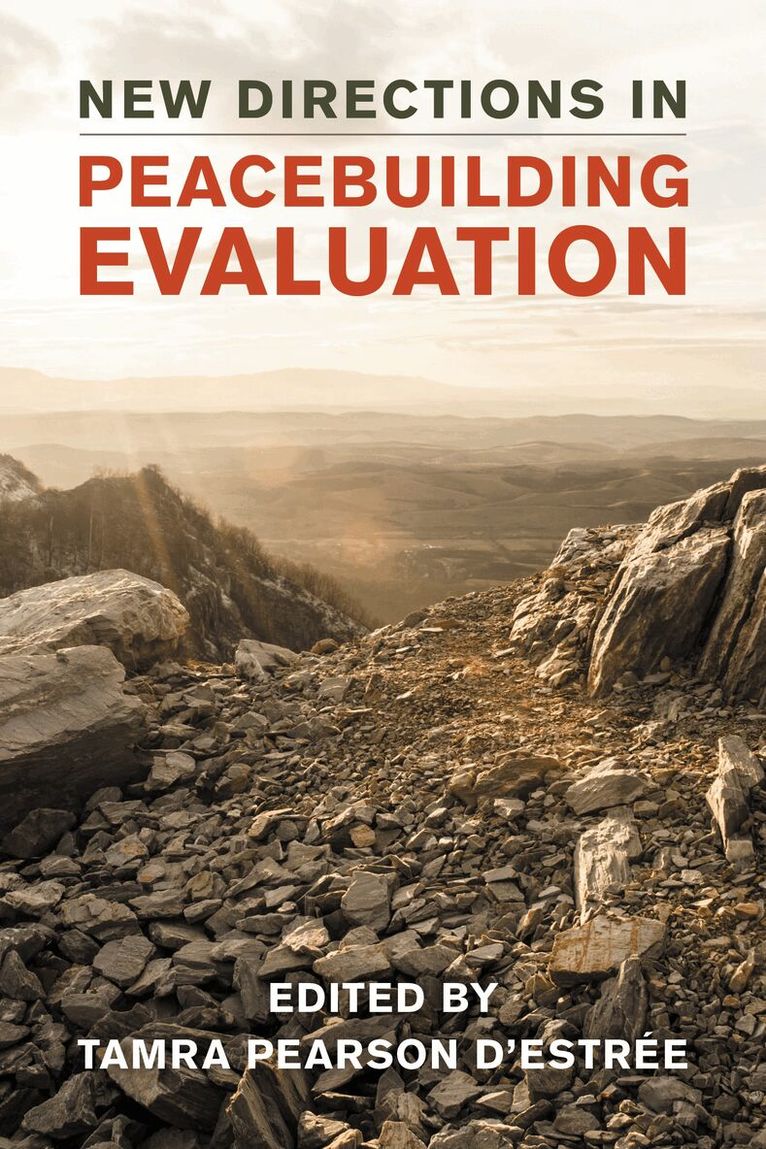
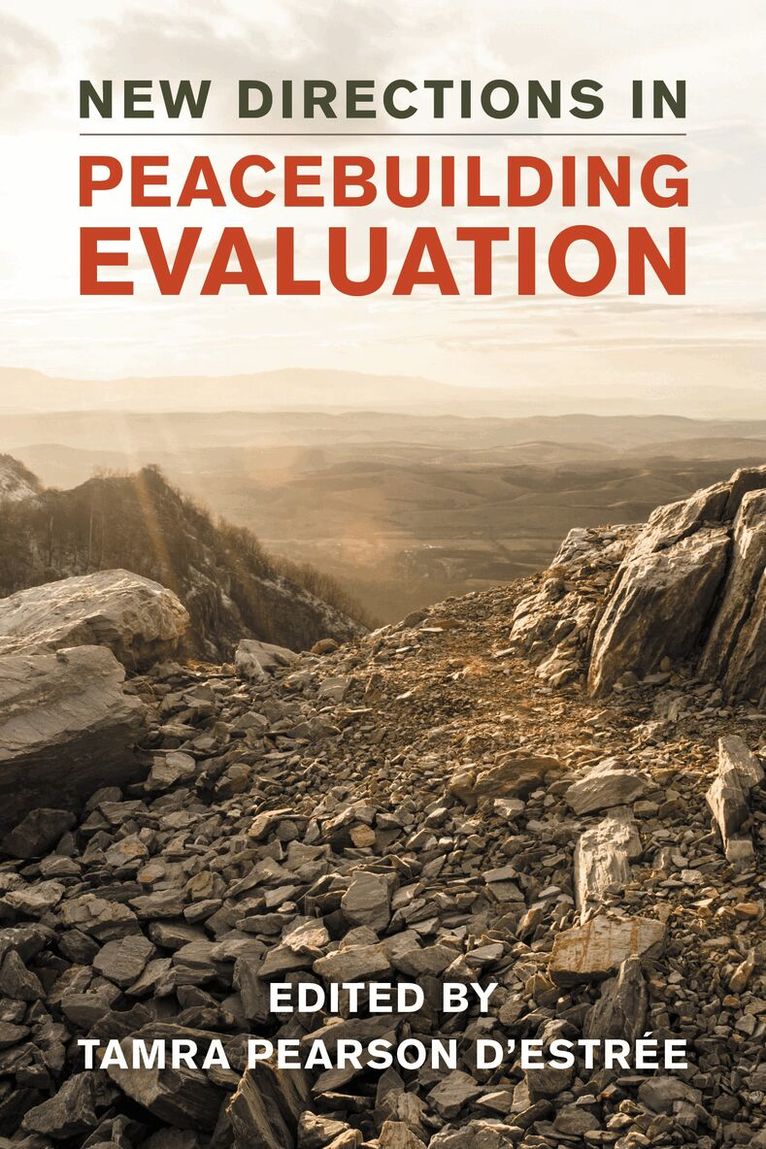
In this landmark collection, the voices of pathmakers and innovators in peacebuilding evaluation are assembled to provide new direction for the field. Stock is taken of the development and challenges of engaging in the real-time learning that evaluation requires. Best practices for overcoming challenges are discussed and critiqued, as well as some of the basic assumptions guiding the field. New means of gathering information and understanding conflict processes are offered and examined. To continue to evolve and strengthen peacebuilding practices and professionalism, multiple calls are issued for collaborative learning and a field-wide effort at community inquiry.
541 kr
Skickas inom 10-15 vardagar
In this landmark collection, the voices of pathmakers and innovators in peacebuilding evaluation are assembled to provide new direction for the field. Stock is taken of the development and challenges of engaging in the real-time learning that evaluation requires. Best practices for overcoming challenges are discussed and critiqued, as well as some of the basic assumptions guiding the field. New means of gathering information and understanding conflict processes are offered and examined. To continue to evolve and strengthen peacebuilding practices and professionalism, multiple calls are issued for collaborative learning and a field-wide effort at community inquiry.
Cultural Encounters and Emergent Practices in Conflict Resolution Capacity-Building
Häftad, Engelska, 2019
2 328 kr
Skickas inom 10-15 vardagar
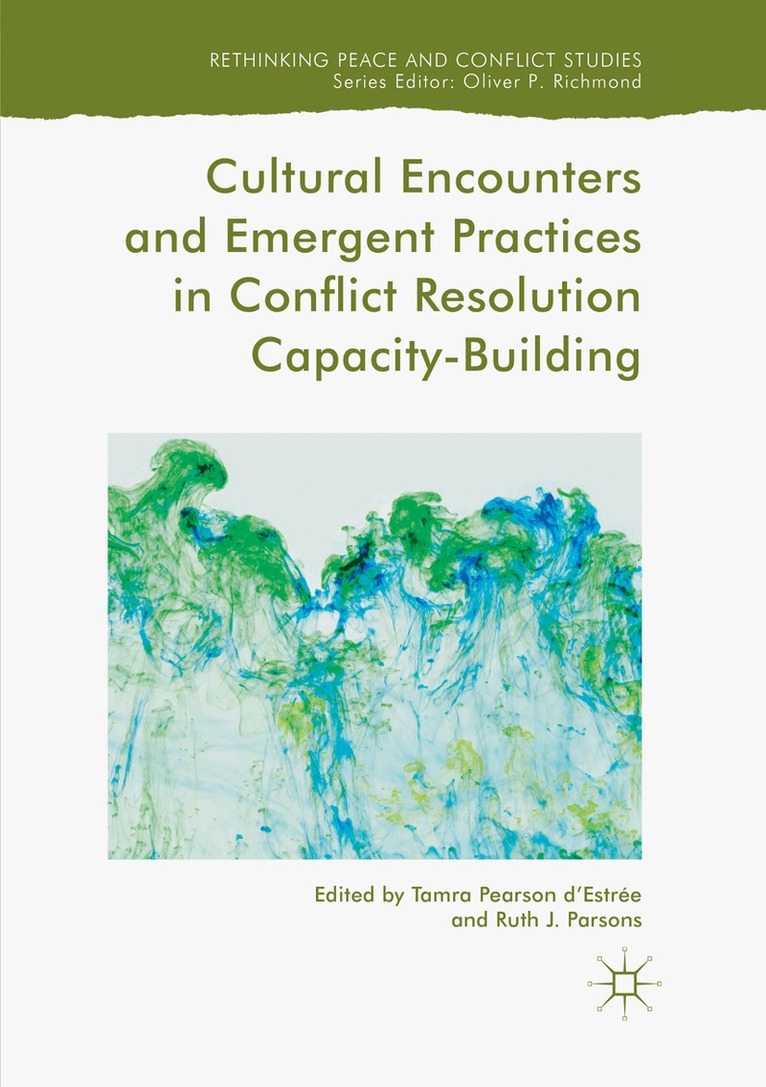
“Undoubtedly the most comprehensive analysis of the role of culture and emergent practices in capacity building currently at hand. d’Estrée and Parsons have produced a commendable amalgamation and scrutiny of local, cultural, and Indigenous mediation practices in a number of contexts that empower local people while interacting and integrating with Western mediation models in a blend of hybridity. The book is beautifully structured and will attract a wide readership including graduate and undergraduate students.”—Sean Byrne, Director, Arthur V. Mauro Centre for Peace & Justice, and Professor, Peace & Conflict Studies, University of Manitoba, Canada“Since late 1990s conflict resolution field has recognized the need to integrate culture in its processes. This book goes beyond such theoretical recognition and provides empirical evidence and solid concrete cases on how local actors from a wide range of cultural contexts integrated their cultural analysis and tools in their own sustainable conflict resolution processes. It also offers an effective set of guidelines and lessons learned for policy makers and peacebuilding practitioners on the need to deepen their reliance on local cultural practices of peace.” —Mohammed Abu-Nimer, Professor of International Peace and Conflict Resolution, School of International Service, American University, and Founder and Director of the Salam: Peacebuilding and Justice Institute in Washington, DC, USA“The evolving identities of communities impacted by deep historical divisions and population migration, in the context of life threatening resource shortages, present opportunities and challenges for conflict transformation professionals at every level. d'Estrée and Parsons respond to this challenge with a remarkable collection of stories from around the world that amplify the innovation in the field while capturing its history and complexity. It serves as the bridge between mediation and peacebuilding that is so necessary today.”—Prabha Sankaranarayan, CEO, Mediators Beyond Borders International “In this excellent book, Tamra Pearson d’Estrée and Ruth Parsons (and their impressive collection of case study authors) have analysed four generations of conflict resolution/transformation theory and practice. They highlight the diverse ways in which the burgeoning field of conflict resolution theorists and practitioners mirrored the ascendance and now decline of the neo-liberal western project. First and second generation efforts were based on notions of possessive individualism, rational choice theory and a general acceptance of the status quo. Culture was ignored or eliminated as were deeper questions of political and social inequality. But more importantly, there was an unwillingness to consider the power and the wisdom that resided in locality. Third and fourth generation conflict transformers, on the other hand, have engaged these deeper questions and focused more attention on emancipatory creative partnerships, social and economic justice, co-learning and hybridised models flowing from external engagement with local wisdom. This is a book that needs to be read by anyone interested in the transformative power of conflict resolution and long term social and political change.” —Kevin P Clements, Professor, Chair and Foundation Director, The National Centre for Peace and Conflict Studies, University of Otago, New ZealandWhile waves of scholarship have focused either on the value of presumed universal models or of traditional practices of conflict resolution, curiously missing has been the recognition and analysis of the actual intermingling and interacting of western and local cultural practices that have produced new and emergent practices in our global community. In this compilation of case studies, the authors describe partnerships forged between local practice expertise and bearers of “western/institutional” models to build innovative approaches to mediation and conflict resolution. Including stories of these experiences and the resulting hybrid models that emerged, the book explores central questions of cultural variation and integration, such as the perception of purpose and function of resolution processes, attitudes toward conflict, arenas and timeframes, third party roles, barriers to process use, as well as how to remain true to culture and context. It also examines partnership dynamics and lessons learned for modern cross-cultural collaboration.

Cultural Encounters and Emergent Practices in Conflict Resolution Capacity-Building
Inbunden, Engelska, 2018
2 328 kr
Skickas inom 10-15 vardagar
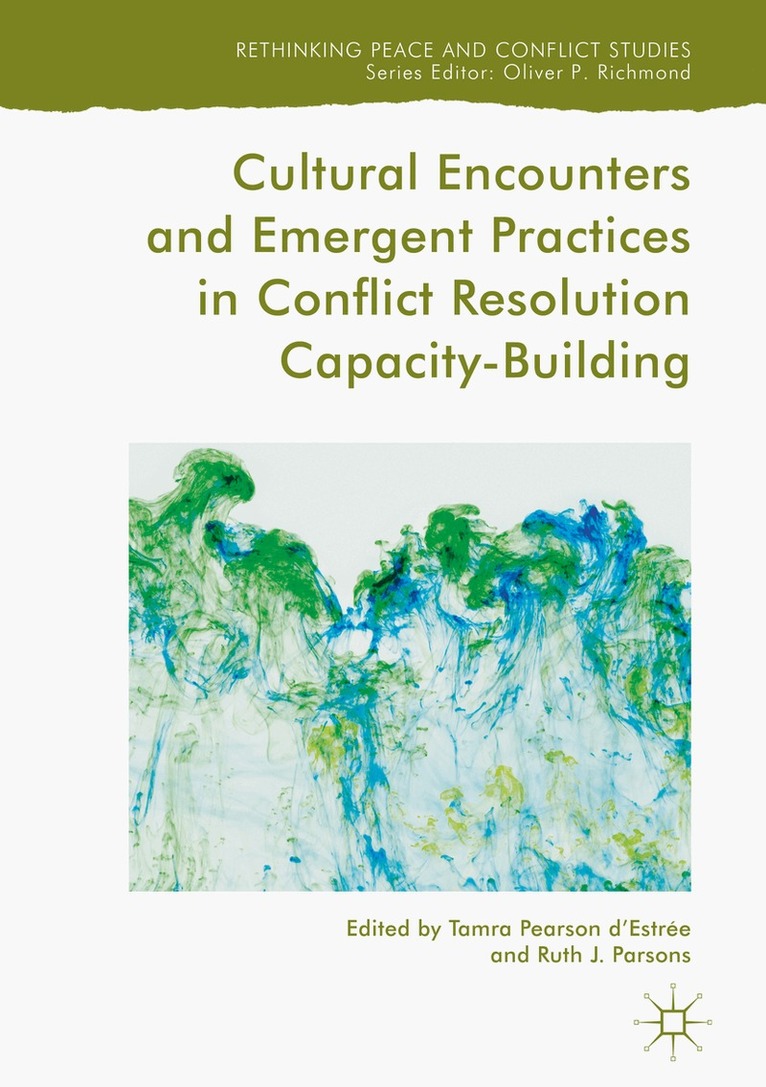
“Undoubtedly the most comprehensive analysis of the role of culture and emergent practices in capacity building currently at hand. d’Estrée and Parsons have produced a commendable amalgamation and scrutiny of local, cultural, and Indigenous mediation practices in a number of contexts that empower local people while interacting and integrating with Western mediation models in a blend of hybridity. The book is beautifully structured and will attract a wide readership including graduate and undergraduate students.”—Sean Byrne, Director, Arthur V. Mauro Centre for Peace & Justice, and Professor, Peace & Conflict Studies, University of Manitoba, Canada“Since late 1990s conflict resolution field has recognized the need to integrate culture in its processes. This book goes beyond such theoretical recognition and provides empirical evidence and solid concrete cases on how local actors from a wide range of cultural contexts integrated their cultural analysis and tools in their own sustainable conflict resolution processes. It also offers an effective set of guidelines and lessons learned for policy makers and peacebuilding practitioners on the need to deepen their reliance on local cultural practices of peace.” —Mohammed Abu-Nimer, Professor of International Peace and Conflict Resolution, School of International Service, American University, and Founder and Director of the Salam: Peacebuilding and Justice Institute in Washington, DC, USA“The evolving identities of communities impacted by deep historical divisions and population migration, in the context of life threatening resource shortages, present opportunities and challenges for conflict transformation professionals at every level. d'Estrée and Parsons respond to this challenge with a remarkable collection of stories from around the world that amplify the innovation in the field while capturing its history and complexity. It serves as the bridge between mediation and peacebuilding that is so necessary today.”—Prabha Sankaranarayan, CEO, Mediators Beyond Borders International “In this excellent book, Tamra Pearson d’Estrée and Ruth Parsons (and their impressive collection of case study authors) have analysed four generations of conflict resolution/transformation theory and practice. They highlight the diverse ways in which the burgeoning field of conflict resolution theorists and practitioners mirrored the ascendance and now decline of the neo-liberal western project. First and second generation efforts were based on notions of possessive individualism, rational choice theory and a general acceptance of the status quo. Culture was ignored or eliminated as were deeper questions of political and social inequality. But more importantly, there was an unwillingness to consider the power and the wisdom that resided in locality. Third and fourth generation conflict transformers, on the other hand, have engaged these deeper questions and focused more attention on emancipatory creative partnerships, social and economic justice, co-learning and hybridised models flowing from external engagement with local wisdom. This is a book that needs to be read by anyone interested in the transformative power of conflict resolution and long term social and political change.” —Kevin P Clements, Professor, Chair and Foundation Director, The National Centre for Peace and Conflict Studies, University of Otago, New ZealandWhile waves of scholarship have focused either on the value of presumed universal models or of traditional practices of conflict resolution, curiously missing has been the recognition and analysis of the actual intermingling and interacting of western and local cultural practices that have produced new and emergent practices in our global community. In this compilation of case studies, the authors describe partnerships forged between local practice expertise and bearers of “western/institutional” models to build innovative approaches to mediation and conflict resolution. Including stories of these experiences and the resulting hybrid models that emerged, the book explores central questions of cultural variation and integration, such as the perception of purpose and function of resolution processes, attitudes toward conflict, arenas and timeframes, third party roles, barriers to process use, as well as how to remain true to culture and context. It also examines partnership dynamics and lessons learned for modern cross-cultural collaboration.