Tanaka Chidora – författare
Visar alla böcker från författaren Tanaka Chidora. Handla med fri frakt och snabb leverans.
8 produkter
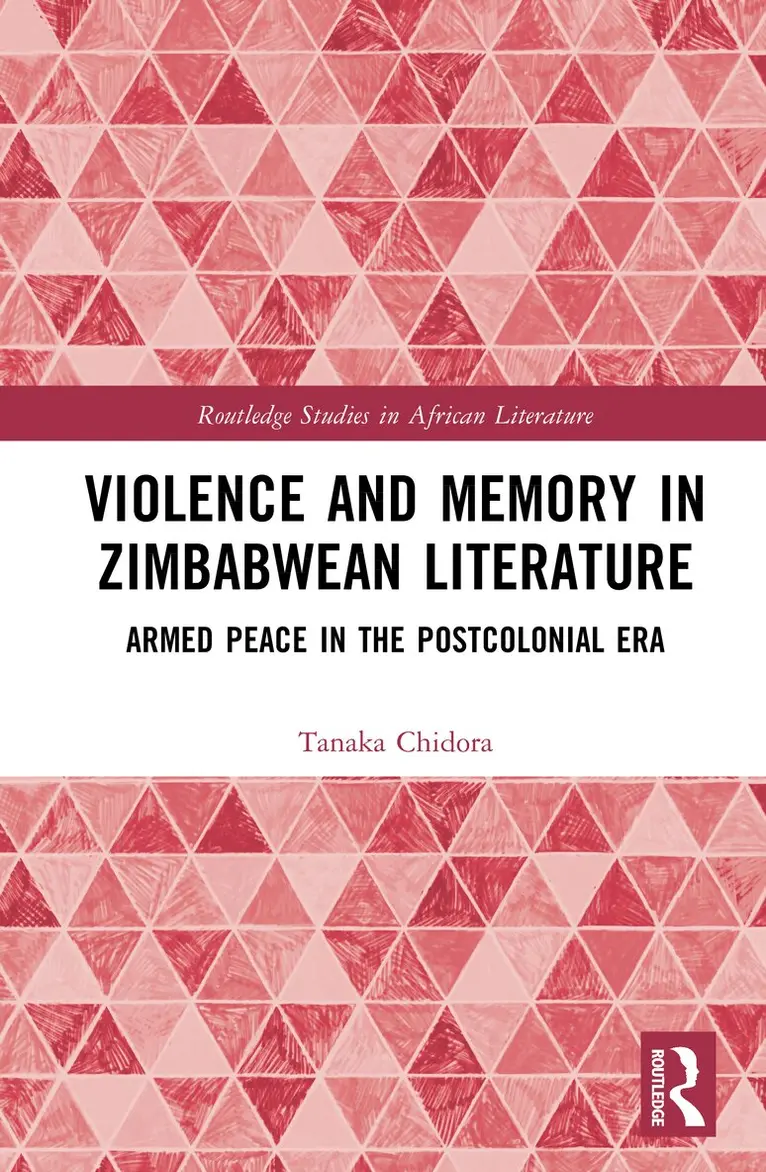
Violence and Memory in Zimbabwean Literature
Armed Peace in the Postcolonial Era
Inbunden, 2025
2893 kr
Lägg i varukorg
This book investigates how Zimbabwean literary texts subvert state-sponsored amnesia when it comes to the many forms of past and ongoing political violence in Zimbabwe.Zimbabwean Literature provides an important space for confronting the past and reflecting on how violence continues into the …
Violence and Memory in Zimbabwean Literature
Armed Peace in the Postcolonial Era
E-bok, 2025
935 kr
Lägg i varukorg
This book investigates how Zimbabwean literary texts subvert state-sponsored amnesia when it comes to the many forms of past and ongoing political violence in Zimbabwe.Zimbabwean Literature provides an important space for confronting the past and reflecting on how violence continues into the …
Violence and Memory in Zimbabwean Literature
Armed Peace in the Postcolonial Era
E-bok, 2025
956 kr
Lägg i varukorg
This book investigates how Zimbabwean literary texts subvert state-sponsored amnesia when it comes to the many forms of past and ongoing political violence in Zimbabwe.Zimbabwean Literature provides an important space for confronting the past and reflecting on how violence continues into the …
Because Sadness is Beautiful
E-bok, 2020
334 kr
Lägg i varukorg
"Tanaka Chidora writes with the nerve and verve of firework displays in these poems. There is �a peace armed to the teeth� here, and over there �words are just fugitives scuttling away from the recognition of the reader.� Through this burst of iron vocabulary discipline, the poet suggests that even …
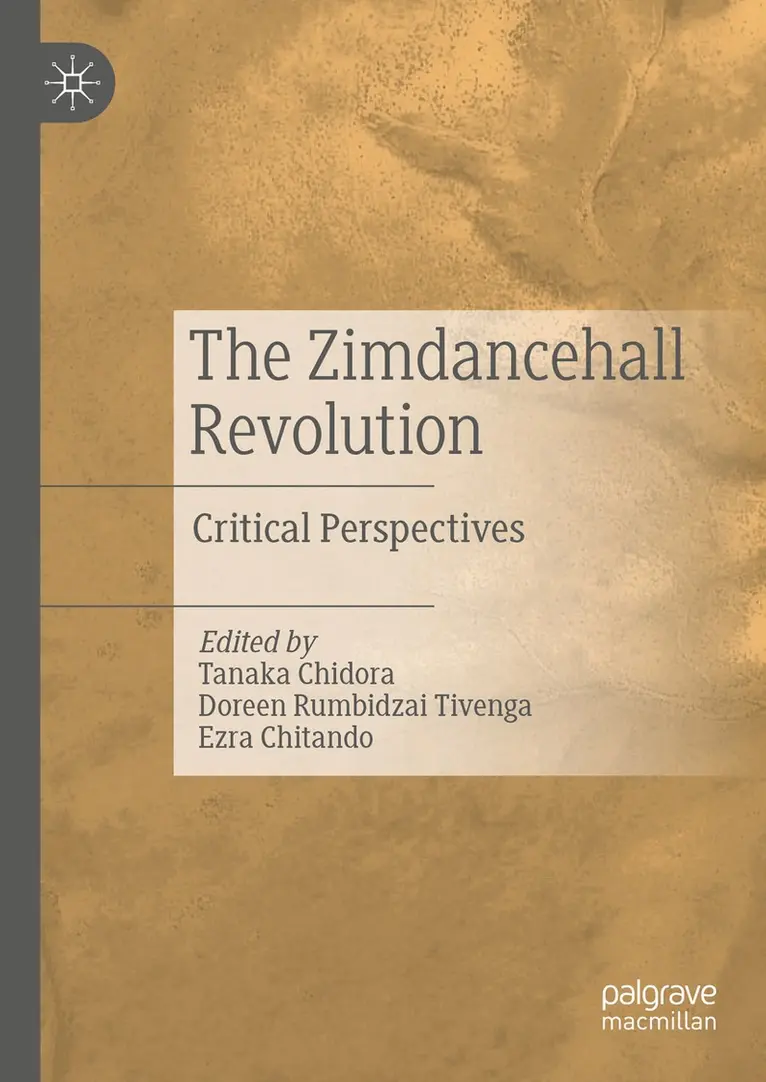
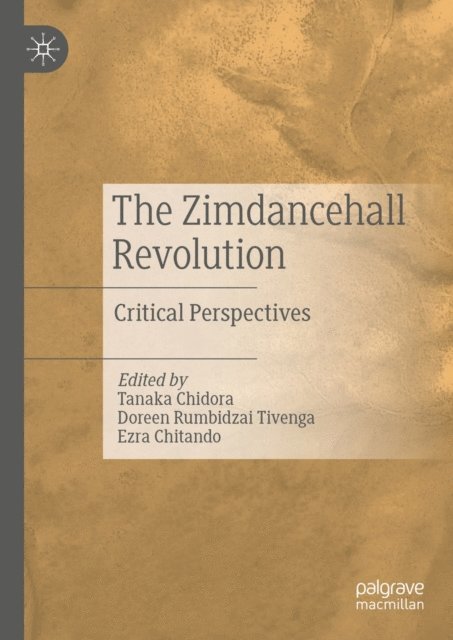
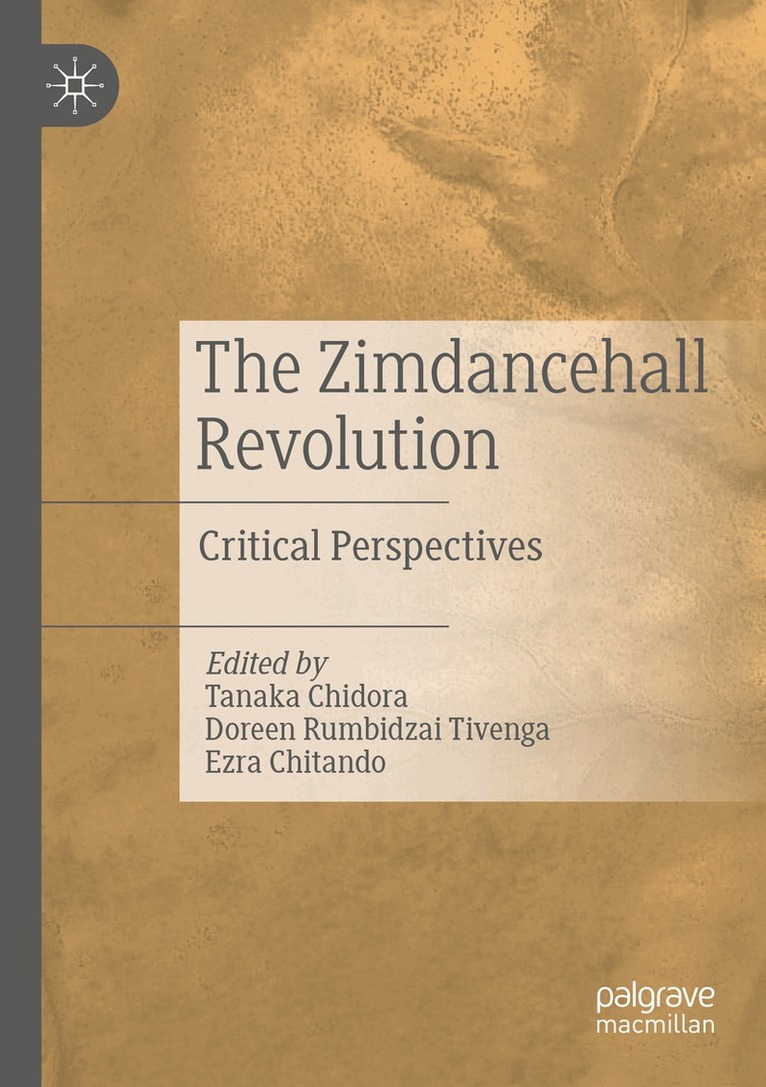
Zimdancehall Revolution
Critical Perspectives
Av Tanaka Chidora, Doreen Rumbidzai Tivenga m. fl.
Inbunden, 2023
1690 kr
Lägg i varukorg
Zimdancehall is a musical movement in Zimbabwe that has grown significantly since 2010. The Zimdancehall Revolution brings together critical essays on various aspects of Zimdancehall culture by scholars from diverse disciplines. Traditionally, music critics and senior academics have not taken …
Zimdancehall Revolution
Critical Perspectives
Av Ezra Chitando, Doreen Rumbidzai Tivenga m. fl.
E-bok, 2023
2174 kr
Lägg i varukorg
Zimdancehall is a musical movement in Zimbabwe that has grown significantly since 2010. The Zimdancehall Revolution brings together critical essays on various aspects of Zimdancehall culture by scholars from diverse disciplines. Traditionally, music critics and senior academics have not taken …
Zimdancehall Revolution
Critical Perspectives
Av Tanaka Chidora, Doreen Rumbidzai Tivenga m. fl.
Häftad, 2024
1690 kr
Lägg i varukorg
Zimdancehall is a musical movement in Zimbabwe that has grown significantly since 2010. The Zimdancehall Revolution brings together critical essays on various aspects of Zimdancehall culture by scholars from diverse disciplines. Traditionally, music critics and senior academics have not taken …