E-bok
Engelska, 2014479 kr
Läs direkt efter köp
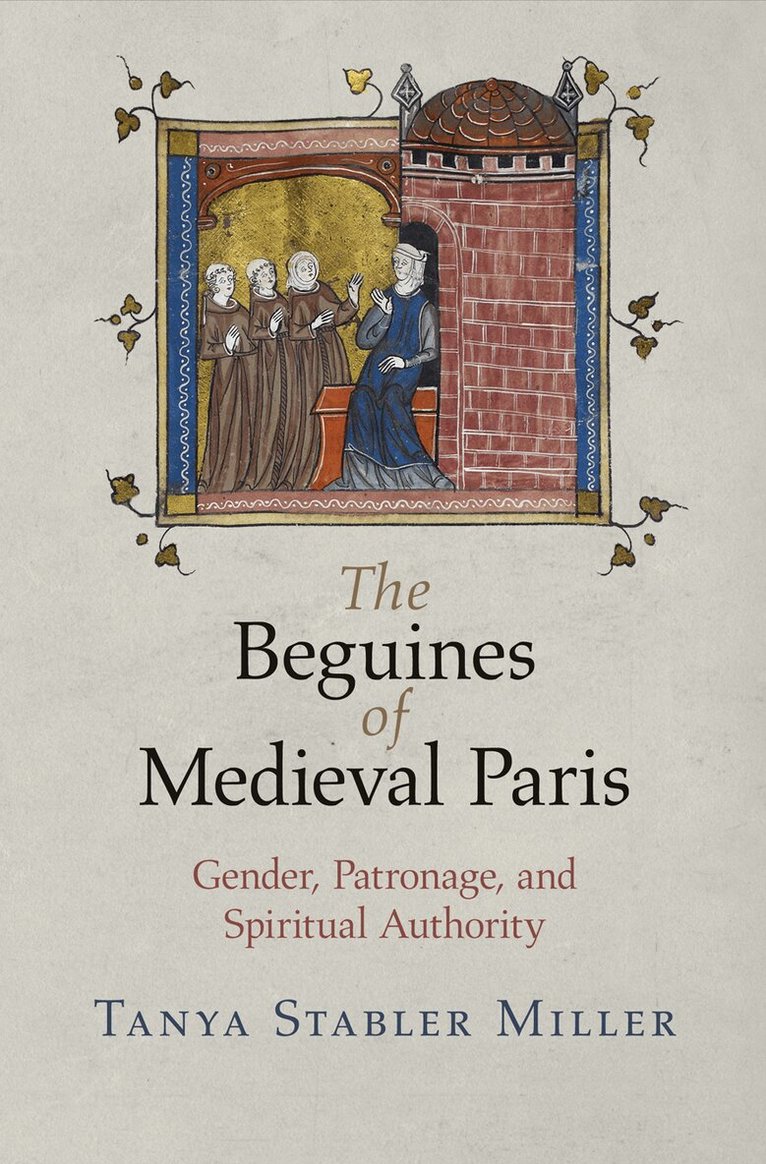
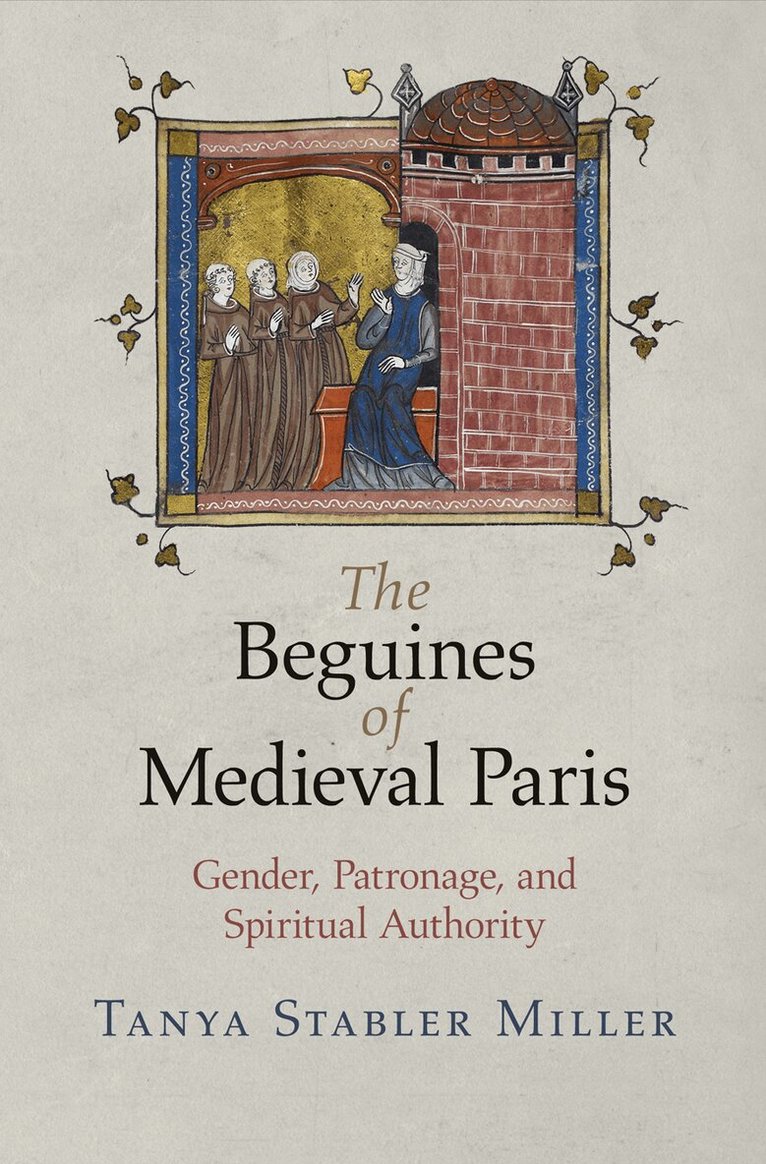
In the thirteenth century, Paris was the largest city in Western Europe, the royal capital of France, and the seat of one of Europe's most important universities. In this vibrant and cosmopolitan city, the beguines, women who wished to devote their lives to Christian ideals without taking formal vows, enjoyed a level of patronage and esteem that was uncommon among like communities elsewhere. Some Parisian beguines owned shops and played a vital role in the city's textile industry and economy. French royals and nobles financially supported the beguinages, and university clerics looked to the beguines for inspiration in their pedagogical endeavors. The Beguines of Medieval Paris examines these religious communities and their direct participation in the city's commercial, intellectual, and religious life.Drawing on an array of sources, including sermons, religious literature, tax rolls, and royal account books, Tanya Stabler Miller contextualizes the history of Parisian beguines within a spectrum of lay religious activity and theological controversy. She examines the impact of women on the construction of medieval clerical identity, the valuation of women's voices and activities, and the surprising ways in which local networks and legal structures permitted women to continue to identify as beguines long after a church council prohibited the beguine status. Based on intensive archival research, The Beguines of Medieval Paris makes an original contribution to the history of female religiosity and labor, university politics and intellectual debates, royal piety, and the central place of Paris in the commerce and culture of medieval Europe.