Tatiana Bur – författare
Visar alla böcker från författaren Tatiana Bur. Handla med fri frakt och snabb leverans.
7 produkter
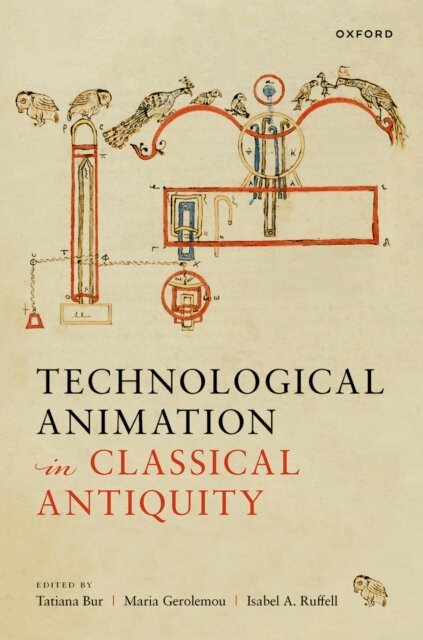
Technological Animation in Classical Antiquity
Av Isabel Ruffell, Maria Gerolemou m. fl.
E-bok, 2024
1477 kr
Lägg i varukorg
The persistent desire to animate inanimate objects has been a recurring theme in European culture dating back to ancient Greek and Roman times. Technological Animation in Classical Antiquity aims to establish, for the first time, the significance of this aspiration and its practical realization …
Technological Animation in Classical Antiquity
Av Isabel Ruffell, Maria Gerolemou m. fl.
E-bok, 2024
1477 kr
Lägg i varukorg
The persistent desire to animate inanimate objects has been a recurring theme in European culture dating back to ancient Greek and Roman times. Technological Animation in Classical Antiquity aims to establish, for the first time, the significance of this aspiration and its practical realization …
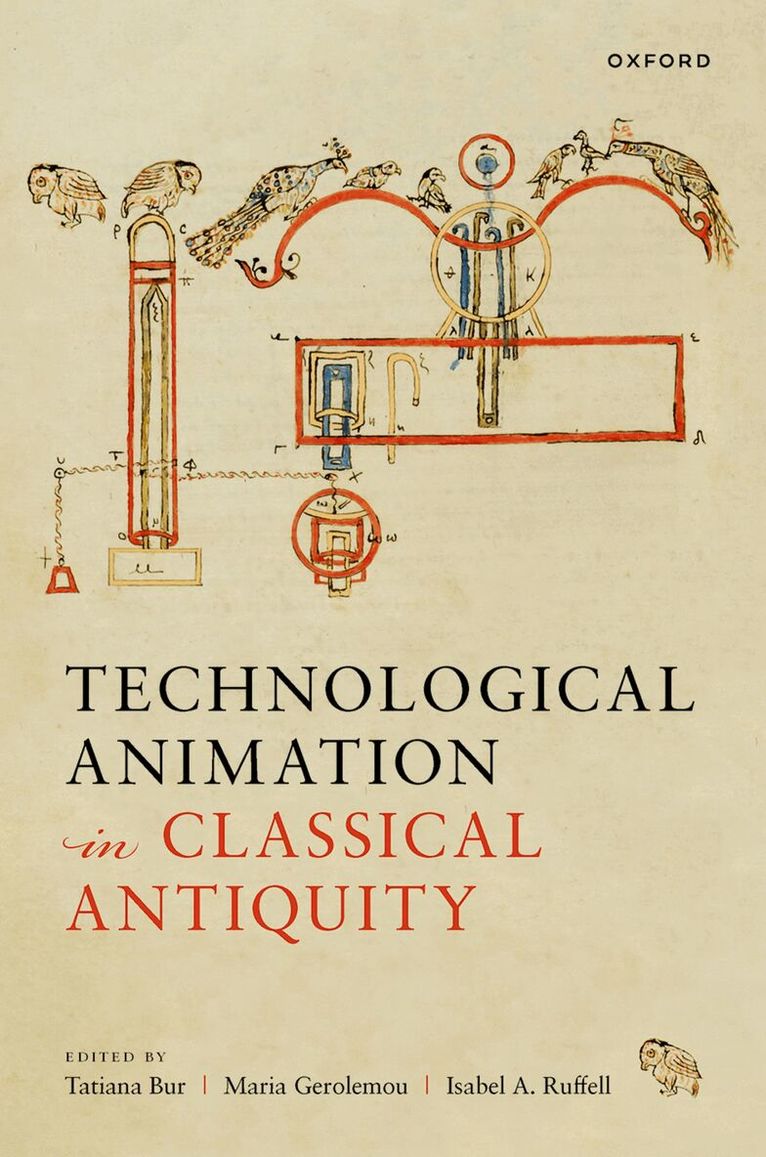
Technological Animation in Classical Antiquity
Av Tatiana Bur, Maria Gerolemou m. fl.
Inbunden, 2024
1843 kr
Lägg i varukorg
The persistent desire to animate inanimate objects has been a recurring theme in European culture dating back to ancient Greek and Roman times. Technological Animation in Classical Antiquity aims to establish, for the first time, the significance of this aspiration and its practical realization …
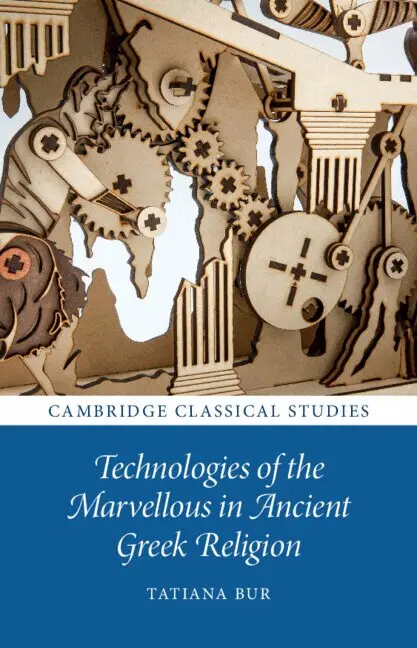
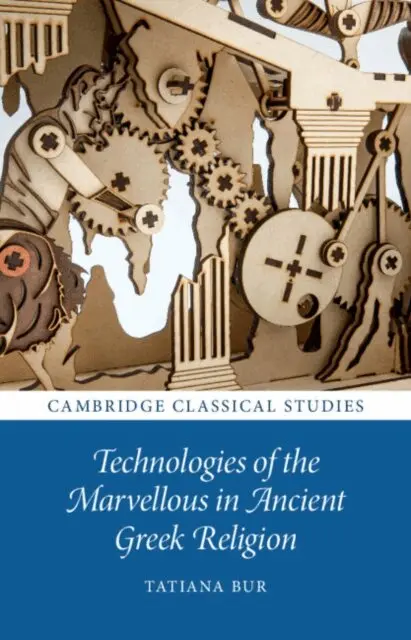
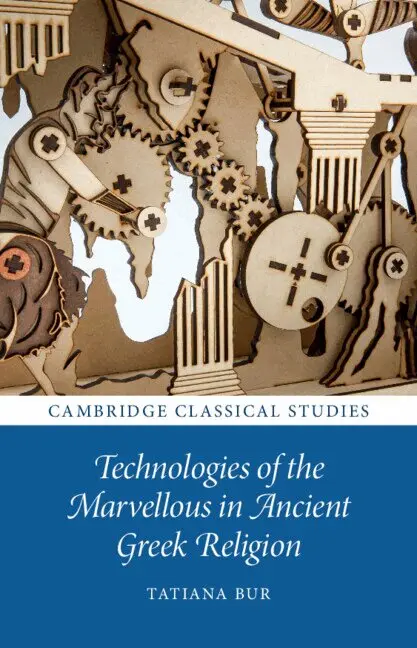
Technologies of the Marvellous in Ancient Greek Religion
Av Tatiana Bur
Inbunden, 2025
1481 kr
Lägg i varukorg
This book investigates the ways that technological, and especially mechanical, strategies were integrated into ancient Greek religion. By analysing a range of evidence, from the tragic use of the deus ex machina to Hellenistic epigrams to ancient mechanical literature, it expands the existing …
Technologies of the Marvellous in Ancient Greek Religion
Av Tatiana Bur
E-bok, 2025
474 kr
Lägg i varukorg
Technologies of the Marvellous in Ancient Greek Religion
Av Tatiana Bur
E-bok, 2025
489 kr
Lägg i varukorg
Technologies of the Marvellous in Ancient Greek Religion
Av Tatiana Bur
Häftad, 2025
504 kr
Lägg i varukorg
This book investigates the ways that technological, and especially mechanical, strategies were integrated into ancient Greek religion. By analysing a range of evidence, from the tragic use of the deus ex machina to Hellenistic epigrams to ancient mechanical literature, it expands the existing …