Tatiana Voronina – författare
Visar alla böcker från författaren Tatiana Voronina. Handla med fri frakt och snabb leverans.
3 produkter
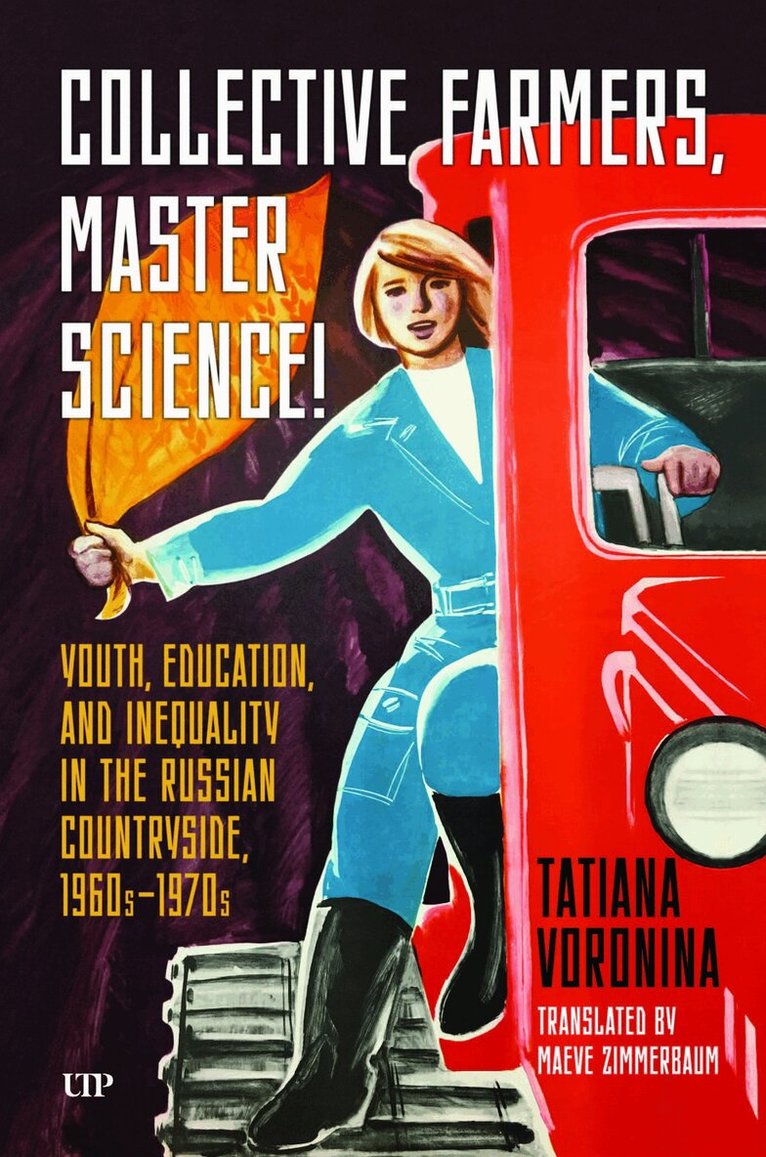
Collective Farmers, Master Science
Youth, Education, and Inequality in the Russian Countryside, 1960s-1970s
Inbunden, 2025
1005 kr
Lägg i varukorg
Soviet authorities had long aimed to create a classless society and eliminate the differences between the city and the countryside. Collective Farmers, Master Science! describes the Russian peasantry’s transformation and ultimate extinction through the young people who became immersed in a new …
Collective Farmers, Master Science
Youth, Education, and Inequality in the Russian Countryside, 1960s-1970s
E-bok, 2025
1209 kr
Lägg i varukorg
Soviet authorities had long aimed to create a classless society and eliminate the differences between the city and the countryside. Collective Farmers, Master Science! describes the Russian peasantry's transformation and ultimate extinction through the young people who became immersed in a new …
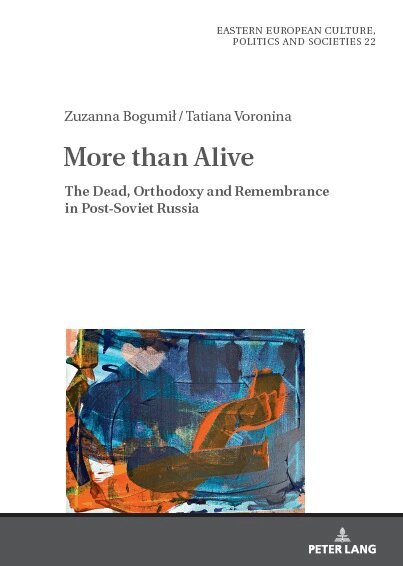
More than Alive
The Dead, Orthodoxy and Remembrance in Post-Soviet Russia
Av Zuzanna Bogumił, Tatiana Voronina
Inbunden, 2023
669 kr
Lägg i varukorg
The process of the Orthodoxization of memory in Russia started long before the Russian Orthodox Church engaged in the memory politics. It was a grassrooted process initiated by both the living and the dead. By using religious symbols and rituals, various groups of living were restoring their …