Tea Lobo – författare
Visar alla böcker från författaren Tea Lobo. Handla med fri frakt och snabb leverans.
6 produkter
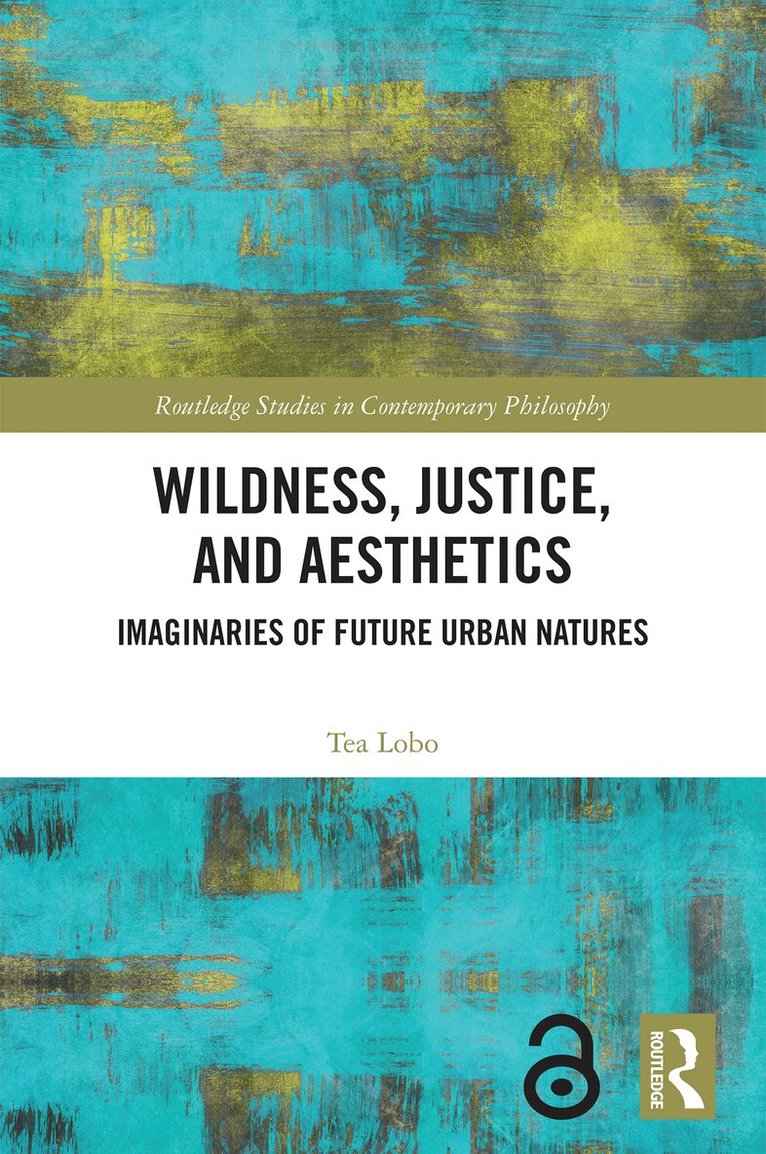
Wildness, Justice, and Aesthetics
Imaginaries of Future Urban Natures
Av Tea Lobo
Inbunden, 2026
2504 kr
Lägg i varukorg
Urbanization is expanding at rapid rates worldwide. This growth depletes resources, destroys habitats, and negatively affects mental health by distancing people from nature. On the other hand, per-capita resource and space consumption decreases significantly in cities compared to suburban and rural …
Wildness, Justice, and Aesthetics
Imaginaries of Future Urban Natures
Av Tea Lobo
E-bok, 2026
831 kr
Lägg i varukorg
Urbanization is expanding at rapid rates worldwide. This growth depletes resources, destroys habitats, and negatively affects mental health by distancing people from nature. On the other hand, per-capita resource and space consumption decreases significantly in cities compared to suburban and rural …
Wildness, Justice, and Aesthetics
Imaginaries of Future Urban Natures
Av Tea Lobo
E-bok, 2026
831 kr
Lägg i varukorg
Urbanization is expanding at rapid rates worldwide. This growth depletes resources, destroys habitats, and negatively affects mental health by distancing people from nature. On the other hand, per-capita resource and space consumption decreases significantly in cities compared to suburban and rural …
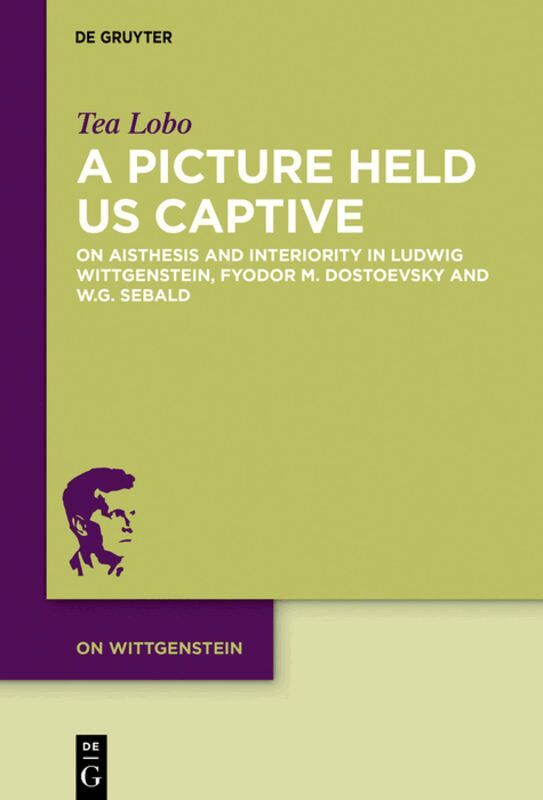
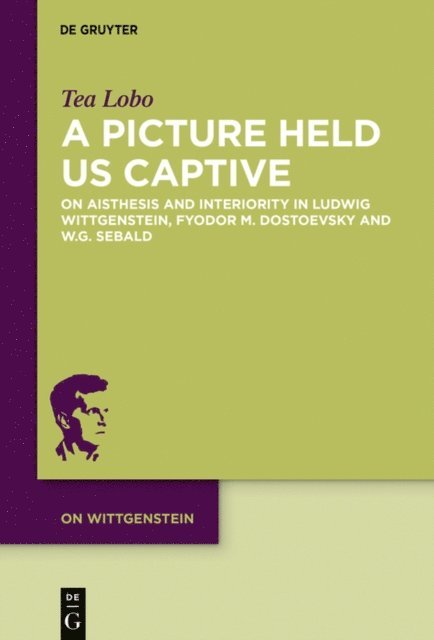
Picture Held Us Captive
On Aisthesis and Interiority in Ludwig Wittgenstein, Fyodor M. Dostoevsky and W.G. Sebald
Av Tea Lobo
Inbunden, 2019
2149 kr
Lägg i varukorg
While there are publications on Wittgenstein’s interest in Dostoevsky’s novels and the recurring mentions of Wittgenstein in Sebald’s works, there has been no systematic scholarship on the relation between perception (such as showing and pictures) and the problem of an adequate presentation of …
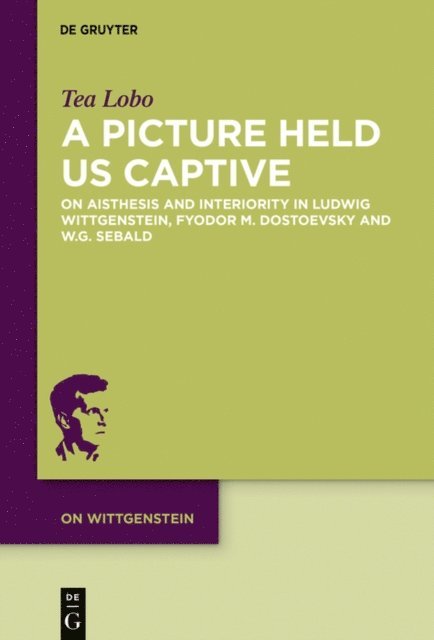
Picture Held Us Captive
On Aisthesis and Interiority in Ludwig Wittgenstein, Fyodor M. Dostoevsky and W.G. Sebald
Av Tea Lobo
E-bok, 2019
1939 kr
Lägg i varukorg
While there are publications on Wittgenstein’s interest in Dostoevsky’s novels and the recurring mentions of Wittgenstein in Sebald’s works, there has been no systematic scholarship on the relation between perception (such as showing and pictures) and the problem of an adequate presentation of …
Picture Held Us Captive
On Aisthesis and Interiority in Ludwig Wittgenstein, Fyodor M. Dostoevsky and W.G. Sebald
Av Tea Lobo
E-bok, 2019
1982 kr
Lägg i varukorg
While there are publications on Wittgenstein’s interest in Dostoevsky’s novels and the recurring mentions of Wittgenstein in Sebald’s works, there has been no systematic scholarship on the relation between perception (such as showing and pictures) and the problem of an adequate presentation of …