Thea Tomaini - Böcker
Visar alla böcker från författaren Thea Tomaini. Handla med fri frakt och snabb leverans.
2 produkter
2 produkter
1 067 kr
Skickas inom 7-10 vardagar
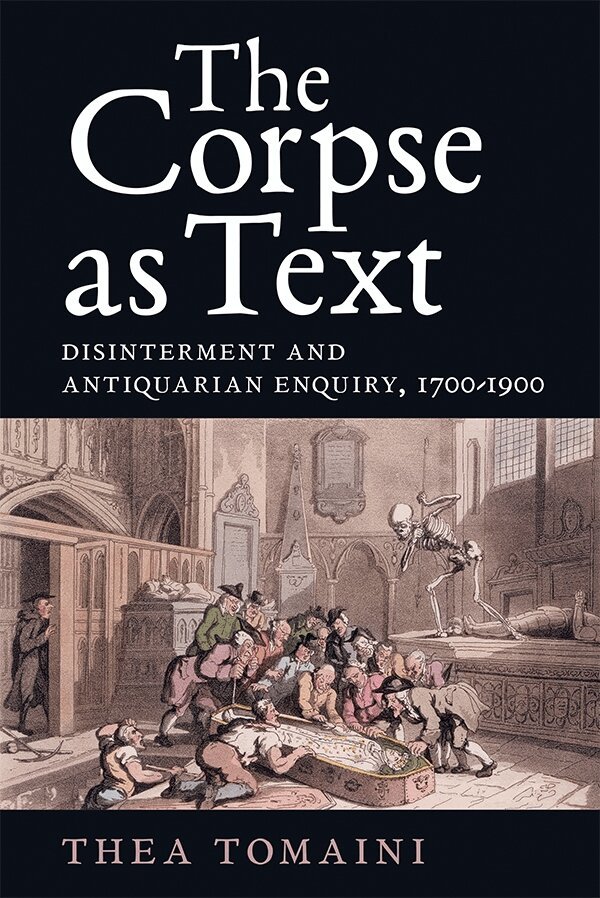
Between 1700 and 1900, the subject of disinterment (exhumation) attracted the attention of antiquaries, who constructed a comprehensive memory of the past by 'reading' corpses as documents describing an idealised past.Between 1700 and 1900, the sixteenth and seventeenth centuries were stereotyped, idealised, and held as a standard by which the present time could be measured. Various figures in politics, academia, and the church pointed to historical persons such as Henry VIII, Shakespeare, Charles I, and Oliver Cromwell as icons whose lives, deaths and corpses illustrated the victories of English Protestantism, the values of Monarchism (or Republicanism), and the superiority of the English culture and its language. In particular, the subject of disinterment (exhumation) attracted the attention of antiquaries. They constructed a comprehensive memory of the past by 'reading' corpses as documents describing an idealised past. These 'texts' accompanied and enhanced the traditional texts of chronicle, literature, and epitaph.This study explores the cooperation of ideology and aesthetic, the paradox of allure and revulsion, and the uncanny attraction to death. In each case there is a desire for the dead to speak in a contemporary voice; each historical personage becomes symbolic of larger aspects of the contemporary culture. The discourse of the noble body in death is reconfigured to validate English nationalist ideals and to establish the past as a Golden Era of unimpeachable superiority. It was not enough simply to study the lives and deaths of historical figures. Itwas necessary to disinter the corpses, engage physically with the dead, and experience the discourse of validation.THEA TOMAINI is Associate Professor of English (Teaching) at the University of Southern California.
Del 5 - Explorations in Medieval Culture
Dealing With The Dead
Mortality and Community in Medieval and Early Modern Europe
Inbunden, Engelska, 2018
2 657 kr
Skickas inom 5-8 vardagar
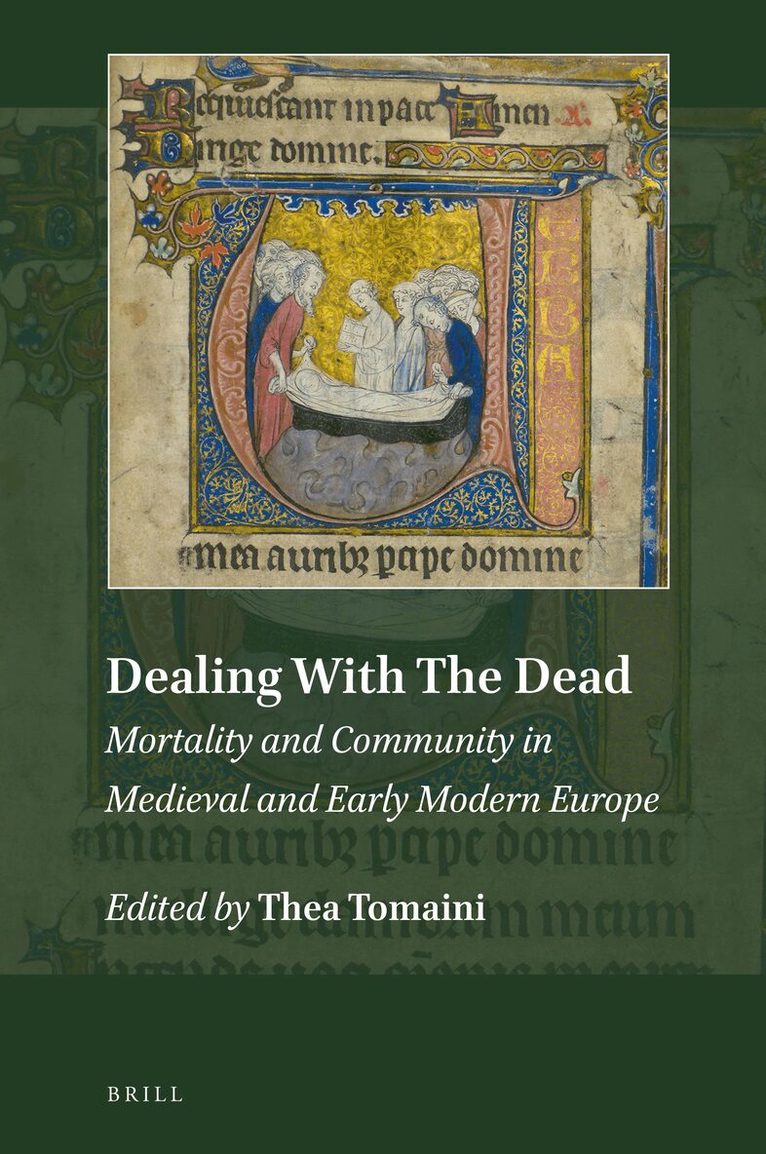
Death was a constant, visible presence in medieval and renaissance Europe. Yet, the acknowledgement of death did not necessarily amount to an acceptance of its finality. Whether they were commoners, clergy, aristocrats, or kings, the dead continued to function literally as integrated members of their communities long after they were laid to rest in their graves.From stories of revenants bringing pleas from Purgatory to the living, to the practical uses and regulation of burial space; from the tradition of the ars moriendi, to the depiction of death on the stage; and from the making of martyrs, to funerals for the rich and poor, this volume examines how communities dealt with their dead as continual, albeit non-living members.Contributors are Jill Clements, Libby Escobedo, Hilary Fox, Sonsoles Garcia, Stephen Gordon, Melissa Herman, Mary Leech, Nikki Malain, Kathryn Maud, Justin Noetzel, Anthony Perron, Martina Saltamacchia, Thea Tomaini, Wendy Turner, and Christina Welch