Theodore Hughes - Böcker
Visar alla böcker från författaren Theodore Hughes. Handla med fri frakt och snabb leverans.
8 produkter
8 produkter
1 275 kr
Skickas inom 7-10 vardagar
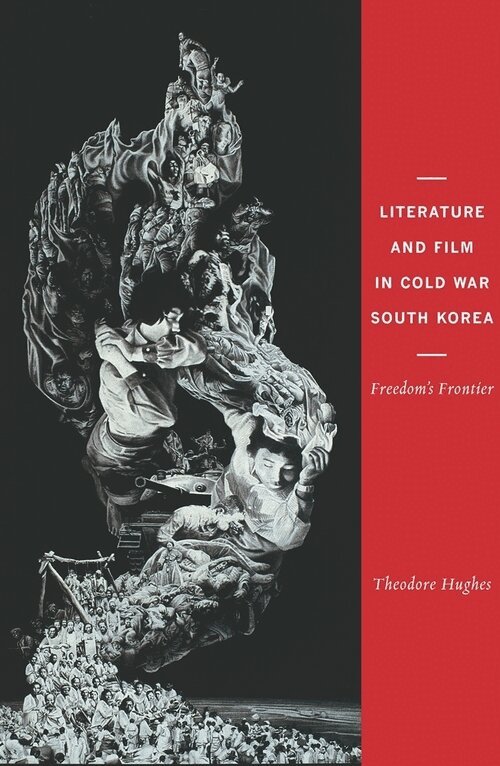
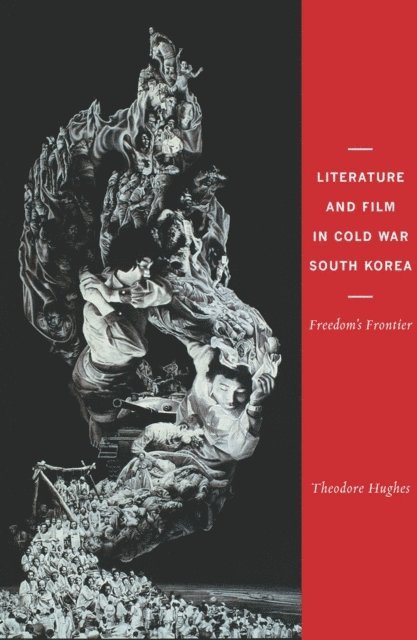
Korean writers and filmmakers crossed literary and visual cultures in multilayered ways under Japanese colonial rule (1910-1945). Taking advantage of new modes and media that emerged in the early twentieth century, these artists sought subtle strategies for representing the realities of colonialism and global modernity. Theodore Hughes begins by unpacking the relations among literature, film, and art in Korea's colonial period, paying particular attention to the emerging proletarian movement, literary modernism, nativism, and wartime mobilization. He then demonstrates how these developments informed the efforts of post-1945 writers and filmmakers as they confronted the aftershocks of colonialism and the formation of separate regimes in North and South Korea. Hughes puts neglected Korean literary texts, art, and film into conversation with studies on Japanese imperialism and Korea's colonial history. At the same time, he locates post-1945 South Korean cultural production within the transnational circulation of texts, ideas, and images that took place in the first three decades of the Cold War.The incorporation of the Korean Peninsula into the global Cold War order, Hughes argues, must be understood through the politics of the visual. In Literature and Film in Cold War South Korea, he identifies ways of seeing that are central to the organization of a postcolonial culture of division, authoritarianism, and modernization.
325 kr
Skickas inom 7-10 vardagar
Korean writers and filmmakers crossed literary and visual cultures in multilayered ways under Japanese colonial rule (1910-1945). Taking advantage of new modes and media that emerged in the early twentieth century, these artists sought subtle strategies for representing the realities of colonialism and global modernity. Theodore Hughes begins by unpacking the relations among literature, film, and art in Korea's colonial period, paying particular attention to the emerging proletarian movement, literary modernism, nativism, and wartime mobilization. He then demonstrates how these developments informed the efforts of post-1945 writers and filmmakers as they confronted the aftershocks of colonialism and the formation of separate regimes in North and South Korea. Hughes puts neglected Korean literary texts, art, and film into conversation with studies on Japanese imperialism and Korea's colonial history. At the same time, he locates post-1945 South Korean cultural production within the transnational circulation of texts, ideas, and images that took place in the first three decades of the Cold War.The incorporation of the Korean Peninsula into the global Cold War order, Hughes argues, must be understood through the politics of the visual. In Literature and Film in Cold War South Korea, he identifies ways of seeing that are central to the organization of a postcolonial culture of division, authoritarianism, and modernization.
1 275 kr
Skickas inom 7-10 vardagar
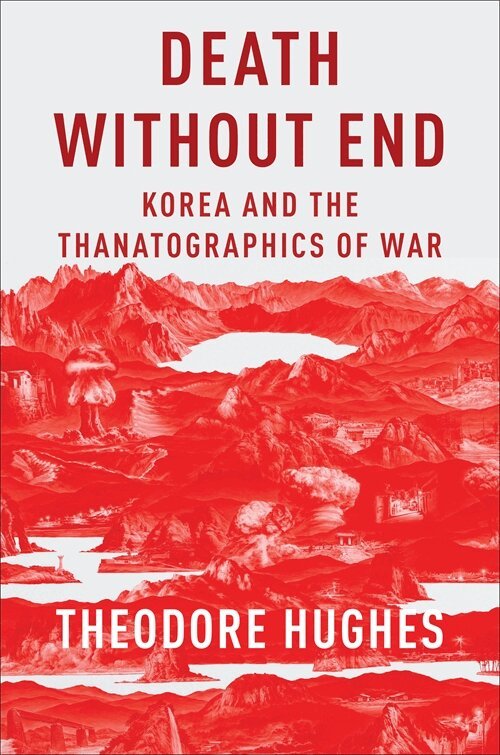
The Korean War was never formally declared, and no peace treaty ending the war was ever signed. The 1953 armistice did not stop the war but marked its extension and expansion into a warlike state of emergency. How did the new reality of life under armistice shape visions of the possible in North and South Korea? What meanings are attached to deaths in a so-called “limited war” that turned out to be limitless? What does the lack of an end to the Korean War reveal about the nature of war in the post-1945 era?Theodore Hughes crosses borders to demonstrate how stories of dying and death—what he calls the thanatographic imagination—in North Korea, the United States, and South Korea energize ideas about history, the present, and the future. Death Without End shows how literary texts, films, nonfiction, and other forms of cultural production from the late 1940s to the 1960s give rise to revolutionary belongings, gendered selfhoods, and anticommunist cosmopolitanisms as they address the incommensurate loss of life, violence, destruction, and suffering of the war. Hughes also traces how the Korean War entered US popular culture in unexpected but enduring ways. Bridging Korean studies, American studies, and the cultural turn in international relations, this book offers new ways to understand the unending Korean War and the global implications of its logic of limitlessness.
325 kr
Skickas inom 7-10 vardagar
The Korean War was never formally declared, and no peace treaty ending the war was ever signed. The 1953 armistice did not stop the war but marked its extension and expansion into a warlike state of emergency. How did the new reality of life under armistice shape visions of the possible in North and South Korea? What meanings are attached to deaths in a so-called “limited war” that turned out to be limitless? What does the lack of an end to the Korean War reveal about the nature of war in the post-1945 era?Theodore Hughes crosses borders to demonstrate how stories of dying and death—what he calls the thanatographic imagination—in North Korea, the United States, and South Korea energize ideas about history, the present, and the future. Death Without End shows how literary texts, films, nonfiction, and other forms of cultural production from the late 1940s to the 1960s give rise to revolutionary belongings, gendered selfhoods, and anticommunist cosmopolitanisms as they address the incommensurate loss of life, violence, destruction, and suffering of the war. Hughes also traces how the Korean War entered US popular culture in unexpected but enduring ways. Bridging Korean studies, American studies, and the cultural turn in international relations, this book offers new ways to understand the unending Korean War and the global implications of its logic of limitlessness.
145 kr
Skickas inom 5-8 vardagar
437 kr
Skickas inom 10-15 vardagar
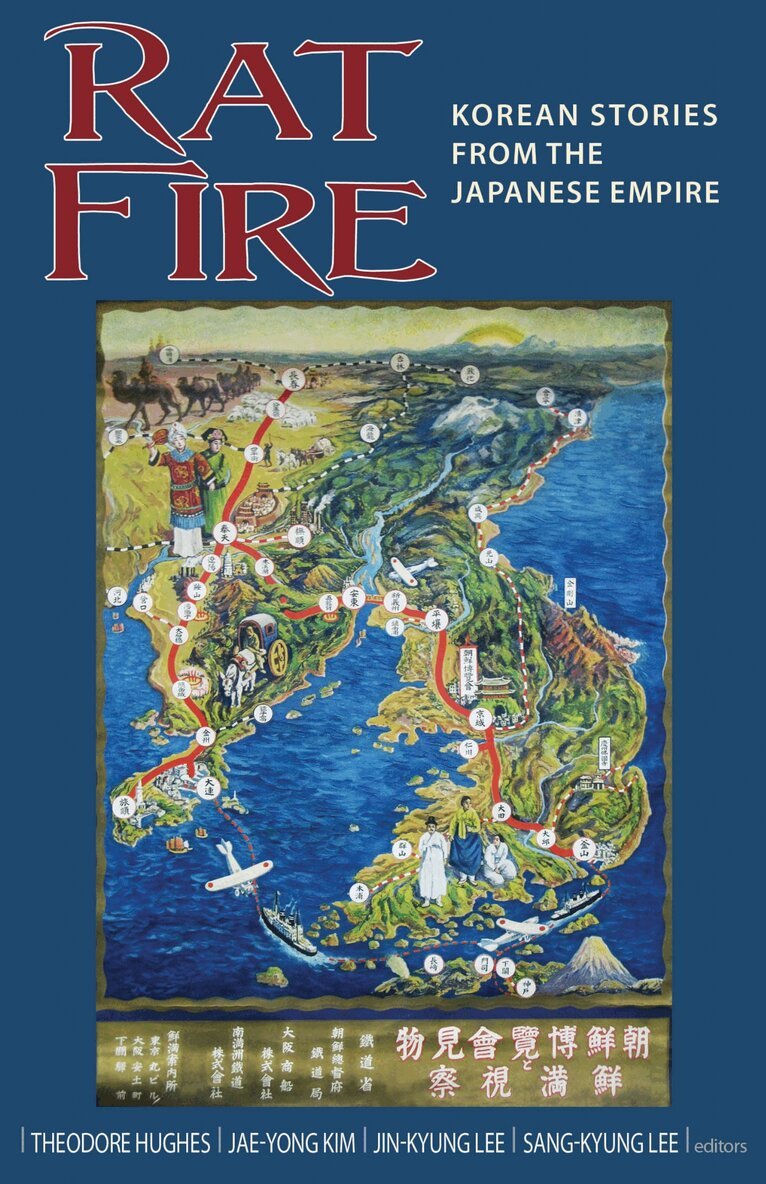
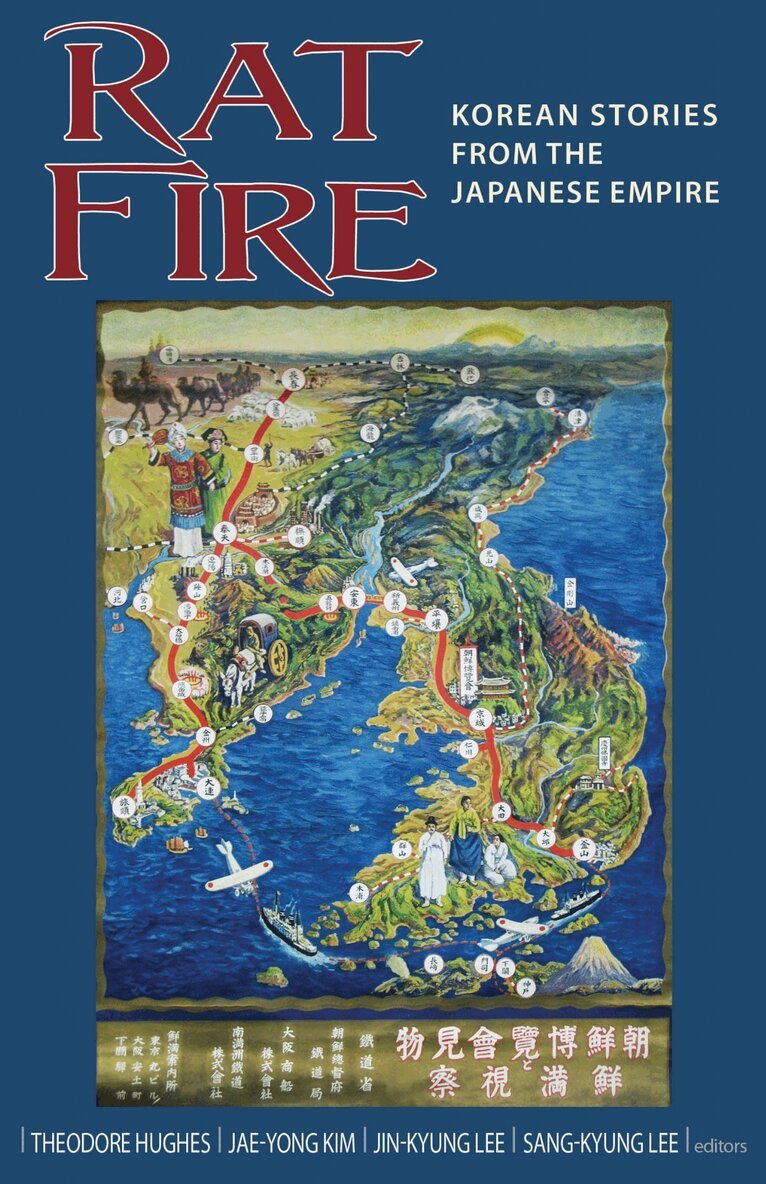
This volume brings together twelve short stories by colonial Korean proletarian writers, as well as two works written in 1946 under U.S. military occupation. The volume provides a diverse, ever-changing portrait of the complex movements of people and ideas that constituted both colonial Korea and the Japanese empire, adding the tumultuous experiences of those from the Korean peninsula to the existing international canon of socialist and feminist literature.
806 kr
Skickas inom 10-15 vardagar
This volume brings together twelve short stories by colonial Korean proletarian writers, as well as two works written in 1946 under U.S. military occupation. The volume provides a diverse, ever-changing portrait of the complex movements of people and ideas that constituted both colonial Korea and the Japanese empire, adding the tumultuous experiences of those from the Korean peninsula to the existing international canon of socialist and feminist literature.
245 kr
Skickas inom 3-6 vardagar