Theresa Earenfight - Böcker
Visar alla böcker från författaren Theresa Earenfight. Handla med fri frakt och snabb leverans.
8 produkter
8 produkter
1 383 kr
Skickas inom 10-15 vardagar
Medieval queens led richly complex lives and were highly visible women active in a man's world. Linked to kings by marriage, family, and property, queens were vital to the institution of monarchy.In this comprehensive and accessible introduction to the study of queenship, Theresa Earenfight documents the lives and works of queens and empresses across Europe, Byzantium, and the Mediterranean in the Middle Ages. The book:- Introduces pivotal research and sources in queenship studies, and includes exciting and innovative new archival research- Highlights four crucial moments across the full span of the Middle Ages – ca. 300, 700, 1100, and 1350 – when Christianity, education, lineage, and marriage law fundamentally altered the practice of queenship- Examines theories and practices of queenship in the context of wider issues of gender, authority, and power.This is an invaluable and illuminating text for students, scholars and other readers interested in the role of royal women in medieval society.
447 kr
Skickas inom 10-15 vardagar
Medieval queens led richly complex lives and were highly visible women active in a man's world. Linked to kings by marriage, family, and property, queens were vital to the institution of monarchy.In this comprehensive and accessible introduction to the study of queenship, Theresa Earenfight documents the lives and works of queens and empresses across Europe, Byzantium, and the Mediterranean in the Middle Ages. The book:- Introduces pivotal research and sources in queenship studies, and includes exciting and innovative new archival research- Highlights four crucial moments across the full span of the Middle Ages – ca. 300, 700, 1100, and 1350 – when Christianity, education, lineage, and marriage law fundamentally altered the practice of queenship- Examines theories and practices of queenship in the context of wider issues of gender, authority, and power.This is an invaluable and illuminating text for students, scholars and other readers interested in the role of royal women in medieval society.
396 kr
Skickas inom 7-10 vardagar
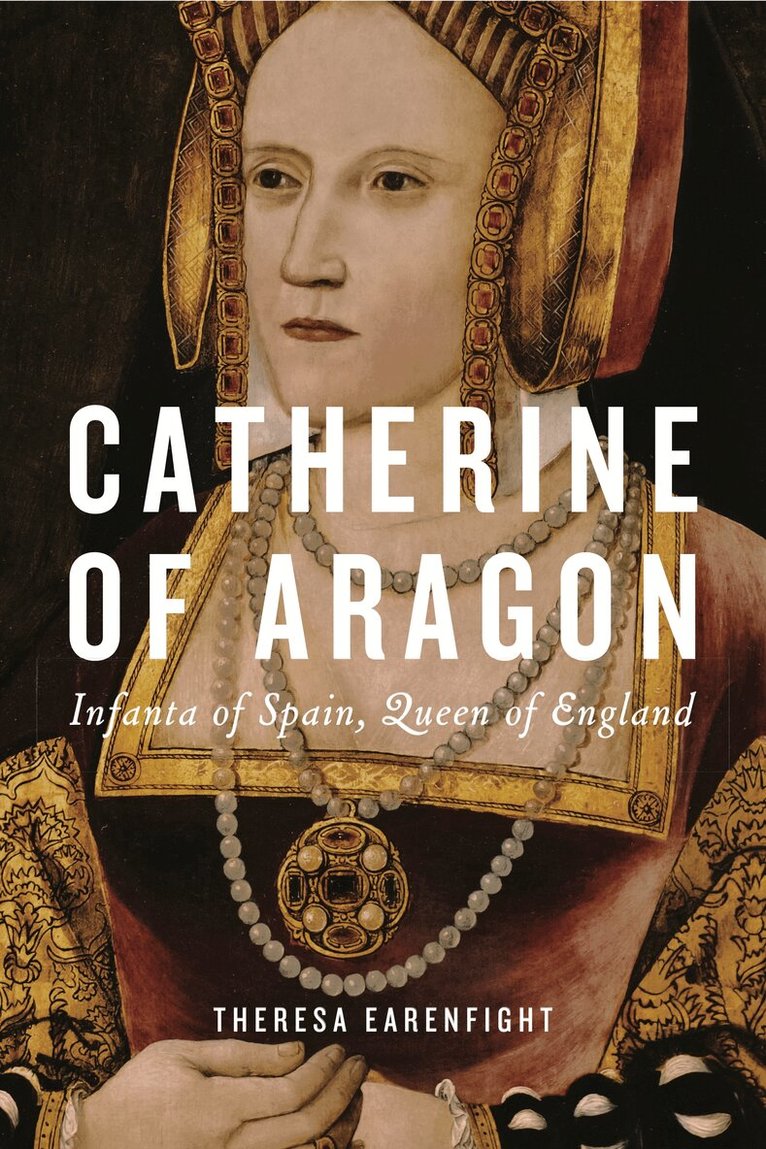
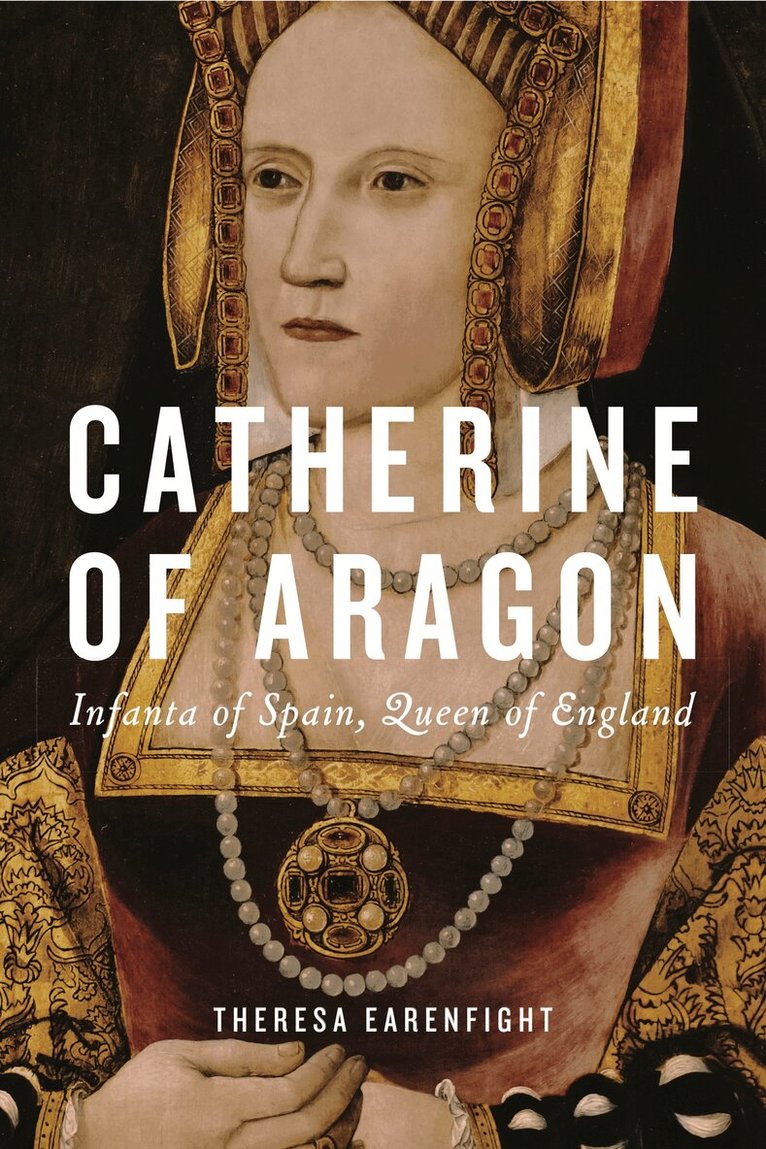
Catherine of Aragon is an elusive subject. Despite her status as a Spanish infanta, Princess of Wales, and Queen of England, few of her personal letters have survived, and she is obscured in the contemporary royal histories. In this evocative biography, Theresa Earenfight presents an intimate and engaging portrait of Catherine told through the objects that she left behind.A pair of shoes, a painting, a rosary, a fur-trimmed baby blanket—each of these things took meaning from the ways Catherine experienced and perceived them. Through an examination of the inventories listing the few possessions Catherine owned at her death, Earenfight follows the arc of Catherine’s life: first as a coddled child in Castile, then as a young adult alone in England after the death of her first husband, a devoted wife and doting mother, a patron of the arts and of universities, and, finally, a dear friend to the women and men who stood by her after Henry VIII set her aside in favor of another woman. Based on traces and fragments, these portraits of Catherine are interpretations of a life lived five centuries ago. Earenfight creates a compelling picture of a multifaceted, intelligent woman and a queen of England.Engagingly written, this cultural and emotional biography of Catherine brings us closer to understanding her life from her own perspective.
2 166 kr
Skickas inom 10-15 vardagar
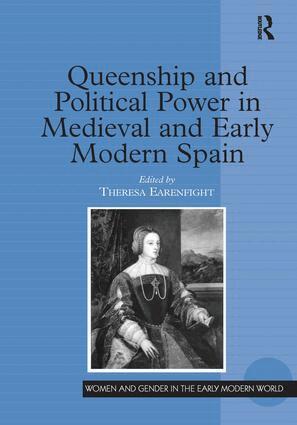
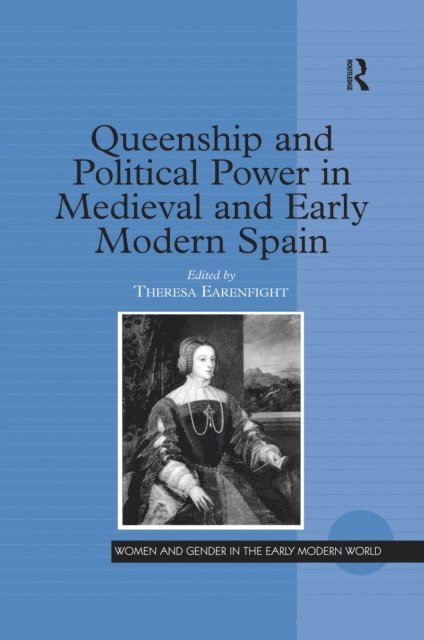
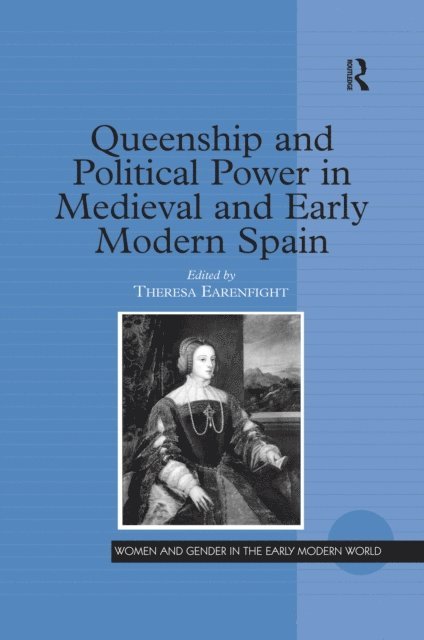
Unlike empresses in Germany and queens in England and France, the lives and political careers of most Iberian queens remain largely unknown to non-specialists. In this collection, Theresa Earenfight brings together new research on medieval and early modern Spanish queens that highlights the distinctive political culture that resulted in forms of queenship similar to, yet also substantially different from, that of northern Europe. The essays consider three aspects of queenship and politics: the institutional foundations and practice of politics, the politics of religion and religious devotion, and the literary and artistic representations of queenship and power. Late medieval queens, because they often occupied prominent and powerful offices such as the regency in Castile and Portugal and the Lieutenancy in the Crown of Aragon, exemplify a unique form of queenship that can best be described as a political partnership. Habsburg queens and empresses, often excluded from such official political roles, were less publicly visible but their power as partner to the king, although shrouded, remains potent. Their political careers were the result of two forces: first, military circumstances brought about by territorial expansion, conquest, and second, a political culture that did not explicitly prohibit queens from active participation in the governance of the realm. The essays in this collection-by both newer and well established scholars-demonstrate the range and depth of current research on Iberian queenship, and prompt a re-examination of long-held assumptions about women and the exercise of power in pre-modern Spain.
686 kr
Skickas inom 10-15 vardagar
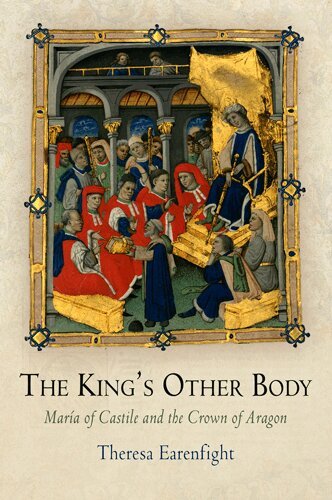
Queen MarÍa of Castile, wife of Alfonso V, "the Magnanimous," king of the Crown of Aragon, governed Catalunya in the mid-fifteenth century while her husband conquered and governed the kingdom of Naples. For twenty-six years, she maintained a royal court and council separate from and roughly equivalent to those of Alfonso in Naples. Such legitimately sanctioned political authority is remarkable given that she ruled not as queen in her own right but rather as Lieutenant-General of Catalunya with powers equivalent to the king's. MarÍa does not fit conventional images of a queen as wife and mother; indeed, she had no children and so never served as queen-regent for any royal heirs in their minorities or exercised a queen-mother's privilege to act as diplomat when arranging the marriages of her children and grandchildren. But she was clearly more than just a wife offering advice: she embodied the king's personal authority and was second only to the king himself. She was his alter ego, the other royal body fully empowered to govern. For a medieval queen, this official form of corulership, combining exalted royal status with official political appointment, was rare and striking.The King's Other Body is both a biography of MarÍa and an analysis of her political partnership with Alfonso. MarÍa's long, busy tenure as lieutenant prompts a reconsideration of long-held notions of power, statecraft, personalities, and institutions. It is also a study of the institution of monarchy and a theoretical reconsideration of the operations of gender within it. If the practice of monarchy is conventionally understood as strictly a man's job, MarÍa's reign presents a compelling argument for a more complex model, one attentive to the dynamic relationship of queenship and kingship and the circumstances and theories that shaped the institution she inhabited.
1 174 kr
Kommande
Theresa Earenfight’s Queenship in Medieval Europe documents the lives and works of queens and empresses across Europe, Byzantium, and the Mediterranean in the Middle Ages. Introducing pivotal research and sources in queenship studies, Earenfight highlights four crucial moments across the full span of the Middle Ages—ca. 300, 700, 1100, and 1350—when Christianity, education, lineage, and marriage law fundamentally altered the practice of queenship. The book makes the compelling argument that queens, linked to kings by marriage, family, and property, were vital to the institution of monarchy.This 2nd edition foregrounds that medieval queens led richly complex lives and were highly visible women active in a man's world. It also continues to examine the theories and practices of queenship in the context of wider issues of gender, authority, and power. Using an enhanced and entirely reformulated chapter structure, this new edition includes for the first time:· Material on sources, methods and theories that considers recent work on feminist and gender theories· A framing of the historical study of queens in the wider history of the Middle Ages· Stronger coverage of: gender, dynasty, and legitimacy; the royal mistress; the dynamics of the royal household; the operations of the court; the history of emotions; landholding and lordship; and material culture· Clearer connections between the history of queens and queenship and the history of women overall· Analysis of the movement of women across geographical boundaries, including Hungarian, Byzantine, Scandinavian, and Islamic realms· Numerous genealogy charts, end-of-chapter source documents, 30 images and several maps· Historiographical updates throughout
383 kr
Kommande
Theresa Earenfight’s Queenship in Medieval Europe documents the lives and works of queens and empresses across Europe, Byzantium, and the Mediterranean in the Middle Ages. Introducing pivotal research and sources in queenship studies, Earenfight highlights four crucial moments across the full span of the Middle Ages—ca. 300, 700, 1100, and 1350—when Christianity, education, lineage, and marriage law fundamentally altered the practice of queenship. The book makes the compelling argument that queens, linked to kings by marriage, family, and property, were vital to the institution of monarchy.This 2nd edition foregrounds that medieval queens led richly complex lives and were highly visible women active in a man's world. It also continues to examine the theories and practices of queenship in the context of wider issues of gender, authority, and power. Using an enhanced and entirely reformulated chapter structure, this new edition includes for the first time:· Material on sources, methods and theories that considers recent work on feminist and gender theories· A framing of the historical study of queens in the wider history of the Middle Ages· Stronger coverage of: gender, dynasty, and legitimacy; the royal mistress; the dynamics of the royal household; the operations of the court; the history of emotions; landholding and lordship; and material culture· Clearer connections between the history of queens and queenship and the history of women overall· Analysis of the movement of women across geographical boundaries, including Hungarian, Byzantine, Scandinavian, and Islamic realms· Numerous genealogy charts, end-of-chapter source documents, 30 images and several maps· Historiographical updates throughout
Del 6 - Explorations in Medieval Culture
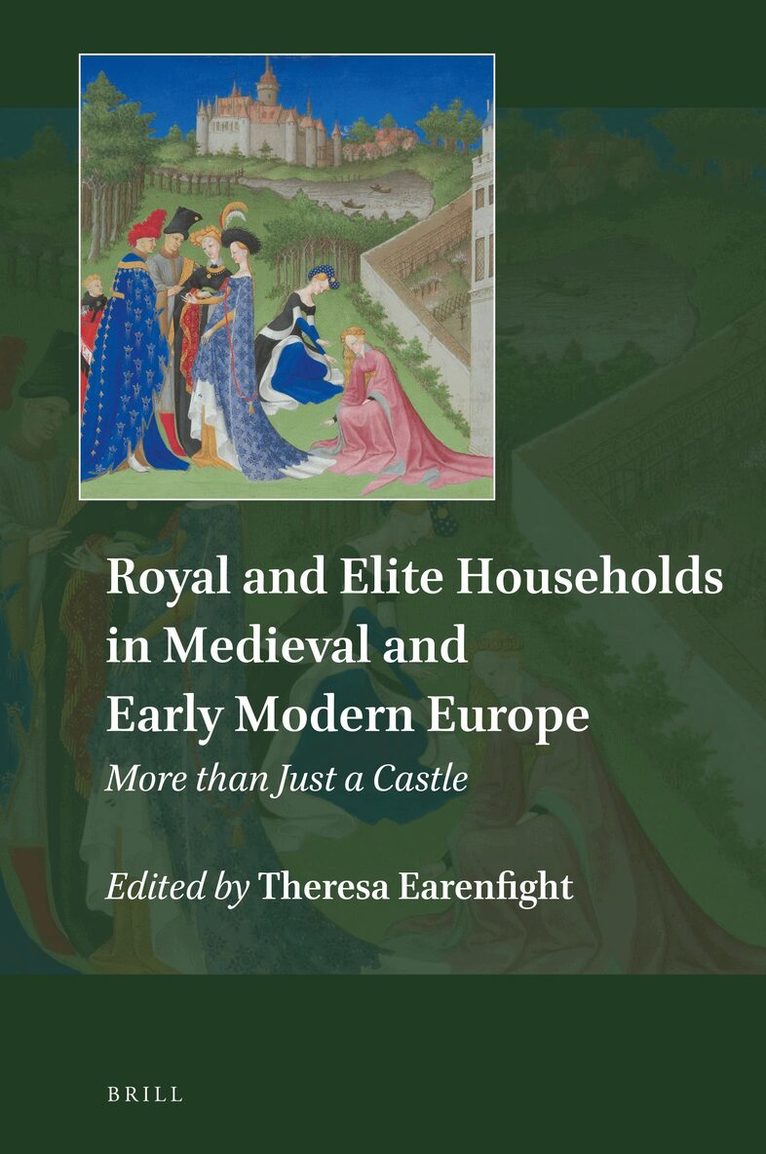
Royal and Elite Households in Medieval and Early Modern Europe
More than Just a Castle
Inbunden, Engelska, 2018
2 937 kr
Skickas inom 5-8 vardagar
In this volume, the authors bring fresh approaches to the subject of royal and noble households in medieval and early modern Europe. The essays focus on the people of the highest social rank: the nuclear and extended royal family, their household attendants, noblemen and noblewomen as courtiers, and physicians. Themes include financial and administrative management, itinerant households, the household of an imprisoned noblewoman, blended households, and cultural influence. The essays are grounded in sources such as records of court ceremonial, economic records, letters, legal records, wills, and inventories. The authors employ a variety of methods, including prosopography, economic history, visual analysis, network analysis, and gift exchange, and the collection is engaged with current political, sociological, anthropological, gender, and feminist theories.