Theresa M. Schenck – författare
Visar alla böcker från författaren Theresa M. Schenck. Handla med fri frakt och snabb leverans.
4 produkter
4 produkter
Häftad, Engelska, 2009
225 kr
Skickas inom 10-15 vardagar
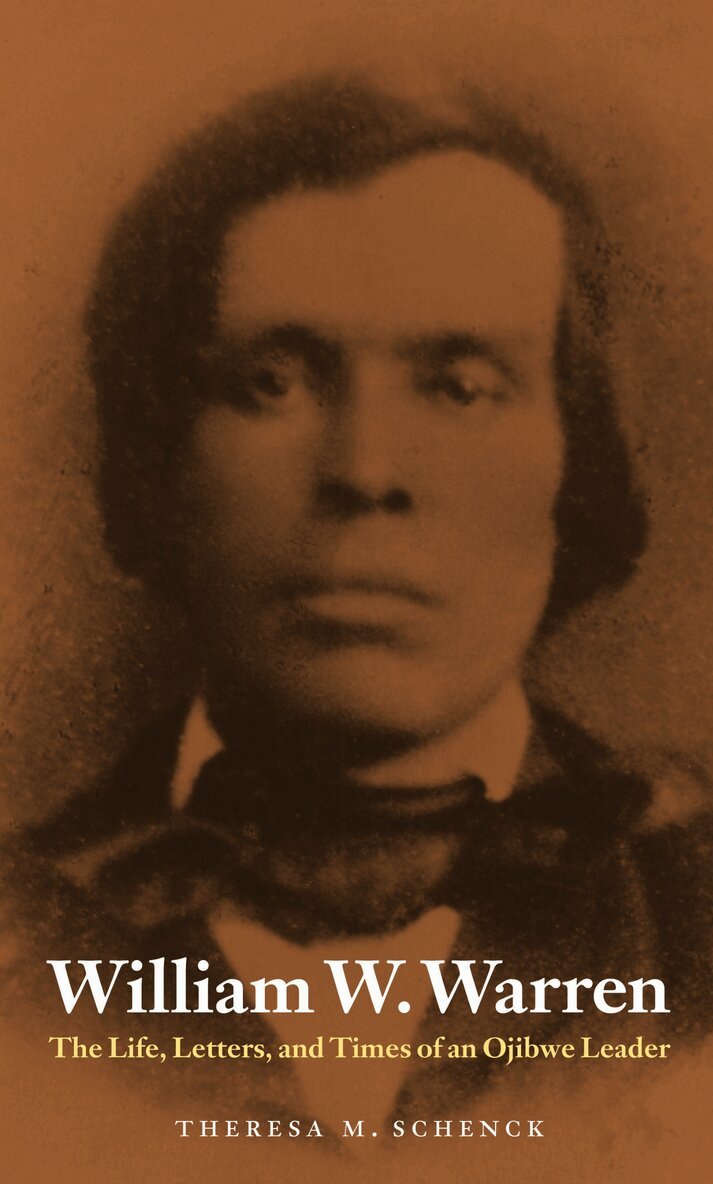
This is the first full-length biography of William W. Warren (1825–53), an Ojibwe interpreter, historian, and legislator in the Minnesota Territory. Devoted to the interests of the Ojibwe at a time of government attempts at removal, Warren lives on in his influential book History of the Ojibway, still the most widely read and cited source on the Ojibwe people. The son of a Yankee fur trader and an Ojibwe-French mother, Warren grew up in a frontier community of mixed cultures. Warren's loyalty to government Indian policies was challenged, but never his loyalty to the Ojibwe people. In his short life the issues with which he was concerned included land rights, treaties, Indian removal, mixed-blood politics, and state and federal Indian policy. Theresa M. Schenck has assembled a remarkable collection of newly discovered documents. Dozens of letters and other writings illuminate not only Warren's heart and mind but also a time of radical change in American Indian history. These documents, combined with Schenck's commentary, provide historical and contextual perspective on Warren's life, on the breadth of his activities, and on the complexity of the man himself; as such they offer a useful and long-awaited companion to Warren's History of the Ojibway.
Inbunden, Engelska, 2012
887 kr
Skickas inom 10-15 vardagar
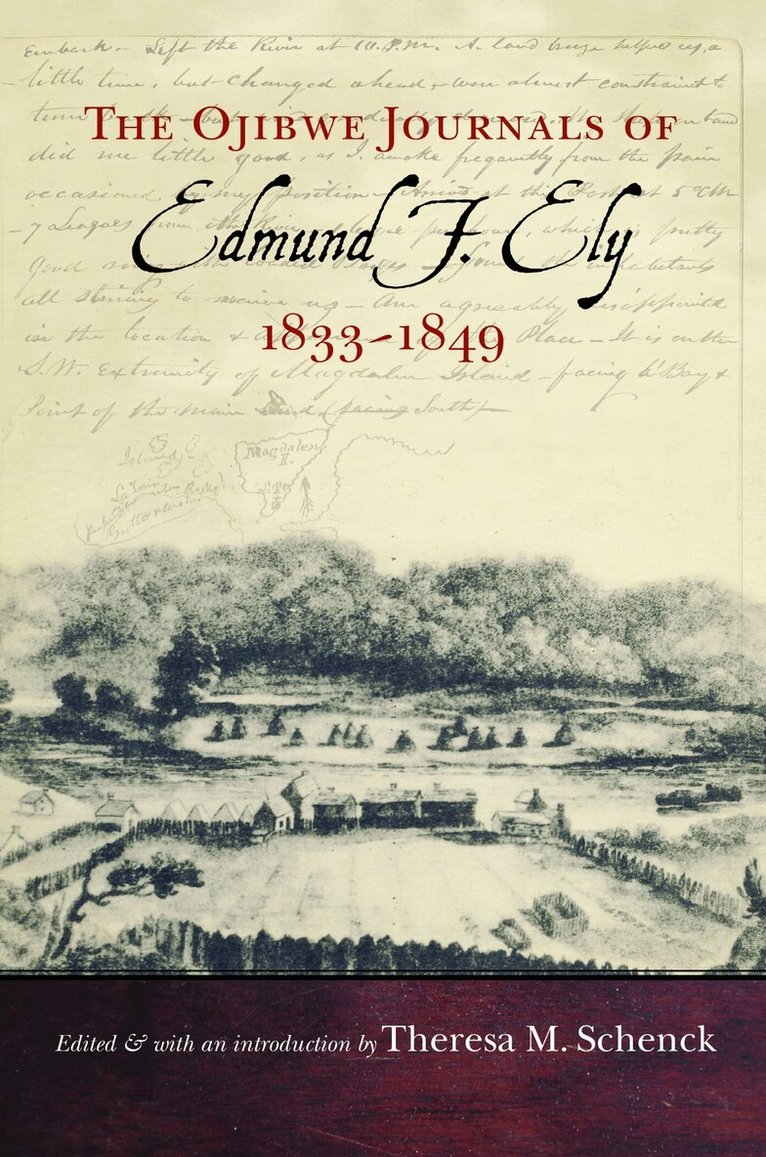
Twenty-four-year-old Edmund F. Ely, a divinity student from Albany, New York, gave up his preparation for the ministry in 1833 to become a missionary and teacher among the Ojibwe of Lake Superior. During the next sixteen years, Ely lived, taught, and preached among the Ojibwe, keeping a journal of his day-to-day experiences as well as recording ethnographic information about the Ojibwe. From recording his frustrations over the Ojibwe's rejection of Christianity to describing hunting and fishing techniques he learned from his Ojibwe neighbors, Ely's unique and rich record provides unprecedented insight into early nineteenth-century Ojibwe life and Ojibwe-missionary relations. Theresa M. Schenck draws on a broad array of secondary sources to contextualize Ely's journals for historians, anthropologists, linguists, literary scholars, and the Ojibwe themselves, highlighting the journals' relevance and importance for understanding the Ojibwe of this era.
E-bok
Engelska, 2009261 kr
Läs direkt efter köp
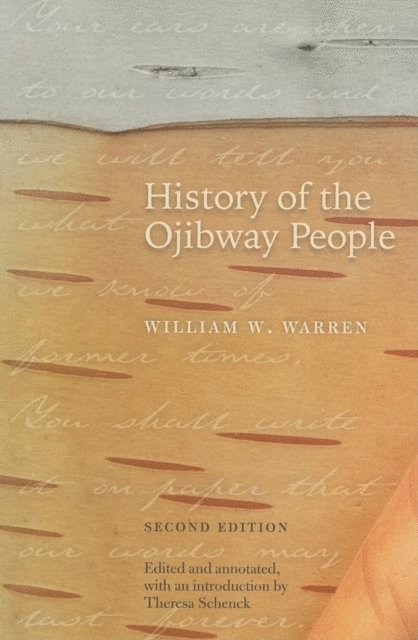
William W. Warren's History of the Ojibway People has long been recognized as a classic source on Ojibwe history and culture. Warren, the son of an Ojibwe woman, wrote his history in the hope of saving traditional stories for posterity even as he presented to the American public a sympathetic view of a people he believed were fast disappearing under the onslaught of a corrupt frontier population. He collected firsthand descriptions and stories from relatives, tribal leaders, and acquaintances and transcribed this oral history in terms that nineteenth-century whites could understand,focusing on warfare, tribal organizations, and political leaders.First published in 1885 by the Minnesota Historical Society, the book has also been criticized by Native and non-Native scholars, many of whom do not take into account Warren's perspective, goals, and limitations. Now, for the first time since its initial publication, it is made available with new annotations researched and written by professor Theresa Schenck. A new introduction by Schenck also gives a clear and concise history of the text and of the author, firmly establishing a place for William Warren in the tradition of American Indian intellectual thought.
Inbunden, Engelska, 2025
680 kr
Skickas inom 10-15 vardagar
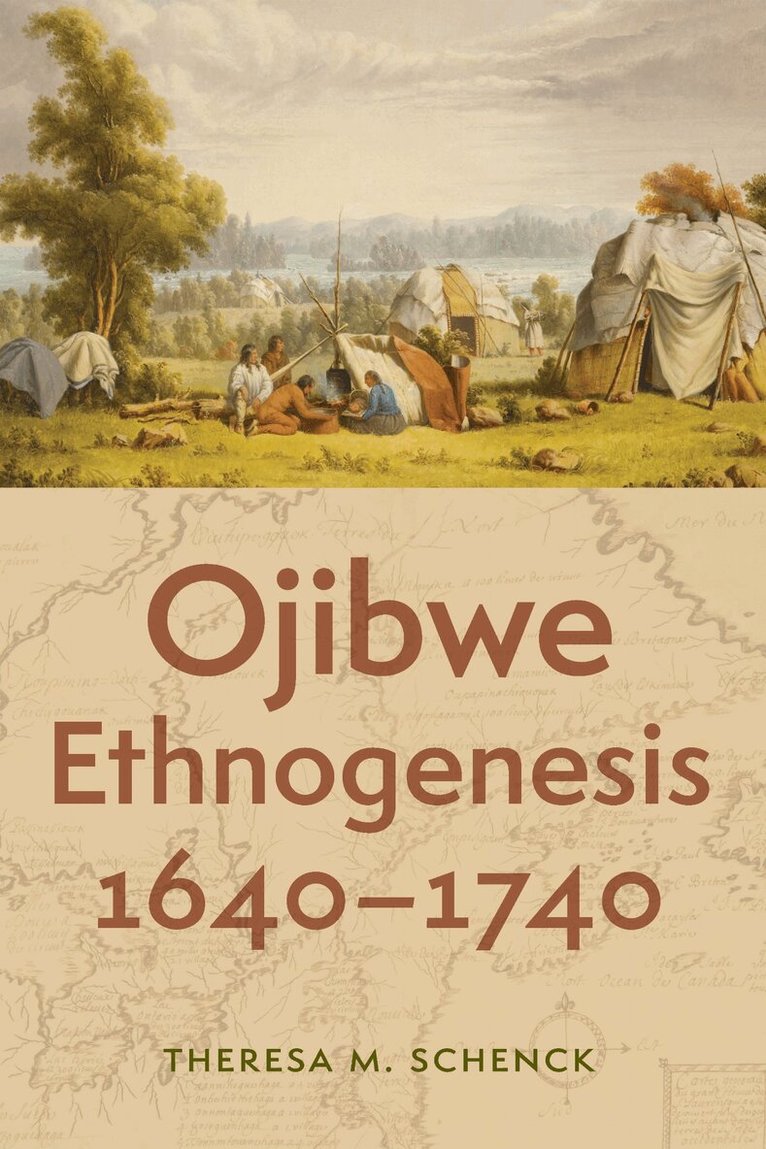
In Ojibwe Ethnogenesis, 1640–1740 Theresa M. Schenck (Ojibwe, Huron, and Blackfeet) presents the first scholarly work to untangle the origin, rise, and spread of Ojibwe identity and culture from the mid-seventeenth to mid-eighteenth centuries, as well as the emergence of Ojibwe identity in the early years of French imperial incursions into the Upper Midwest. Schenck traces the names ascribed to the Ojibwe by French officials, traders, missionaries, and settlers in the earliest European records to their presences in French America. Schenck then follows the people themselves and their complex relationships through the centuries.Schenck’s proficiency in French and her close reading of the sources, many in French, have facilitated a more accurate, traceable, and comprehensive documentary study than achieved by previous generations of scholars. Ojibwe Ethnogenesis, 1640–1740 has thus achieved our fullest understanding to date of Ojibwe roots and culture going back four hundred years.