Therese Scarpelli Cory - Böcker
Visar alla böcker från författaren Therese Scarpelli Cory. Handla med fri frakt och snabb leverans.
6 produkter
6 produkter
820 kr
Skickas
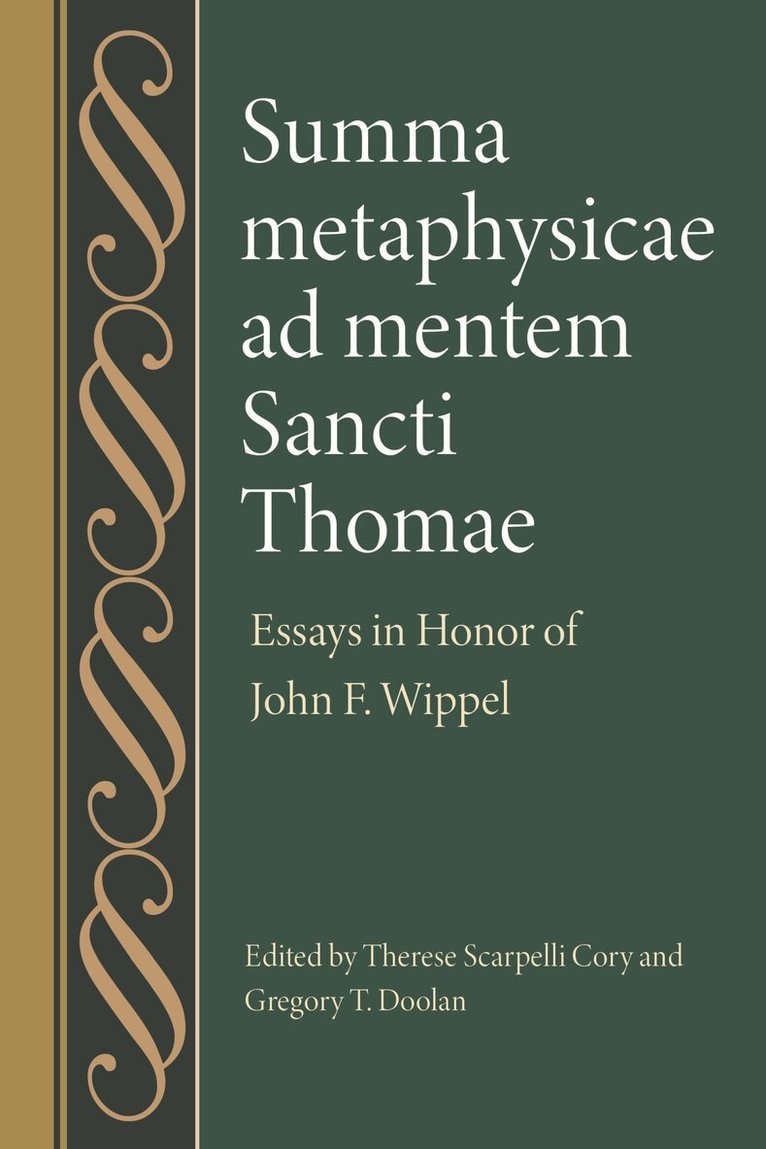
This volume is a tribute to Fr. John F. Wippel. Following the philosophical order that Aquinas might have adopted ""had he chosen to write a Summa metaphysicae""--an order that Wippel himself lays out in his Metaphysical Thought of Thomas Aquinas--these essays unfold new research on some of the most intriguing topics in Aquinas's metaphysics, from the most recent generation of scholars formed by Wippel's pioneering work.The contributors address the discovery of being qua being via separation (Gregory T. Doolan), propter quid metaphysical demonstrations (Philip Neri Reese), the origins of the controversies about the real distinction between essence and esse (Mark Gossiaux), a defense of essence-realism as a key to the real distinction (David Twetten), the relationship of likeness and agency (Therese Scarpelli Cory), created form as act and potency (Stephen Brock), the variation of accidental forms (Gloria Frost), the possibility of angelic judgment (Francis Feingold), argumentation for the existence of God (Gaven Kerr), the propriety of "" Qui Est"" as a Divine Name (Brian Carl), 'Beauty' as a Divine Name (Michael Rubin), and God's application of creaturely powers to action (Jason Mitchell).
929 kr
Kommande
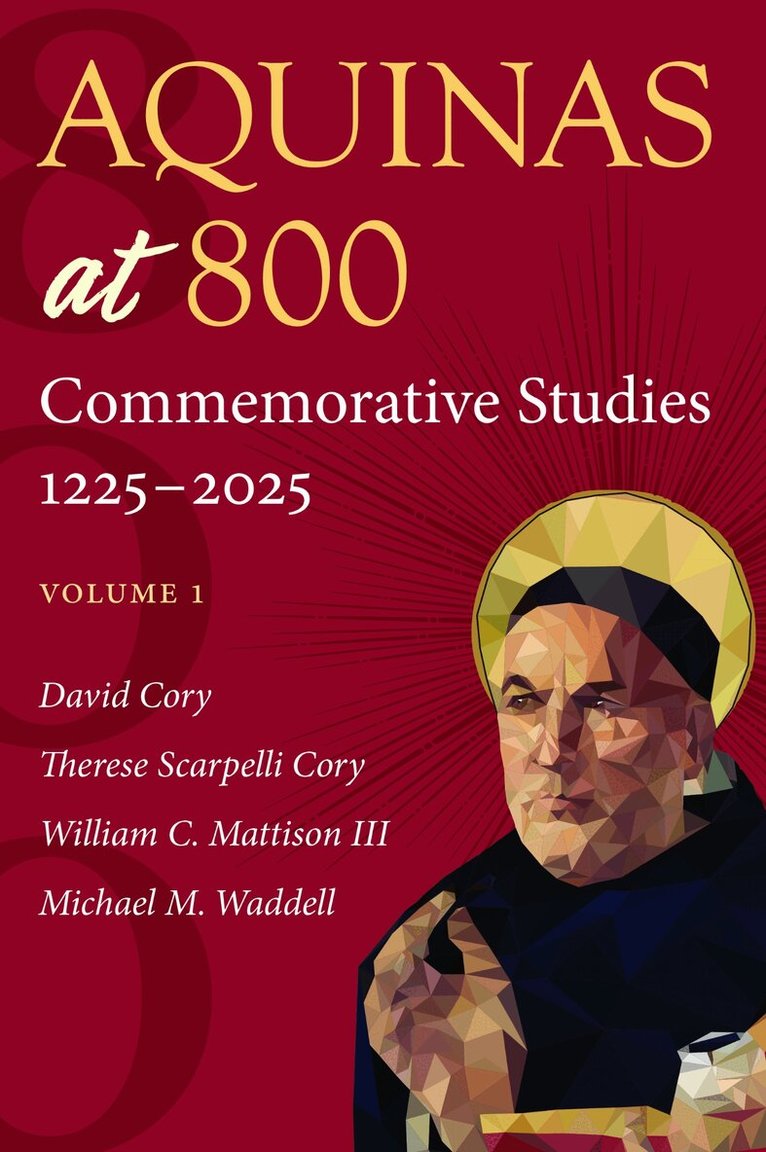
These volumes gather together the latest research from 40 of the world's most eminent Thomistic theologians and philosophers, in commemoration of the 800th anniversary of Thomas Aquinas's birth. To mark this anniversary, these scholars are each prepared a chapter that is an original research study shared at a major international conference in Sept 2024. The volumes cover a wide range of both philosophical and theological topics, reflecting the breadth of Aquinas's own thought, and will be organized by subject matter. Together, these volumes will provide a compendium of outstanding research on the wide spectrum of Aquinas's thought, which we hope will have enduring value for the field, offering an opportunity to revisit the ongoing importance of the work of Thomas Aquinas today.
929 kr
Kommande
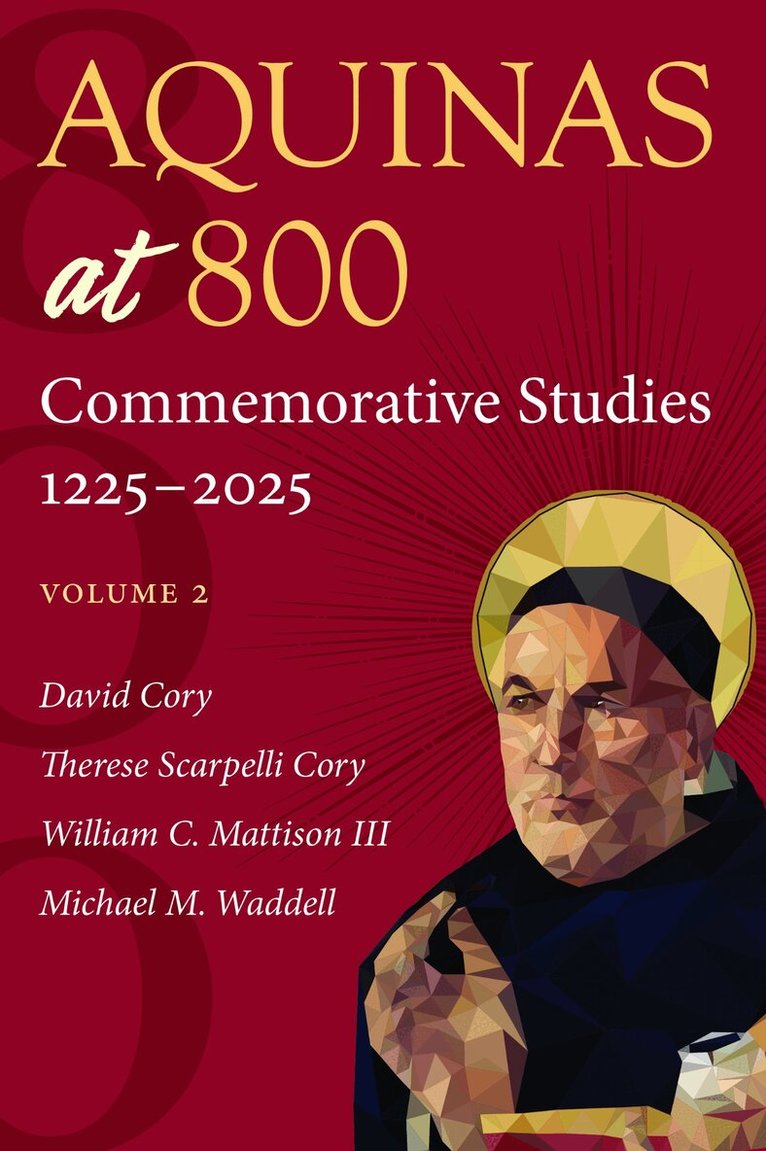
These volumes gather together the latest research from 40 of the world's most eminent Thomistic theologians and philosophers, in commemoration of the 800th anniversary of Thomas Aquinas's birth. To mark this anniversary, these scholars are each prepared a chapter that is an original research study shared at a major international conference in Sept 2024. The volumes cover a wide range of both philosophical and theological topics, reflecting the breadth of Aquinas's own thought, and will be organized by subject matter. Together, these volumes will provide a compendium of outstanding research on the wide spectrum of Aquinas's thought, which we hope will have enduring value for the field, offering an opportunity to revisit the ongoing importance of the work of Thomas Aquinas today.
1 245 kr
Skickas inom 7-10 vardagar
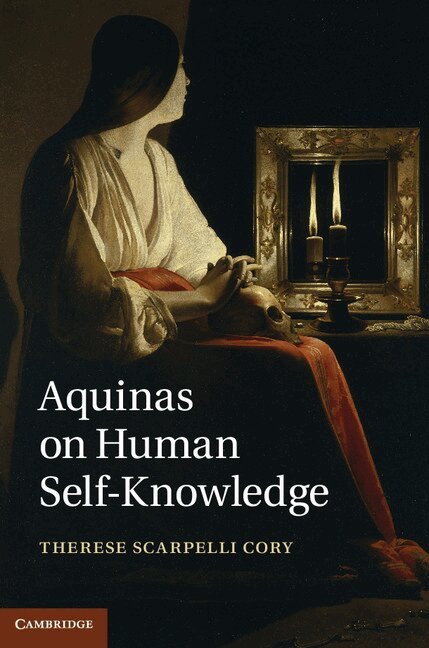
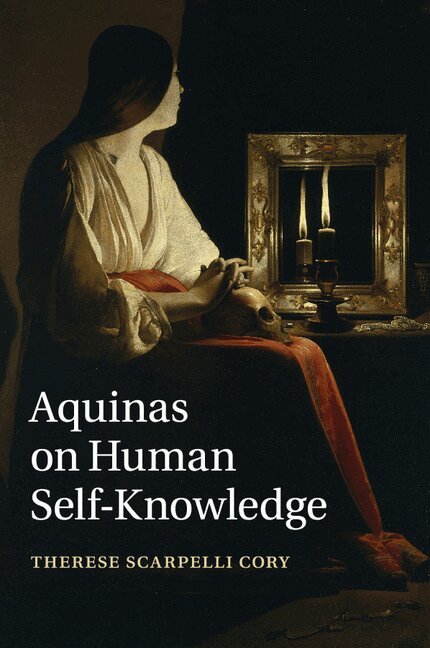
Self-knowledge is commonly thought to have become a topic of serious philosophical inquiry during the early modern period. Already in the thirteenth century, however, the medieval thinker Thomas Aquinas developed a sophisticated theory of self-knowledge, which Therese Scarpelli Cory presents as a project of reconciling the conflicting phenomena of self-opacity and privileged self-access. Situating Aquinas's theory within the mid-thirteenth-century debate and his own maturing thought on human nature, Cory investigates the kinds of self-knowledge that Aquinas describes and the questions they raise. She shows that to a degree remarkable in a medieval thinker, self-knowledge turns out to be central to Aquinas's account of cognition and personhood, and that his theory provides tools for considering intentionality, reflexivity and selfhood. Her engaging account of this neglected aspect of medieval philosophy will interest readers studying Aquinas and the history of medieval philosophy more generally.
363 kr
Skickas inom 7-10 vardagar
Self-knowledge is commonly thought to have become a topic of serious philosophical inquiry during the early modern period. Already in the thirteenth century, however, the medieval thinker Thomas Aquinas developed a sophisticated theory of self-knowledge, which Therese Scarpelli Cory presents as a project of reconciling the conflicting phenomena of self-opacity and privileged self-access. Situating Aquinas's theory within the mid-thirteenth-century debate and his own maturing thought on human nature, Cory investigates the kinds of self-knowledge that Aquinas describes and the questions they raise. She shows that to a degree remarkable in a medieval thinker, self-knowledge turns out to be central to Aquinas's account of cognition and personhood, and that his theory provides tools for considering intentionality, reflexivity and selfhood. Her engaging account of this neglected aspect of medieval philosophy will interest readers studying Aquinas and the history of medieval philosophy more generally.
1 791 kr
Kommande
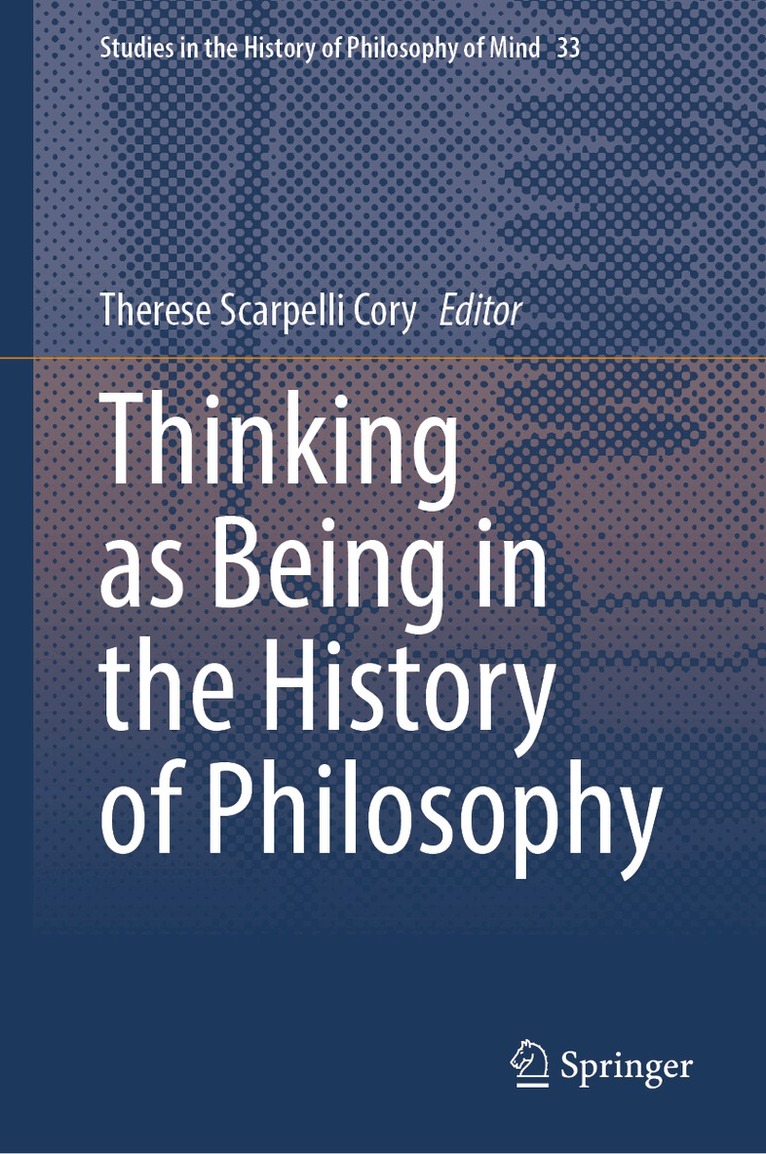
This volume is the first to assemble a wide-ranging body of research on the history of a certain pattern of theorizing about cognizing as a kind of being, or even being itself. As such, it addresses a notable silence in contemporary scholarship about the mind, and even about the history of philosophy of mind, which stands in contrast with its appearances throughout the historical tradition of philosophy. This book therefore enhances with historical richness the growing interest in related concepts such as idealism and pansychism. The original research presented in the book advances our understanding of the philosophical richness of various concepts of “cognizing as being” and draws on both Western and non-Western philosophical traditions. In doing so the books fosters a dialogue among these interconnected philosophical traditions that includes Indian philosophy, Aristotelian and Neoplatonic traditions, medieval Latin and Islamic traditions, Renaissance and early modern Platonism, varieties of early modern panpsychism or pannoeticism, German idealism, and early phenomenology. By bringing these together these collected works provide an illustrative model that will help scholars “see” a long-overlooked insight about mind across various historical traditions, and spark new ideas about how this approach might manifest in unexpected places. This volume is of interest to scholars working in the history of philosophy, the philosophy of mind and ancient philosophy.