Inbunden, Engelska, 2023
367 kr
Skickas inom 5-8 vardagar
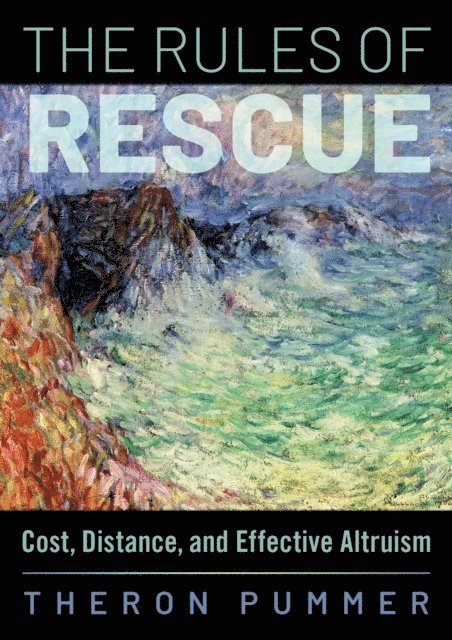
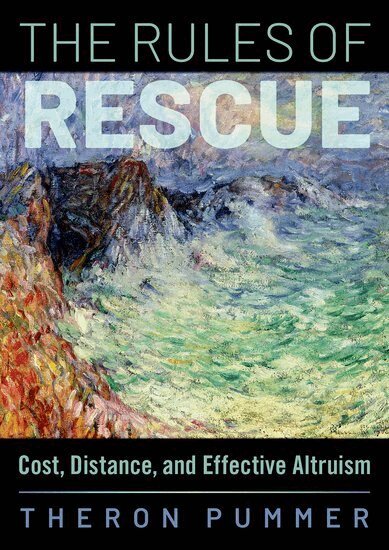
This is an open access title available under the terms of a CC BY-NC-ND 4.0 International licence. It is free to read at Oxford Scholarship Online and offered as a free PDF download from OUP and selected open access locations.When do you have to sacrifice life and limb, time and money, to prevent harm to others? When must you save more people rather than fewer? These questions might arise in emergencies involving strangers drowning or trapped in burning buildings, but they also arise in our everyday lives, in which we confront opportunities to donate time or money to help distant strangers in need of food, shelter, or medical care. With the resources available, we can provide more help--or less.In The Rules of Rescue, Theron Pummer argues that we are often morally required to engage in effective altruism, directing altruistic efforts in ways that help the most. Even when the personal sacrifice involved makes it morally permissible not to help at all, he contends, it often remains wrong to provide less help rather than more. Using carefully crafted examples, he defends the view that helping distant strangers is more morally akin to rescuing nearby strangers than most of us realize. The ubiquity of opportunities to help distant strangers threatens to make morality extremely demanding, and Pummer argues that it is only thanks to adequate permissions grounded in considerations of cost and autonomy that we may pursue our own plans and projects. He ultimately concludes that many of us are required to provide no less help over our lives than we would have done if we were effective altruists.