Thomas A. Lyson - Böcker
Visar alla böcker från författaren Thomas A. Lyson. Handla med fri frakt och snabb leverans.
8 produkter
8 produkter
137 kr
Tillfälligt slut
99 kr
Tillfälligt slut
2 088 kr
Skickas inom 10-15 vardagar
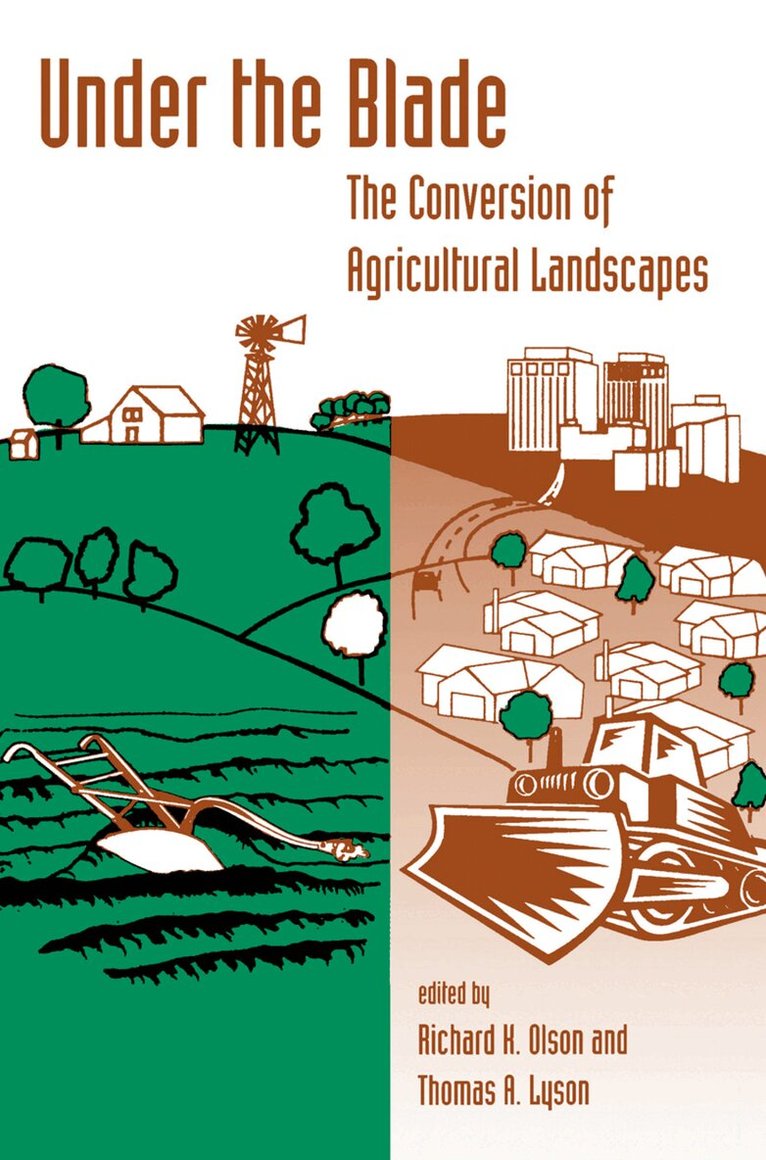
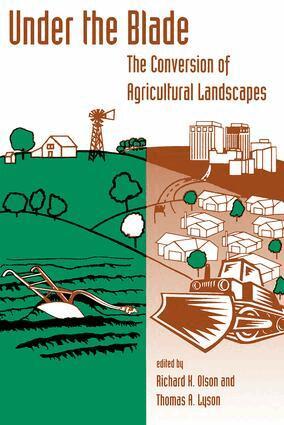
In 1998, the last farm in Des Plaines, Illinois was subdivided. Seven acres along the Niobrara River in north-central Nebraska sold for 5700 per acre, twenty times the price for agricultural use. Waukesha County, Wisconsin, although still largely in agriculture, has been almost entirely zoned for small lot subdivisions. Nationwide, the cumulative effect of thousands of individual land use decisions is an orgiastic devouring of the countryside that consumes at least 1.4 million acres of rural land each year, and fragments a much larger area. The effects on landscape functions include loss of agricultural production, water pollution, increases in local runoff and flooding, loss of habitat and biodiversity, and the loss of natural beauty. In exchange we get malls, retail strips, and an ugly sprawl that degrades people and community. How have we come to this, and more importantly, how might we find a better, sustainable approach to the use of land? Land use decisions are the result of complex interactions among law, economics, landscape characteristics, population growth, social and political forces, ethics, and aesthetics. Under the Blade: The Conversion of Agricultural Landscapes examines the loss of farmland and other rural lands from each of these perspectives, and shows how interactions among different factors greatly complicate sustainable land management. Included throughout the seven main chapters of the book are descriptions of some of the tools and strategies that can be used to preserve farmland and guide development. The application of these tools is illustrated by 22 case studies of towns and regions throughout the United States, each with a somewhat different challenge, response, and degree of success (or failure).Dietrich Bonhoeffer, a Protestant theologian hanged by the Nazis in 1945, stated that ?the ultimate test of a moral society is the kind of world that it leaves to its children.? Our current choices in the use of the land are among the most important factors shaping that future world, and Under the Blade demonstrates that the quality of that future is far from certain.
314 kr
Skickas inom 10-15 vardagar
314 kr
Skickas inom 10-15 vardagar
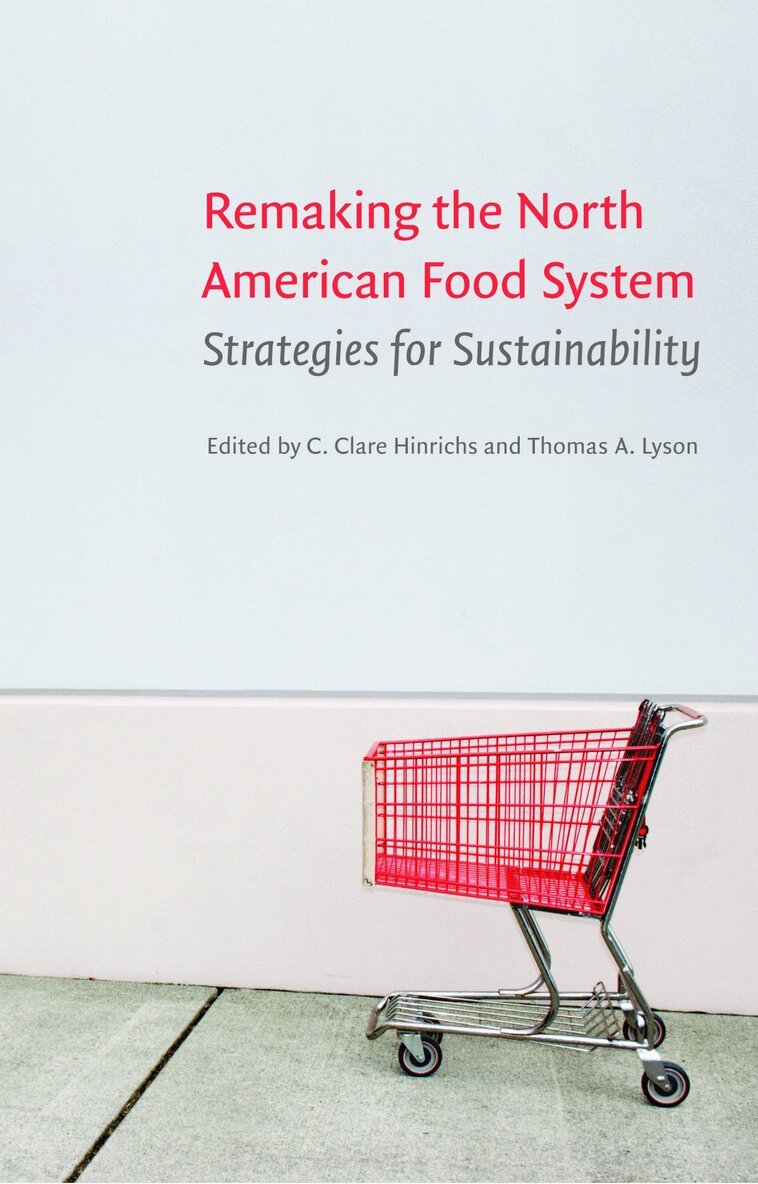
Food and agriculture are in the news daily. Stories in the media highlight issues of abundance, deprivation, pleasure, risk, health, community, and identity. Remaking the North American Food System examines the resurgence of interest in rebuilding the links between agricultural production and food consumption as a way to overcome some of the negative implications of industrial and globalizing trends in the food and agricultural system. Written by a diverse group of scholars and practitioners, the chapters in this volume describe the many efforts throughout North America to craft and sustain alternative food systems that can improve social, economic, environmental, and health outcomes. With examples from Puerto Rico to Oregon to Quebec, this volume offers a broad North American perspective attuned to trends toward globalization at the level of markets and governance and shows how globalization affects the specific localities. The contributors make the case that food can no longer be taken for granted or viewed in isolation. Rather, food should be considered in its connection to community vitality, cultural survival, economic development, social justice, environmental quality, ecological integrity, and human health.
807 kr
Skickas inom 10-15 vardagar
In 1998, the last farm in Des Plaines, Illinois was subdivided. Seven acres along the Niobrara River in north-central Nebraska sold for 5700 per acre, twenty times the price for agricultural use. Waukesha County, Wisconsin, although still largely in agriculture, has been almost entirely zoned for small lot subdivisions. Nationwide, the cumulative effect of thousands of individual land use decisions is an orgiastic devouring of the countryside that consumes at least 1.4 million acres of rural land each year, and fragments a much larger area. The effects on landscape functions include loss of agricultural production, water pollution, increases in local runoff and flooding, loss of habitat and biodiversity, and the loss of natural beauty. In exchange we get malls, retail strips, and an ugly sprawl that degrades people and community. How have we come to this, and more importantly, how might we find a better, sustainable approach to the use of land? Land use decisions are the result of complex interactions among law, economics, landscape characteristics, population growth, social and political forces, ethics, and aesthetics. Under the Blade: The Conversion of Agricultural Landscapes examines the loss of farmland and other rural lands from each of these perspectives, and shows how interactions among different factors greatly complicate sustainable land management. Included throughout the seven main chapters of the book are descriptions of some of the tools and strategies that can be used to preserve farmland and guide development. The application of these tools is illustrated by 22 case studies of towns and regions throughout the United States, each with a somewhat different challenge, response, and degree of success (or failure).Dietrich Bonhoeffer, a Protestant theologian hanged by the Nazis in 1945, stated that ?the ultimate test of a moral society is the kind of world that it leaves to its children.? Our current choices in the use of the land are among the most important factors shaping that future world, and Under the Blade demonstrates that the quality of that future is far from certain.
High Tech, Low Tech, No Tech
Recent Industrial and Occupational Change in the South
Häftad, Engelska, 1988
387 kr
Tillfälligt slut
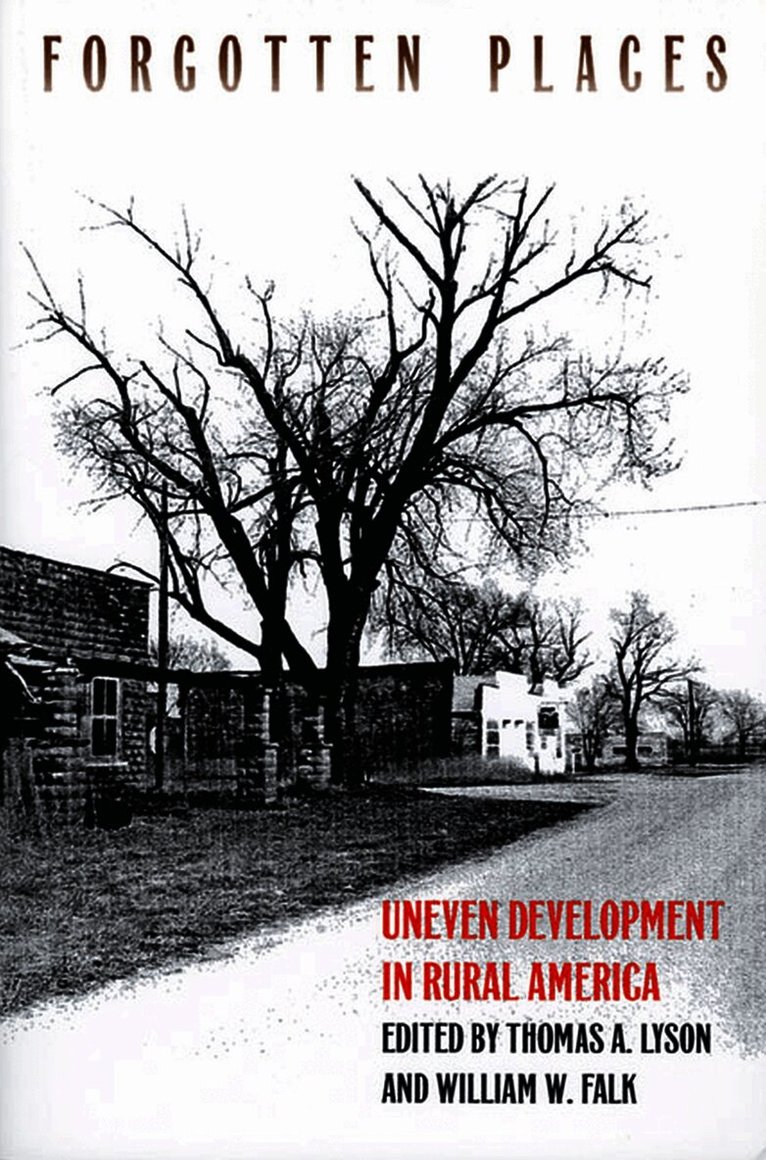
Fifty years ago the quality of life in the 13 states of the Old South was judged to be among the lowest in the country. A lack of industrial development and the pervasiveness of a sharecropping system of agricultural production combined to keep the South mired in the backwaters of the American economy. Over the past five decades, however, the South has moved to the forefront as an area of economic growth. The authors show that significant improvements have taken place almost entirely in and around the major cities. Rural areas-especially those with a high percentage of blacks -remain saddled with an economic base dominated almost entirely by slow growing, stagnating, and declining industries.The uneven development of the region is the result of a set of industrial policies in which communities attempt to lure prospective employers with lucrative business incentive packages. Guarantees of cheap, unorganized labor, tax holidays and giveaways of land and buildings are some of the 'chips' community leaders use in this high stakes game. Rural communities are often caught in bidding wars among themselves in which they are forced to offer even more lucrative incentives and in the process reallocate resources away from needed human services. Consequently, Falk and Lyson target the need for a national industrial policy that will bring some order to the industrial recruitment process.
Del 6 - Research in Rural Sociology and Development
Sustaining Agriculture and Rural Communities
Inbunden, Engelska, 1995
1 478 kr
Skickas inom 5-8 vardagar
This sixth volume in the series covers a variety of topics in research in rural sociology and development.