Thomas D. Beamish – författare
Visar alla böcker från författaren Thomas D. Beamish. Handla med fri frakt och snabb leverans.
6 produkter
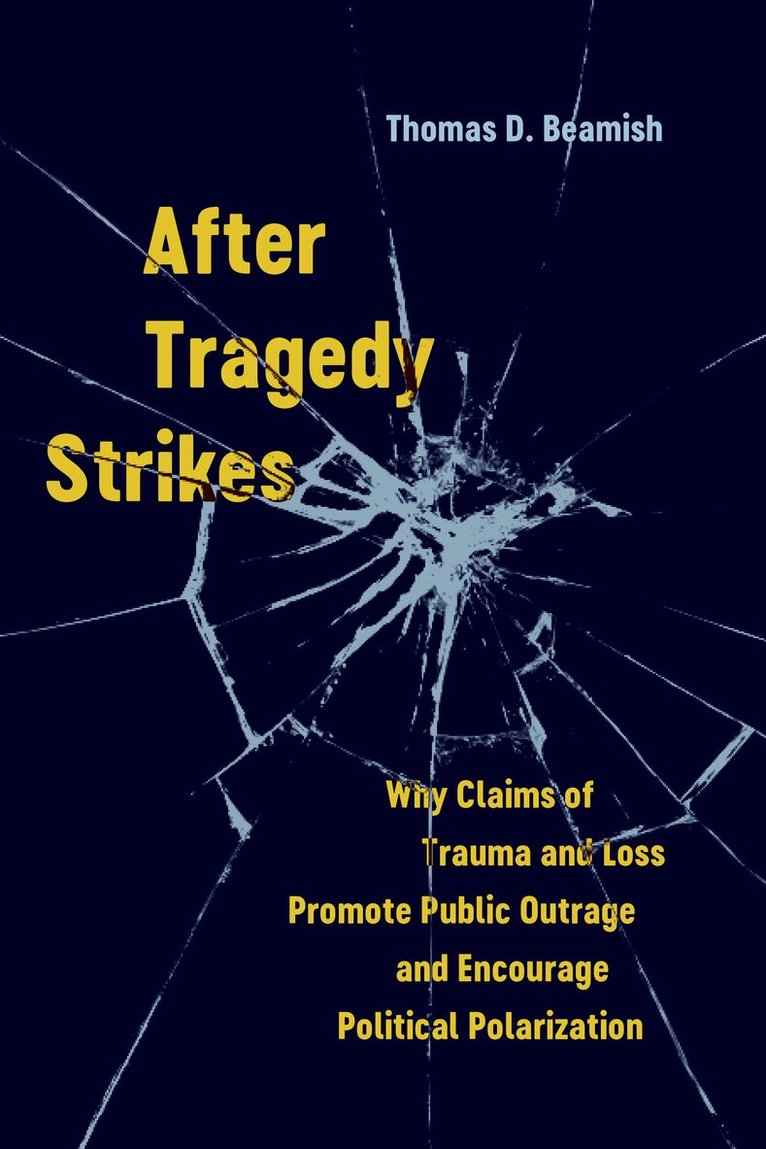
After Tragedy Strikes
Why Claims of Trauma and Loss Promote Public Outrage and Encourage Political Polarization
Inbunden, 2024
737 kr
Lägg i varukorg
While trauma and loss can occur anywhere, most suffering is experienced as personal tragedy. Yet some tragedies transcend everyday life's sad but inevitable traumas to become notorious public events: de facto "public" tragedies. In these crises, suffering is made publicly visible and lamentable. …
After Tragedy Strikes
Why Claims of Trauma and Loss Promote Public Outrage and Encourage Political Polarization
Häftad, 2024
264 kr
Lägg i varukorg
While trauma and loss can occur anywhere, most suffering is experienced as personal tragedy. Yet some tragedies transcend everyday life's sad but inevitable traumas to become notorious public events: de facto "public" tragedies. In these crises, suffering is made publicly visible and lamentable. …
After Tragedy Strikes
Why Claims of Trauma and Loss Promote Public Outrage and Encourage Political Polarization
E-bok, 2024
433 kr
Lägg i varukorg
While trauma and loss can occur anywhere, most suffering is experienced as personal tragedy. Yet some tragedies transcend everyday life's sad but inevitable traumas to become notorious public events: de facto "public" tragedies. In these crises, suffering is made publicly visible and lamentable. …
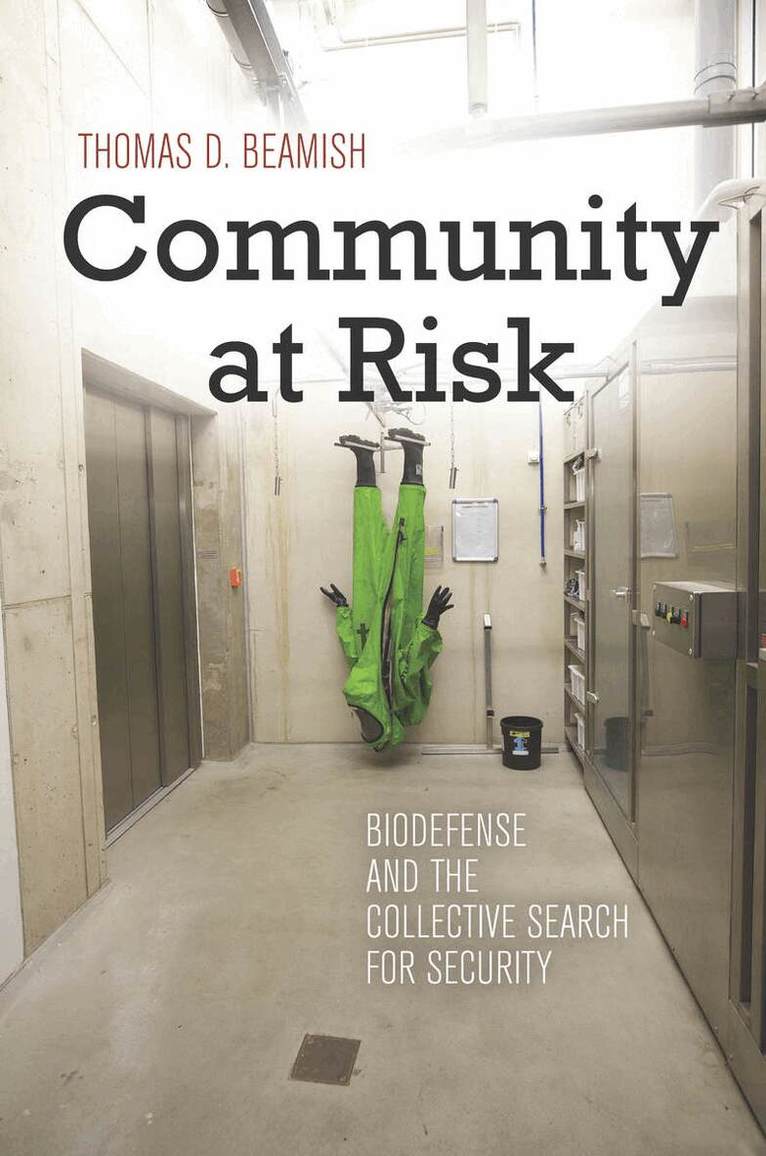
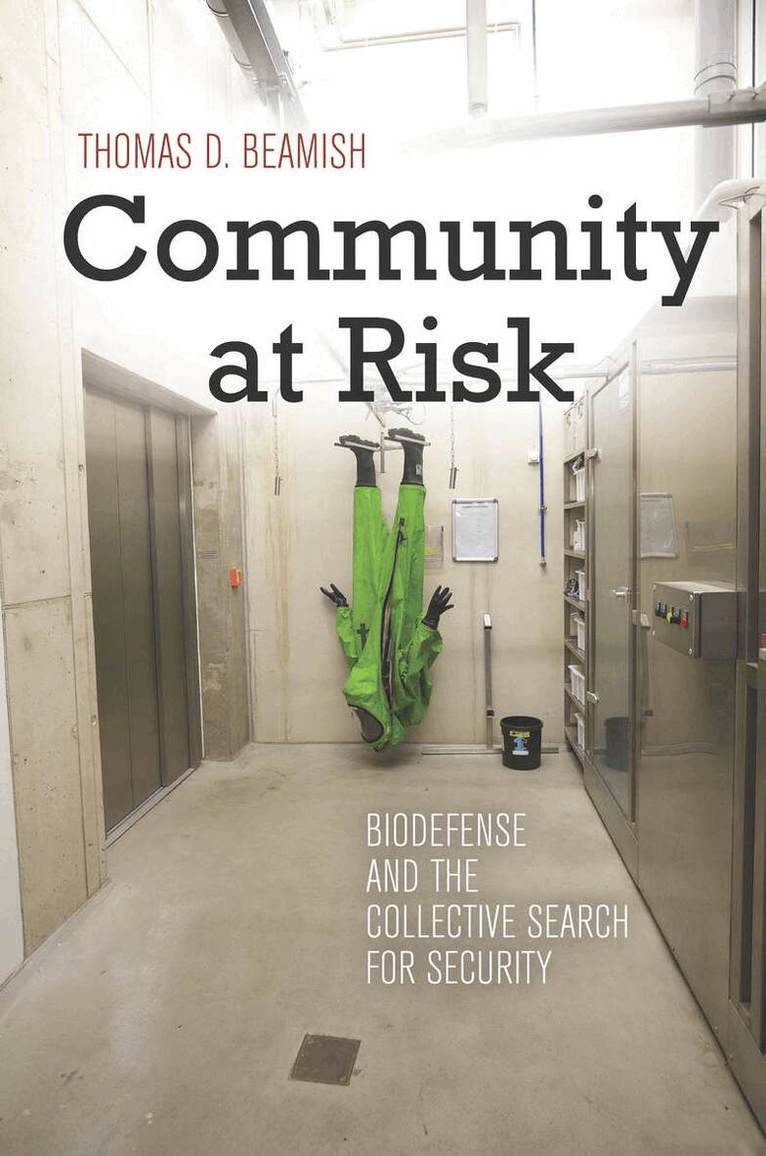
Community at Risk
Biodefense and the Collective Search for Security
Inbunden, 2015
959 kr
Lägg i varukorg
In 2001, following the events of September 11 and the Anthrax attacks, the United States government began an aggressive campaign to secure the nation against biological catastrophe. Its agenda included building National Biocontainment Laboratories (NBLs), secure facilities intended for research on …
Community at Risk
Biodefense and the Collective Search for Security
E-bok, 2015
1108 kr
Lägg i varukorg
In 2001, following the events of September 11 and the Anthrax attacks, the United States government began an aggressive campaign to secure the nation against biological catastrophe. Its agenda included building National Biocontainment Laboratories (NBLs), secure facilities intended for research on …