Thomas D. Rogers – författare
Visar alla böcker från författaren Thomas D. Rogers. Handla med fri frakt och snabb leverans.
6 produkter
6 produkter
381 kr
Skickas inom 10-15 vardagar
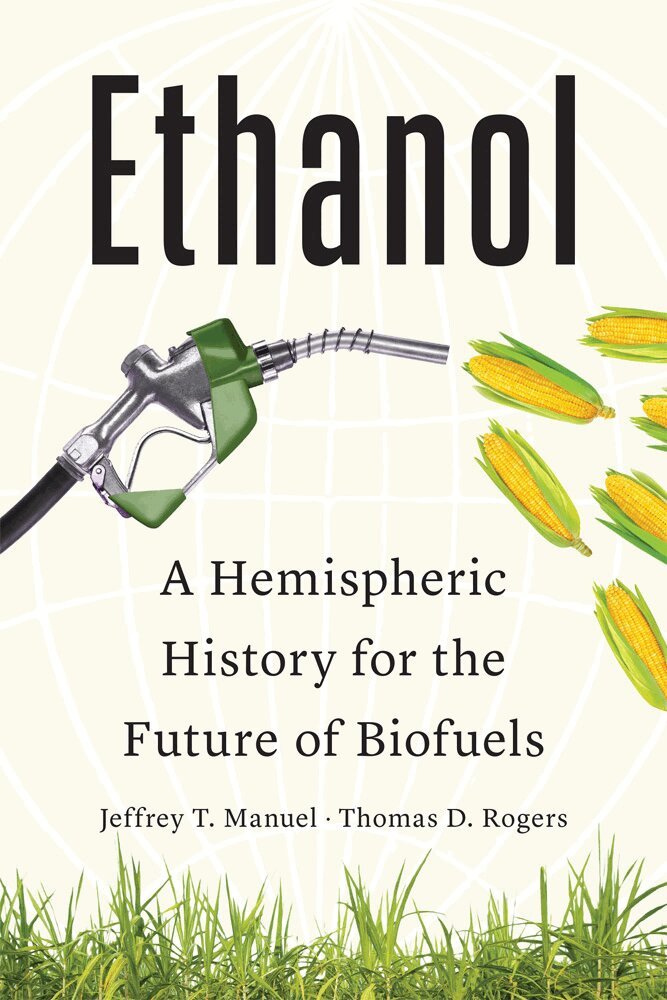
Though ethanol, a liquid fuel made from agricultural byproducts, has generated controversy in recent years - good or bad for the environment? a big-ag boon or boondoggle? - its use goes back more than a century. Tracing the little-known history of this promising and contentious fuel, Ethanol: A Hemispheric History for the Future of Biofuels reveals the transnational nature of ethanol's development by its two biggest producers, the U.S. and Brazil. By drawing the connections between the shifting fortunes of ethanol in these two countries, the book presents the first full picture of the long history of this renewable fuel that from the beginning offered an imperfect alternative to oil. Though generally presented as parallel stories, the histories of ethanol in the U.S. and Brazil are inextricably linked. Authors Jeffrey T. Manuel and Thomas D. Rogers show how policies in one country shaped those in the other. Brazil patterned its mid-century development on the U.S. model, adopting an automobile- and highway-focused transportation system and a fossil fuel-intensive agricultural sector. U.S. policymakers in turn took note when Brazil responded to the 1970s oil shocks by distributing ethanol nationwide, replacing half of its gasoline consumption. In the 2000s, the nations' leaders worked together to dramatically expand ethanol production. Today, as a new generation of biofuels meant to power aviation and fight climate change again connects Brazilian and U.S. ethanol, Manuel and Rogers explain how the fuel's future, like its history, is complicated by technical, scientific, economic, and social questions - about how to calculate carbon emissions, agricultural land use, national security and sovereignty, and the balance between government regulation and market forces. Understanding the future of biofuels demands a reckoning with this extensive, shared history - a reckoning that Manuel and Rogers's far-reaching, deeply researched book brings into view.
462 kr
Skickas inom 10-15 vardagar
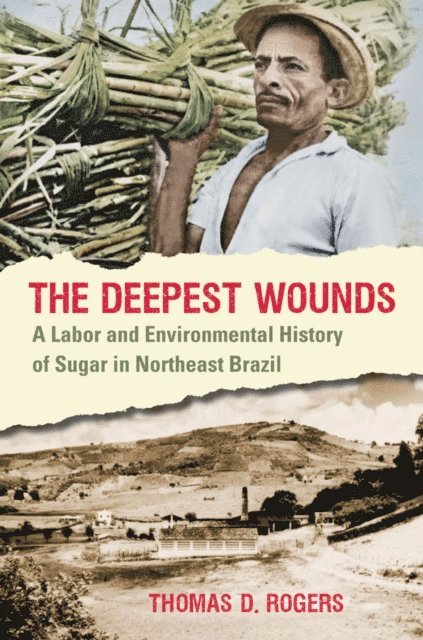
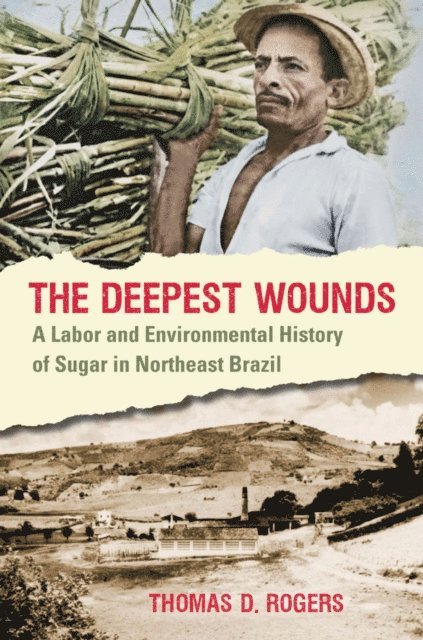
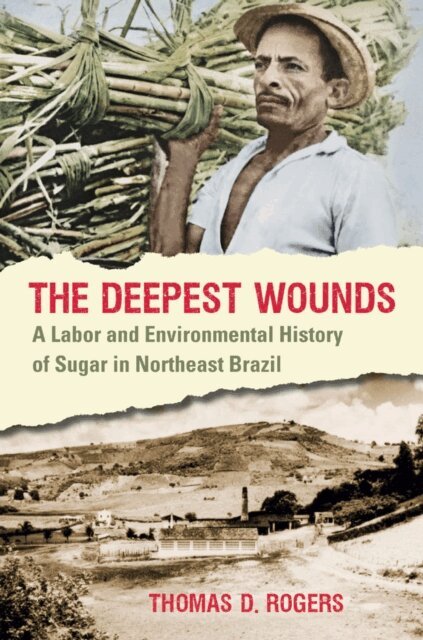
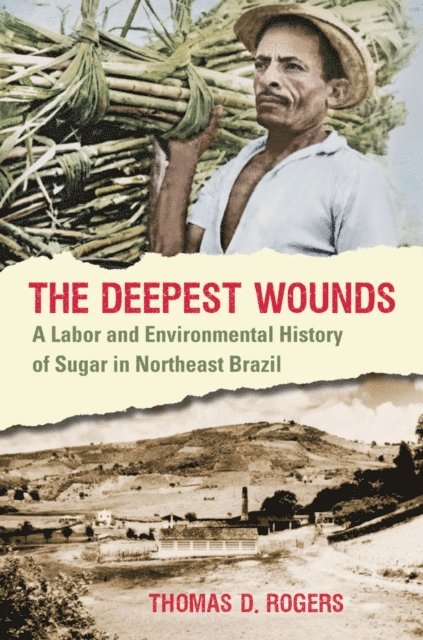
In The Deepest Wounds , Thomas D. Rogers traces social and environmental changes over four centuries in Pernambuco, Brazil's key northeastern sugar-growing state. Focusing particularly on the period from the end of slavery in 1888 to the late twentieth century, when human impact on the environment reached critical new levels, Rogers confronts the day-to-day world of farming--the complex, fraught, and occasionally poetic business of making sugarcane grow. Renowned Brazilian sociologist Gilberto Freyre, whose home state was Pernambuco, observed, ""Monoculture, slavery, and latifundia--but principally monoculture--they opened here, in the life, the landscape, and the character of our people, the deepest wounds."" Inspired by Freyre's insight, Rogers tells the story of Pernambuco's wounds, describing the connections among changing agricultural technologies, landscapes and human perceptions of them, labor practices, and agricultural and economic policy. This web of interrelated factors, Rogers argues, both shaped economic progress and left extensive environmental and human damage. Combining a study of workers with analysis of their landscape, Rogers offers new interpretations of crucial moments of labor struggle, casts new light on the role of the state in agricultural change, and illuminates a legacy that influences Brazil's development even today. |Rogers traces social and environmental changes over four centuries in Pernambuco, Brazil's key northeastern sugar-growing state. Focusing particularly on the period from the end of slavery in 1888 to the late twentieth century, when human impact on the environment reached critical new levels, Rogers confronts the day-to-day world of farming--the complex, fraught, and occasionally poetic business of making sugarcane grow. Combining a study of workers with analysis of their landscape, Rogers offers new interpretations of crucial moments of labor struggle, casts new light on the role of the state in agricultural change, and illuminates a legacy that influences Brazil's development even today.
Catholic Doctrine of the Church of England
an Exposition of the Thirty-nine Articles
Häftad, Engelska, 2021
299 kr
Skickas inom 5-8 vardagar
1 095 kr
Skickas inom 10-15 vardagar
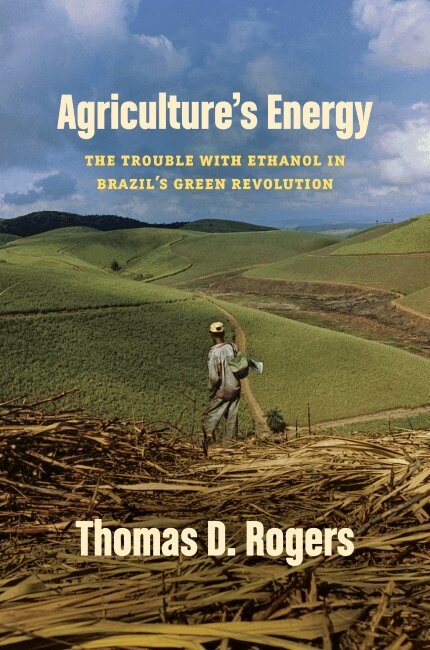
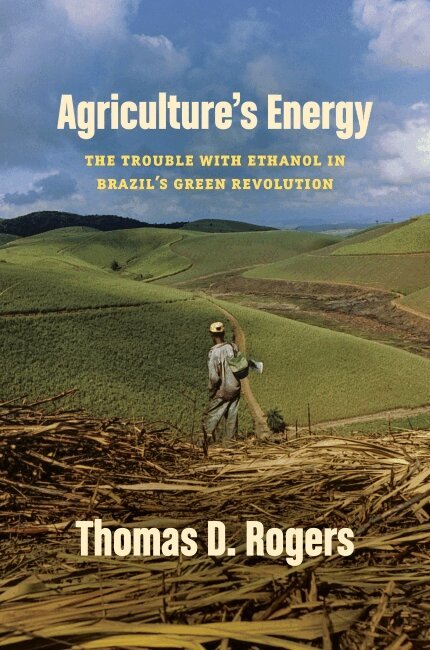
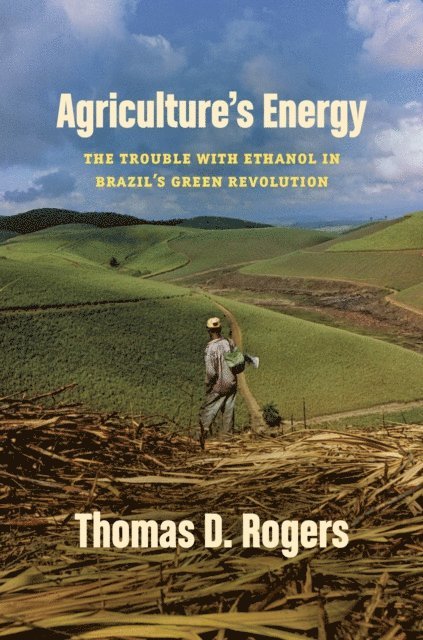
Thomas D. Rogers's history of a modernizing Brazil tracks what happened when a key government program—created in the 1970s by the nation's military regime—aspired to harness energy produced by sugarcane agriculture to power the country's economy. The National Alcohol Program, known as Proalcool, was a deliberate economic strategy designed to incentivize ethanol production and reduce gasoline consumption. As Brazil's capacity grew and as international oil shocks continued, the regime's planners doubled down on Proalcool. Drawing financing from international lenders and curiosity from other oil-dependent countries, for a time it was the world's largest oil-substitution and renewable-energy program.Chronicling how Proalcool experimented with and exemplified the consolidation of government, agribusiness, large planters, agricultural and chemical research companies, and oil producers, this book expands into a rich investigation of the arc of Brazil's Green Revolution. The ethanol boom epitomized the vector of that arc, but Rogers keeps in view the wider development imperatives. He dramatizes the choices and trade-offs that ultimately resulted in a losing energy strategy, for Proalcool ended up creating a large contingent of impoverished workers, serious environmental degradation, and persistent hunger. The full consequences of the Green Revolution–fueled consolidation are still taking a toll today.
351 kr
Skickas inom 10-15 vardagar
Thomas D. Rogers's history of a modernizing Brazil tracks what happened when a key government program—created in the 1970s by the nation's military regime—aspired to harness energy produced by sugarcane agriculture to power the country's economy. The National Alcohol Program, known as Proalcool, was a deliberate economic strategy designed to incentivize ethanol production and reduce gasoline consumption. As Brazil's capacity grew and as international oil shocks continued, the regime's planners doubled down on Proalcool. Drawing financing from international lenders and curiosity from other oil-dependent countries, for a time it was the world's largest oil-substitution and renewable-energy program.Chronicling how Proalcool experimented with and exemplified the consolidation of government, agribusiness, large planters, agricultural and chemical research companies, and oil producers, this book expands into a rich investigation of the arc of Brazil's Green Revolution. The ethanol boom epitomized the vector of that arc, but Rogers keeps in view the wider development imperatives. He dramatizes the choices and trade-offs that ultimately resulted in a losing energy strategy, for Proalcool ended up creating a large contingent of impoverished workers, serious environmental degradation, and persistent hunger. The full consequences of the Green Revolution–fueled consolidation are still taking a toll today.
1 177 kr
Skickas inom 10-15 vardagar
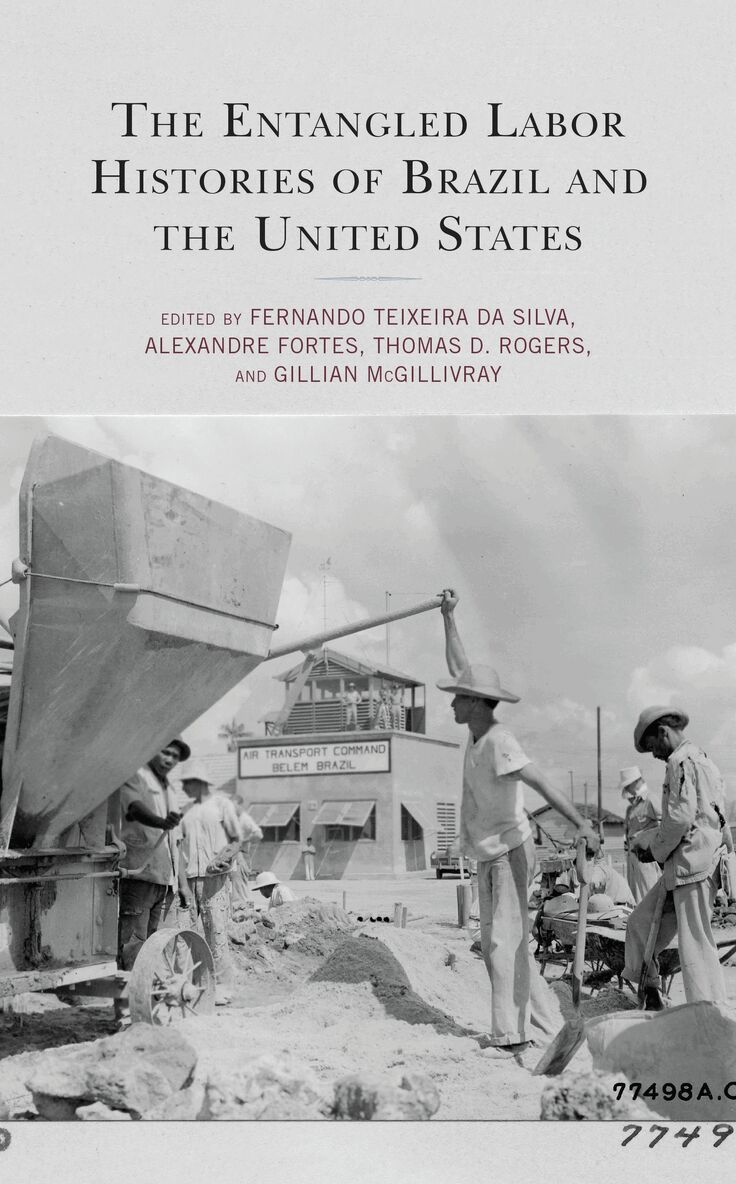
Workers in Brazil and the United States have followed parallel and entangled histories for many centuries. Recent experiences with progressive, popular presidents and authoritarian, populist presidents in the two most populous countries in the hemisphere have underscored important similarities. The contributors in this volume focus on the comparative and transnational histories of labor between and across Brazil and the United States. The countries’ histories bear the marks of slavery, racism, transoceanic immigration, and rapid urbanization, as well as strong regional differentiation and inequalities. These features decisively shaped the working classes. Brazilian and US labor history debates have erupted and subsided at different times. This collection synthesizes those debates while adding new topics and new sources from both countries. The international group of historians’ methodologically innovative chapters explore links, resonances, and divergences between US and Brazilian labor history. They widen the scope of analysis for themes and problems that have long been familiar to historians of work and workers in the two countries, but have not provoked close dialogues between scholars in the respective places. Though the histories themselves were often entangled, the debates about them have too rarely intertwined.