
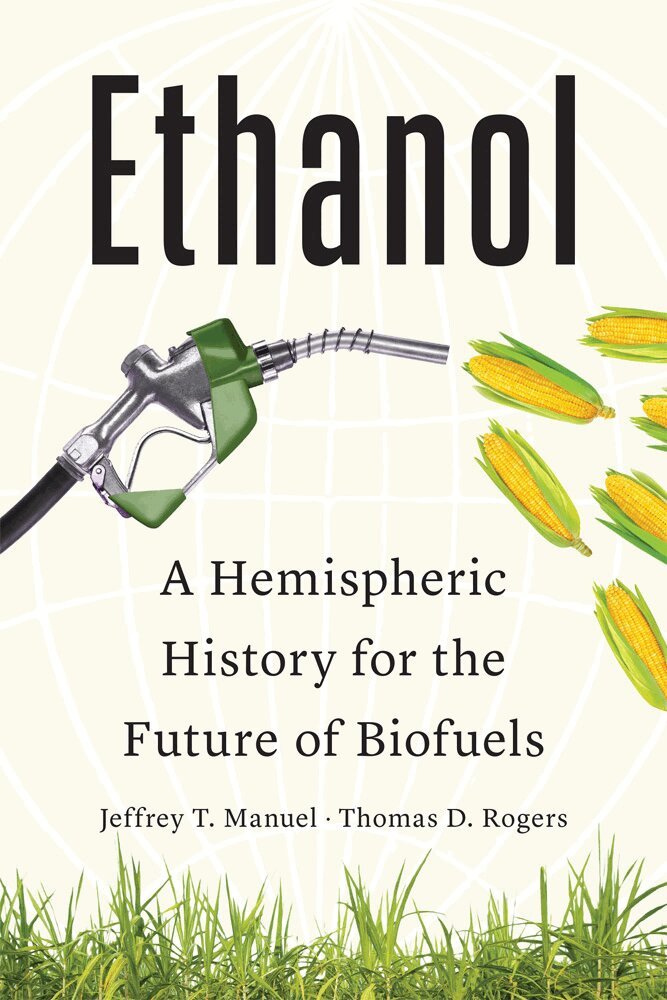
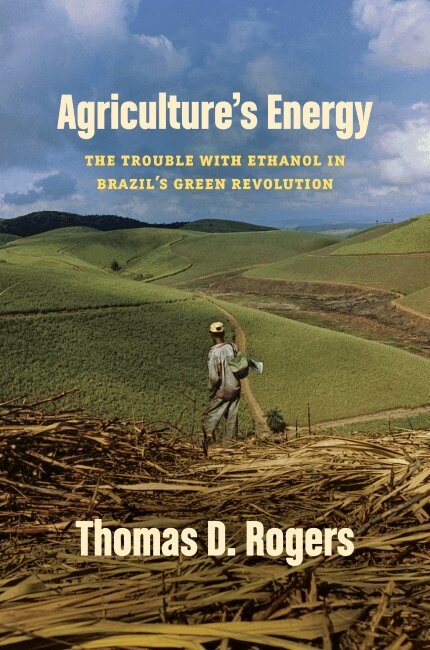
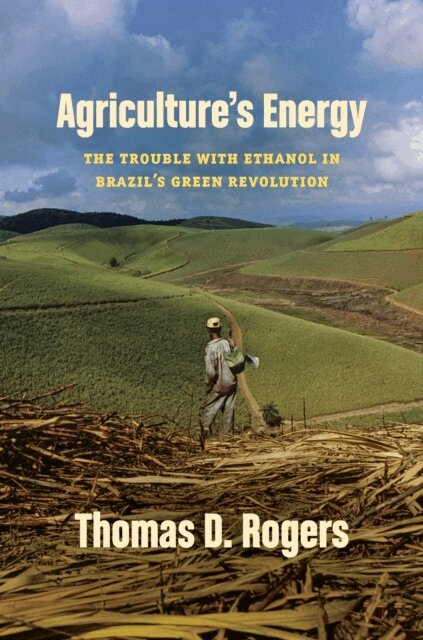
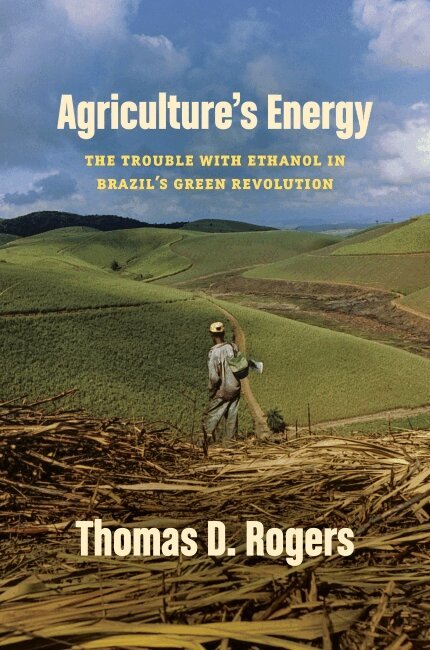
Agriculture's Energy
The Trouble with Ethanol in Brazil''s Green Revolution
E-bok
PDF, Engelska, 20222 181 kr
Läs direkt i Bokus Reader – eller ladda ned till din enhet (PDF kräver ofta zoom och scroll på små skärmar).
Fler format och utgåvor
Beskrivning
Thomas D. Rogers’s history of a modernizing Brazil tracks what happened when a key government program,created in the 1970s by the nation’s military regime, aspired to harness energy produced by sugarcane agriculture to power the country’s economy. The National Alcohol Program, known as Proálcool, was a deliberate economic strategy designed to incentivize ethanol production and reduce gasoline consumption. As Brazil’s capacity grew and as international oil shocks continued, the regime’s planners doubled down on Proálcool. Drawing financing from international lenders and curiosity from other oil-dependent countries, for a time it was the world’s largest oil-substitution and renewable-energy program.
Chronicling how Proálcool experimented with and exemplified the consolidation of government, agribusiness, large planters, agricultural and chemical research companies, and oil producers, this book expands into a rich investigation of the arc of Brazil’s Green Revolution. The ethanol boom epitomized the vector of that arc, but Rogers keeps wider development imperatives in view. He dramatizes the choices and trade-offs that ultimately resulted in a losing energy strategy, for Proálcool ended up creating a large contingent of impoverished workers, serious environmental degradation, and persistent hunger. The full consequences of the Green Revolution–fueled consolidation continue to take a toll today.
Chronicling how Proálcool experimented with and exemplified the consolidation of government, agribusiness, large planters, agricultural and chemical research companies, and oil producers, this book expands into a rich investigation of the arc of Brazil’s Green Revolution. The ethanol boom epitomized the vector of that arc, but Rogers keeps wider development imperatives in view. He dramatizes the choices and trade-offs that ultimately resulted in a losing energy strategy, for Proálcool ended up creating a large contingent of impoverished workers, serious environmental degradation, and persistent hunger. The full consequences of the Green Revolution–fueled consolidation continue to take a toll today.
Produktinformation
Utforska kategorier
Hoppa över listan

Mer från samma författare
Catholic Doctrine of the Church of England
Thomas D. Rogers, J. J. Stewart (John James St Perowne
Häftad, 2021
307 kr
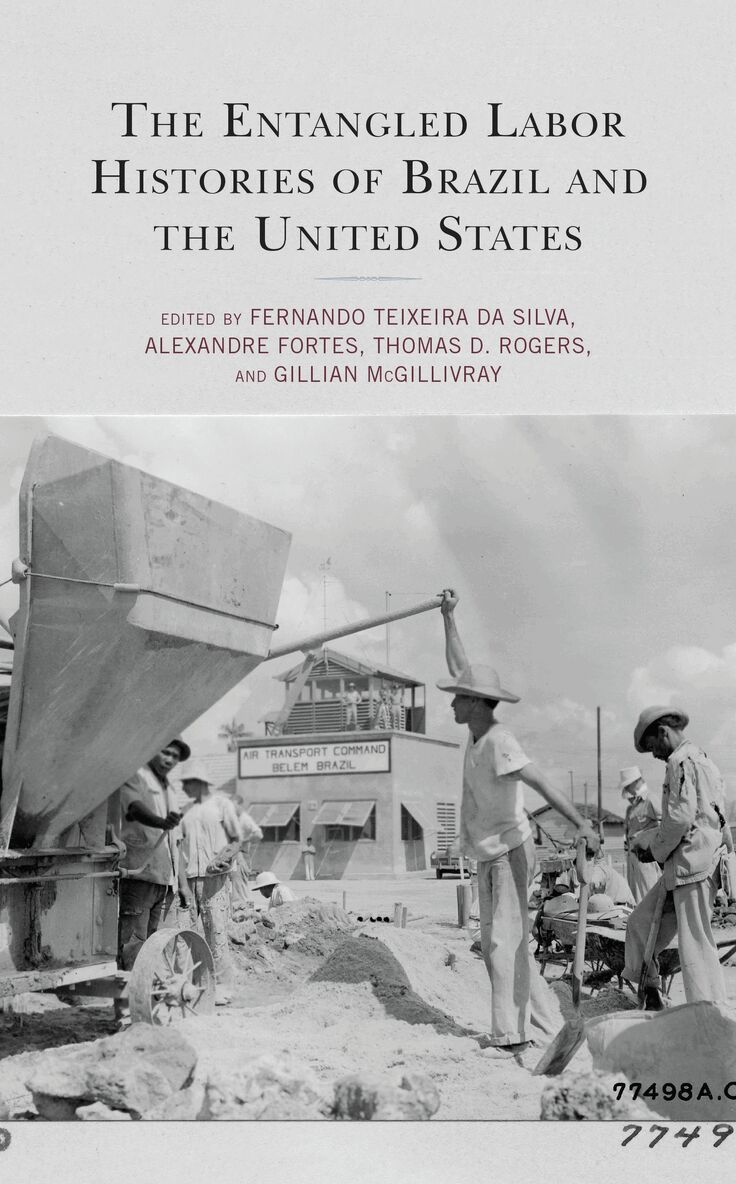
Entangled Labor Histories of Brazil and the United States
Fernando Teixeira da Silva, Alexandre Fortes, Thomas D. Rogers, Gillian McGillivray
Inbunden, 2023
1 222 kr
Hoppa över listan
Du kanske också är intresserad av
- 10% rabatt på allt
Catholic Doctrine of the Church of England
Thomas D. Rogers, J. J. Stewart (John James St Perowne
Häftad, 2021
307 kr
Entangled Labor Histories of Brazil and the United States
Fernando Teixeira da Silva, Alexandre Fortes, Thomas D. Rogers, Gillian McGillivray
Inbunden, 2023
1 222 kr