
Thomas Donald Conlan – författare
Visar alla böcker från författaren . Handla med fri frakt och snabb leverans.
3 produkter
3 produkter
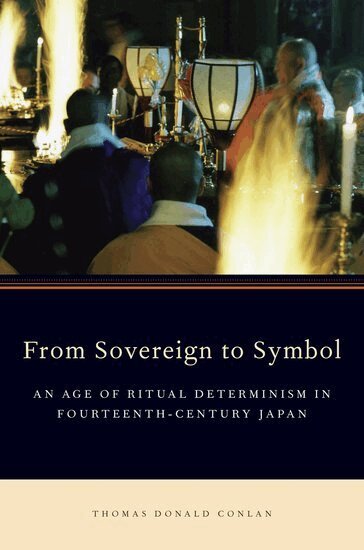
Inbunden, Engelska, 2012
1 368 kr
Skickas inom 5-8 vardagar
Fourteenth-century Japan witnessed a fundamental political and intellectual conflict about the nature of power and society, a conflict that was expressed through the rituals and institutions of two rival courts. Rather than understanding the collapse of Japan's first warrior government (the Kamakura bakufu) and the onset of a chaotic period of civil war as the manipulation of rival courts by powerful warrior factions, this study argues that the crucial ideological and intellectual conflict of the fourteenth century was between the conservative forces of ritual precedent and the ritual determinists steeped in Shingon Buddhism. Members of the monastic nobility who came to dominate the court used the language of Buddhist ritual, including incantations (mantras), gestures (mudras), and "cosmograms" (mandalas projected onto the geography of Japan) to uphold their bids for power. Sacred places that were ritual centers became the targets of military capture precisely because they were ritual centers. Ritual was not simply symbolic; rather, ritual became the orchestration, or actual dynamic, of power in itself. This study undermines the conventional wisdom that Zen ideals linked to the samurai were responsible for the manner in which power was conceptualized in medieval Japan, and instead argues that Shingon ritual specialists prolonged the conflict and enforced the new notion that loyal service trumped the merit of those who simply requested compensation for their acts. Ultimately, Shingon mimetic ideals enhanced warrior power and enabled Shogun Ashikaga Yoshimitsu, rather than the reigning emperor, to assert sovereign authority in Japan.
E-bok
PDF, Engelska, 20111 122 kr
Läs direkt efter köp
Fourteenth-century Japan witnessed a conflict about the nature of power that was expressed through the rituals and institutions of two rival courts. Ultimately, political authority came to be asserted through the language of esoteric Buddhist rituals, which determined the parameters of political possibility in Japan.
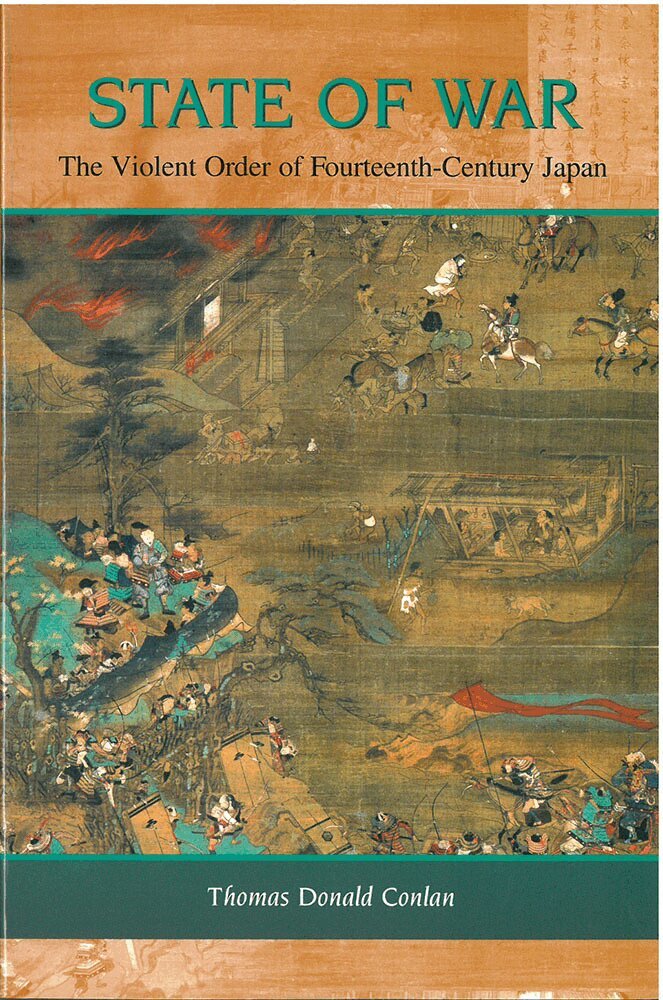
Häftad, Engelska, 2003
311 kr
Skickas inom 5-8 vardagar
State of War represents a fundamental revision of Japanese history. By illuminating Japan through the lens of war, Thomas Conlan provides insight into how state and society functioned, as opposed to how they were portrayed in ideal. Conlan recreates the experience of war from the perspective of one warrior and then reconstructs how war was fought through statistical analysis of surviving casualty records. State of War also shows that tThe battles of the 14th century mark a watershed in Japanese history. The fiscal exigencies of waging war led to a devolution of political power to the provinces. Furthermore, the outbreak of war caused social status to become performative, based upon the ability to fight autonomously, rather than being prescriptive, or determined by edicts of investiture. TBridging the intellectual gulf between the 14th and 20th centuries, Conlan also explores how the seemingly contradictory categories of “religion” and “war” were integrally related. The 14th-century belief that the outcome of battle was determined by the gods meant that religious institutions warred both ritually and physically, and that religious attitudes frequently underpinned warrior behavior. Based on diverse sources, including documents, picture scrolls, medical and religious texts, and chronicles, State of War rehabilitates warfare as a focal point of historical inquiry and provides a fascinating new overview of premodern Japanese history.