Thomas Downes – författare
Visar alla böcker från författaren Thomas Downes. Handla med fri frakt och snabb leverans.
6 produkter
6 produkter
1 390 kr
Kommande
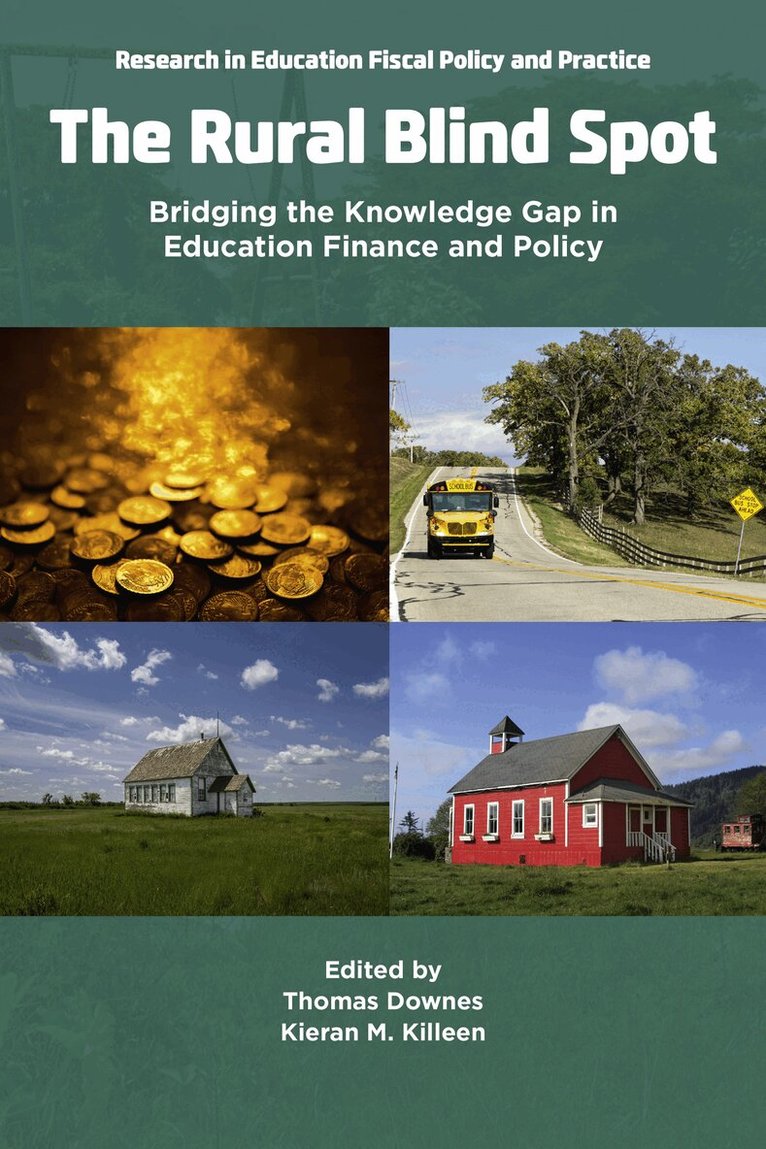
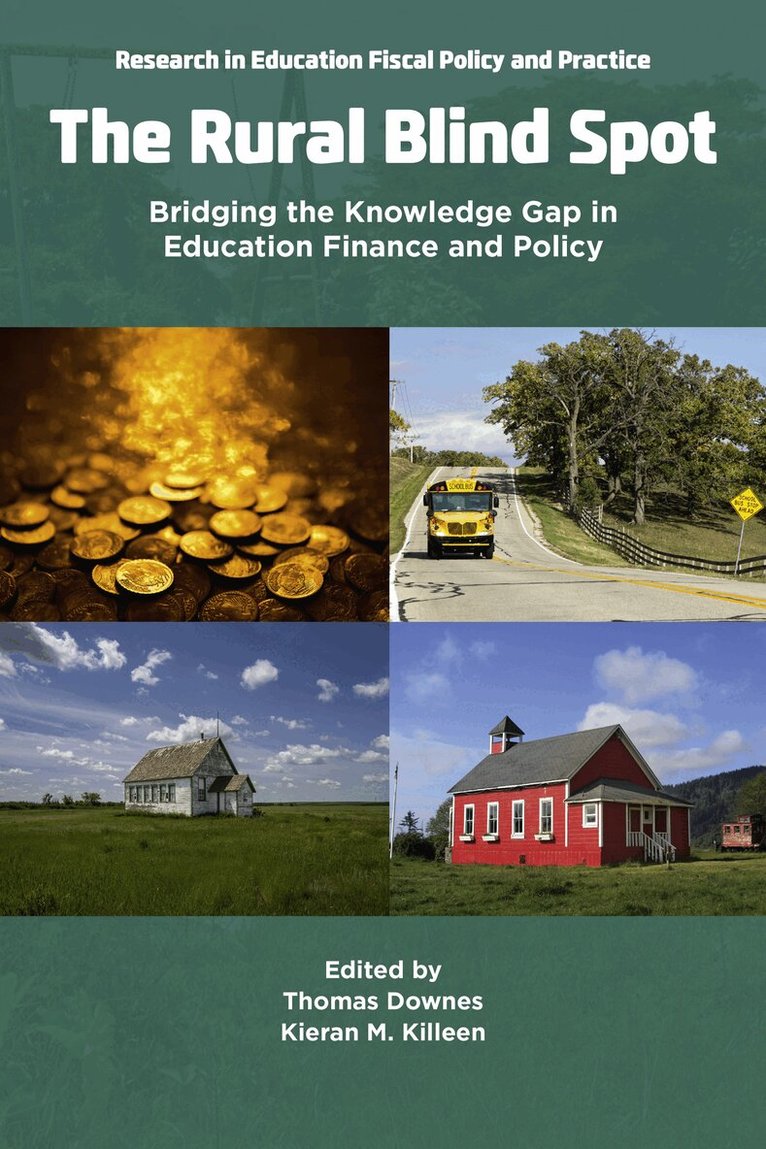
Despite comprising nearly one-fifth of the U.S. student population, rural schoolchildren remain underrepresented in education policy discourse. The Rural Blind Spot: Bridging the Knowledge Gap in Education Finance and Policy confronts the persistent marginalization of rural education in state and local policy debates, where the dominant urban-suburban lens often obscures the distinct needs and challenges of rural schools.Among the important questions addressed by the chapters in this book areWhat are the effects of enrollment declines on school financing?Do existing school finance formulas adequately compensate rural districts for the unique transportation issues they face?Should state school finance systems include adjustments for rural district size, geographic location or their unique experiences with multi-language learners or children with exceptional needs?To what extent does educational aid improve academic outcomes in low-income rural schools?What are the implications of expanded school choice for rural school districts?Should states mandate consolidation of small school districts or should states incentivize consolidation and resource sharing? If yes to incentives, how should those incentives be designed?Rejecting the notion that rural schools can be understood through an urban lens, this book offers a rigorous, context-sensitive approach to rural education finance. It is essential reading for scholars, researchers, and graduate students committed to equity, policy reform, and the nuanced study of rural schooling in the United States.
529 kr
Kommande
Despite comprising nearly one-fifth of the U.S. student population, rural schoolchildren remain underrepresented in education policy discourse. The Rural Blind Spot: Bridging the Knowledge Gap in Education Finance and Policy confronts the persistent marginalization of rural education in state and local policy debates, where the dominant urban-suburban lens often obscures the distinct needs and challenges of rural schools.Among the important questions addressed by the chapters in this book areWhat are the effects of enrollment declines on school financing?Do existing school finance formulas adequately compensate rural districts for the unique transportation issues they face?Should state school finance systems include adjustments for rural district size, geographic location or their unique experiences with multi-language learners or children with exceptional needs?To what extent does educational aid improve academic outcomes in low-income rural schools?What are the implications of expanded school choice for rural school districts?Should states mandate consolidation of small school districts or should states incentivize consolidation and resource sharing? If yes to incentives, how should those incentives be designed?Rejecting the notion that rural schools can be understood through an urban lens, this book offers a rigorous, context-sensitive approach to rural education finance. It is essential reading for scholars, researchers, and graduate students committed to equity, policy reform, and the nuanced study of rural schooling in the United States.
647 kr
Skickas inom 7-10 vardagar
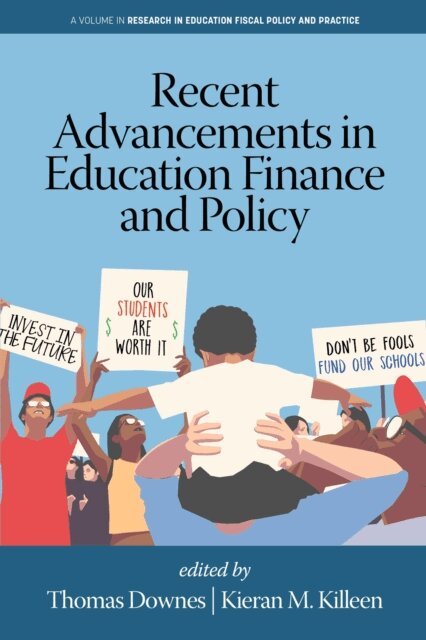
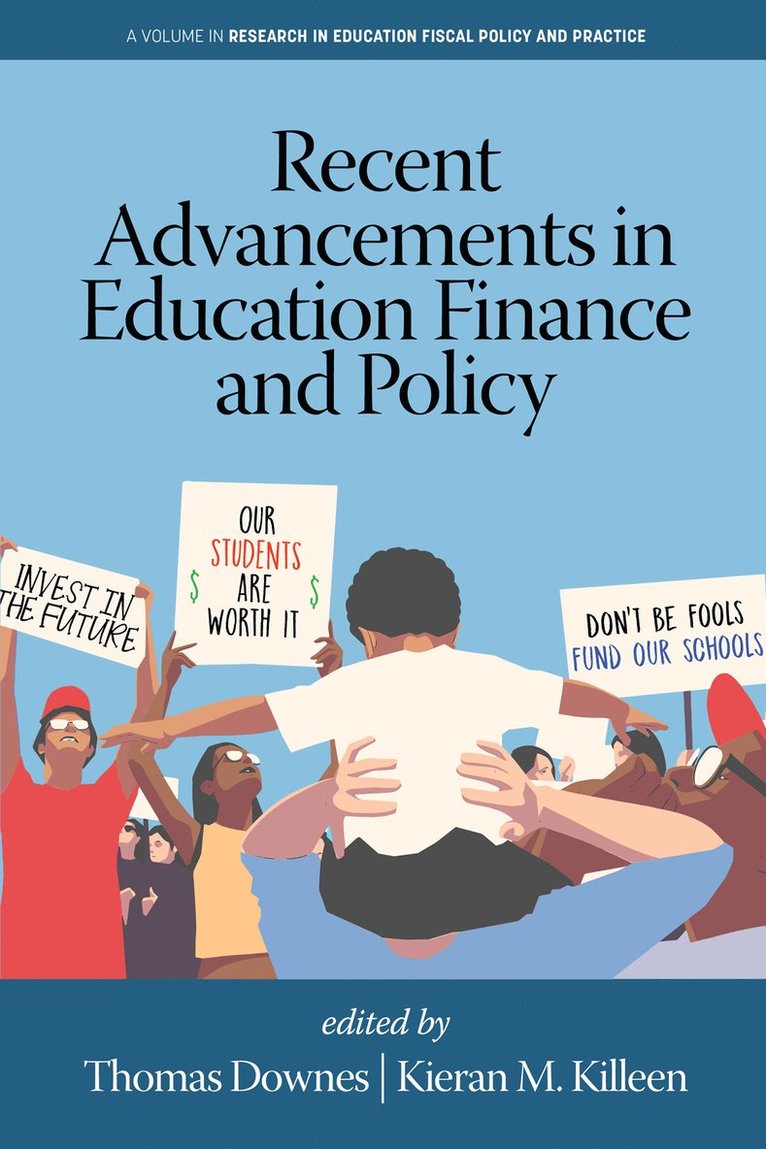
The past decade has seen a steady flow of important and innovative papers documenting the short- and long-term effects of finance reforms and the heterogeneity of the effects of reforms, exemplified by papers like Jackson, Johnson, & Persico (2016), Lafortune, Rothstein, & Schanzenbach (2018), Hyman (2017), and Candelaria and Shores (2019). Those papers have reinvigorated research on the effects of finance reforms, while raising important questions about how to best design a finance system and generate necessary revenues. The papers mentioned above, along with other papers too numerous to mention, have taken advantage of better data and better methods to address long-standing questions and generate provocative new answers. Since the landscape has changed quickly, policy makers and prospective researchers require a summary of the current state of the research on the effects of school finance reforms. Answers are also needed to such questions as:To what extent are lessons from the Great Recession applicable to the Covid-19 induced crisis. For example, how will states allocate cuts in grants and will those cuts undo state progress in equalizing educational access? Are there strategies for allocating resources that best preserve student learning?How do financing systems need to be modified to accommodate greater use of online education?How should school finance systems be designed to provide equal access (or, at a minimum, adequate access) to students with special needs?Why is there significant heterogeneity in the results of different finance reforms?What have been the effects of recent state efforts to reduce the role of the property tax in financing K-12 education? How should finance systems be designed to more effectively close persistent achievement gaps?How, if at all, should states integrate the financing of preschool education with the financing of elementary and secondary education?To help prepare the next generation of researchers and policy makers in the realm of school finance, this volume includes papers that summarize the current state of research on the questions above, as well as other pressing questions in education finance and policy. The book aims to bridge a space between comprehensive textbooks and journal articles in the field of education finance and policy. There are two main target audiences. The book is meant to serve professionals like school district administrators and education policy practitioners that desire a contemporary update to their previous study of education finance and policy issues. These audiences often have limited access to peer reviewed journals and knowledge of pertinent government and related policy reports in the field. The book is also meant to serve students and faculty from programs in public administration, public policy, community development and applied economics, education administration, educational leadership and policy studies that are studying content related to education policy, the economics of education, state and local public finance, and taxation. Some upper-level undergraduate students may also benefit from this resource.
1 096 kr
Skickas inom 7-10 vardagar
The past decade has seen a steady flow of important and innovative papers documenting the short- and long-term effects of finance reforms and the heterogeneity of the effects of reforms, exemplified by papers like Jackson, Johnson, & Persico (2016), Lafortune, Rothstein, & Schanzenbach (2018), Hyman (2017), and Candelaria and Shores (2019). Those papers have reinvigorated research on the effects of finance reforms, while raising important questions about how to best design a finance system and generate necessary revenues. The papers mentioned above, along with other papers too numerous to mention, have taken advantage of better data and better methods to address long-standing questions and generate provocative new answers. Since the landscape has changed quickly, policy makers and prospective researchers require a summary of the current state of the research on the effects of school finance reforms. Answers are also needed to such questions as:To what extent are lessons from the Great Recession applicable to the Covid-19 induced crisis. For example, how will states allocate cuts in grants and will those cuts undo state progress in equalizing educational access? Are there strategies for allocating resources that best preserve student learning?How do financing systems need to be modified to accommodate greater use of online education?How should school finance systems be designed to provide equal access (or, at a minimum, adequate access) to students with special needs?Why is there significant heterogeneity in the results of different finance reforms?What have been the effects of recent state efforts to reduce the role of the property tax in financing K-12 education? How should finance systems be designed to more effectively close persistent achievement gaps?How, if at all, should states integrate the financing of preschool education with the financing of elementary and secondary education?To help prepare the next generation of researchers and policy makers in the realm of school finance, this volume includes papers that summarize the current state of research on the questions above, as well as other pressing questions in education finance and policy. The book aims to bridge a space between comprehensive textbooks and journal articles in the field of education finance and policy. There are two main target audiences. The book is meant to serve professionals like school district administrators and education policy practitioners that desire a contemporary update to their previous study of education finance and policy issues. These audiences often have limited access to peer reviewed journals and knowledge of pertinent government and related policy reports in the field. The book is also meant to serve students and faculty from programs in public administration, public policy, community development and applied economics, education administration, educational leadership and policy studies that are studying content related to education policy, the economics of education, state and local public finance, and taxation. Some upper-level undergraduate students may also benefit from this resource.
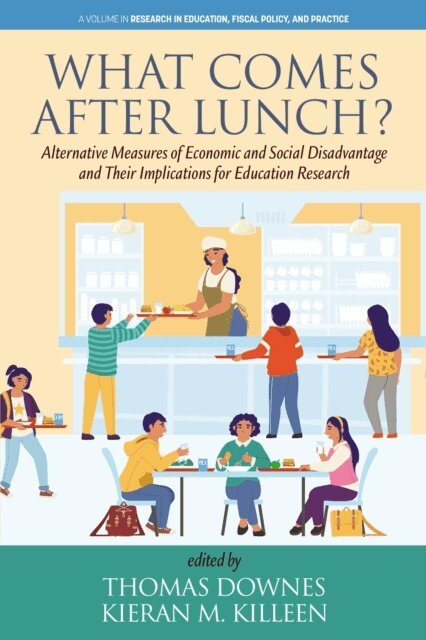
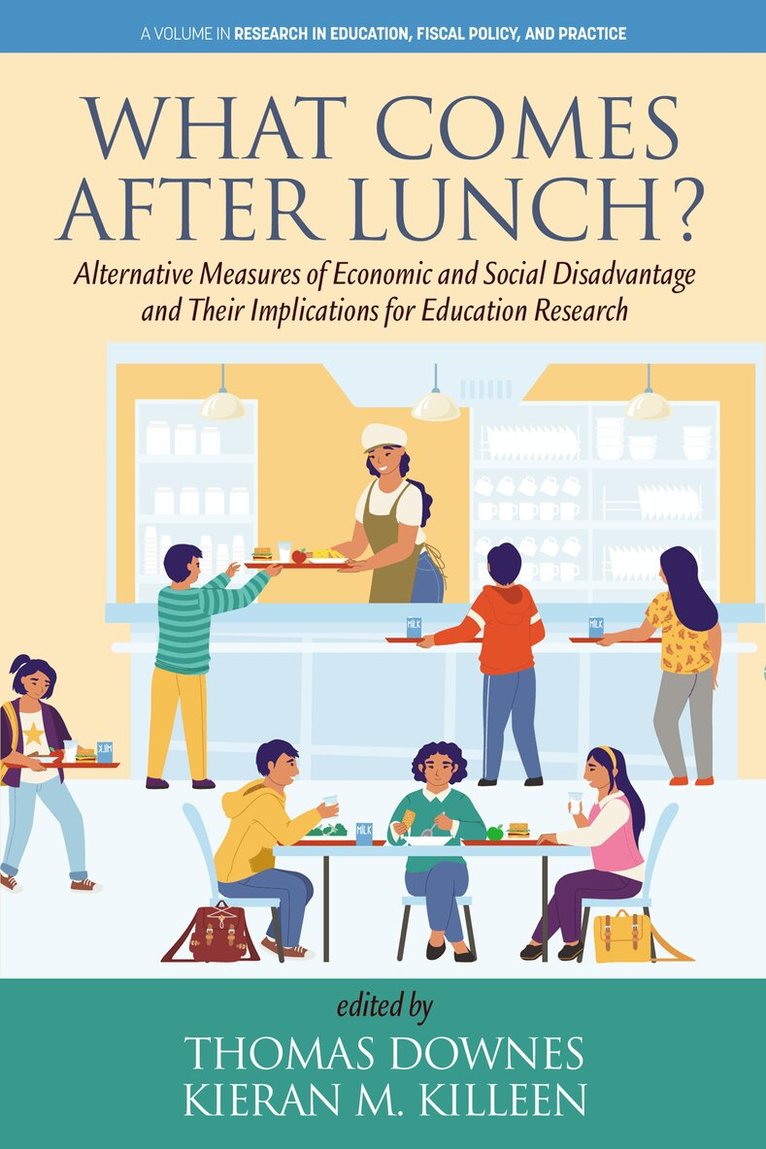
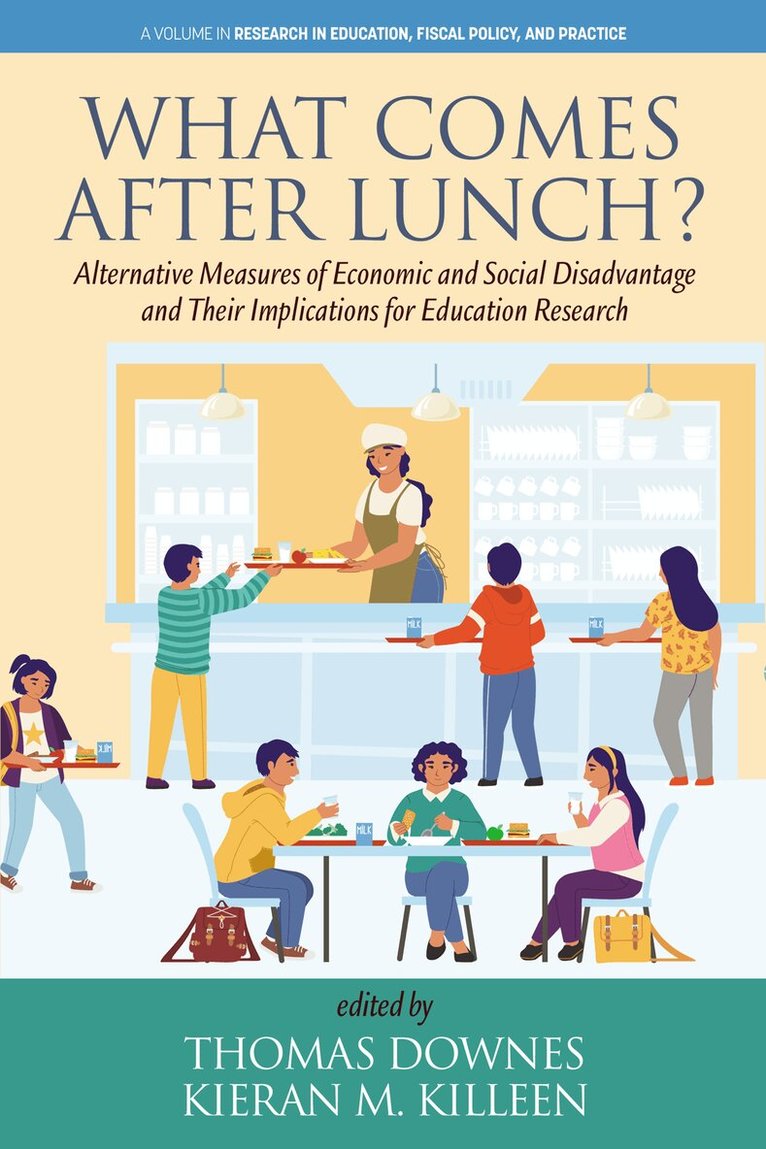
What Comes After Lunch?
Alternative Measures of Economic and Social Disadvantage and Their Implications for Education Research
Häftad, Engelska, 2024
519 kr
Skickas inom 7-10 vardagar
Faced with the problem of how to measure the magnitude of economic disadvantage in the populations served by schools or districts, researchers addressing school finance topics have invariably turned to the fraction of students eligible for free- or reduced-lunches (FRPL). But the facile dependence on FRPL may be problematic. A large and growing literature in learning sciences and in the field of education itself has pivoted towards studies that explore the relationship between social/emotional health and the learning of children. The growing body of research on social/emotional health and learning (e.g. Gershoff, Aber, Raver, and Lennon, 2007) suggests that more refined measures of wealth, income and hardship more fully account for the effects of economic disadvantage than does FRPL. Historically, research in school finance has not utilized these refined measures but instead has depended on FRPL.The Community Eligibility Provision (CEP), a recent change in how student eligibility for free lunch is determined, may have the unintended, and yet fortuitous, consequence that it will force school finance researchers to use more sophisticated measures of student hardship. The CEP makes it possible for schools serving low-income populations to classify all students as eligible for free- or reduced-price lunch. Koedel and Parsons (2021) argue that, while FRPL might have been a workable measure of student disadvantage prior to CEP, post-CEP the extent of a school’s or a district’s population that is disadvantaged is no longer measured accurately by FRPL. The CEP made accurate FRPL counts less critical for many schools and districts; post-pandemic legislation (Vock, 2023) in a number of states to make school meals free for all students in those states has increased the number of districts for which accurate counts are unimportant. Fazlul, Koedel, and Parsons (2023) go on to argue that, even prior to CEP, FRPL failed to provide an accurate measure of a school or district’s poverty. This new policy environment makes it imperative to explore alternatives to FRPL and the implications for school finance.The book aims to provide a timely collection of new research on a measurement issue that is central to much research on K-12 education finance. The book is meant to serve scholars in education finance and policy who need a refined perspective on the context of schooling. The book is also meant to serve students and faculty from programs in public administration, public policy, community development and applied economics, education administration, educational leadership and policy studies who are studying content related to education policy, the economics of education, state and local public finance, and taxation. Some upper-level undergraduate students may also benefit from this resource.
What Comes After Lunch?
Alternative Measures of Economic and Social Disadvantage and Their Implications for Education Research
Inbunden, Engelska, 2024
958 kr
Skickas inom 7-10 vardagar
Faced with the problem of how to measure the magnitude of economic disadvantage in the populations served by schools or districts, researchers addressing school finance topics have invariably turned to the fraction of students eligible for free- or reduced-lunches (FRPL). But the facile dependence on FRPL may be problematic. A large and growing literature in learning sciences and in the field of education itself has pivoted towards studies that explore the relationship between social/emotional health and the learning of children. The growing body of research on social/emotional health and learning (e.g. Gershoff, Aber, Raver, and Lennon, 2007) suggests that more refined measures of wealth, income and hardship more fully account for the effects of economic disadvantage than does FRPL. Historically, research in school finance has not utilized these refined measures but instead has depended on FRPL.The Community Eligibility Provision (CEP), a recent change in how student eligibility for free lunch is determined, may have the unintended, and yet fortuitous, consequence that it will force school finance researchers to use more sophisticated measures of student hardship. The CEP makes it possible for schools serving low-income populations to classify all students as eligible for free- or reduced-price lunch. Koedel and Parsons (2021) argue that, while FRPL might have been a workable measure of student disadvantage prior to CEP, post-CEP the extent of a school’s or a district’s population that is disadvantaged is no longer measured accurately by FRPL. The CEP made accurate FRPL counts less critical for many schools and districts; post-pandemic legislation (Vock, 2023) in a number of states to make school meals free for all students in those states has increased the number of districts for which accurate counts are unimportant. Fazlul, Koedel, and Parsons (2023) go on to argue that, even prior to CEP, FRPL failed to provide an accurate measure of a school or district’s poverty. This new policy environment makes it imperative to explore alternatives to FRPL and the implications for school finance.The book aims to provide a timely collection of new research on a measurement issue that is central to much research on K-12 education finance. The book is meant to serve scholars in education finance and policy who need a refined perspective on the context of schooling. The book is also meant to serve students and faculty from programs in public administration, public policy, community development and applied economics, education administration, educational leadership and policy studies who are studying content related to education policy, the economics of education, state and local public finance, and taxation. Some upper-level undergraduate students may also benefit from this resource.