Thomas E. Doyle, II - Böcker
Visar alla böcker från författaren Thomas E. Doyle, II. Handla med fri frakt och snabb leverans.
3 produkter
3 produkter
1 572 kr
Skickas inom 10-15 vardagar
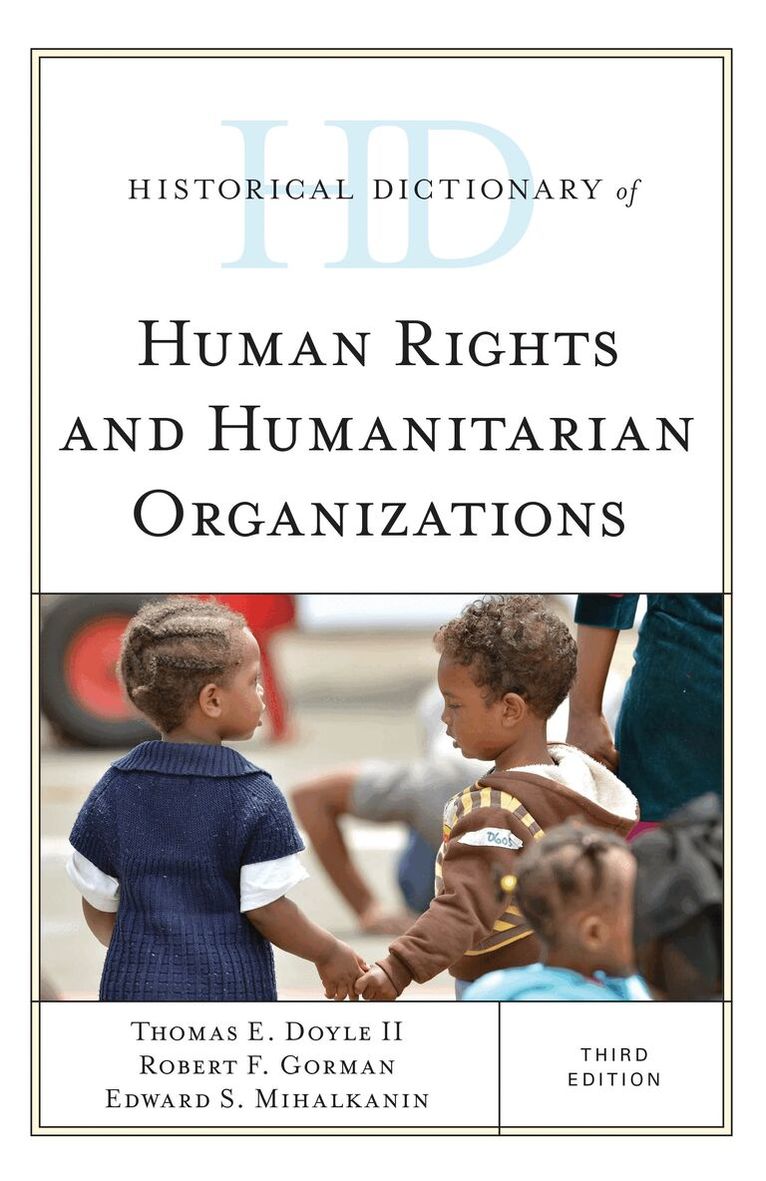
The Historical Dictionary of Human Rights and Humanitarian Organizations, Third Edition defines the core concepts of human rights and humanitarian law. It relates the major international legal agreements related to human rights and names the diverse intergovernmental organizations which are responsible for implementing and maintaining these legal declarations, charters, conventions, or treaties. It also names and describes the several international non-governmental organizations which lobby states and international organizations with respect to human rights, which carry out programs of humanitarian assistance or relief, and which have played such a significant role in the evolution of human rights and humanitarianism in the modern era. Finally, it features the names and biographical accounts of major figures in the history of human rights and humanitarianism, along with figures that are active today on these issues. This third edition of Historical Dictionary of Human Rights and Humanitarian Organizations contains a chronology, an introduction, appendixes, and an extensive bibliography. The dictionary section has over 700 cross-referenced entries on human rights concepts, major pieces of international law on human rights and humanitarian issues, major intergovernmental bodies responsible for implementing international laws on human rights and humanitarian issues, major international non-governmental organizations whose work focuses on human rights and humanitarian issues, and the names of important historical and contemporary figures who have contributed to the establishment and progress of human rights and humanitarianism.. This book is an excellent access point for students, researchers, and anyone wanting to know more about Human Rights.
1 572 kr
Skickas inom 10-15 vardagar
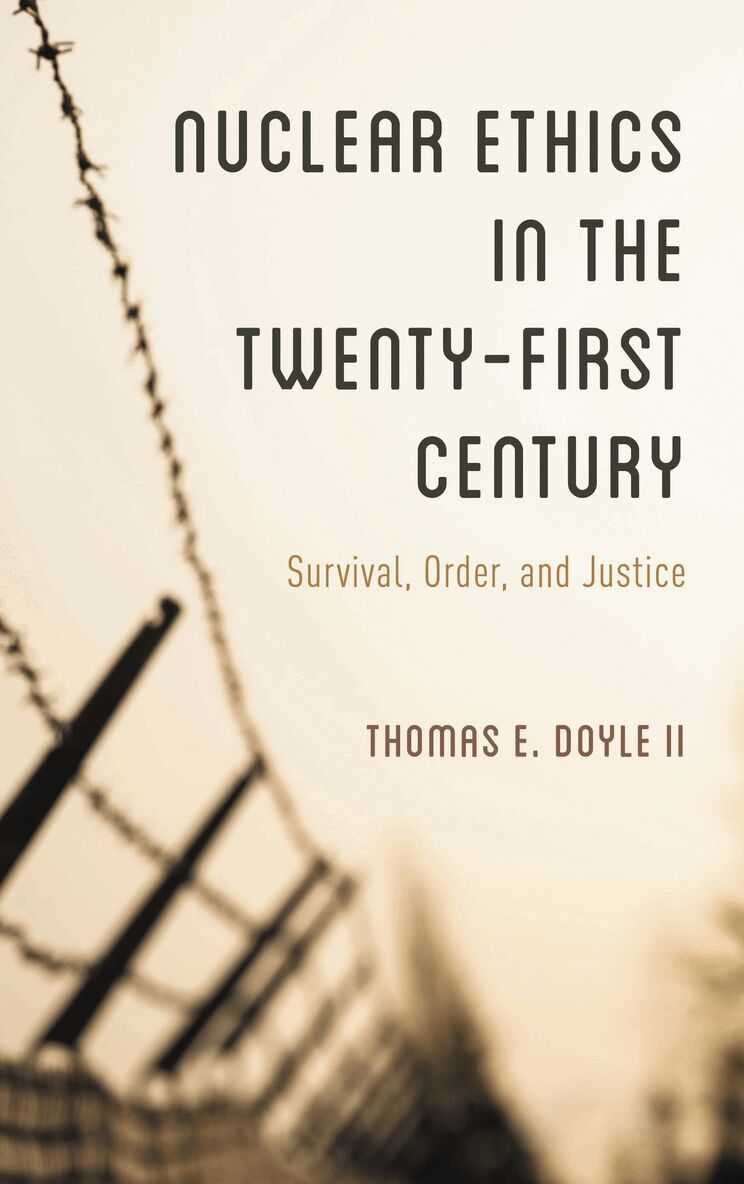
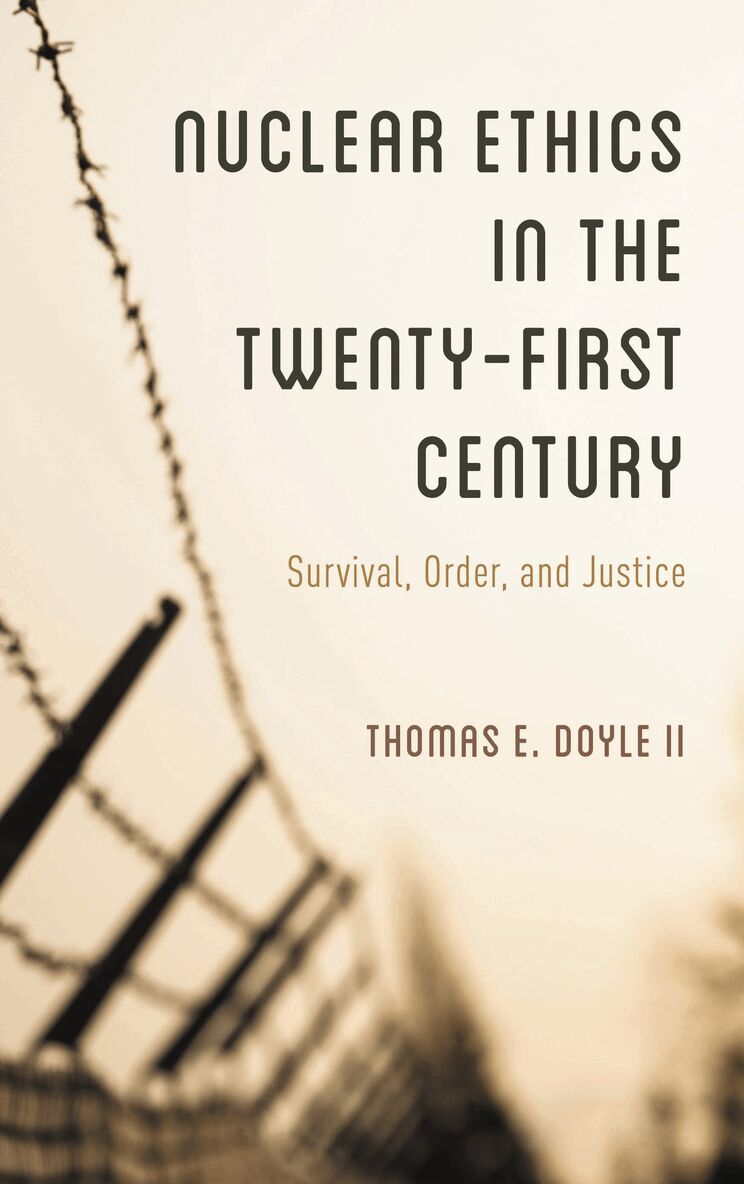
This book relates a complex ethical (re)assessment of the continued reliance by some states on nuclear weapons as instruments of state power. This (re)assessment is more urgent considering the relatively recent intensification of great power conflict dynamics and the nuclear-weapon states’ recommitments to modernizing, augmenting, or tailoring their nuclear forces to address vital state and alliance interests. And, especially since the beginning of the administration of U.S. President Donald J. Trump, these recommitments have accelerated the degree to which the political and moral dilemmas of (the threat of) nuclear use define and intensify existential risks for specific states and the international community at large. To execute this (re)assessment, this book details how strategic, political, legal, and moral reasoning are deeply intertwined on the questions of vital state and global values. Its ontological assumptions are taken from a broadly construed IR Constructivist stance, and its epistemological approach applies non-ideal moral principles informed by Kantian thought to selected problems of nuclear-armed security competition as they evolved since President Barack Obama’s 2009 Prague Declaration. This non-ideal moral approach employed is committed to the view that the dual imperatives of humanity’s survival and the common security of states requires an international order which privileges considerations of justice over power-political considerations. This non-ideal moral approach is a necessary element of theorizing a set of practices to effectively address the challenges and dilemmas of reordering international politics in terms of justice.
434 kr
Skickas inom 10-15 vardagar
This book relates a complex ethical (re)assessment of the continued reliance by some states on nuclear weapons as instruments of state power. This (re)assessment is more urgent considering the relatively recent intensification of great power conflict dynamics and the nuclear-weapon states’ recommitments to modernizing, augmenting, or tailoring their nuclear forces to address vital state and alliance interests. And, especially since the beginning of the administration of U.S. President Donald J. Trump, these recommitments have accelerated the degree to which the political and moral dilemmas of (the threat of) nuclear use define and intensify existential risks for specific states and the international community at large. To execute this (re)assessment, this book details how strategic, political, legal, and moral reasoning are deeply intertwined on the questions of vital state and global values. Its ontological assumptions are taken from a broadly construed IR Constructivist stance, and its epistemological approach applies non-ideal moral principles informed by Kantian thought to selected problems of nuclear-armed security competition as they evolved since President Barack Obama’s 2009 Prague Declaration. This non-ideal moral approach employed is committed to the view that the dual imperatives of humanity’s survival and the common security of states requires an international order which privileges considerations of justice over power-political considerations. This non-ideal moral approach is a necessary element of theorizing a set of practices to effectively address the challenges and dilemmas of reordering international politics in terms of justice.