Thomas G. Guarino – författare
Visar alla böcker från författaren Thomas G. Guarino. Handla med fri frakt och snabb leverans.
8 produkter
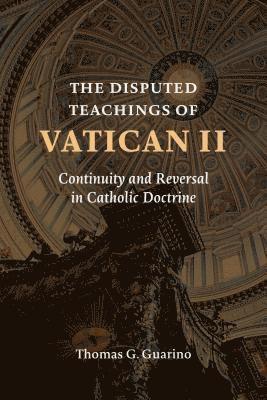
Disputed Teachings of Vatican II
Continuity and Reversal in Catholic Doctrine
Häftad, 2018
472 kr
Lägg i varukorg
The Second Vatican Council (1962–1965) radically shook up many centuries of tradition in the Roman Catholic Church. This book by Thomas Guarino, a noted expert on the sources and methods of Catholic doctrine, investigates whether Vatican II’s highly contested teachings on religious freedom, …
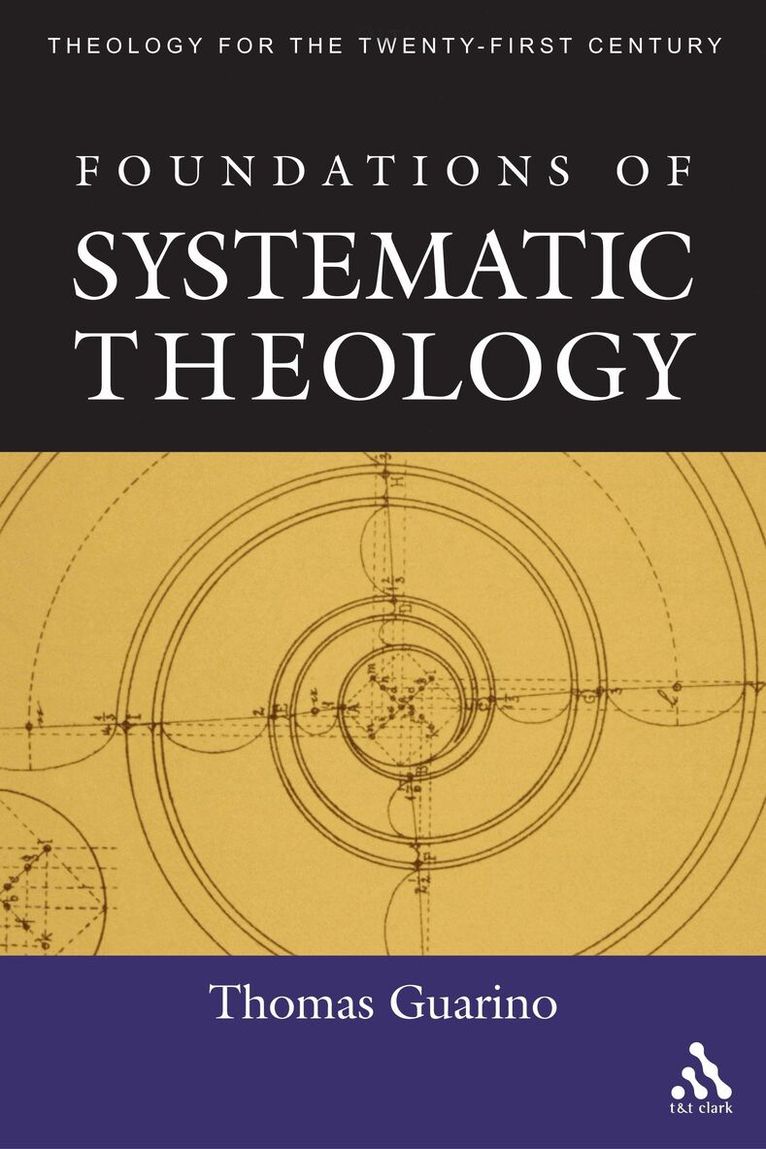
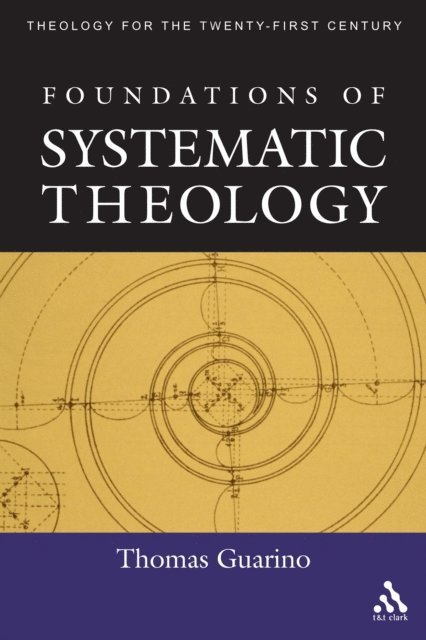
Foundations of Systematic Theology
Häftad, 2005
1137 kr
Lägg i varukorg
Guarino argues in this book that the doctrinal form of the Christian faith, in its essential characteristics, calls for certain theoretical exigencies. This is to say that the proportion and beauty of the form is not served or illuminated by simply any presuppositions. Rather, a determinate …
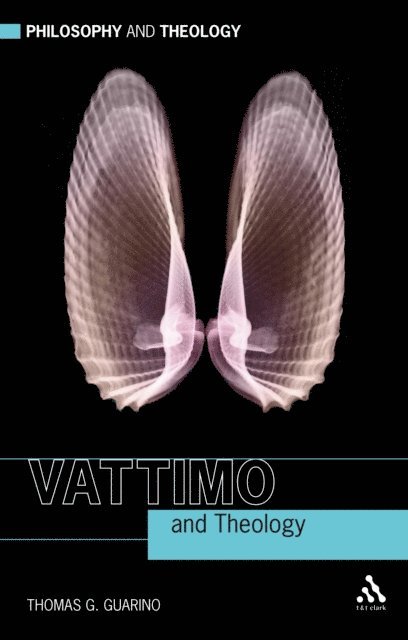
Vattimo and Theology
Inbunden, 2009
1843 kr
Lägg i varukorg
Gianni Vattimo, who has long been a prominent postmodern European philosopher, has recently taken a more significant interest in religion. His claim is that postmodern philosophy, with its incisive critique of rationalist, objectifying ways of thinking, can help religion once again find a voice in …
Vattimo and Theology
Häftad, 2009
431 kr
Lägg i varukorg
An examinations of Vattimo's work asking to what extent his insights present new challenges to Christian thought. Gianni Vattimo, who has long been a prominent postmodern European philosopher, has recently taken a more significant interest in religion. His claim is that postmodern philosophy, with …
Foundations of Systematic Theology
E-bok, 2005
1247 kr
Lägg i varukorg
Guarino argues in this book that the doctrinal form of the Christian faith, in its essential characteristics, calls for certain theoretical exigencies. This is to say that the proportion and beauty of the form is not served or illuminated by simply any presuppositions. Rather, a determinate …
Vattimo and Theology
E-bok, 2009
468 kr
Lägg i varukorg
Gianni Vattimo, who has long been a prominent postmodern European philosopher, has recently taken a more significant interest in religion. His claim is that postmodern philosophy, with its incisive critique of rationalist, objectifying ways of thinking, can help religion once again find a voice in …
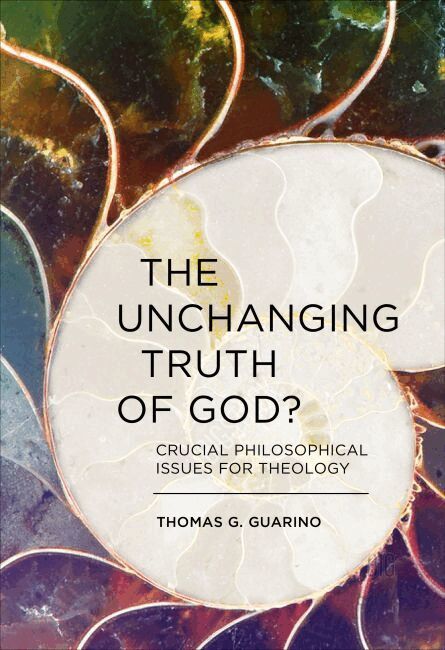
Unchanging Truth of God?
Crucial Philosophical Issues for Theology
Häftad, 2022
386 kr
Lägg i varukorg
It has long been a cornerstone of Catholic belief that Christians can be intelligent and creative thinkers—inquisitive seekers after truth—as well as men and women of ardent faith. Catholics are entirely committed, then, to the claim that human rationality and religious faith are complementary …
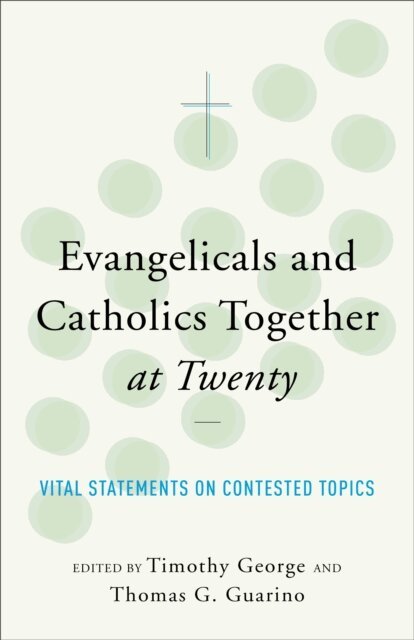
Evangelicals and Catholics Together at Twenty
Vital Statements on Contested Topics
Av Thomas G. Guarino, Timothy George
E-bok, 2015
245 kr
Lägg i varukorg
Founded by Charles Colson and Richard John Neuhaus in 1994, Evangelicals and Catholics Together (ECT) has fostered a fruitful conversation on the meaning of the gospel in today''s world. Over the course of twenty years, ECT has issued nine statements addressing contemporary topics. This one-volume …