Thomas Kolnberger - Böcker
Visar alla böcker från författaren Thomas Kolnberger. Handla med fri frakt och snabb leverans.
4 produkter
4 produkter
2 150 kr
Skickas inom 10-15 vardagar
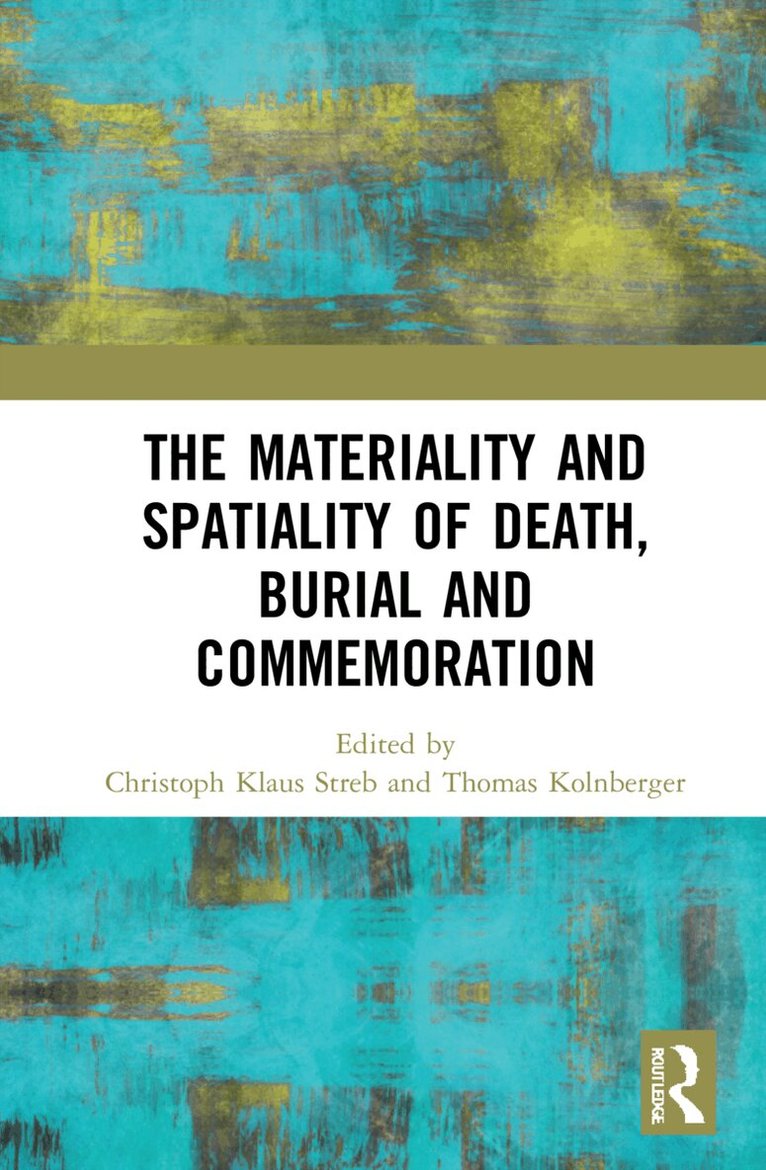
Death, dying and burial produce artefacts and occur in spatial contexts. The interplay between such materiality and the bereaved who commemorate the dead yields interpretations and creates meanings that can change over time. Materiality is more than simple matter, void of meaning or relevance. The apparent inanimate has meaning. It is charged with significance, has symbolic and interpretative value—perhaps a form of selfhood, which originates from the interaction with the animate. In our case, gravestones, bodily remains and the spatial order of the cemetery are explored for their material agency and relational constellations with human perceptions and actions. Consciously and unconsciously, by interacting with such materiality, one is creating meaning, while materiality retroactively provides a form of agency. Spatiality provides more than a mere context: it permits and shapes such interaction. Thus, artefacts, mementos and memorials are exteriorised, materialised, and spatialized forms of human activity: they can be understood as cultural forms, the function of which is to sustain social life. However, they are also the medium through which values, ideas and criteria of social distinction are reproduced, legitimised, or transformed.This book will explore this interplay by going beyond the consideration of simple grave artefacts on the one hand and graveyards as a space on the other hand, to examine the specific interrelationships between materiality, spatiality, the living, and the dead. The chapters in this book were originally published as a special issue of the journal Mortality.
593 kr
Skickas inom 10-15 vardagar
Death, dying and burial produce artefacts and occur in spatial contexts. The interplay between such materiality and the bereaved who commemorate the dead yields interpretations and creates meanings that can change over time. Materiality is more than simple matter, void of meaning or relevance. The apparent inanimate has meaning. It is charged with significance, has symbolic and interpretative value—perhaps a form of selfhood, which originates from the interaction with the animate. In our case, gravestones, bodily remains and the spatial order of the cemetery are explored for their material agency and relational constellations with human perceptions and actions. Consciously and unconsciously, by interacting with such materiality, one is creating meaning, while materiality retroactively provides a form of agency. Spatiality provides more than a mere context: it permits and shapes such interaction. Thus, artefacts, mementos and memorials are exteriorised, materialised, and spatialized forms of human activity: they can be understood as cultural forms, the function of which is to sustain social life. However, they are also the medium through which values, ideas and criteria of social distinction are reproduced, legitimised, or transformed.This book will explore this interplay by going beyond the consideration of simple grave artefacts on the one hand and graveyards as a space on the other hand, to examine the specific interrelationships between materiality, spatiality, the living, and the dead. The chapters in this book were originally published as a special issue of the journal Mortality.
2 021 kr
Skickas inom 10-15 vardagar
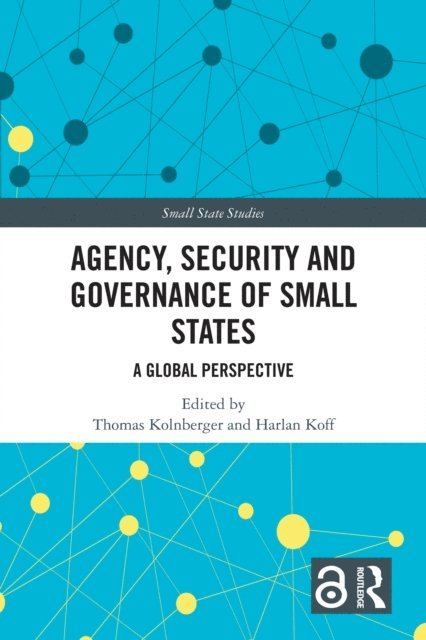
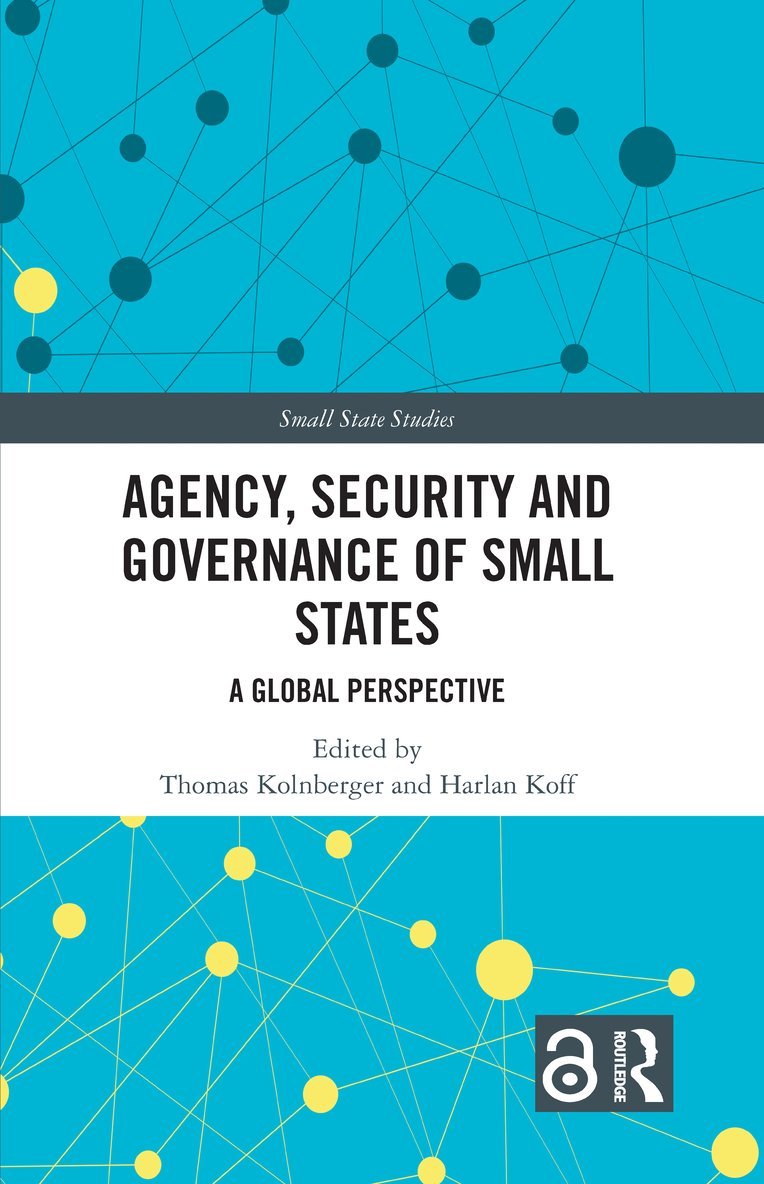
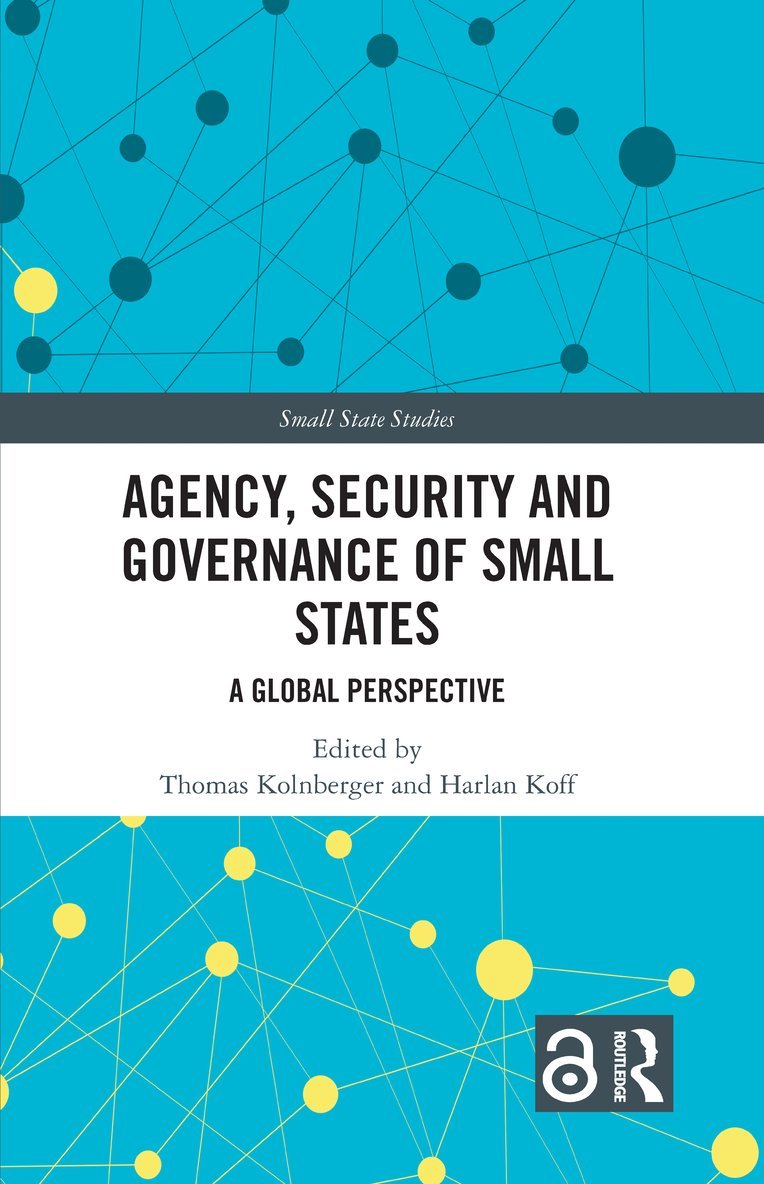
Agency, Security and Governance of Small States examines what seems to be a defining paradox of Small-State Studies: the simultaneous coexistence (and possible co-dependence) of vulnerability and opportunity related to small-state size.This book analyses small states within the framework of this apparent paradox. Traditionally, Small-State Studies has focused on three guiding questions: what constitutes a ‘small state’? What explains small-state influence in global affairs? Are small states truly vulnerable to security threats given the expansion of multilateralism and regionalism throughout the world? This book contends that new questions should be asked which recognise the important shifts in twenty-first century security paradigms, to better understand how some states deploy their smallness as a resource for agency in supranational contexts. By varying historical, geographical, security, and governance contexts, the book embraces a most-different-cases approach. The historical perspective is often neglected in Small-State Studies but contributes to understanding how small states have often, over time, transformed perceived insecurity into agency. By focusing on different world regions, the authors enable the comparative analysis of collective actions, and the creation and implementation of institutions for ‘common sense purposes’ within a geographical region. Of particular contemporary importance, the book includes contributions which contend with hard-security issues alongside other soft-security challenges. The comparison of case studies confirms that hard-security vulnerability and soft-security opportunities seem to be two sides of the same coin, which reinforces the book’s focus on small-state paradoxes, and raises the question of whether smallness can be considered the defining characteristic of governance in these countries.This book will have a broad appeal because of the different world regions it analyses. It will be of interest to postgraduate students, scholars, and researchers of international relations, security, sustainability, governance, development, and political economy, as well as Small-State Studies.The Chapters 4, 8 and 11 of this book are freely available as downloadable Open Access PDFs at http://www.taylorfrancis.com under a Creative Commons Attribution-Non Commercial-No Derivatives (CC-BY-NC-ND) 4.0 license. The publication of Chapter 4 as Open Access has been made possible by the Institute of History at the University of Luxembourg. The publication of Chapter 8 as Open Access has been made possible by Western Sydney University. The publication of Chapter 11 as Open Access has been made possible by the University of Hamburg.
576 kr
Skickas inom 10-15 vardagar
Agency, Security and Governance of Small States examines what seems to be a defining paradox of Small-State Studies: the simultaneous coexistence (and possible co-dependence) of vulnerability and opportunity related to small-state size.This book analyses small states within the framework of this apparent paradox. Traditionally, Small-State Studies has focused on three guiding questions: what constitutes a ‘small state’? What explains small-state influence in global affairs? Are small states truly vulnerable to security threats given the expansion of multilateralism and regionalism throughout the world? This book contends that new questions should be asked which recognise the important shifts in twenty-first century security paradigms, to better understand how some states deploy their smallness as a resource for agency in supranational contexts. By varying historical, geographical, security, and governance contexts, the book embraces a most-different-cases approach. The historical perspective is often neglected in Small-State Studies but contributes to understanding how small states have often, over time, transformed perceived insecurity into agency. By focusing on different world regions, the authors enable the comparative analysis of collective actions, and the creation and implementation of institutions for ‘common sense purposes’ within a geographical region. Of particular contemporary importance, the book includes contributions which contend with hard-security issues alongside other soft-security challenges. The comparison of case studies confirms that hard-security vulnerability and soft-security opportunities seem to be two sides of the same coin, which reinforces the book’s focus on small-state paradoxes, and raises the question of whether smallness can be considered the defining characteristic of governance in these countries.This book will have a broad appeal because of the different world regions it analyses. It will be of interest to postgraduate students, scholars, and researchers of international relations, security, sustainability, governance, development, and political economy, as well as Small-State Studies.The Chapters 4, 8 and 11 of this book are freely available as downloadable Open Access PDFs at http://www.taylorfrancis.com under a Creative Commons Attribution-Non Commercial-No Derivatives (CC-BY-NC-ND) 4.0 license. The publication of Chapter 4 as Open Access has been made possible by the Institute of History at the University of Luxembourg. The publication of Chapter 8 as Open Access has been made possible by Western Sydney University. The publication of Chapter 11 as Open Access has been made possible by the University of Hamburg.