Thomas Kuehn – författare
Visar alla böcker från författaren Thomas Kuehn. Handla med fri frakt och snabb leverans.
17 produkter
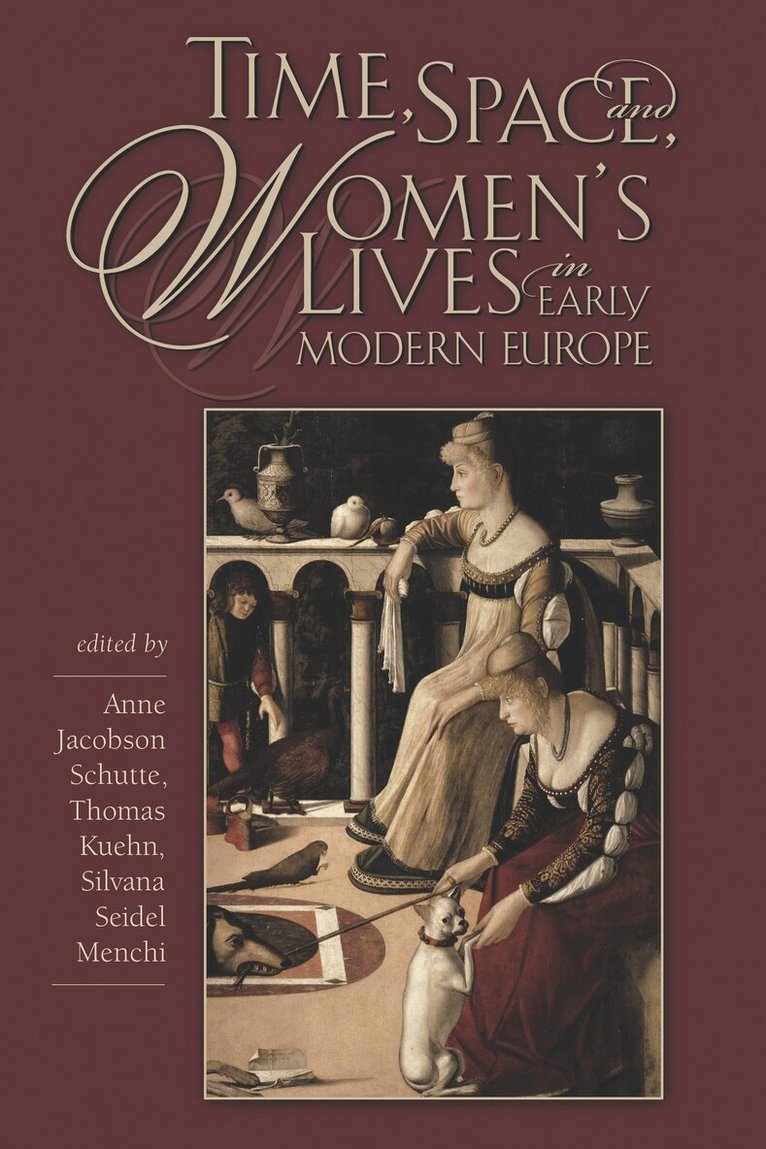
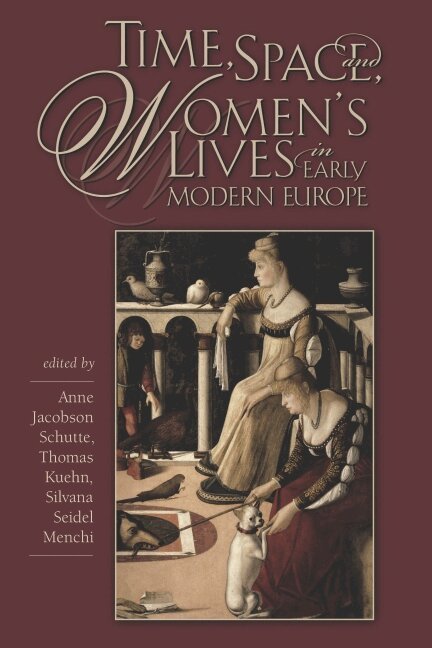
Time, Space, and Women’s Lives in Early Modern Europe
Av Anne Jacobson Schutte, Thomas Kuehn m. fl.
Inbunden, 2001
567 kr
Lägg i varukorg
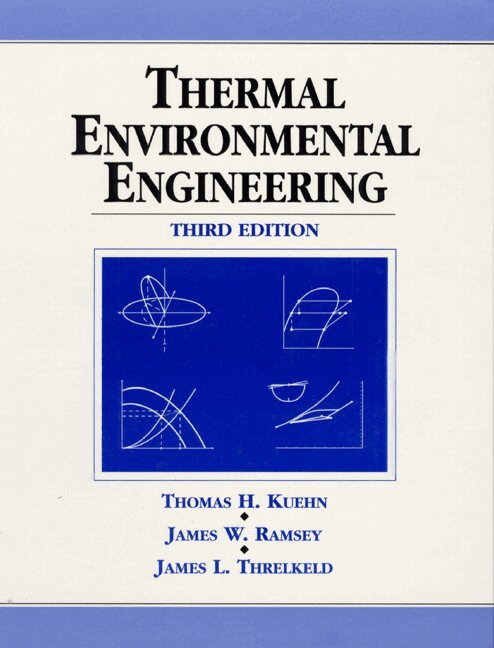
Thermal Environmental Engineering
Av Thomas Kuehn, James Ramsey m. fl.
Häftad, 1998
4781 kr
Lägg i varukorg
Appropriate for advanced undergraduate and graduate-level courses in HVAC in Departments of Mechanical Engineering.This text presents a comprehensive introduction to heating, ventilation, and air conditioning that begins with the basic principles of engineering science and leads to the latest HVAC …
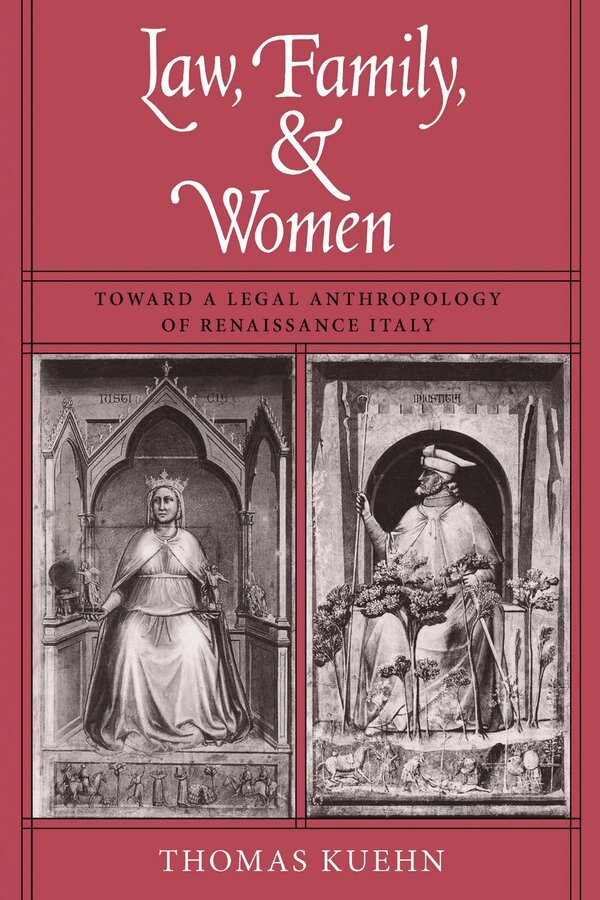
Law, Family, and Women
Toward a Legal Anthropology of Renaissance Italy
Av Thomas Kuehn
Häftad, 1994
334 kr
Lägg i varukorg
Focusing on Florence, Thomas Kuehn demonstrates the formative influence of law on Italian society during the Renaissance, especially in the spheres of family and women. Kuehn's use of legal sources along with letters, diaries, and contemporary accounts allows him to present a compelling image of …
Law, Family, and Women
Toward a Legal Anthropology of Renaissance Italy
Av Thomas Kuehn
E-bok, 2015
722 kr
Lägg i varukorg
Focusing on Florence, Thomas Kuehn demonstrates the formative influence of law on Italian society during the Renaissance, especially in the spheres of family and women. Kuehn''s use of legal sources along with letters, diaries, and contemporary accounts allows him to present a compelling image of …
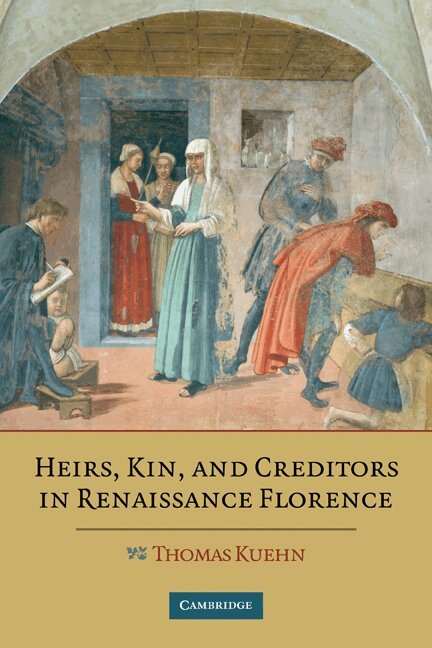
Heirs, Kin, and Creditors in Renaissance Florence
Av Thomas Kuehn
Häftad, 2011
720 kr
Lägg i varukorg
This study, based on Florentine repudiations of inheritance, reveals that inheritance was not simply an automatic process where the recipients were passive, if grateful. In influential European societies of the past, it was in fact a process that continued long after the deceased's death. Heirs …
Heirs, Kin, and Creditors in Renaissance Florence
Av Thomas Kuehn
Inbunden, 2008
1593 kr
Lägg i varukorg
This study, based on Florentine repudiations of inheritance, reveals that inheritance was not simply an automatic process where the recipients were passive, if grateful. In influential European societies of the past, it was in fact a process that continued long after the deceased's death. Heirs …
Time, Space, and Women’s Lives in Early Modern Europe
Av Anne Jacobson Schutte, Thomas Kuehn m. fl.
Häftad, 2001
435 kr
Lägg i varukorg
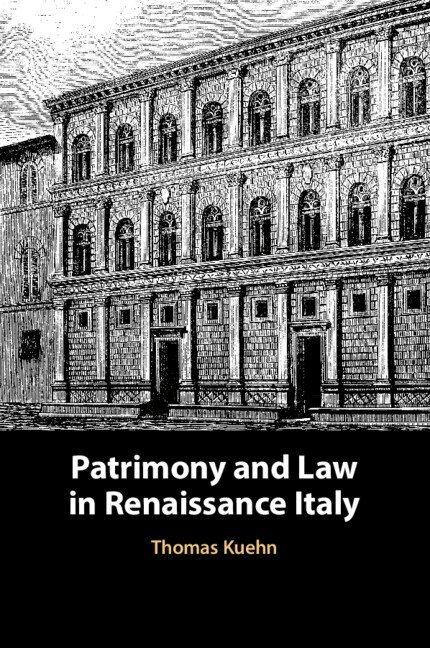
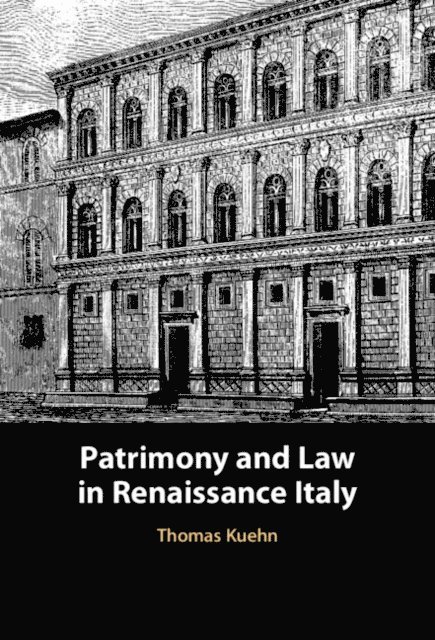
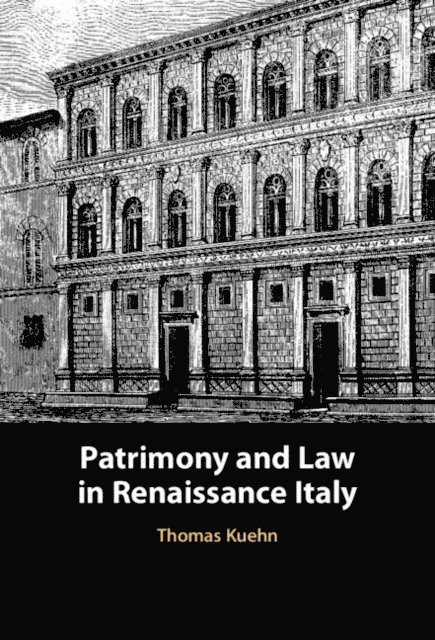
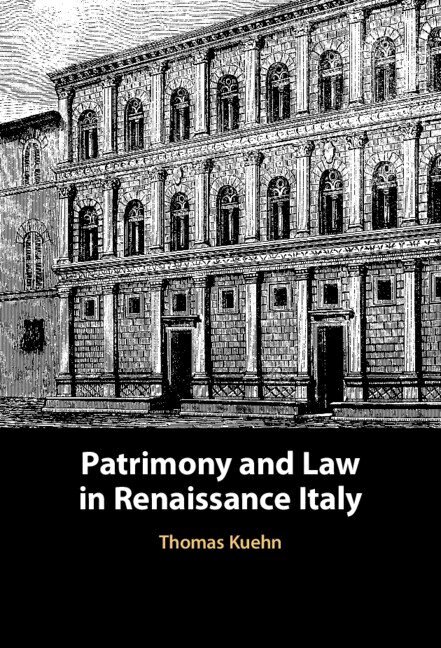
Patrimony and Law in Renaissance Italy
Av Thomas Kuehn
Häftad, 2024
451 kr
Lägg i varukorg
Family was a central feature of social life in Italian cities. In the Renaissance, jurists, humanists, and moralists began to theorize on the relations between people and property that formed the 'substance' of the family and what held it together over the years. Family property was a bundle of …
Patrimony and Law in Renaissance Italy
Av Thomas Kuehn
E-bok, 2022
437 kr
Lägg i varukorg
Family was a central feature of social life in Italian cities. In the Renaissance, jurists, humanists, and moralists began to theorize on the relations between people and property that formed the ''substance'' of the family and what held it together over the years. Family property was a bundle of …
Patrimony and Law in Renaissance Italy
Av Thomas Kuehn
E-bok, 2022
437 kr
Lägg i varukorg
Family was a central feature of social life in Italian cities. In the Renaissance, jurists, humanists, and moralists began to theorize on the relations between people and property that formed the ''substance'' of the family and what held it together over the years. Family property was a bundle of …
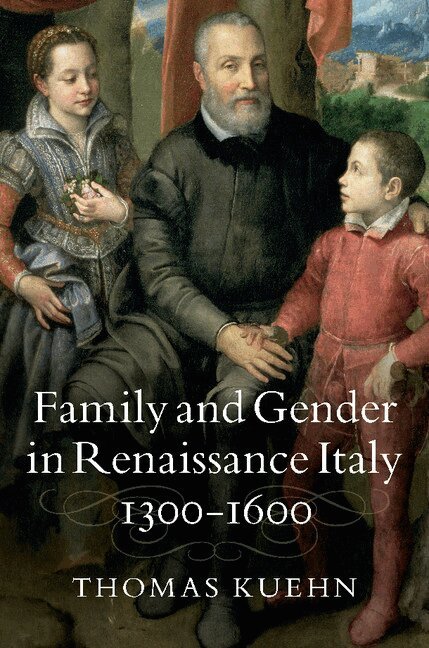
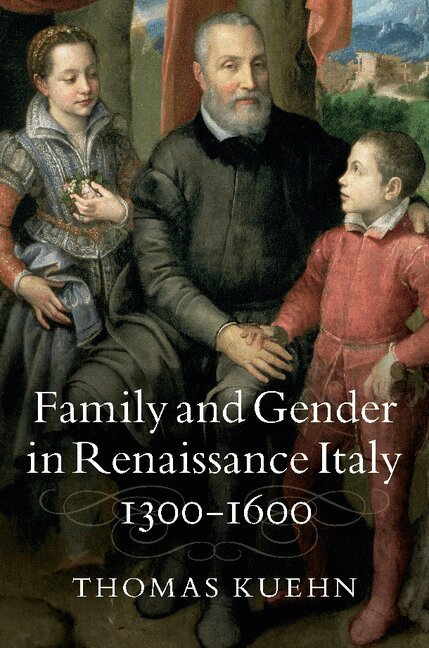
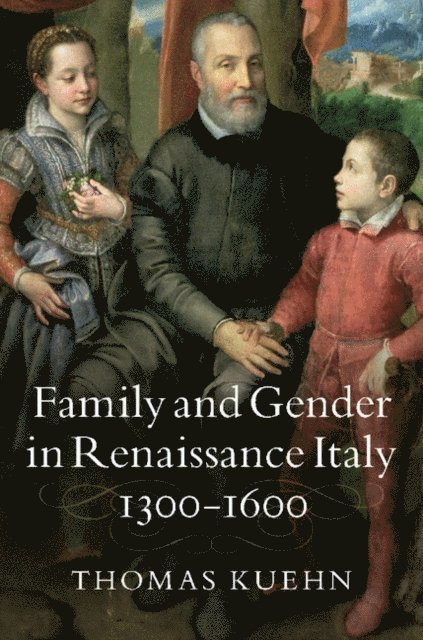
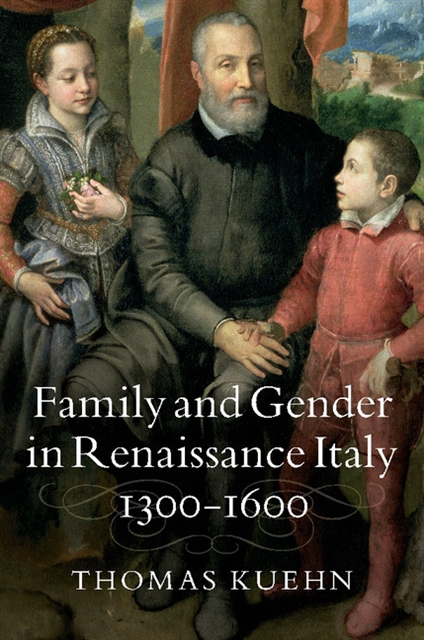
Family and Gender in Renaissance Italy, 1300-1600
Av Thomas Kuehn
Inbunden, 2017
2197 kr
Lägg i varukorg
This book studies family life and gender broadly within Italy, not just one region or city, from the fourteenth through the seventeenth centuries. Paternal control of the household was paramount in Italian life at this time, with control of property and even marital choices and career paths laid …
Family and Gender in Renaissance Italy, 1300-1600
Av Thomas Kuehn
Häftad, 2017
557 kr
Lägg i varukorg
This book studies family life and gender broadly within Italy, not just one region or city, from the fourteenth through the seventeenth centuries. Paternal control of the household was paramount in Italian life at this time, with control of property and even marital choices and career paths laid …
Family and Gender in Renaissance Italy, 1300-1600
Av Thomas Kuehn
E-bok, 2017
537 kr
Lägg i varukorg
This book studies family life and gender broadly within Italy, not just one region or city, from the fourteenth through the seventeenth centuries. Paternal control of the household was paramount in Italian life at this time, with control of property and even marital choices and career paths laid …
Family and Gender in Renaissance Italy, 1300-1600
Av Thomas Kuehn
E-bok, 2017
542 kr
Lägg i varukorg
This book studies family life and gender broadly within Italy, not just one region or city, from the fourteenth through the seventeenth centuries. Paternal control of the household was paramount in Italian life at this time, with control of property and even marital choices and career paths laid …
Patrimony and Law in Renaissance Italy
Av Thomas Kuehn
Inbunden, 2022
1391 kr
Lägg i varukorg
Family was a central feature of social life in Italian cities. In the Renaissance, jurists, humanists, and moralists began to theorize on the relations between people and property that formed the 'substance' of the family and what held it together over the years. Family property was a bundle of …
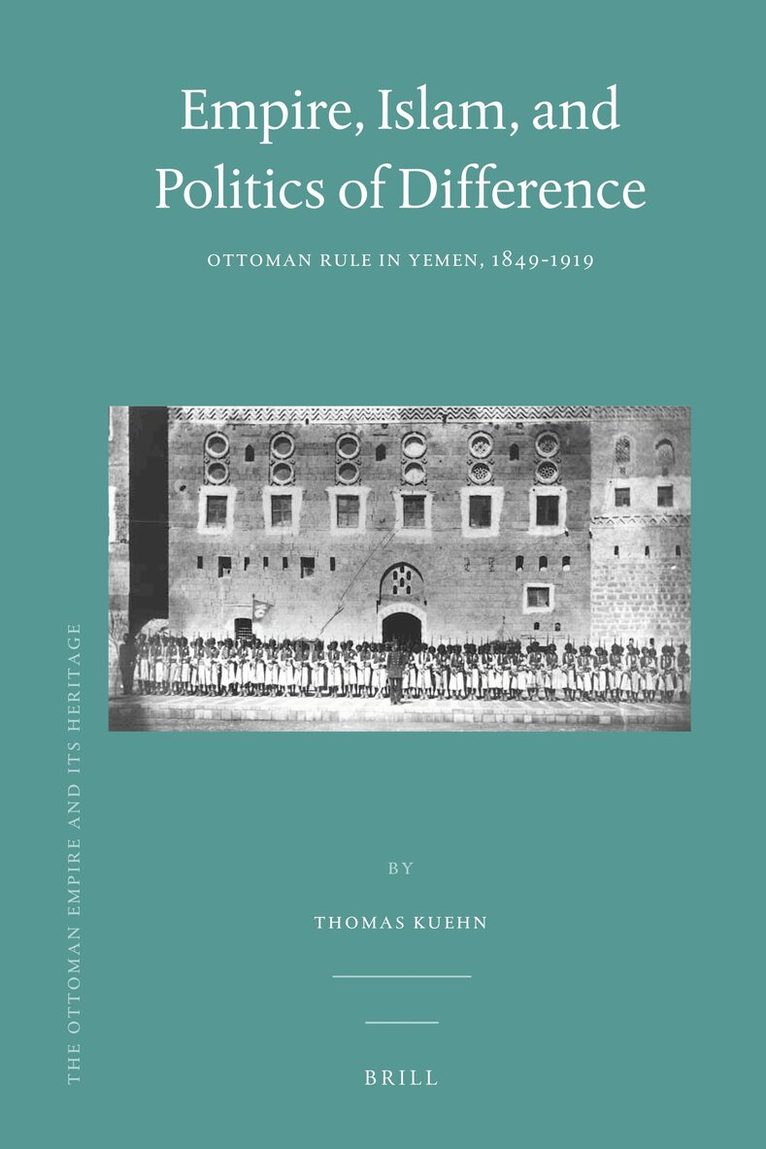
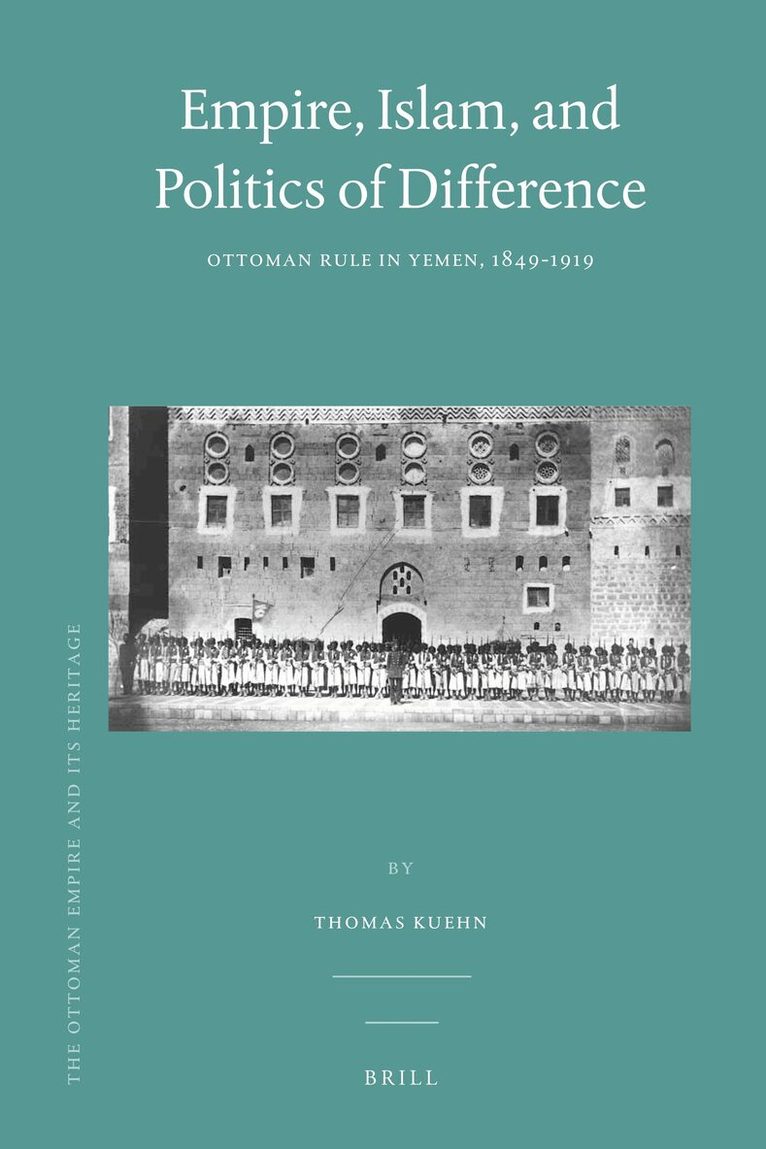
Empire, Islam, and Politics of Difference
Ottoman Rule in Yemen, 1849-1919
Av Thomas Kuehn
Inbunden, 2011
2813 kr
Lägg i varukorg
Historians of the Middle East in the long nineteenth century have often considered empire-building the preserve of European powers. This book revises this picture by exploring how the Ottomans re-conquered and ruled large parts of present-day Yemen between 1849 and the end of World War I, after …
Empire, Islam, and Politics of Difference
Ottoman Rule in Yemen, 1849-1919
Av Thomas Kuehn
Häftad, 2019
968 kr
Lägg i varukorg
Historians of the Middle East in the long nineteenth century have often considered empire-building the preserve of European powers. This book revises that picture by exploring how the Ottomans re-conquered and ruled large parts of present-day Yemen between 1849 and the end of World War I, after …