Thomas Levenson – författare
Visar alla böcker från författaren . Handla med fri frakt och snabb leverans.
20 produkter
20 produkter
Inbunden, Engelska, 2026
178 kr
Skickas
Scientific truth, and the vast benefits of modern medicine, are under sustained attack from conspiracy theorists. Not since the nineteenth century has there been such a relentless assault on tried and tested science.In this urgent history of anti-vaccine arguments, Thomas Levenson traces the alarming rhetoric of figures such as Robert F. Kennedy Jr. and Ron DeSantis back to its roots, examining how their very same talking points have been regurgitated since the early eighteenth century. But what once started as justifiable skepticism of an emerging science is now completely divorced from reality. As Levenson demonstrates, vaccines themselves have transformed beyond recognition, but anti-vaccine rants echo the same meaningless tropes long after they have become obsolete.This history is vital for our understanding of the political and cultural landscape as it mutates into ever-more terrifying forms. With wit and acerbity, Levenson offers a thorough dissection of anti-vaccine arguments and sets out undeniable evidence for the necessity of inoculation.Levenson warns, above all, of the dangers of proliferation – of anti-vaccine misinformation, and relatedly, of deadly disease and suffering. It is only in understanding these fools that we can begin to stop them.
Inbunden, Engelska, 2025
211 kr
Skickas
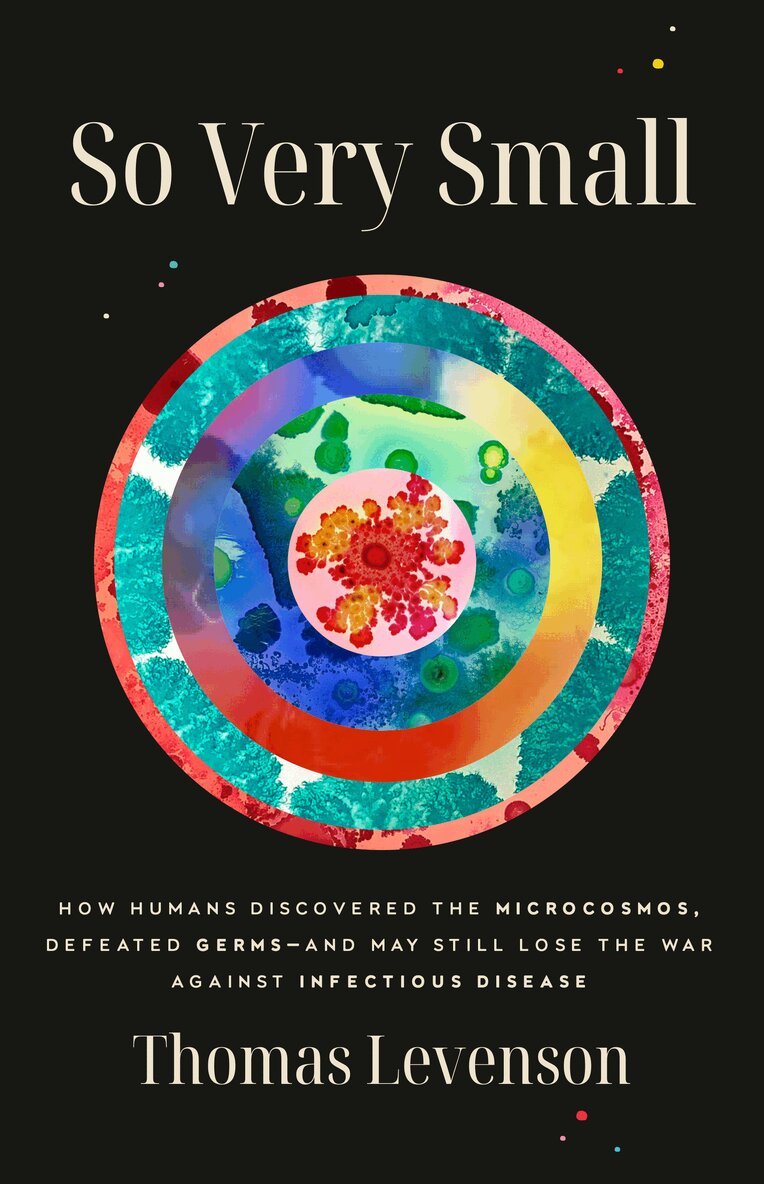
This globe-spanning history follows the thread of human ingenuity and hubris across centuries? ?along the way peering into microscopes, spelunking down sewers, traipsing across the battlefield, and more? ?to show how we came to understand the microbial environment and how little we understand ourselves. Illustrations.
E-bok
Engelska, 201788 kr
Läs direkt efter köp
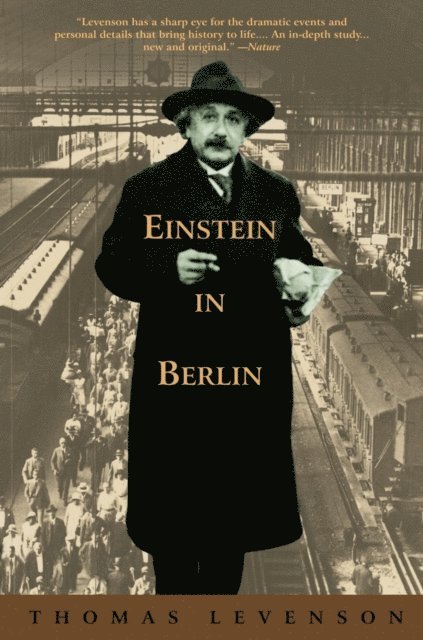
In a book that is both biography and the most exciting form of history, here are eighteen years in the life of a man, Albert Einstein, and a city, Berlin, that were in many ways the defining years of the twentieth century. Einstein in BerlinIn the spring of 1913 two of the giants of modern science traveled to Zurich. Their mission: to offer the most prestigious position in the very center of European scientific life to a man who had just six years before been a mere patent clerk. Albert Einstein accepted, arriving in Berlin in March 1914 to take up his new post. In December 1932 he left Berlin forever. “Take a good look,” he said to his wife as they walked away from their house. “You will never see it again.”In between, Einstein’s Berlin years capture in microcosm the odyssey of the twentieth century. It is a century that opens with extravagant hopes--and climaxes in unparalleled calamity. These are tumultuous times, seen through the life of one man who is at once witness to and architect of his day--and ours. He is present at the events that will shape the journey from the commencement of the Great War to the rumblings of the next one. We begin with the eminent scientist, already widely recognized for his special theory of relativity. His personal life is in turmoil, with his marriage collapsing, an affair under way. Within two years of his arrival in Berlin he makes one of the landmark discoveries of all time: a new theory of gravity--and before long is transformed into the first international pop star of science. He flourishes during a war he hates, and serves as an instrument of reconciliation in the early months of the peace; he becomes first a symbol of the hope of reason, then a focus for the rage and madness of the right. And throughout these years Berlin is an equal character, with its astonishing eruption of revolutionary pathways in art and architecture, in music, theater, and literature. Its wild street life and sexual excesses are notorious. But with the debacle of the depression and Hitler’s growing power, Berlin will be transformed, until by the end of 1932 it is no longer a safe home for Einstein. Once a hero, now vilified not only as the perpetrator of “Jewish physics” but as the preeminent symbol of all that the Nazis loathe, he knows it is time to leave.
Häftad, Engelska, 2010
299 kr
Skickas inom 3-6 vardagar
Häftad, Engelska, 2010
145 kr
Skickas
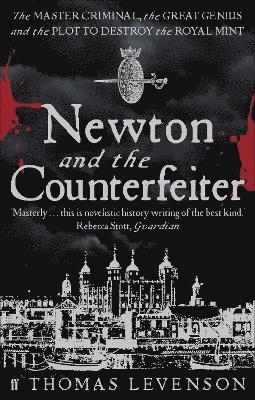
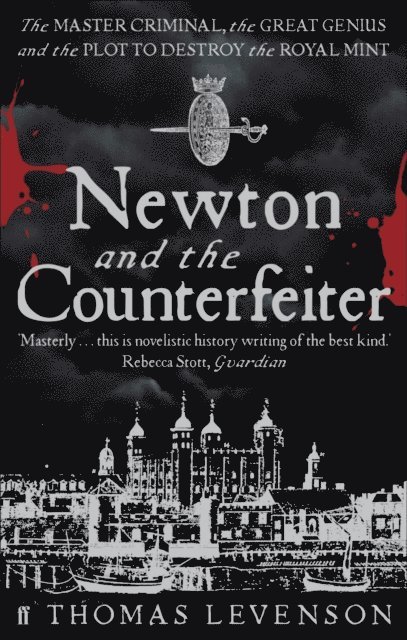
Already famous throughout Europe for his theories of planetary motion and gravity, Isaac Newton decided to take on the job of running the Royal Mint. And there, Newton became drawn into a battle with William Chaloner, the most skilful of counterfeiters, a man who not only got away with faking His Majesty's coins (a crime that the law equated with treason), but was trying to take over the Mint itself.But Chaloner had no idea who he was taking on. Newton pursued his enemy with the cold, implacable logic that he brought to his scientific research.Set against the backdrop of early eighteenth-century London with its sewers running down the middle of the streets, its fetid rivers, its packed houses, smoke and fog, its industries and its great port, this dark tale of obsession and revenge transforms our image of Britain's greatest scientist.
E-bok
Engelska, 2011126 kr
Läs direkt efter köp
Already famous throughout Europe for his theories of planetary motion and gravity, Isaac Newton decided to take on the job of running the Royal Mint. And there, Newton became drawn into a battle with William Chaloner, the most skilful of counterfeiters, a man who not only got away with faking His Majesty's coins (a crime that the law equated with treason), but was trying to take over the Mint itself.But Chaloner had no idea who he was taking on. Newton pursued his enemy with the cold, implacable logic that he brought to his scientific research.Set against the backdrop of early eighteenth-century London with its sewers running down the middle of the streets, its fetid rivers, its packed houses, smoke and fog, its industries and its great port, this dark tale of obsession and revenge transforms our image of Britain's greatest scientist.
E-bok
Engelska, 2025206 kr
Läs direkt efter köp
Häftad, Engelska, 1995
309 kr
Skickas inom 3-6 vardagar
E-bok
Engelska, 2015171 kr
Läs direkt efter köp
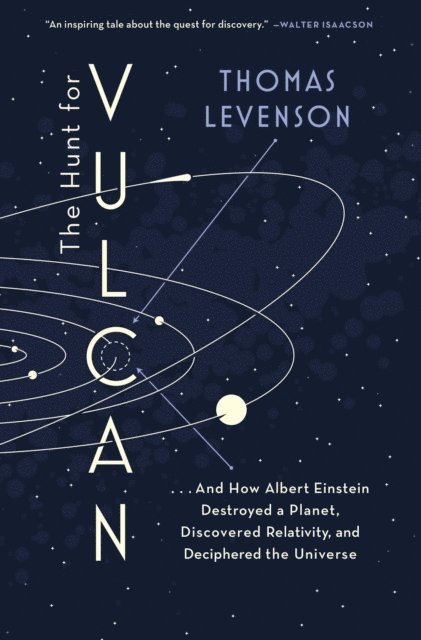
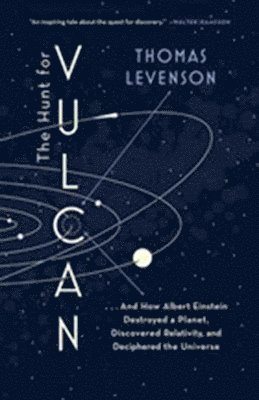
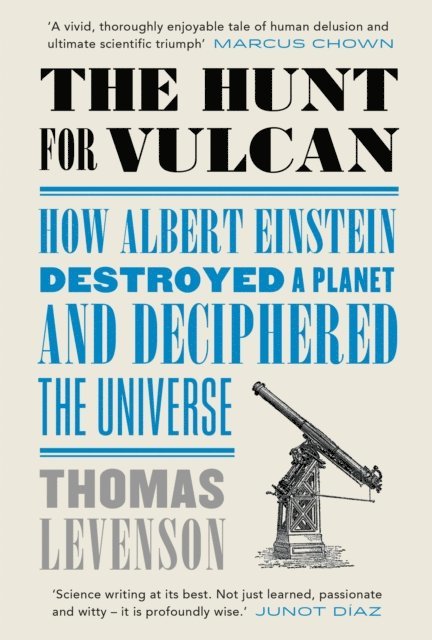
The captivating, all-but-forgotten story of Isaac Newton, Albert Einstein, and the search for a planet that never existed For more than fifty years, the world’s top scientists searched for the “missing” planet Vulcan, whose existence was mandated by Isaac Newton’s theories of gravity. Countless hours were spent on the hunt for the elusive orb, and some of the era’s most skilled astronomers even claimed to have found it. There was just one problem: It was never there. In The Hunt for Vulcan, Thomas Levenson follows the visionary scientists who inhabit the story of the phantom planet, starting with Isaac Newton, who in 1687 provided an explanation for all matter in motion throughout the universe, leading to Urbain-Jean-Joseph Le Verrier, who almost two centuries later built on Newton’s theories and discovered Neptune, becoming the most famous scientist in the world. Le Verrier attempted to surpass that triumph by predicting the existence of yet another planet in our solar system, Vulcan. It took Albert Einstein to discern that the mystery of the missing planet was a problem not of measurements or math but of Newton’s theory of gravity itself. Einstein’s general theory of relativity proved that Vulcan did not and could not exist, and that the search for it had merely been a quirk of operating under the wrong set of assumptions about the universe. Levenson tells the previously untold tale of how the “discovery” of Vulcan in the nineteenth century set the stage for Einstein’s monumental breakthrough, the greatest individual intellectual achievement of the twentieth century. A dramatic human story of an epic quest, The Hunt for Vulcan offers insight into how science really advances (as opposed to the way we’re taught about it in school) and how the best work of the greatest scientists reveals an artist’s sensibility. Opening a new window onto our world, Levenson illuminates some of our most iconic ideas as he recounts one of the strangest episodes in the history of science. Praise for The Hunt for Vulcan “Delightful . . . a charming tale about an all-but-forgotten episode in science history.”—The Wall Street Journal “Engaging . . . At heart, this is a story about how science advances, one insight at a time. But the immediacy, almost romance, of Levenson’s writing makes it almost novelistic.”—The Washington Post“Captures the drama of the tireless search for this celestial object.”—Science “A well-structured, fast-paced example of exemplary science writing.”—Kirkus Reviews (starred review) “A short, beautifully produced book that tells a cautionary tale . . . Levenson is a breezy writer who renders complex ideas in down-to-earth language.”—The Boston Globe“An inspiring tale about the quest for discovery.”—Walter Isaacson “Equal to the best science writing I’ve read anywhere, by any author. Beautifully composed, rich in historical context, deeply researched, it is, above all, great storytelling.”—Alan Lightman, author of The Accidental Universe “Levenson tells us where Vulcan came from, how it vanished, and why its spirit lurks today. Along the way, we learn more than a bit of just how science works—when it succeeds as well as when it fails.”—Neil deGrasse Tyson “Science writing at its best. This book is not just learned, passionate, and witty—it is profoundly wise.”—Junot DíazFrom the Hardcover edition.
E-bok
Engelska, 2020118 kr
Läs direkt efter köp
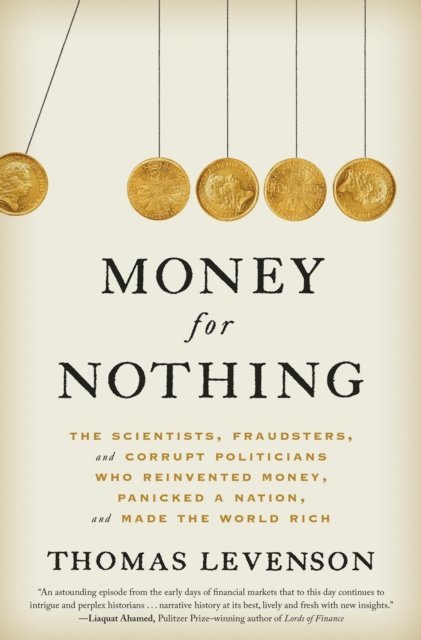
The sweeping story of how the greatest minds of the Scientific Revolution applied their new ideas to people, money, and markets--and invented modern finance along the way.
E-bok
Engelska, 2026161 kr
Läs direkt efter köp
Scientific truth, and the vast benefits of modern medicine, are under sustained attack from conspiracy theorists. Not since the nineteenth century has there been such a relentless assault on tried and tested science.In this urgent history of anti-vaccine arguments, Thomas Levenson traces the alarming rhetoric of figures such as Robert F. Kennedy Jr. and Ron DeSantis back to its roots, examining how their very same talking points have been regurgitated since the early eighteenth century. But what once started as justifiable skepticism of an emerging science is now completely divorced from reality. As Levenson demonstrates, vaccines themselves have transformed beyond recognition, but anti-vaccine rants echo the same meaningless tropes long after they have become obsolete.This history is vital for our understanding of the political and cultural landscape as it mutates into ever-more terrifying forms. With wit and acerbity, Levenson offers a thorough dissection of anti-vaccine arguments and sets out undeniable evidence for the necessity of inoculation.Levenson warns, above all, of the dangers of proliferation of anti-vaccine misinformation, and relatedly, of deadly disease and suffering. It is only in understanding these fools that we can begin to stop them.
E-bok
Engelska, 2020123 kr
Läs direkt efter köp
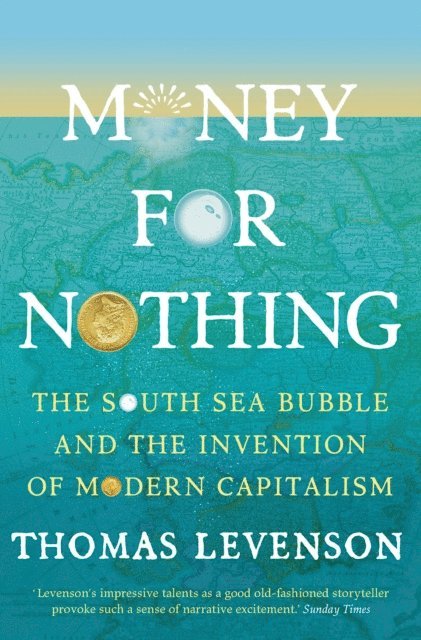
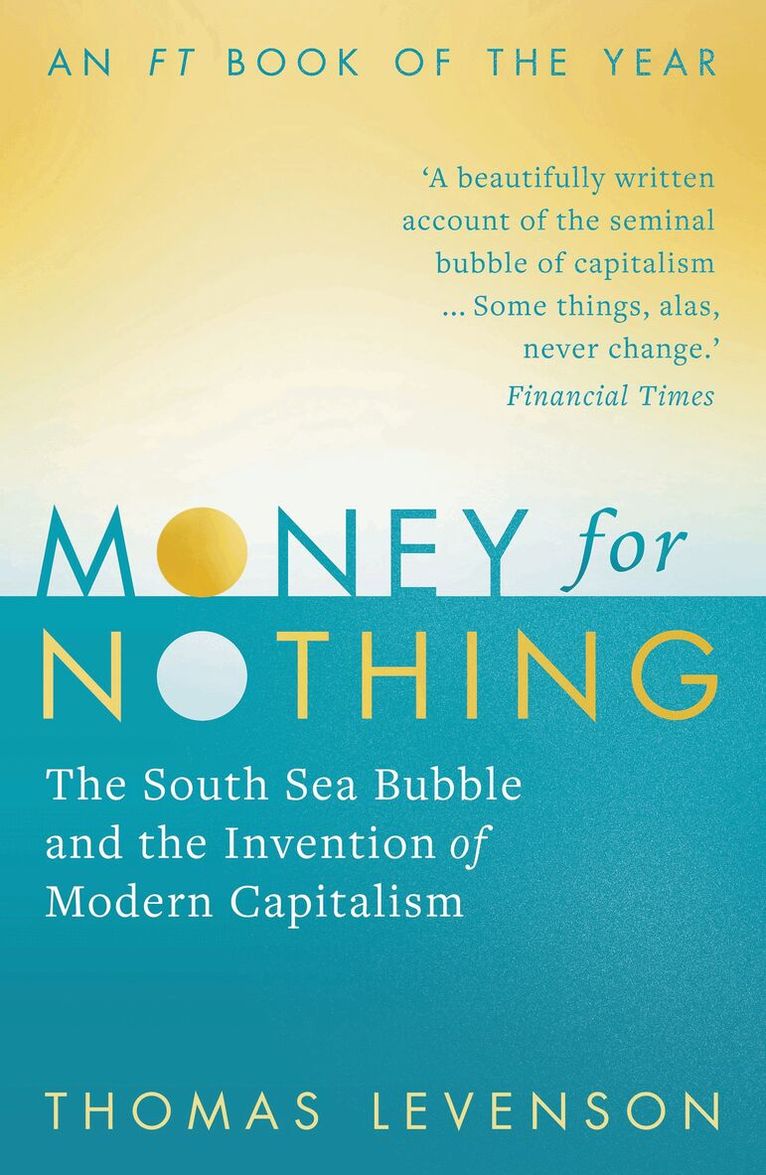
A Financial Times Economics Book of the Year A brilliant narrative of early capitalism''s most famous scandal, a speculative frenzy that nearly bankrupted the British state during the hot summer of 1720 – and paradoxically led to the birth of modern finance. The South Sea Company was formed to trade with Asian and Latin American countries. But it had almost no ships and did precious little trade. Instead it got into financial fraud on a massive scale, taking over the government''s debt and promising to pay the state out of the money received from the shares it sold.And how they sold. In the summer of 1720 the share price rocketed and everyone was making money. Until the carousel stopped, and thousands lost their shirts. Isaac Newton, Alexander Pope and others lost heavily.Thomas Levenson''s superb account of the South Sea Bubble is not just the story of a huge scam, but is also the story of the birth of modern financial capitalism: the idea that you can invest in future prosperity and that governments can borrow money to make things happen, like funding the rise of British naval and mercantile power. These dreamers and fraudsters may have bankrupted Britain, but they made the world rich.Praise for Money For Nothing: ''A scholar who makes complicated and subtle matters not just accessible but fun. Utterly relevant to the 2008 financial crisis and 2020 pandemic'' SIMON SEBAG MONTEFIORE''Thoroughly researched and vibrantly written, Money For Nothing captures those heady, heartbreaking times, which still hold lessons for today'' DAVID KAISER''A gripping story of scientists and swindlers, all too pertinent to our modern world'' JAMES GLEICK''It''s easy to look back and think of the South Sea bubblers, like the tulip-mad Dutch of the 1630s, as financially naive – until you remember how many people jumped in on various other more recent crazes (from Beanie Babies to Pets.com and Bitcoin). This is not a new tale, but Levenson tells it with a light touch'' SPECTATOR
Häftad, Engelska, 2021
121 kr
Skickas
A Financial Times Economics Book of the Year A brilliant narrative of early capitalism's most famous scandal, a speculative frenzy that nearly bankrupted the British state during the hot summer of 1720 – and paradoxically led to the birth of modern finance. The South Sea Company was formed to trade with Asian and Latin American countries. But it had almost no ships and did precious little trade. Instead it got into financial fraud on a massive scale, taking over the government's debt and promising to pay the state out of the money received from the shares it sold.And how they sold. In the summer of 1720 the share price rocketed and everyone was making money. Until the carousel stopped, and thousands lost their shirts. Isaac Newton, Alexander Pope and others lost heavily.Thomas Levenson's superb account of the South Sea Bubble is not just the story of a huge scam, but is also the story of the birth of modern financial capitalism: the idea that you can invest in future prosperity and that governments can borrow money to make things happen, like funding the rise of British naval and mercantile power. These dreamers and fraudsters may have bankrupted Britain, but they made the world rich.Praise for Money For Nothing: 'A scholar who makes complicated and subtle matters not just accessible but fun. Utterly relevant to the 2008 financial crisis and 2020 pandemic' SIMON SEBAG MONTEFIORE'Thoroughly researched and vibrantly written, Money For Nothing captures those heady, heartbreaking times, which still hold lessons for today' DAVID KAISER'A gripping story of scientists and swindlers, all too pertinent to our modern world' JAMES GLEICK'It's easy to look back and think of the South Sea bubblers, like the tulip-mad Dutch of the 1630s, as financially naive – until you remember how many people jumped in on various other more recent crazes (from Beanie Babies to Pets.com and Bitcoin). This is not a new tale, but Levenson tells it with a light touch' SPECTATOR
E-bok
Engelska, 2015104 kr
Läs direkt efter köp
In 1859, the brilliant scientist Urbain LeVerrier discovered that the planet Mercury has a wobble, that its orbit shifts over time. His explanation was that there had to be an unseen planet circling even closer to the sun. He called the planet Vulcan. Supported by the theories of Sir Isaac Newton, the finest astronomers of their generation began to seek out Vulcan and at least a dozen reports of discovery were filed. There was only one problem. Vulcan does not exist – and was never there. The real explanation was only revealed when a young Albert Einstein came up with a theory of gravity that also happened to prove that Mercury''s orbit could indeed be explained – not by Newton''s theories but by Einstein''s own theory of general relativity. THE HUNT FOR VULCAN is a scientific detective tale at the intersection of theory, measurement, and belief; and a reflection on a bizarre period in which the power of conformity led very smart people to literally see a planet that wasn''t there.
Inbunden, Engelska, 2025
293 kr
Skickas
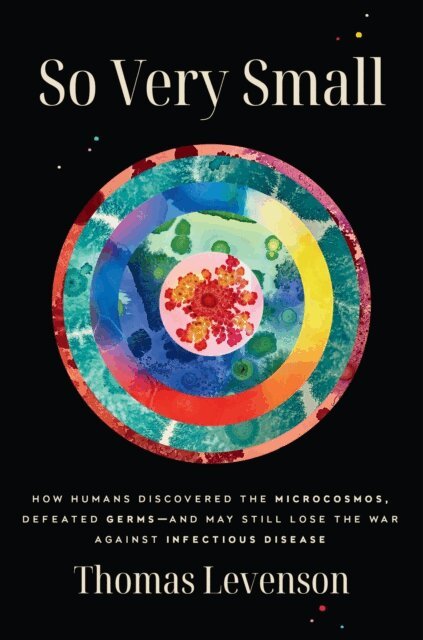
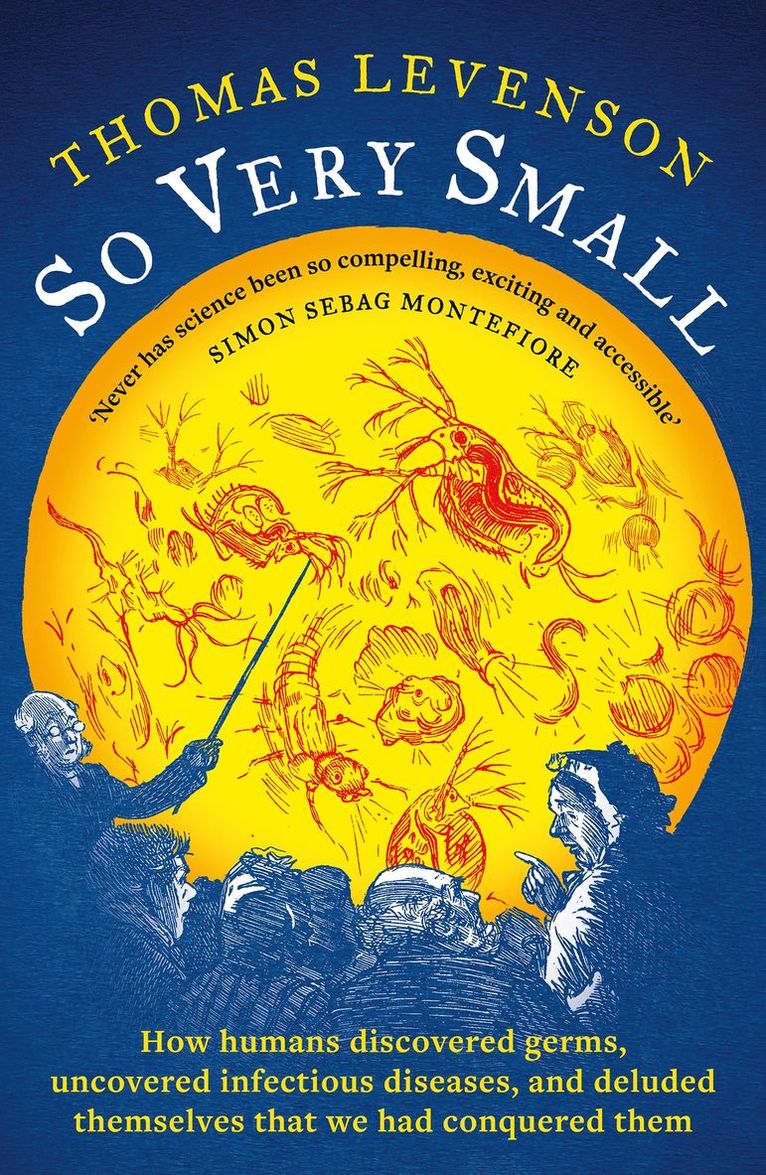
In 1665, an infectious disease swept through the British capital and claimed the lives of tens of thousands of people. It would take another two hundred years for the cause of the Great Plague of London to be confirmed: a powerful bacterium called Yersinia pestis. In those centuries, our understanding of diseases was transformed. In So Very Small, Thomas Levenson reveals how human hubris led us to overestimate our own ability and underestimate the threat that microorganisms truly pose. He journeys through some of the most significant epidemics and pandemics in history, including the recurrent outbreaks of cholera in Europe and Asia, and the1721 Boston smallpox epidemic.The turning point came in the nineteenth century with the development of germ theory: the concept that microbes can cause disease. Levenson shows how, in the years that followed, scientists made major breakthroughs in our ongoing struggle against infectious disease. Perhaps the greatest of these achievements is the discovery of antibiotic treatment, which has been the salvation of much of humanity in recent centuries.In a story that spans centuries and continents, So Very Small explores the scientific quest to understand how tiny organisms have impacted the wider world – and looks ahead to the battle to fight their rapid evolution.
E-bok
Engelska, 2025155 kr
Läs direkt efter köp
In 1665, an infectious disease swept through the British capital and claimed the lives of tens of thousands of people. It would take another two hundred years for the cause of the Great Plague of London to be confirmed: a powerful bacterium called Yersinia pestis. In those centuries, our understanding of diseases was transformed. In So Very Small, Thomas Levenson reveals how human hubris led us to overestimate our own ability and underestimate the threat that microorganisms truly pose. He journeys through some of the most significant epidemics and pandemics in history, including the recurrent outbreaks of cholera in Europe and Asia, and the1721 Boston smallpox epidemic.The turning point came in the nineteenth century with the development of germ theory: the concept that microbes can cause disease. Levenson shows how, in the years that followed, scientists made major breakthroughs in our ongoing struggle against infectious disease. Perhaps the greatest of these achievements is the discovery of antibiotic treatment, which has been the salvation of much of humanity in recent centuries.In a story that spans centuries and continents, So Very Small explores the scientific quest to understand how tiny organisms have impacted the wider world – and looks ahead to the battle to fight their rapid evolution.
Häftad, Engelska, 2026
156 kr
Skickas
In 1665, an infectious disease swept through the British capital and claimed the lives of tens of thousands of people. It would take another two hundred years for the cause of the Great Plague of London to be confirmed: a powerful bacterium called Yersinia pestis. In those centuries, our understanding of diseases was transformed. In So Very Small, Thomas Levenson reveals how human hubris led us to overestimate our own ability and underestimate the threat that microorganisms truly pose. He journeys through some of the most significant epidemics and pandemics in history, including the recurrent outbreaks of cholera in Europe and Asia, and the1721 Boston smallpox epidemic.The turning point came in the nineteenth century with the development of germ theory: the concept that microbes can cause disease. Levenson shows how, in the years that followed, scientists made major breakthroughs in our ongoing struggle against infectious disease. Perhaps the greatest of these achievements is the discovery of antibiotic treatment, which has been the salvation of much of humanity in recent centuries.In a story that spans centuries and continents, So Very Small explores the scientific quest to understand how tiny organisms have impacted the wider world – and looks ahead to the battle to fight their rapid evolution.
Inbunden, Engelska, 2026
333 kr
Skickas inom 3-6 vardagar
E-bok
Engelska, 2026206 kr
Läs direkt efter köp
93 kr
Tillfälligt slut
An elegant and entertaining account explaining the strange history of the (non-existent) Planet Vulcan, which confounded the 19th century's brightest minds.