Thomas Lorman – författare
Visar alla böcker från författaren Thomas Lorman. Handla med fri frakt och snabb leverans.
9 produkter
Hungary, 1920–1925 – Istvan Bethlen and the Politics of Consolidation
Inbunden, 2006
449 kr
Lägg i varukorg
This is the first book in English to comprehensively examine the crucial first five years of Istvan Bethlen's premiership when, following the catastrophe of 1918-1920, he began the reconstruction of the country. Thomas Lorman argues that from 1920 to 1925, Bethlen engaged in a protracted and …
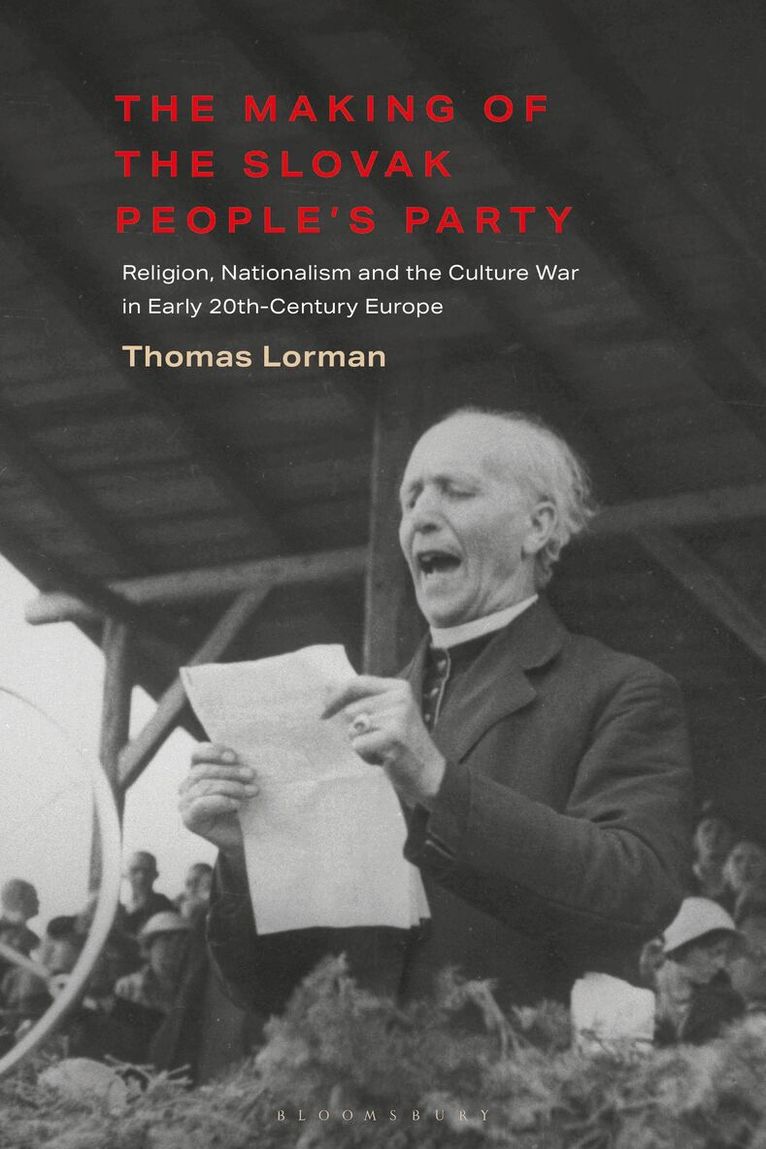
Making of the Slovak People’s Party
Religion, Nationalism and the Culture War in Early 20th-Century Europe
Inbunden, 2019
1708 kr
Lägg i varukorg
Winner of the Alec Nove Prize in Russian, Soviet, and Post-Soviet StudiesWinner of the BASEES George Blazyca PrizeIn 1945, just six years after coming to power, the Slovak People's Party (SLS) was disbanded as a 'criminal organisation' and its leader - Jozef Tiso - hanged for treason. What made it …
Making of the Slovak People’s Party
Religion, Nationalism and the Culture War in Early 20th-Century Europe
E-bok, 2019
519 kr
Lägg i varukorg
Winner of the Alec Nove Prize in Russian, Soviet, and Post-Soviet Studies Winner of the BASEES George Blazyca Prize In 1945, just six years after coming to power, the Slovak People''s Party (SLS) was disbanded as a ''criminal organisation'' and its leader - Jozef Tiso - hanged for treason. What …
Making of the Slovak People’s Party
Religion, Nationalism and the Culture War in Early 20th-Century Europe
E-bok, 2019
519 kr
Lägg i varukorg
Winner of the Alec Nove Prize in Russian, Soviet, and Post-Soviet Studies Winner of the BASEES George Blazyca Prize In 1945, just six years after coming to power, the Slovak People''s Party (SLS) was disbanded as a ''criminal organisation'' and its leader - Jozef Tiso - hanged for treason. What …
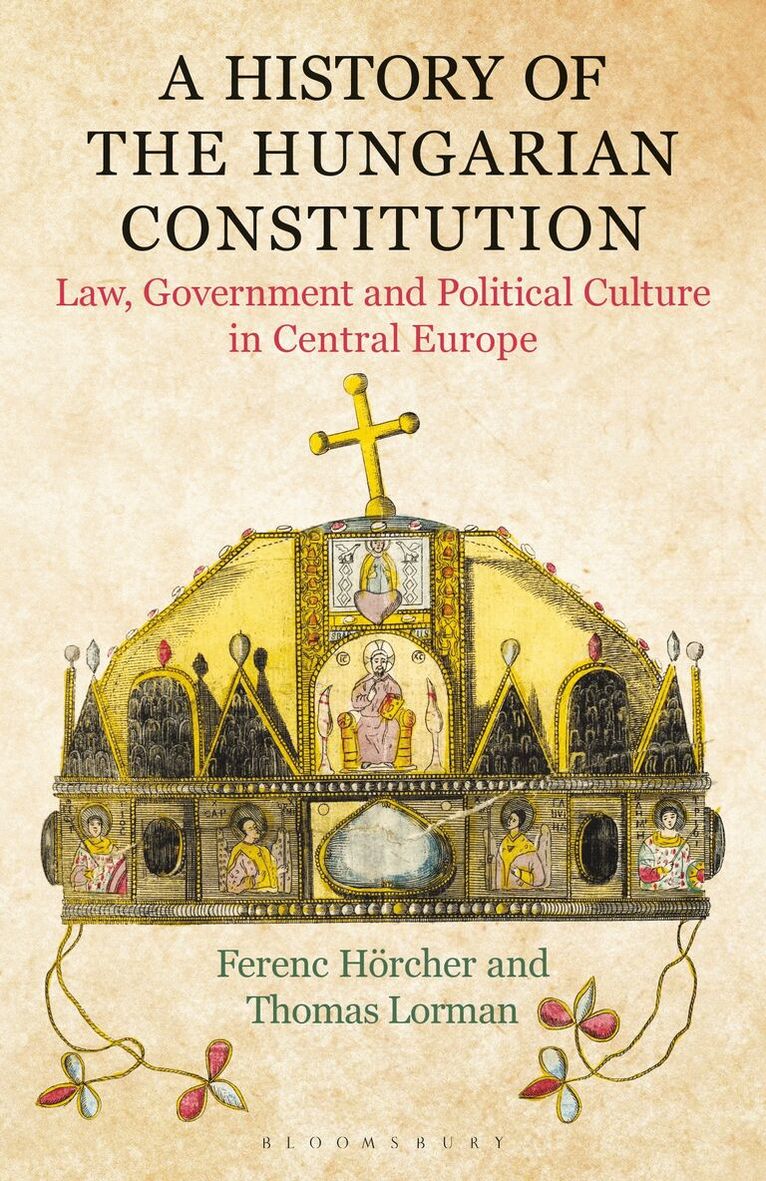
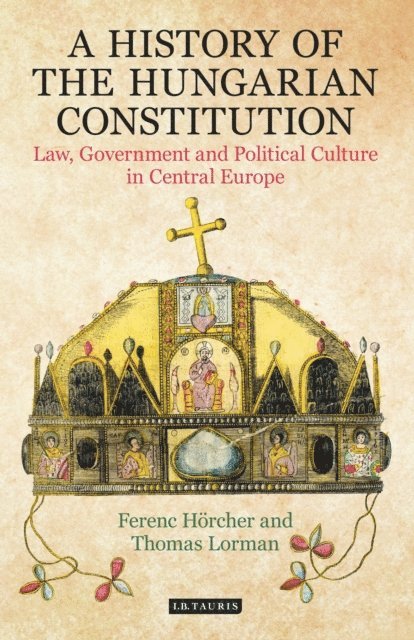
History of the Hungarian Constitution
Law, Government and Political Culture in Central Europe
Av Ferenc Hörcher, Thomas Lorman
Häftad, 2020
503 kr
Lägg i varukorg
The new Hungarian Basic Law, which was ratified on 1 January 2012, provoked domestic and international controversy. Of particular concern was the constitutional text’s explicit claim that it was situated within a reinvigorated Hungarian legal tradition that had allegedly developed over centuries …
Making of the Slovak People’s Party
Religion, Nationalism and the Culture War in Early 20th-Century Europe
Häftad, 2020
489 kr
Lägg i varukorg
Winner of the Alec Nove Prize in Russian, Soviet, and Post-Soviet StudiesWinner of the BASEES George Blazyca PrizeIn 1945, just six years after coming to power, the Slovak People's Party (SLS) was disbanded as a 'criminal organisation' and its leader - Jozef Tiso - hanged for treason. What made it …
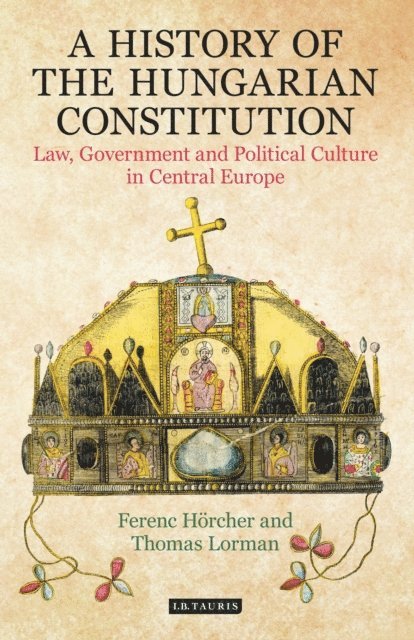
History of the Hungarian Constitution
Law, Government and Political Culture in Central Europe
Av Ferenc Hörcher, Thomas Lorman
E-bok, 2018
546 kr
Lägg i varukorg
The new Hungarian Basic Law, which was ratified on 1 January 2012, provoked domestic and international controversy. Of particular concern was the constitutional text's explicit claim that it was situated within a reinvigorated Hungarian legal tradition that had allegedly developed over centuries …
History of the Hungarian Constitution
Law, Government and Political Culture in Central Europe
Av Ferenc Hörcher, Thomas Lorman
E-bok, 2018
546 kr
Lägg i varukorg
The new Hungarian Basic Law, which was ratified on 1 January 2012, provoked domestic and international controversy. Of particular concern was the constitutional text's explicit claim that it was situated within a reinvigorated Hungarian legal tradition that had allegedly developed over centuries …
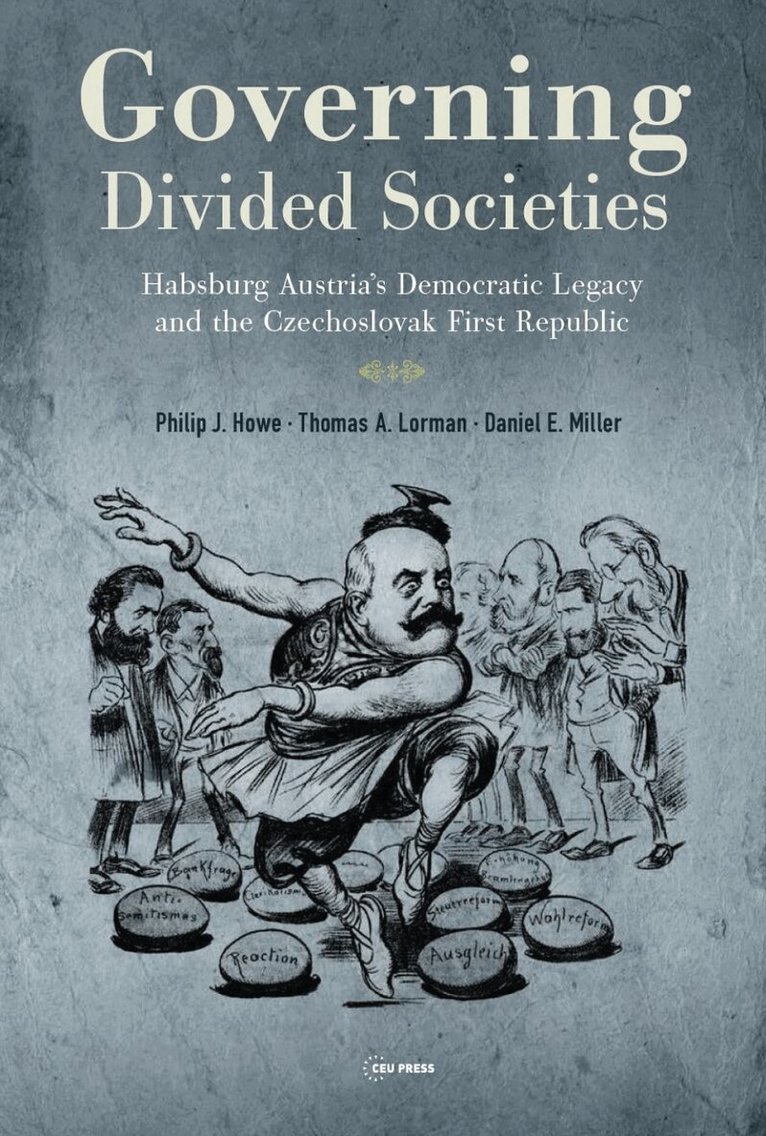
Governing Divided Societies
Habsburg Austria’s Democratic Legacy and the Czechoslovak First Republic
Av Philip Howe, Thomas Lorman m. fl.
Inbunden, 2026
1961 kr
Lägg i varukorg
The authors of this volume challenge conventional notions about Habsburg and Czechoslovak politics, arguing that they were more democratic than they often appear. They use the consociational model of democracy as a means of combining political science and history. The theory, associated with Arend …