
Thomas M. Leitch - Böcker
Visar alla böcker från författaren Thomas M. Leitch. Handla med fri frakt och snabb leverans.
2 produkter
2 produkter
276 kr
Skickas inom 10-15 vardagar
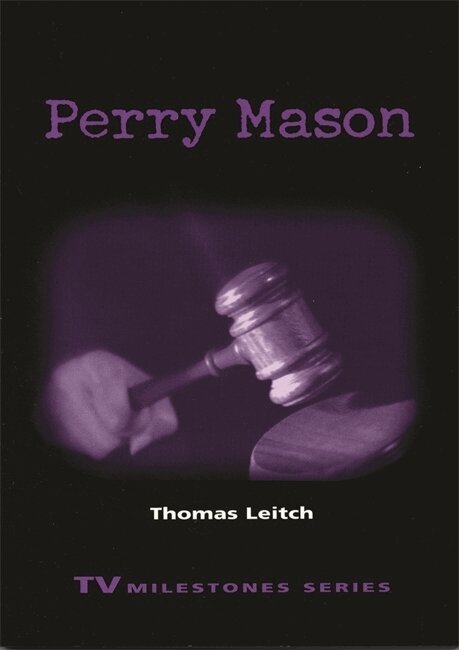
Perry Mason was one of the most successful television programs from the 1950s and remains one of the most influential crime melodramas from any period. The show's influence goes far beyond its nine-year tenure (1957-66), the millions of dollars it generated for its creators and for CBS, and the definitive identification it provided its star, Raymond Burr. ""Perry Mason"" has become a true piece of Americana, evolving through a formulaic approach that law professors continue to use today as a teaching tool. In his examination of ""Perry Mason"", author Thomas Leitch looks at why this series has appealed to so many for so long and what the continued appeal tells us about Americans' attitudes toward lawyers and the law, then and now. Beginning with its roots in earlier detective fiction, stories of fictional attorneys, and the work of Erle Stanley Gardner (the show's creator), Leitch lays out the circumstances under which ""Perry Mason"" was conceived and marketed as a distinct franchise. The evolution of ""Perry Mason"" is charted here in an inclusive manner, discussing the show's broadcast history (ending with the series of two-hour tele-movies that aired nearly twenty years after the original series ended) alongside its generic nature and place within popular culture, the show's ideological dynamic, and issues of authorship in the context of television. This concise study is an excellent tool for television and media scholars as well as fans of the ""Perry Mason"" series.
534 kr
Skickas inom 5-8 vardagar
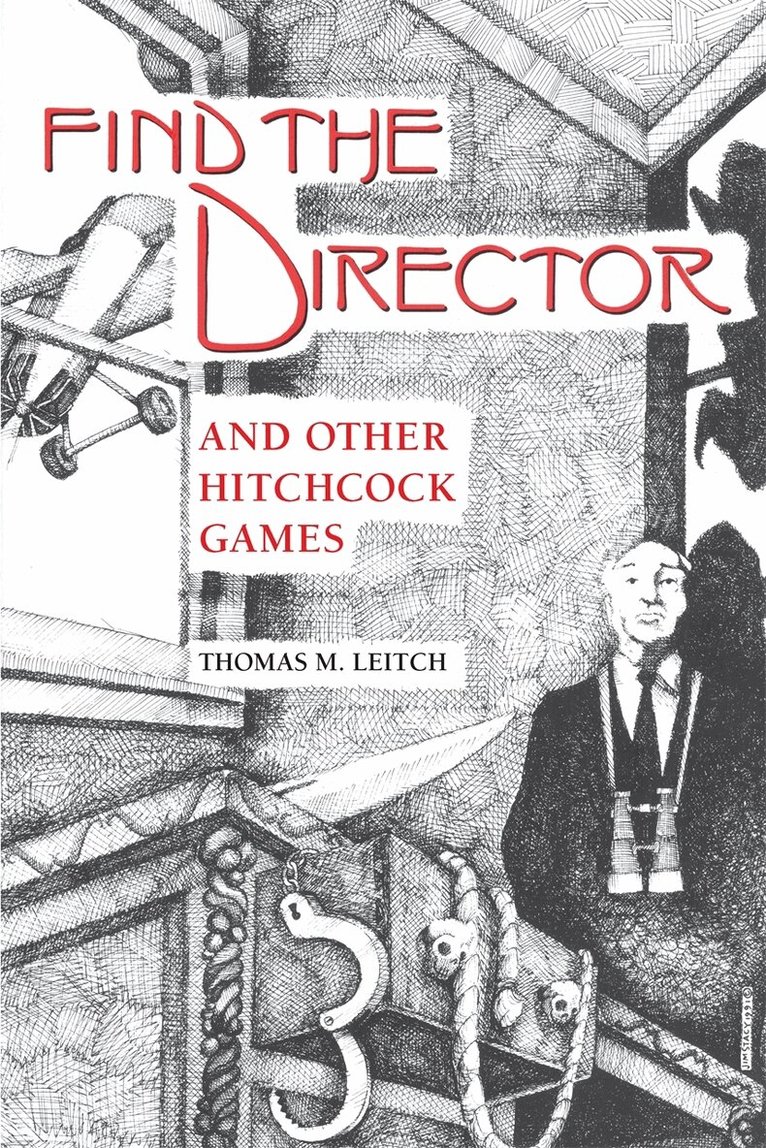
Developing a model of narrative based on game theory, Thomas Leitch offers a compelling new explanation for the distinctiveness and power of Hitchcock's films. Games such as the director's famous cameo appearances, the author says, allow the audience simultaneously to immerse itself in the world created by the narrative and to stand outside that world and appreciate the self-consciously suspenseful or comic techniques that make the movie peculiarly Hitchcockian.A crucial aspect of the director's gameplaying, Leitch contends, emerges in the way he repeatedly redefines the rules. Leitch divides Hitchcock's career into key periods in which one set of games gives way to another, reflecting changes in the director's concerns and the conditions under which he was making movies at the time. For example, the films of his late British period (the original Man Who Knew Too Much, The 39 Steps, The Lady Vanishes) pivot on witty situational games that continually surprise the viewers; the American films that followed in the next decade (Rebecca, Notorious, The Paradine Case) depend more on drawing the viewer into a close identification with a central character and that character's plight. These films in turn are followed by such works as Rope and Strangers on a Train, in which cat-and-mouse games—between characters, between Hitchcock and the characters, between Hitchcock and the audience—are the driving force. By repeatedly redefining what it means to be a Hitchcock film, Leitch explains, the director fosters a highly ambivalent attitude toward such concerns as the value of domesticity, the loss of identity, and the need for—and fear of—suspenseful apprehension.