Thomas Ohlson – författare
Visar alla böcker från författaren Thomas Ohlson. Handla med fri frakt och snabb leverans.
4 produkter
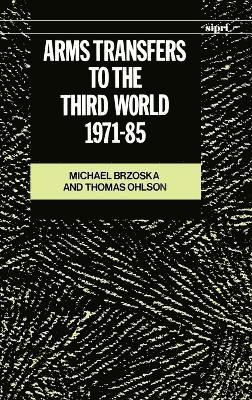
Arms Transfers to the Third World, 1971-85
Av Michael Brzoska, Thomas Ohlson
Inbunden, 1987
1536 kr
Lägg i varukorg
The value of major conventional weapons imported by Third World countries between 1971 and 1985 was quadruple that for the previous two decades. This spectacular increase reflects changes in the economic and technological relations between industrialized nations and the Third World, as well as …
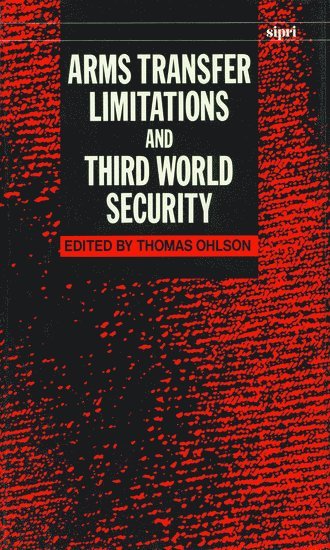
Arms Transfer Limitations and Third World Security
Inbunden, 1988
1611 kr
Lägg i varukorg
Is the arms trade totally uncontrolled? What are the main obstacles to limitations on arms transfers? What can be learned from past attempts at arms transfer control? This book, which completes SIPRI's trilogy on the facts and implications of Third World build-up of major conventional weapons, …
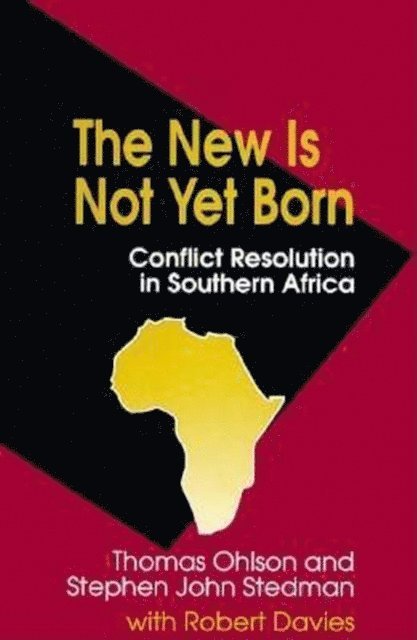
New Is Not Yet Born
Conflict Resolution in Southern Africa
Av Thomas Ohlson, Stephen John Stedman
E-bok, 2010
312 kr
Lägg i varukorg
In April 1994, black and white South Africans voted for the first time for a nonracial government. This watershed election in the spring of '94 was one of many profound changes in Southern Africa, including independence in Namibia, democratic elections in Zambia, a peace agreement in Mozambique, …
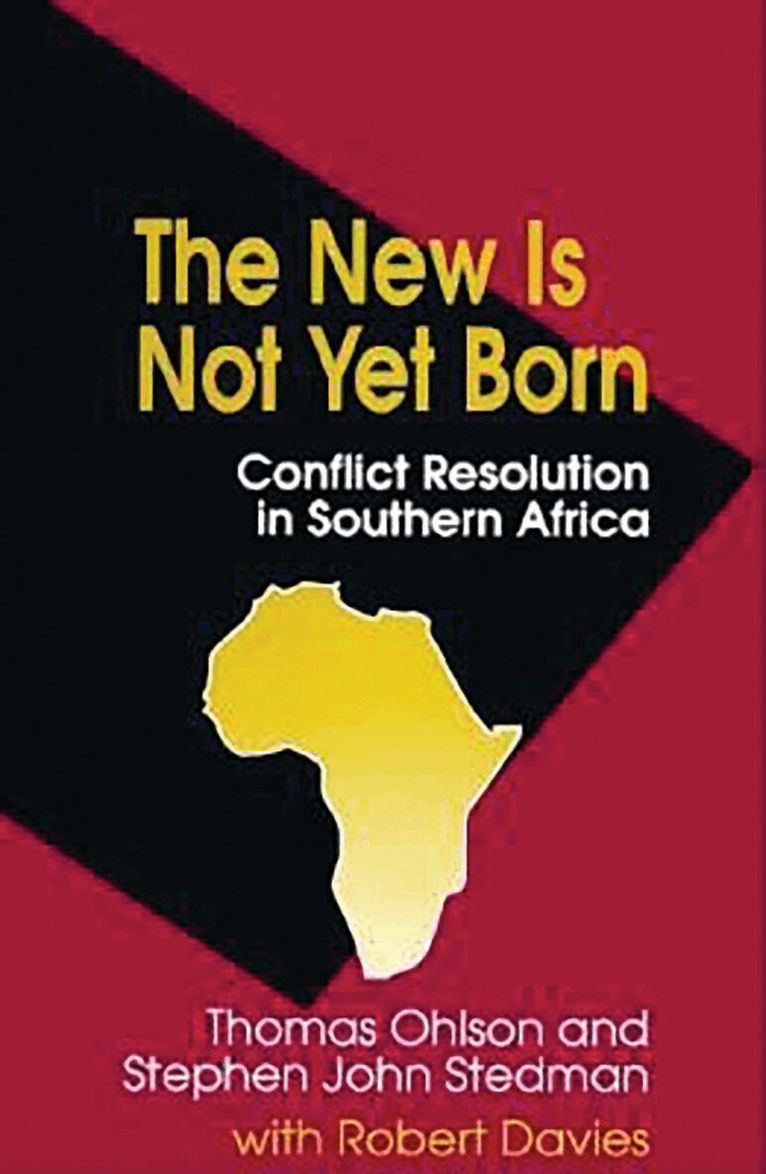
New Is Not Yet Born
Conflict Resolution in Southern Africa
Av Thomas Ohlson, Stephen John Stedman
Häftad, 1994
289 kr
Lägg i varukorg
In April 1994, black and white South Africans voted for the first time for a nonracial government. This watershed election in the spring of '94 was one of many profound changes in Southern Africa, including independence in Namibia, democratic elections in Zambia, a peace agreement in Mozambique, …